















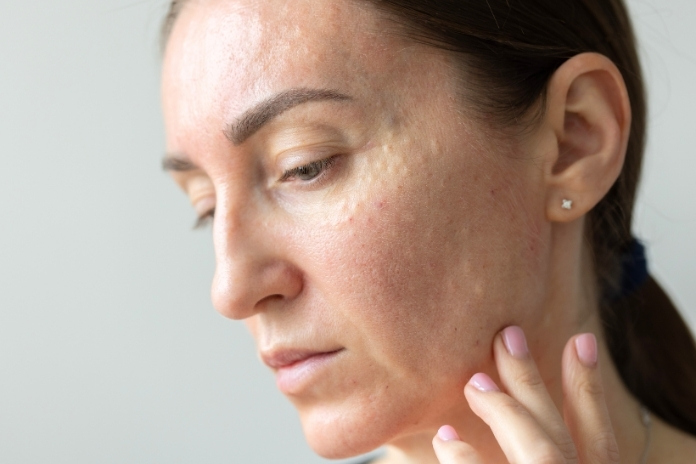
You expect your skin to be hydrated, supple, and soft after using your moisturizer daily. But despite your best efforts, it still feels textured, flaky, or tight, as if the lotion isn’t working correctly.
It’s a question you may be asking yourself: “Why is my skin still dry even after I use moisturizer?” You’re not alone.
Your skin may be limited in its ability to retain moisture for several reasons, including lifestyle factors, environmental conditions, improper product use, and underlying health conditions.
“When there is a weakness in the skin barrier, your skin can lose water, causing dry skin and accompanying symptoms of discomfort, itchiness, flaking and discoloration,” says Walter J. Liszewski, MD, a dermatologist at Northwestern Medicine.
This article will address the most common reasons your moisturizer is not working, how to identify the actual condition of your skin, and what you can do to achieve the soft, healthy skin you have been looking for, as well as restore its lasting softness.
Read More: Oatmeal Baths: The Science-Backed Solution for Dry, Itchy Skin
What “Dry Skin Even After Moisturizing” Really Means
One of the most common skincare concerns is dry skin, something most of us have experienced at some point, if not daily. In fact, a recent German study found that 29% of adults have dry skin, with the numbers increasing with age. It’s no wonder the hashtag #dryskinproblems is so popular on Instagram.
Your favorite cream may temporarily relieve dryness, but a moisturizer alone isn’t always enough to keep your skin healthy and hydrated. For lasting results, it’s just as important to identify and break any habits that might be contributing to dryness or barrier damage. That way, your skin can hold on to moisture, prevent water loss, and support its natural healing process.
As David Kim, MD, a New York City–based board-certified dermatologist at Idriss Dermatology, explains, dry skin occurs when the skin barrier becomes compromised, leading to dullness, flaking, and inflammation. Clinically known as xerosis, this condition is caused by a lack of moisture or oil within the skin.
Common Causes of Dry Skin
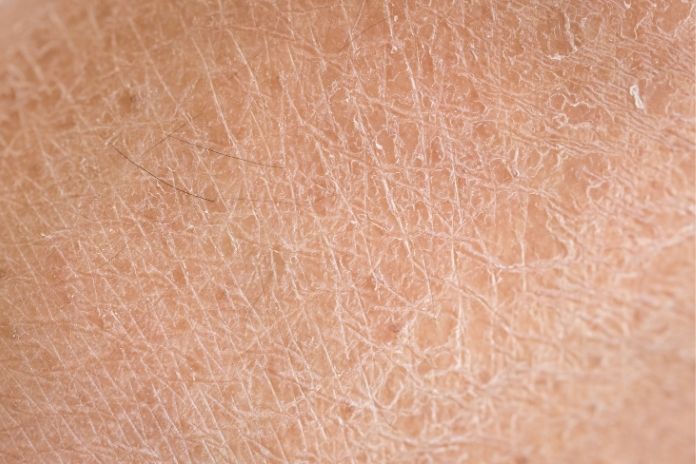
If you notice persistent dryness, you must determine the cause. Typical causes include the following:
Heat: In the winter, nothing is more reassuring than lounging by the heater or having a long, hot shower. Although these things are beneficial to the soul, they are regrettably not very healthy for your skin.
Extremely high water temperatures strip your skin of its natural oils, leading to dryness. Additionally, it can cause skin inflammation, leading to redness, irritation, and an uncomfortable “tight” feeling similar to sunburn.
In a similar vein, heating and cooling systems can also make the air in your home dry. It causes your skin to lose moisture, giving you a dry, lifeless complexion.
Therefore, this winter, consider reaching for your blanket instead of the thermostat to help prevent dehydrated skin. To further boost skin hydration, consider purchasing a humidifier to add more moisture to the air.
Cold weather: Cold can also be a significant cause of dry skin, so it’s not just the heat! Low humidity throughout the winter months is an essential cause of dry skin.
Winter is the ideal season for chapped, irritated skin, especially when combined with the dry, interior heat and severe winter winds. Limiting prolonged exposure to the weather and switching to a heavier moisturizer with calming properties will help prevent this.
Scented products: Your skin may become severely irritated by perfumes and scented body products. Certain volatile compounds react to form fragrances, and their presence can cause skin irritation.
Scents are also frequently carried by denatured alcohol. Unfortunately, this kind of alcohol is known to be extremely drying to the skin.
Switching to a fragrance-free skincare routine can help if you’ve been experiencing dry skin issues. It is especially true if your skin remains dry even after moisturizing.
You aren’t moisturizing at the right time: For maximum benefits, apply your lotion twice a day, either in the morning and at night, or immediately after showering or washing your face.
The best time to apply serums and moisturizer is as soon as possible after washing your face, while the skin is still somewhat damp. It helps protect against dryness by retaining water in your skin.
Environmental conditions: Low humidity, strong winds, or prolonged sun exposure may cause skin dryness. Purchasing a humidifier for your home can help maintain ideal moisture levels, especially if you struggle with dry skin during the winter. Additionally, to shield your skin from the sun’s drying effects, always wear sunscreen.
Dehydration: To keep your skin hydrated from the inside out, make sure you’re drinking enough water throughout the day. Reducing alcohol and caffeine consumption might also help to keep skin hydrated.
Exfoliating too frequently: Regular exfoliation can improve your skin’s texture, minimize acne scars, and unclog pores, among other advantages. Over-exfoliating, however, can have detrimental effects on your skin, including drying it out and perhaps destroying your skin barrier.
No matter how much moisturizer you use, your skin will still be dry if you have been exfoliating frequently or with strong exfoliating tools. Try reducing the frequency of exfoliation, using gentler products, or even taking a complete break from exfoliation to see if it helps your dry skin.
Read More: Glycerin Soap: Benefits, Risks, and Why Dermatologists Recommend It for Sensitive Skin
Medical Causes of Skin Dryness
No matter how much moisturizer you apply, if your skin remains flaky and dry, the problem can be more serious than your skincare regimen. Some skin disorders can lead to dry skin, including:
Contact dermatitis: An irritating or allergic reaction to something that comes into contact with your skin. You can develop a skin rash in addition to dry, itchy, and red skin. Cosmetics, detergents, medicines, and precious metals (such as nickel) are a few examples.
Eczema: A collection of skin disorders characterized by itchy, bumpy, dry, and red skin patches. Severe forms may result in skin breaking, increasing your vulnerability to infection. Irritating factors, allergies, and stress can exacerbate this common skin problem.
Seborrheic dermatitis: A condition called cradle cap in infants or dandruff in adults can cause dry skin on your head. Additionally, dry, flaky skin patches on your face, chest, and in the folds of your arms, legs, or groin may be a sign of seborrheic dermatitis. Your navel, or belly button, may also be impacted, though this is less common. Your body reacts to a common yeast that grows on your skin, causing this type of dermatitis.
How to Diagnose What’s Causing the Dryness
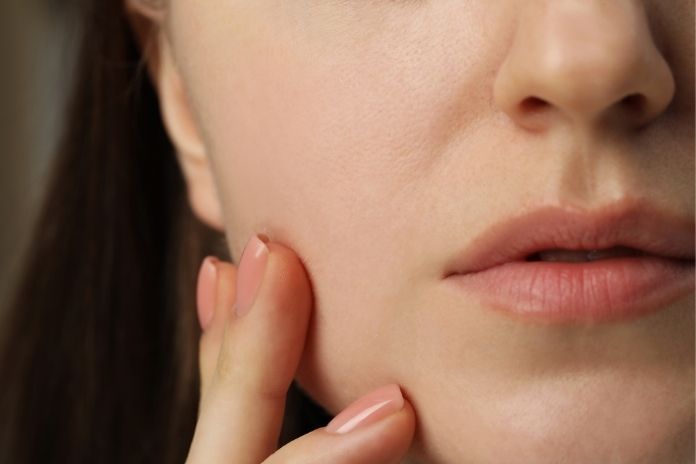
The appearance of dry skin makes diagnosis simple. After a thorough medical history, physical examination, and discussion of your symptoms, your healthcare provider will diagnose dry skin.
Your doctor may prescribe tests to check for the following medical diseases that cause dry skin, depending on how severe your symptoms are:
- To determine which compounds trigger allergic reactions, do an allergy test.
- A tissue sample or skin biopsy to check for eczema or other skin disorders.
Read More: 7 Morning Habits That Could Be Damaging Your Skin Without Realizing It
Practical Tips to Improve Skin Hydration
Dry skin can bleed, crack, flake, and itch. Board-certified dermatologists offer the following advice to help you treat dehydrated skin at home:
Use a mild cleanser to wash your skin: Dry skin is damaged skin. Use just enough cleanser to remove oil and grime, but not so much as to create a thick lather. Apply the cleaner only to the areas that require it, such as your groin or armpits.
Protect your skin from the sun: Wear sunscreen with an SPF of 30 or higher every day, even in the winter.
Use a humidifier: Humidity is necessary for dry skin. Using a humidifier can increase your home’s humidity. A home heating systems have a built-in humidifier. Alternatively, utilize a portable humidifier. If you use a portable humidifier, put it in your bedroom and turn it on while you sleep. To prevent mold, clean your humidifier regularly.
Wear cotton clothing that fits loosely: . Leggings and body-hugging jeans are examples of tight clothing that can rub against your skin, exacerbating dry skin. Wearing wool or polyester clothing against dry, sensitive skin can irritate it. Wear loose-fitting cotton clothing and a layer of cotton or silk below rough-fabric apparel to avoid irritating your skin.
Steer clear of hot baths and showers: Hot water can strip your skin of its natural oils, increasing the likelihood of dryness.
Avoid harsh soaps and detergents: they can strip your skin’s natural oils, increasing the likelihood of dryness.
Drink plenty of water: Maintaining proper hydration can help keep your skin healthy and moisturized.
When to See a Dermatologist or Doctor
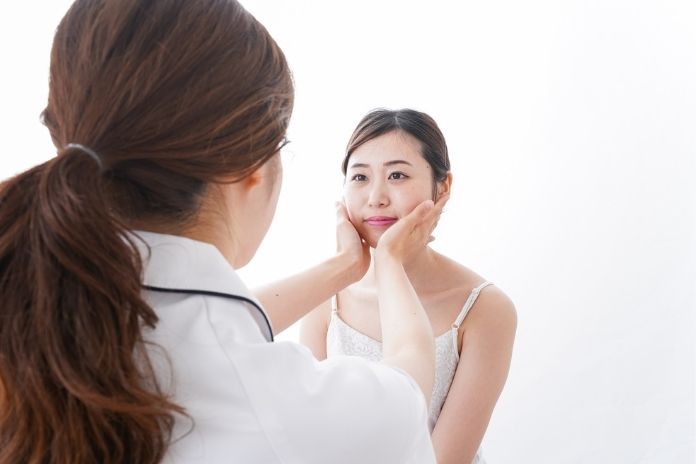
You should contact your physician if your skin:
- Constant itching makes it difficult to sleep or go about everyday tasks.
- Appears infected (warm, puffy, or red).
- It is unpleasant to the touch.
- Creates a rash.
Conclusion
If your skin feels tight or rough even after frequent moisturizer use, your body is likely trying to tell you that something more serious is happening.
Weather change, excessive skin washing, strong products, stress, or internal health conditions can slowly damage your skin’s protective barrier, often making it less able to retain moisture. It means that your cream may not be solely to blame.
The good news? Your skin can recover. You may restore that healthy, supple shine by identifying the genuine cause of your dryness, selecting a product that meets your skin’s actual needs, and adopting a few thoughtful lifestyle changes.
However, don’t disregard dryness if it persists or gets worse. A brief consultation with a dermatologist might reveal underlying issues.
Read More: Allergic to Touch? Understanding Dermatographia (Skin Writing Hives)
References
- https://www.skin.software/journal/why-is-my-skin-so-dry-even-when-i-moisturize
- https://forefrontdermatology.com/why-is-my-skin-still-dry-despite-using-moisturizer/
- https://www.mayoclinic.org/diseases-conditions/dry-skin/symptoms-causes/syc-20353885
- https://my.clevelandclinic.org/health/diseases/16940-dry-skin
- https://www.aad.org/public/diseases/a-z/dry-skin-causes
- https://www.docohio.com/conditions/dry-skin
- https://www.hopkinsmedicine.org/health/conditions-and-diseases/dry-skin
- https://springvillederm.com/2023/03/17/how-to-really-treat-your-dry-skin/
- https://www.aad.org/public/everyday-care/skin-care-basics/dry/dermatologists-tips-relieve-dry-skin
- https://www.rivaderm.com/conditions/dry-skin
- https://www.nm.org/healthbeat/healthy-tips/Why-Is-My-Skin-So-Dry-and-Itchy
- https://www.nm.org/doctors/1033505243/walter-j-liszewski-md
- https://theglowmemo.com/what-causes-dry-skin
- https://pubmed.ncbi.nlm.nih.gov/29953684/
In this Article