




















You gear up and go for a run or push through a set of heavy squats, hoping for that usual post-exercise high.
Instead, you get slammed with a sharp, pulsating ache behind your eyes or temples. The type of headache that makes you stop mid-set and question whether there’s something wrong that you are doing. That’s an exertion headache.
Exertion headaches are a unique type of headache that occurs specifically in response to physical exertion.
While the rest of us think about exercises in terms of endorphins and improved health, some exercises, such as running, cycling, HIIT, or even walking up stairs, can sometimes result in painful headaches.
These headaches aren’t solely about strained muscles and dehydration, but rather the body’s vascular response to extreme stress. Let’s understand why they occur, how they differ from other headaches or certain serious conditions, and how to prevent them. In this article, we will discuss it all. So, read on!
Read More: Tension Headache vs Migraine: Key Differences
What is an Exertion Headache?
Exertion headaches are sometimes referred to as exercise headaches or exercise-induced headaches. These occur during or shortly after exercise. They happen when the body’s internal pressure and circulation speed up more rapidly than the brain can tolerate comfortably.
“Exercise-induced headaches are less common than other types of headaches, but they do occur,” says Dr Ashhar Ali, D.O., a neurologist at Henry Ford Health. “It is a good idea to check in with a doctor to make sure there’s no additional underlying causes for your symptoms,” Dr Ashar Ali says.
According to the American Migraine Foundation, these headaches are classified into two main types:
1. Primary Exertion Headache:

This is the most common and usually harmless variety. It’s caused by temporary changes in blood circulation and pressure inside the skull when you push your body hard.
Typical characteristics include:
- Throbbing or pulsating pain on both sides of the head
- Onset during or right after exertion
- Duration ranging from a few minutes to 48 hours
- Potential mild light sensitivity or nausea, but no neurological phenomena (such as aura or weakness)
Frequent causes include running, swimming, rowing, weightlifting, HIIT, or even straining during sex, coughing, or sneezing.
These are harmless but unpleasant, and typically occur when the exercise intensity or environmental factors bring your circulatory system to the brink.
2. Secondary Exertion Headache:
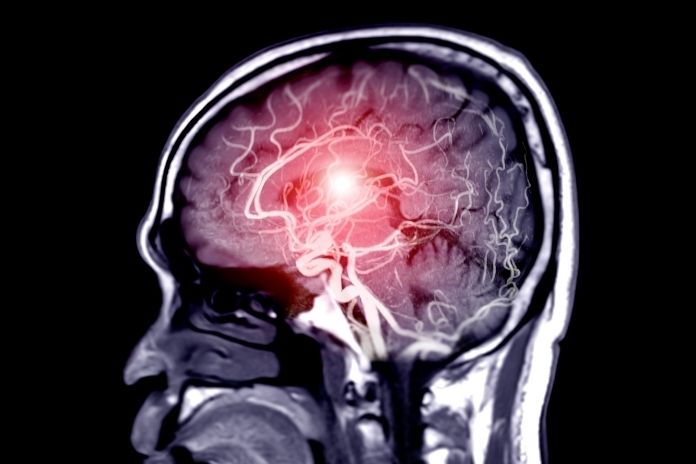
A secondary exertion headache can produce the same throbbing headache, but is caused by an underlying condition, such as:
- Brain aneurysm or small bleeding
- Arteriovenous malformation (AVM)
- Brain tumor or structural abnormality
- Vascular inflammation or instability
This is much less frequent but can be risky. These headaches are usually accompanied by other warning signs such as nausea, blurred vision, stiff neck, or confusion. These headaches need immediate medical attention.
Read More: Headache Hacks: 6 Simple Breathing Exercises to Soothe Your Mind and Relieve Pain
What Triggers Exertion Headaches?
You might ask yourself: why on earth would something that’s meant to leave you feeling good, the exercise, cause headaches instead? The answer has to do with the way the body manages blood supply, pressure, and oxygen requirement during intense effort.
1. Sudden Increase in Blood Flow:
During vigorous exercise, your blood pressure and heart rate increase to supply oxygenated blood to the brain and muscles. Within the skull, blood vessels dilate to provide space for this burst. This phenomenon is known as vasodilation.
Such dilation stretches painful areas in the sensitive tissues surrounding the outer lining of the brain, causing a throbbing, pressure pain. It’s like the pounding you experience after running up a hill or completing a difficult HIIT circuit.
2. The Valsalva Maneuver:
If you weight train, you’ve likely performed the Valsalva maneuver without even knowing it. It is breathing out and trying hard to move a heavy weight. Although this maneuver stabilizes your core, it also increases internal chest and head pressure, which briefly decreases blood return to the heart.
That short burst increases intracranial pressure, and for some, that is sufficient to trigger a stinging, piercing pain at the back of the eyes or near the base of the skull. That is the reason weightlifting headaches are reported as one of the most common types of exertion headaches.
3. Non-Exercise Related Events:
It’s not only exercise. Sneezing, coughing, or straining during a bowel movement can produce the same fleeting increase in intracranial pressure, as per Johns Hopkins Medicine. These “cough headaches” have the same mechanism, demonstrating that the underlying cause is less about activity and more about pressure regulation.
4. Environmental and Physiological Factors:
You may want to avoid exertion headaches, but they can be unavoidable at times. That’s because certain medical conditions leave you susceptible:
- Hot or Humid Weather: Heat dilates blood vessels, amplifying the pressure changes
- High Altitude: Dilatation of vessels occurs due to low oxygen levels, increasing vascular stress to compensate.
- Dehydration: Contracts blood plasma, making the blood thicker and more viscous.
- Low Blood Sugar: Skipping meals before exercise can exacerbate pressure-related pain by depleting energy stores.
- Sudden Intensity Increases: Transition from inactive to high-intensity without conditioning overloads vascular control (Henry Ford Health).
In short, if your body isn’t ready, even minor exertion can be a trigger for headaches.
Symptoms to Watch For — When It May Be More Dangerous
Signs of a Primary Exertion Headache
- You experience throbbing, pulsating pain with or after exertion
- The headache typically occurs on both sides of the head
- It may last from a few minutes to a couple of days
- You may have mild nausea or develop sensitivity to light
- The headache gets better with rest or over-the-counter pain medication
These are unpleasant but not alarming, particularly if they occur regularly during workouts.
Red Flags That Warn of Something More Serious
Exertion headaches are common; however, get immediate medical help if you experience:
- A sudden and severe “thunderclap” headache
- Vomiting, stiff neck, or fever
- Blurred or double vision
- Weakness, dizziness, or loss of coordination
- Fainting or confusion
If your headache pattern keeps changing, or if it’s your first-ever exertion headache, then visit a neurologist. Imaging (MRI, CTA, or MRA) aids in detecting/ruling out aneurysms, bleeding, or structural problems.
Read More: Tackle Tension Headaches: 5 Tension-Relief Devices for Stress-Free Living
How to Prevent & Manage Exertion Headaches

As mentioned earlier, exertion headaches are common and preventable to a certain extent. The ideal treatment is prevention. It is learning your body’s limits and modifying your routine in that manner:
Before & During Activity
- Warm Up Gradually: A quick increase in heart rate will surprise your circulatory system. Warm up for a minimum of 10 minutes to allow blood vessels to adapt slowly.
- Hydrate Before, During, and After Exercise: Water controls blood viscosity and temperature. During long or hot workouts, add electrolytes to restore sodium and potassium.
- Fuel Smartly: Low blood sugar amplifies physical stress. A light pre-workout snack such as fruit, oats, or yogurt. These foods help stabilize glucose and energy.
- Build Intensity Progressively: Follow the 10–15% rule: increase weights, duration, or speed gradually week by week.
- Breathe – Don’t Hold It: Breathing Avoid the instinct to hold your breath during exertion. Exhale on effort, inhale on release. This stabilizes oxygen levels and prevents head pressure spikes.
- Mind the Environment: If it’s very hot, humid, or high altitude, reduce intensity. Overheating and hypoxia are the top headache causes.
If You Get a Headache
Here are the best ways to deal with a headache immediately:
- Stop right away and relocate to a shaded, cooler place.
- Hydrate and do slow, deep breathing to stabilize blood pressure.
- Use OTC NSAIDs such as ibuprofen or naproxen only sparingly, if safe for you.
- For chronic headaches, physicians can prescribe indomethacin or beta-blockers as preventive treatment.
- Maintaining a headache diary tracking exercise type, length, weather, hydration, and sleep patterns may identify what’s actually triggering it.
Long-Term Strategies
- Improve cardiovascular conditioning to make blood vessels more robust.
- Prioritize recovery and sleep. Constant stress and fatigue enhance pain sensitivity and vascular instability.
- Regular medical follow-ups. Recurring or worsening exertion headaches need imaging to eliminate vascular or other disease.
Read More: Causes and Treatment for Headache at the Base of the Skull
How Are Exertion Headaches Diagnosed

Physicians begin with a comprehensive history. They understand when headaches develop, how severe they are, what initiates them, and if neurological symptoms occur.
A neurological examination tests vision, reflexes, and coordination. MRI or MRA scans are used to eliminate secondary causes like bleeding or aneurysm if red flags are present.
When imaging is clear and symptoms align with benign patterns, the diagnosis is primary exertion headache. This reassurance often helps patients return to activity confidently, knowing it’s manageable with preventive steps.
Key Takeaway
Exertion headaches are often harmless but shouldn’t be ignored. They’re a message from your body that pressure, breathing, hydration, or intensity needs balancing.
Preventive care, right from slow warm-ups and fluid intake to normal breathing, is your best protection. And if the headache occurs suddenly, severely, or “differently,” heed your instincts and have it checked out.
Your body is designed for exercise, but heeding its warning signals will make each workout build you up safely, not painfully.
Your training should push your muscles, not your brain’s pain centers. By maintaining hydration, breathing, and pacing, you can prevent exertion headaches and make your training safe and worthwhile.
FAQs
1. Can heavy weightlifting cause an exertion headache?
Yes. Straining or holding your breath during heavy lifting may cause pressure spikes within your head, and this is often referred to as a weightlifting headache.
2. How long do exertion headaches last?
The majority will disappear within minutes to 48 hours. If symptoms persist or worsen, consult a physician to rule out secondary causes.
3. Do I need to stop exercising if I develop these headaches?
Yes, briefly. Rest, hydrate, and allow symptoms to pass. After medical clearance, return with progressive intensity increases.
4. Are exertion headaches similar to migraines?
No. Migraines are commonly accompanied by light sensitivity, nausea, or an aura. Exertion headaches only occur with physical exertion and do not present with sensory disturbances.
5. When should I see a neurologist?
If it’s your first time, if the headache is sudden or severe, or if it’s with vision difficulty, weakness, or confusion. Never dismiss a “worst-ever” headache.
References
- https://pmc.ncbi.nlm.nih.gov/articles/PMC7160088/
- https://www.onepeloton.com/blog/headache-after-workout
- https://pmc.ncbi.nlm.nih.gov/articles/PMC7160088/
- https://www.metroparks.net/blog/an-introduction-to-rucking/
- https://www.self.com/story/exercise-headache
- https://americanmigrainefoundation.org/resource-library/primary-exercise-headache/
- https://www.hopkinsmedicine.org/health/conditions-and-diseases/headache/increased-intracranial-pressure-icp-headache
In this Article