















A growing number of families are dealing with the distressing conditions of dementia. The statistics are startling: experts estimate that 5.8 million Americans have dementia.
Of these dementia patients, around 5.6 million are over 65.
The fact that people with dementia frequently lack the mental capacity to understand or are not aware that they have a disease or condition is one of the most challenging aspects of dementia and dementia care. The cognitive decline associated with all kinds of dementia can signal to patients that there is no type issue, which can contribute to restlessness and anxiety, making care more challenging to deliver.
This article will address this situation and also provide information about the care of someone who does not realize that they are having dementia.
Read More: 9 Midlife Health Conditions That Can Raise Your Dementia Risk
Can Someone With Dementia Be Aware of Their Condition?
It is possible that many people living with dementia are not aware of their illness. Some patients, especially in the early stages of disease, will voice such concerns as “I don’t feel like myself” or “I am always forgetting things” when they are aware of changes in their memory or in their thought processes. Although they may not have received a formal diagnosis, such remarks show that they are conscious that something is wrong.
Most people with dementia eventually lose awareness of their condition or may never fully understand what is happening to them. This happens because the disease affects parts of the brain involved in thinking and self-awareness, making it hard for them to notice their own changes in behavior.
The clinical term for such a disposition is “anosognosia,” or a lack of knowledge regarding one’s illness. It is important to stress that this does not arise from stubbornness or denial. The person truly is unable to detect their disability because it is a neurological ailment. Families can react more empathetically and patiently rather than angrily when they are aware of this difference.
In short, some people with early-stage dementia still understand that something is wrong, while others are completely unaware of their condition as it worsens. This isn’t because they choose not to know, but because the disease affects the parts of the brain that allow for self-awareness.
More than 10 million people globally are diagnosed with dementia every year. But dementia has several underlying causes that result in various symptoms that progress differently.
An accurate dementia diagnosis is crucial, said Golnaz Yadollahikhales, MD, a neurologist at Cedars-Sinai. A specific diagnosis guides doctors in how to manage the condition and can help patients and families know what to expect.
Early Stage: Awareness Is Often Intact
Everybody is affected by dementia differently, and the initial symptoms are frequently subtle and challenging to identify.
In the early stages of dementia, many people maintain a very high degree of independence and require little help with everyday tasks. Instead of taking over and doing things for them, it’s critical to concentrate on what they can do. Try doing activities with them instead, such as teaching them how to use technology, creating a routine, and providing reminders and prompts.
Many people who are in the early stages of dementia decide to plan for the future while they are still able to do so (i.e., have the “mental capacity”). To ensure they express their desires and preferences, individuals must create a Lasting Power of Attorney (LPA) and make prior decisions and declarations. Some even take the step of consulting a doctor because they feel “something isn’t right.”
Read More: 9 Essential Tips for a Dementia-Friendly Environment
Middle Stage: Awareness Declines Gradually
During the middle stage of dementia, symptoms become more obvious, and individuals require greater assistance with daily functioning. The individual may now require regular reminders and help with daily tasks such as dressing and washing (e.g., having their clothes laid out for them).
The person’s initial modest issues become more severe in the middle stage and begin to interfere with their capacity to live independently.
Some people living with dementia may benefit from having a paid caregiver either in the home or in an assisted living or extra-care home that provides dementia support.
Late Stage: Complete Loss of Awareness
Dementia symptoms are very severe in the last stages of the illness. People eventually lose the ability to control their movement, respond to their surroundings, and carry on a conversation. It becomes very challenging for them to express their pain, even if they may still use words or phrases. People may have significant personality changes and require intensive care as their memory and cognitive abilities continue to deteriorate.
At this point, people could:
- Need help with daily personal care all day and all night.
- Lose consciousness of their surroundings and recent events.
- Physical capacities such as walking, sitting, and eventually swallowing will change.
- Have trouble speaking.
- Make yourself more susceptible to illnesses, particularly pneumonia.
Even while a person with Alzheimer’s may not be able to engage as much in the latter stages, they can still benefit from interaction in suitable ways, such as when they are reassured by gentle touch or listen to calming music. Support services like hospice care, which concentrate on ensuring comfort and dignity at the end of life, may be something caregivers choose to use during this phase.
Factors That Affect Awareness in Dementia

Whether or not a person living with dementia understands their illness depends on several factors:
Type of Dementia: A progressive loss of consciousness is possible in Alzheimer’s disease and usually begins with memory difficulties. Patients with frontotemporal dementia are often limited in their cognition initially, as this stage typically involves changes in behavior and personality.
Stages of Dementia: In the earlier stages of dementia, awareness is usually greater. A person may lose the ability to recognize the symptoms of their illness, their environment, or the people closest to them as the condition progresses.
Personality: Some people deny or avoid difficult topics as a way of protecting themselves. They might not admit that anything is wrong, but when they feel safe and supported, they often become more willing to talk about the changes they notice.
Family Environment: It is easier for people to talk about their difficulties if they are with understanding and supportive family members. On the other hand, rejection or criticism may cause them to withdraw into denial or silence about their condition.
Mental Health: People who struggle with anxiety or depression may notice their memory problems more easily because they’re already sensitive to what’s going wrong. Others may become emotionally detached and fail to notice what’s happening around them.
Read More: Connected Brain Networks Can Spread Dementia, New Study Suggests
How Families Can Respond with Compassion
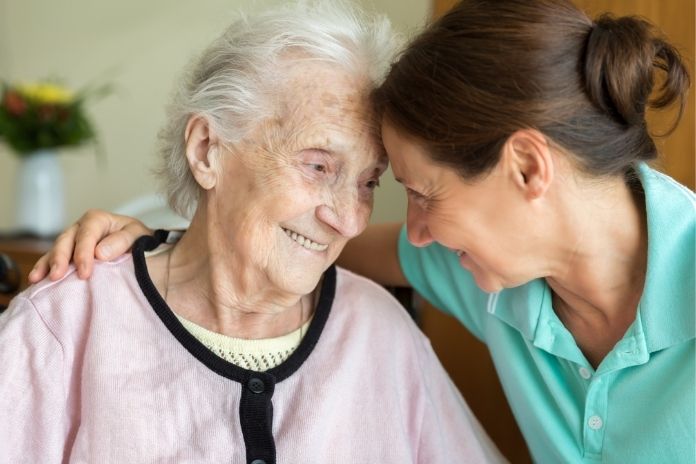
Being a caretaker for someone with dementia requires more than just patience: it requires much understanding and compassion. When a person is decreasing in consciousness, the family’s communications and responses can have considerable consequences on their mental health.
Don’t argue or confront: Trying to convince a loved one that they are ill or that they have a failing memory usually only brings agitation and anxiety. They may struggle to think independently or correct themselves. Instead, focus on keeping them comfortable and at ease, rather than striving for the facts.
Social Activities: Encouraging social contact with loved ones, friends, or groups of supporters prevents feelings of loneliness and fosters a sense of community. Encouraging individuals with dementia to participate in suitable and valuable activities, such as art classes, musical therapy, or memory exercises, can raise their spirits and bring back pleasing memories.
Make Visual Reminders: Allocate time to create the necessary visual reminders for daily work. You could help him by creating a to-do list or setting up a calendar to schedule appointments with others. For daily routines like taking medication, planned reminders are also crucial.
Encourage a Comfortable Environment: A simple and consistent routine helps create a feeling of safety. To ease agitation and confusion, keep the surroundings calm, limit sudden changes, and surround the person with familiar sounds, sights, and scents.
Be Strong and Patient: Lastly, bear in mind that the disease of dementia is progressive, and that your loved one’s accomplishments and actions may vary to any extent as time passes. As necessary, adjust your strategy to focus more on creating happy moments than striving for flawless days.
Conclusion
We can compare awareness to a candle. At first, it burns brightly, but as dementia advances, it burns out, until a glimmer of light follows some emotions and shared experiences. Families are often concerned about whether their loved one “knows,” but the questions and the answers are much deeper and more complex.
Time, type, and the insignificant changes in the brain itself will determine this awareness. The one thing that never changes is this person’s need to feel loved, protected, and understood. Families fill the gap left by memory when they substitute compassion for correction and assurance for dispute. Touch, tone, and presence will then take the place of the language in which words are found inadequate.
Read More: Illiterate people are at higher risks of developing dementia, new study reveals
FAQs
Do people with dementia realize that something is wrong?
Indeed, a large number of individuals with early- to middle-stage dementia are aware that something is wrong and frequently feel confused or frustrated by memory loss and other cognitive challenges.
What is anosognosia, and how is it different from denial?
While denial is a psychological defense mechanism in which a person consciously or unconsciously rejects a harsh reality, anosognosia is a neurological disease in which a person is truly oblivious of their impairment.
Can awareness come and go in dementia?
No, although dementia can advance in different ways, it usually does not come and go. While memory loss and other fundamental cognitive symptoms often worsen over time, stress or routine changes can cause some behaviors to shift or even temporarily improve.
Do all types of dementia affect self-awareness the same way?
No, depending on which area of the brain is affected, different forms of dementia have varying effects on self-awareness.
References
- https://optoceutics.com/what-do-dementia-patients-think-about-memories-emotions/
- https://www.alzheimers.org.uk/about-dementia/stages-and-symptoms/how-dementia-changes-perception
- https://www.lbda.org/understanding-behavioral-changes-in-dementia/
- https://www.medicalnewstoday.com/articles/do-people-with-dementia-know-they-have-it#summary
- https://livewell.care/do-people-with-dementia-know-they-are-forgetting-things/
- https://www.alzheimers.org.uk/about-dementia/stages-and-symptoms/early-stages-dementia
- https://www.dementiauk.org/information-and-support/about-dementia/stages-of-dementia/middle-stage-dementia/
- https://www.alzheimers.org.uk/about-dementia/stages-and-symptoms/middle-stage-dementia
- https://www.alz.org/alzheimers-dementia/stages
- https://www.alzheimersla.org/for-families/caring-for-a-person-with-memory-loss/late-stage-information/
- https://www.dementiauk.org/information-and-support/about-dementia/stages-of-dementia/late-stage-dementia/
- https://www.alz.org/help-support/caregiving/care-options/hospice-care
- https://www.alzint.org/about/dementia-facts-figures/dementia-statistics/
- https://www.alzheimers.gov/life-with-dementia/tips-caregivers
- https://www.sagehomecare.com/dementia-care-communicating-with-compassion
- https://agingadvocatescny.com/dementia-care-tips-for-families-and-caretakers/
- https://www.endeavorhealth.org/articles/dementia-or-signs-of-aging
- https://www.cedars-sinai.org/provider/golnaz-yadollahikhales-3979514.html
In this Article