


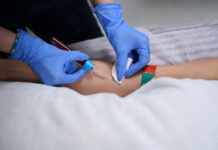











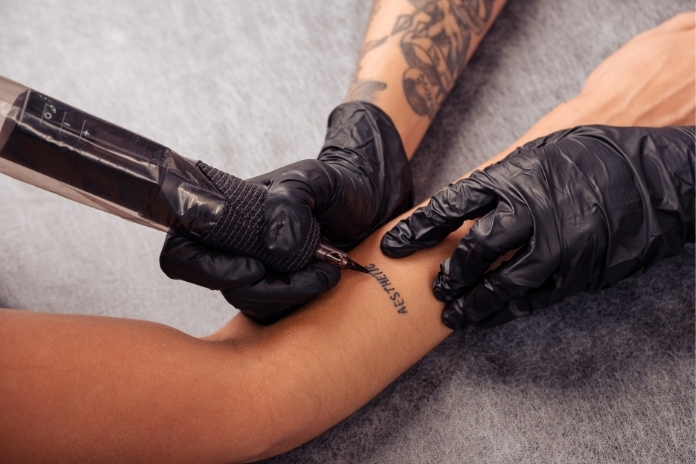
Many of us love to get inked. Tattoos have become extremely popular, and most people use it to create an everlasting memory. Different types of tattoos are popular, they can be as simple as the name of a loved one or partner, a tribute to a pet, a creative design, or something entirely unique.
Now, a large percentage of adults in the U.S. have at least one tattoo, and it is becoming a popular way of self-expression. However, as tattoos become increasingly popular, there are a few concerns that are raised. These majorly revolve around the risk of cancer. Many wonder whether injecting pigments into the skin increases the risk of skin or systemic cancers.
It’s important to understand the causes and the link between tattoos and cancer. Although there are studies and case reports that signal a possible relation between tattoos and specific types of cancer, the available evidence as a whole is limited and inconclusive.
In this article, we will understand the chemistry of tattoo ink, the available current scientific evidence on risks for skin and lymphoma, and also share some real-world advice on reducing potential risks. Read on!
Read More: Things to Remember Before You Get Inner Lip Tattoos
Tattoo Ink Chemistry and How the Body Processes It
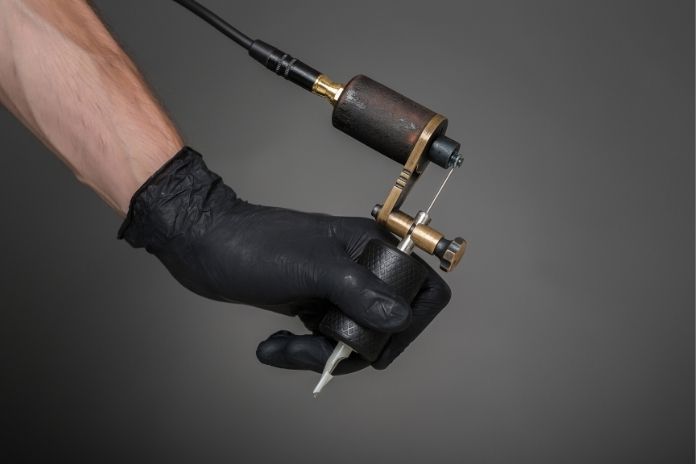
While some feel that a tattoo is just a little pain, we forget one important factor. And that’s the ink. Ink used in tattooing is more complicated than it may seem. It typically contains pigments, carriers, additives, and trace impurities in some cases. Pigments give the color, while carriers help the pigment in dispersing evenly, and additives stabilize the mixture. Even with safety regulations in some areas, studies have found heavy metals like lead, chromium, and nickel in many of the inks, sometimes much greater than the recommended levels.
Lab studies have also determined that some azo dyes, particularly when exposed to UV light or when they are lasered out, will degrade into aromatic amines, which are potentially mutagenic. Furthermore, pigment particles can travel to local lymph nodes and be stored in the skin for decades, meaning that the ink is not completely stable once inside the body.
According to Christel Nielsen, an epidemiology researcher at Lund University, getting tattooed activates an immune response. This is due to the ink being deposited in the lymph nodes. “We already know that when the tattoo ink is injected into the skin, the body interprets this as something foreign that should not be there, and the immune system is activated. A large part of the ink is transported away from the skin to the lymph nodes, where it is deposited.”
While chemical composition alone does not prove that tattoos cause cancer, environmental factors like UV exposure and repeated laser treatments may transform pigments into more reactive compounds, underlining the importance of caution.
Evidence for Skin Cancer in Tattooed Skin
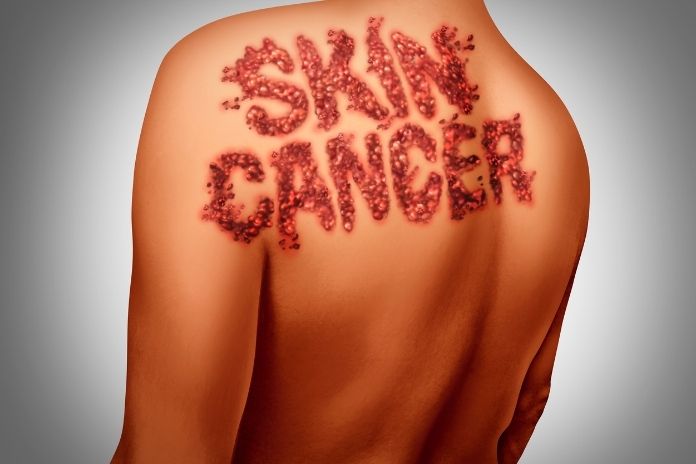
Several case reports have documented instances of skin cancer appearing in tattooed areas. Around 160 known cases of cancer include melanoma, basal cell carcinoma, squamous cell carcinoma, and keratoacanthoma.
Surprisingly, most of these cancers had occurred in areas with red pigments or sun-exposed areas. This suggests that there is a connection between pigment type and environmental exposure.
Yet dermatologists caution against the over-interpretation of these results. Case results are limited by small numbers and a lack of control groups. Population-based studies have a wider view. Thus, for example, a study noted no increased risk of cutaneous squamous cell carcinoma in tattooed persons, suggesting tattoos in themselves will not be a significant risk factor for skin cancer.
The main point is that although the risk of isolated skin cancer in tattoos has been reported, there is no direct link proven. Most evidence suggests that external or prior factors increase the risk.
Read More: 5 Early Signs of Skin Cancer
Evidence for Lymphoma or Systemic Cancers
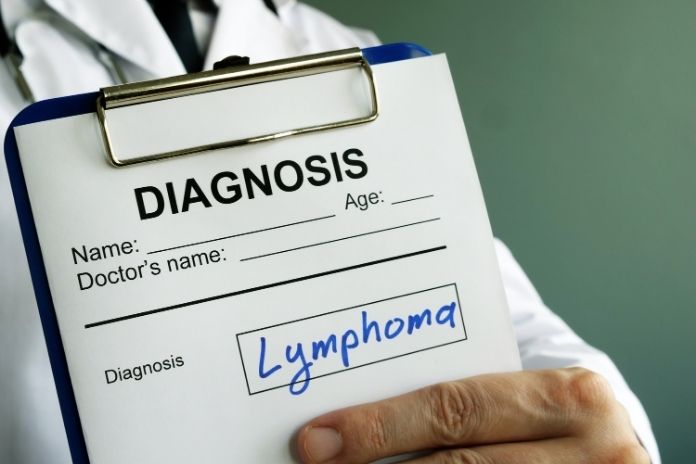
A few studies have investigated the link betwee tattoos and systemic cancers, most importantly, lymphomas. A Swedish cohort study found a 21% increased risk of malignant lymphoma among tattooed subjects versus non-tattooed people.
Twin and co-twin studies have suggested a possible increased risk of certain skin and hematopoietic cancers among tattooed individuals, though the confidence intervals are wide and the associations remain weak.
A case–control study on hematologic cancers identified that subjects under age 60 who had tattoos that were more than a decade old had an increased risk of developing uncommon B-cell non-Hodgkin lymphomas. However, experts point out that the findings are preliminary and do not link to causation.
Other factors, such as sun exposure, smoking histories, and chemicals at work, might partly impact the trends that we are observing. Therefore, until more research is done, there is no solid evidence that tattoos have a direct link to systemic cancers.
What the Evidence Doesn’t Show (Yet)
Even with ongoing research, there are some gaps in the findings. These include:
- No prospective cohort trials that strongly associate tattoos with cancer.
No consistent dose–response relationship has been demonstrated, indicating that having more tattoos does not necessarily increase risk.
- No single ink component has been absolutely linked to human cancers.
- Other factors, such as genetics, UV radiation exposure, and lifestyle, are still largely uncontrolled and might be responsible for the results of studies conducted to date.
This emphasizes the need for informed decision-making and surveillance for unusual changes in tattooed skin.
Risk Factors and Conditions That May Increase Cancer Risk

Although most tattoos are low-risk, some factors might increase potential concerns:
- Red, yellow, or highly colored inks are the pigments that are more likely to be linked with inflammatory responses.
- Full-body or large tattoos with higher pigment load will result in higher chemical exposure and greater risk.
- Constant UV exposure, such as solar exposure, can break down pigments and form reactive substances.
- Removing a tattoo by laser results in pigment fragmentation and releases potentially toxic compounds.
- Prior skin lesions or a history of skin cancer are other factors. Tattoos placed on or around scars or moles may make it difficult to monitor them.Jennifer Tang, a dermatologist and Cutaneous Malignancies Group co-leader at Sylvester Comprehensive Cancer Center, shares that there is not enough evidence of the link between cancer and tattoos, but she worries just about one thing. “We know that tattoos can camouflage the appearance of moles and make the examination of them more difficult, meaning we’re not able to assess the borders and colors as easily during your skin exam,” Dr. Tang said, adding, “So, that alone makes it more challenging and at higher risk of, you know, missing a skin cancer.”
- Immune suppression or chronic inflammation can lead to an increased cancer risk. Weak immune defense can also increase the same.
Knowing these risk factors can help us make informed choices regarding the position/place of the tattoo, and also the size and color.
How to Reduce Risk When Getting a Tattoo

If you really wish to get inked, here are a few safety-conscious procedures that greatly reduce potential risks:
- Always select licensed, reputable tattoo shops that adhere to strict standards of hygiene. This is the first step to prevent further complications, and not just cancer.
- Ask about pigment safety data sheets and inquire about the composition of the ink before getting the tattoo. Prefer black ink, as mentioned above, and select a small area for getting inked.
- Try to use black or neutral inks, which are less likely to contain harmful compounds.
- After getting the tattoo, protect it from the sun with a broad-spectrum SPF. This is one of the easiest yet effective things to do.
- Check tattoos frequently for color changes, texture, or edges. In case you find any change, do not hesitate to consult an expert right away.
- Try to avoid excessively large tattoos or repeated enlargement, which adds pigment load.
Caution: If you observe odd changes in a tattoo, like color, new bumps, or asymmetrical borders, you must see a dermatologist right away. Early detection still holds the key to skin health.
Read More: Sun Safety Tips: Protecting Skin Health to Prevent Cancer
Key Takeaway
The issue “Can tattoos cause cancer?” still has no answer. The current evidence shows:
Certain types of skin cancers have been noted in tattooed regions, usually due to excessive UV exposure or certain pigments. However, links to lymphoma or general cancers are weak and do not give us any conclusion.
Uncontrolled inks are mostly dangerous, and so are unhygienic practices while getting tattooed. For most people, tattoos are relatively low-risk if they got them while following safety precautions. A periodic follow-up ensures early detection of any problem.
So the next time the thought of getting inked crosses your mind, read our article and follow the simple tips to stay protected!
FAQs
- Are some tattoo ink colors more hazardous than others?
Red and yellow pigments carry a greater risk of local inflammation, although the risks of cancer are unclear.
- Does a high number of tattoos raise cancer risk?
Evidence does not exist to support an increased cancer risk with more tattoos.
- Does tattoo removal (laser) increase cancer risk?
Laser removal may cause pigment fragments to be released, but there is little evidence for substantial cancer risk.
- How frequently should one inspect a tattoo for cancer?
It is recommended to get the tattoo inspected every few months for changes in color, texture, or borders.
- Should people with cancer risk factors refrain from tattoos altogether?
Those with a history of skin cancer or immune suppression should consult a healthcare professional before tattooing.
References
- https://www.cbsnews.com/miami/news/experts-warn-tattoos-can-make-skin-cancer-harder-to-detect/
- https://www.thelancet.com/journals/eclinm/article/PIIS2589-5370(24)00228-1/
- https://pmc.ncbi.nlm.nih.gov/articles/PMC11736920/
- https://www.thesun.co.uk/health/28153139/tattoos-higher-risk-of-lymphoma-blood-even-if-tiny/
In this Article