











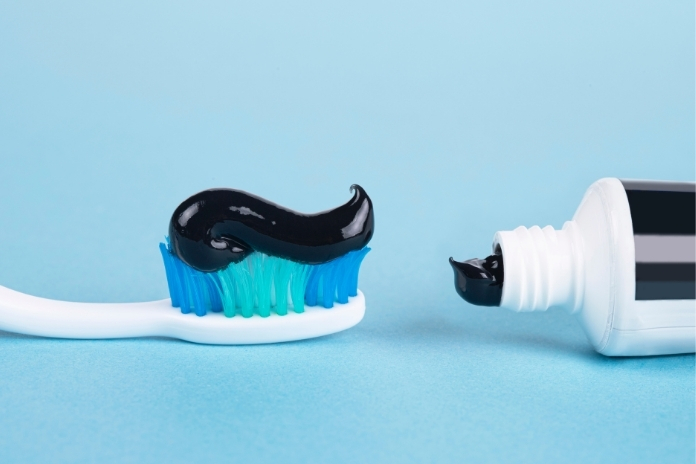
Every time I watch my favorite sitcom on television, there is at least one advertisement on charcoal toothpaste. Whenever I walk into any pharmacy or scroll through online beauty aisles, I’ll see sleek black toothpaste tubes promising a bright and beautiful smile.
Charcoal toothpaste has become extremely popular over the past decade, largely because of social media buzz and the appeal of “natural” wellness products. The promise of charcoal toothpaste tempts us all. It says whiter teeth, fresher breath, and a detoxifying cleanse, all without chemicals.
With all the marketing glitz, dentists are worried. They note that charcoal toothpaste is often without fluoride, can be too abrasive for enamel, and hasn’t been tested nearly as extensively as traditional fluoride toothpastes. Indeed, no charcoal toothpaste has ever received the American Dental Association’s Seal of Acceptance. This serves as a warning sign for experts.
So, is the charcoal toothpaste a shortcut to a brighter smile or a fad that could damage your teeth in the long term? Let’s unpack the hype, the science, and the risks, so you can make an informed choice.
Read More: Are You Overbrushing? Signs You Might Be Damaging Your Teeth
What Is Charcoal Toothpaste?
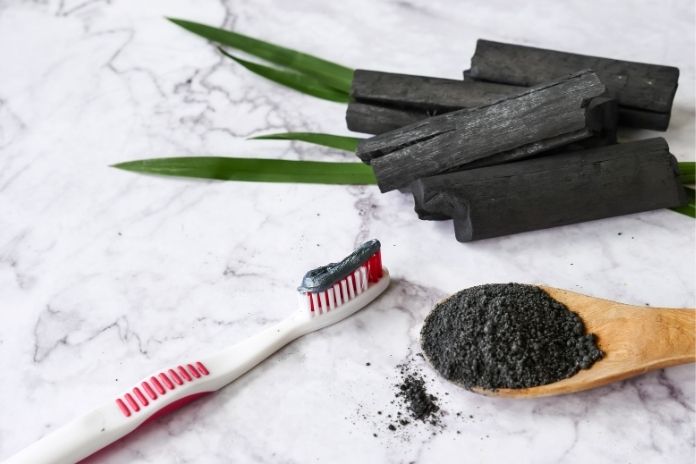
Activated charcoal is not the same as charcoal you throw on a grill. It’s a highly processed form of carbon, heated to very high temperatures, making it very porous. All those little pores provide it with the capacity to trap stuff like toxins, pigments, and gases. That’s why activated charcoal is sometimes found in water filters or emergency rooms for treating poisoning.
Why is activated charcoal used in toothpaste? In toothpaste, the logic is as follows: if charcoal is good at absorbing toxins and chemicals, perhaps it can be good at holding molecules that cause stains on teeth, too. Its gritty nature might remove discoloration by polishing, too. For individuals with an instant gratification mentality, this “double action”. This includes absorption and abrasion, which sounds perfect.
How does it differ from regular toothpaste? The thing is that most charcoal toothpastes lack something critical: fluoride. Fluoride strengthens enamel and prevents cavities. Without it, teeth are at a greater risk of decay. Old-fashioned toothpastes strike a balance between stain removal and enamel protection, whereas charcoal items tend to target scrubbing strength and “detox claims”.
What Are the Claimed Benefits of Charcoal Toothpaste?
Brands are fond of emphasizing charcoal toothpaste as the only solution for regular oral issues. Its most selling features are:
- Whitening Action: Charcoal is promoted as an option to brush away stains caused by coffee, tea, red wine, or tobacco. Social media videos usually present comparisons before-and-after photographs, which makes it popular.
- Detox and Antibacterial Claims: Certain brands claim charcoal can soak up bacteria, toxins, or even heavy metals, leading to a “cleaner” mouth. This “detox” terminology is particularly trendy among natural wellness enthusiasts.
- Freshening Breath: By neutralizing odor-causing molecules, charcoal toothpaste supposedly leaves the mouth feeling fresher.
- “Natural” Alternative: For those wary of chemicals or artificial whiteners, charcoal seems like a safer, more natural option.
The truth: although these assertions sound plausible, they are mostly marketing-oriented and not necessarily supported by science.
Read More: How to Make Homemade Toothpaste
What Does Science Say?
Here’s where science offers a clearer picture:
Charcoal toothpaste may remove surface stains (extrinsic stains), making teeth appear brighter for a temporary period. However, it cannot alter the inherent enamel color as professional whitening chemicals (such as hydrogen peroxide) are capable of. In short, polishing, not actual whitening.
As for the safety of the enamel, research has yielded variable results:
A 2024 study concluded that charcoal toothpaste, especially after more brushing cycles, was associated with increased enamel roughness, indicating a greater risk of increased wear, rather than less.
Certain laboratory tests reported micro-scratches and surface change in enamel compared to regular pastes.
These changes may be due to the specific formulation, abrasivity, and use frequency.
The ADA has warned that many charcoal products either skip fluoride entirely or risk binding fluoride ions, reducing its protective effect. Without fluoride, daily use may actually increase your risk of cavities.
Dentist and ADA thoughts:
- The American Dental Association has not approved any charcoal toothpaste.
- Dentists caution that claims about “detox” or antimicrobial effects are unsupported.
- Experts say that without long-term, real-life research, it’s not safe to use charcoal toothpaste as your main oral product.
In short, science can’t verify most of the grand claims. The best result is that you might get a bit of stain removal. And in the worst case, you could risk enamel loss and cavities.
Read More: Fluoride vs. Hydroxyapatite – Which Toothpaste Is Better?
Dangers and Side Effects of Charcoal Toothpaste
Charcoal toothpaste is not entirely harmless, and the dangers add up if it is your daily choice.
- Enamel Erosion: The gritty texture of charcoal particles over time can wear away enamel. Enamel does not grow back like skin or nails. It’s lost forever once it’s lost.
- Teeth Sensitivity: Enamel loss leaves the dentin layer beneath exposed, which is denser and filled with nerve endings. This makes teeth sensitive to hot, cold, or sweet foods.
- Gum Irritation: Charcoal particles may get trapped near the gumline and cause irritation to soft tissues or worsen inflammation in individuals with gum disease.
- Hiding Dental Problems: Since charcoal is dark-colored, it can camouflage cavity signs, cracks, or decay, only to lead to diagnosis when the issue has become more severe.
- Fluoride Loss of Protection: Most charcoal products lack fluoride, so your teeth no longer have their primary protective factor against cavities.
The vast majority of studies are short-term, laboratory-based. We are still unaware of the effects of long-term use of charcoal toothpaste.
Safer Alternatives for Teeth Whitening
If a whiter smile is what you’re after, try these dentist-recommended options that won’t harm your enamel:
- Whitening toothpaste that includes fluoride. Most feature mild abrasives and tiny quantities of peroxide to gently remove stains.
- Professional whitening treatments, such as bleaching in the office, provide significant controlled changes under a dentist’s care.
- At-home whitening strips/gels are a great option, too. Home kits recommended by a dentist utilize safe levels of whitening chemicals and are meant to prevent sensitivity.
- Good oral health practices save you from all the trouble. Brushing twice a day with fluoride toothpaste, flossing, reducing stain-producing beverages, and routine dental cleaning do their part.
Should You Use Charcoal Toothpaste?
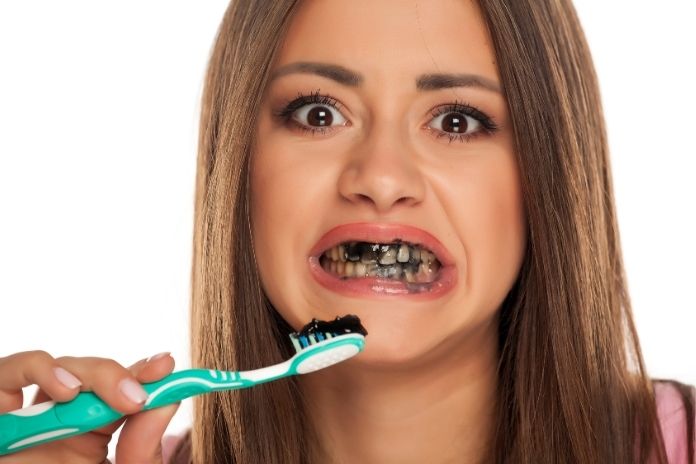
Here’s a simple way to think about it:
Fine for the occasional use. If you have robust enamel, no sensitivity, and you want to whiten surface stains now and then, charcoal toothpaste may be okay occasionally.
Not for everyday or extended use. If you count on it as your primary toothpaste, you’ll risk enamel loss and cavities.
Avoid it altogether if:
- You have sensitive teeth or enamel thinning
- Kids in the house might use it (children need fluoride for developing teeth)
- You have crowns, veneers, or fillings near gumlines (charcoal can get lodged in the margins)
Most dentists recommend avoiding charcoal toothpaste as your daily paste. If you’re curious, use it sparingly and balance it with a fluoride product.
“The evidence highlighting any potential benefits of charcoal toothpaste over regular toothpaste is severely lacking,” said Dr. Joseph Greenwall-Cohen from the University of Manchester Dental School, UK.
The Bottom Line
Charcoal toothpaste is hip, au-naturel, and great for dramatic Instagram reels, but not necessarily safe or effective. At best, it removes minor surface stains. At worst, it wears away enamel, makes your teeth more sensitive, and leaves them defenseless against decay by omitting fluoride.
The dangers outweigh the as-yet-unproven advantages. If whiter, healthier teeth are what you desire, your safest course of action is to continue with fluoride toothpaste and whitening treatments sanctioned by dentists.
Your enamel is valuable, don’t ruin it for a trend. Speak to your dentist and follow their advice!
In this Article