










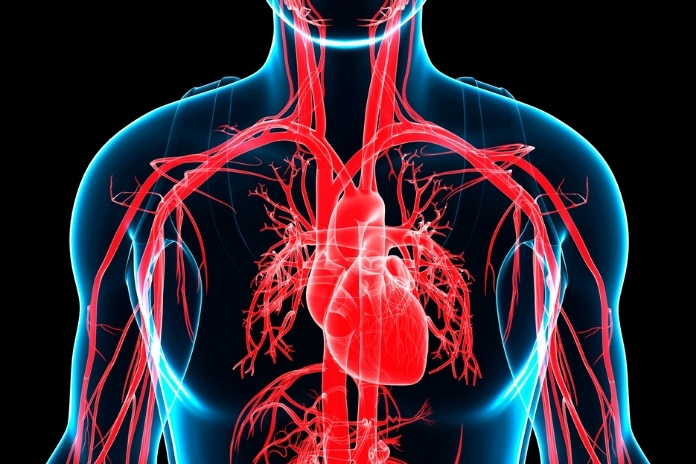
Arteries are the lifelines of your body. They supply oxygenated blood from the heart to all organs and tissues, powering energy, growth, and repair. However, just like any network of highways, arteries tend to weaken, harden, or become blocked over time if they are not well-maintained. When that occurs, the danger of a heart attack, stroke, and long-term cardiovascular disease increases substantially.
The good news? Doctors say that you have more control over your artery health than you might think. Natural lifestyle changes, such as what you eat, how you move, and how you manage daily stress, can help keep arteries flexible and resilient well into your old age. Unlike quick-fix treatments, these habits strengthen arteries from the inside out, protecting your heart for the long run.
This article highlights doctor-recommended ways to naturally strengthen arteries, detailing why vascular wellness is important and how you can take easy steps every day to promote improved circulation and minimize disease risk.
Why Artery Health Is Important
Arteries are not simple pipes. They are muscular vessels that expand and contract with each heartbeat to efficiently deliver blood throughout the body. When healthy, the arteries stretch and enable smooth blood flow and consistent blood pressure.
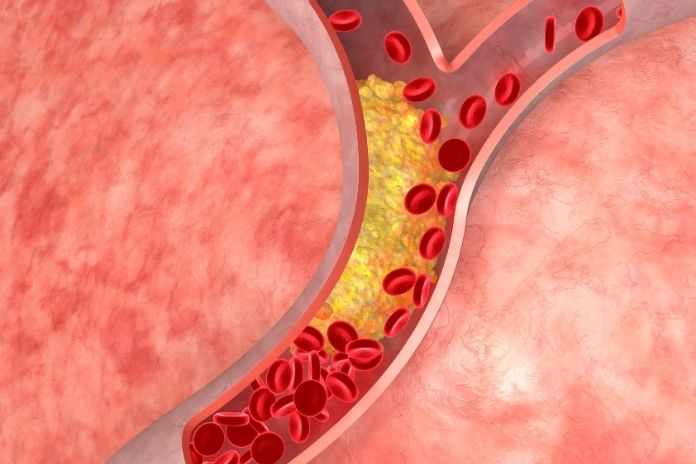
If arteries harden or accumulate fatty deposits (atherosclerosis), blood flow becomes restricted. The heart must work harder, increasing blood pressure and further harming vessel walls. As the process repeats over time, it leads to potentially deadly disorders:
- Atherosclerosis, a condition where cholesterol deposits and hardening clog arteries and limit blood flow.
- High blood pressure is caused or worsened by hardened arteries that do not stretch easily.
- A stroke and heart attack risk increase when clots develop or plaques break off, obstructing blood flow.
What leads to arterial stiffness?
Doctors identify a set of causes:
- Aging: Collagen and elastin undergo natural changes, causing arteries to stiffen over time.
- Poor Diet: Rich in trans fats, processed foods, and added sugars.
- Smoking: Physically damages the vessel lining and promotes plaque growth.
- Sedentary Life: Decreases circulation efficiency and impairs vascular function.
The takeaway: Artery health is important for avoiding a domino effect of cardiovascular problems. The sooner you begin, the better you protect yourself in the long run.
Read More: Can You Reverse Early Plaque Buildup in Arteries Naturally?
Doctor-Approved Natural Strategies to Harden Arteries
Doctors repeatedly stress that lifestyle is medicine for the arteries. Below are the best science-supported, natural methods they prescribe:
Adopt a Heart-Healthy Diet:

Diet is among the strongest weapons to promote artery health. Physicians typically recommend minimally processed foods and dietary methods such as the Mediterranean or DASH diets, both of which are rich in nutrients.
What to add:
- Fruits and Vegetables: These supply antioxidants that cut down the oxidative stress on arterial walls.
- Whole Grains: These grainslower cholesterol and facilitate smoother blood flow.
- Lean Proteins:Seafood like Fish (salmon, sardines, trout) are filled with artery-boosting omega-3 fatty acids.
- Legumes and Nuts: These foods provide plant protein, fiber, and healthy fats.
- Olive Oil: Central to the Mediterranean diet, this oil reduces arterial stiffness.
What to restrict:
- Saturated fats found in fatty meats and butter.
- Trans fats are found in fried or processed foods.
- Excess added sugars that cause inflammation.
Stay Physically Active:

Movement is medicine for the arteries. Exercise improves blood flow, reduces inflammation, and keeps vessels flexible.
Doctor-recommended activities:
- Aerobic exercise (walking, swimming, cycling) boosts circulation and reduces arterial stiffness.
- Strength training helps maintain vascular elasticity and strengthens the heart muscle.
- Opting for flexibility practices (yoga, stretching) to reduce stress hormones that affect the arteries.
Aim for a minimum of 150 minutes of moderate aerobic exercise each week (such as brisk walking), plus 2 strength training days, as indicated by the American Heart Association. Even short daily walks count. Consistency is more important than intensity.
“We have arteries all over our bodies — in our arms and legs, our heart and other major organs, they’re almost everywhere,” says Hicham Skali, MD, MSc, a Mass General Brigham cardiologist. Dr. Skali is the medical director of the Cardiac Rehabilitation Program at Brigham and Women’s Hospital. “Diseases can change the nature and structure of our arteries, affecting their ability to deliver enough blood to the rest of the body,” he further adds, “Regular exercise is one of the best ways to maintain artery health. In some cases, exercise is like a very effective super-pill that may lower cholesterol numbers and blood pressure,” Dr. Skali says.
Regulate Blood Pressure and Cholesterol Naturally:
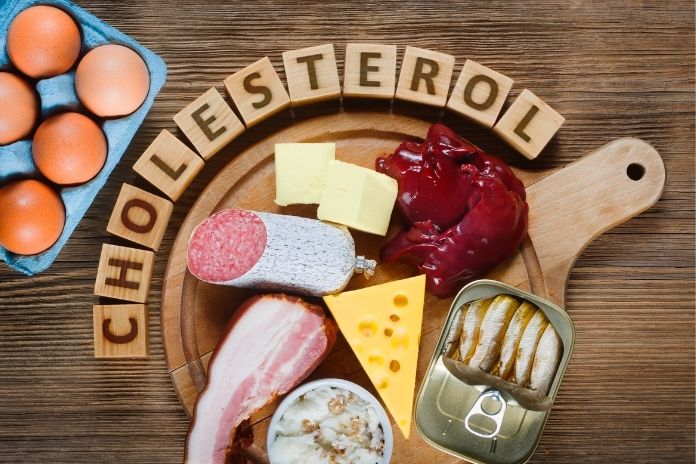
High blood pressure and cholesterol are the biggest enemies of the arteries. Physicians say that we must be aware of these levels and regulate them through natural measures whenever possible.
How to naturally lower blood pressure:
- Cut down on sodium from packaged and restaurant foods. Adopt the DASH diet, which not only helps with hypertension but also promotes healthy arteries.
- Boost potassium with bananas, leafy greens, and beans. Add them in good quantities to your regular meals.
- Exercise regularly and maintain a healthy weight, and avoid health complications or diseases.
How to naturally lower cholesterol:
- Consume high-fiber foods (oats, legumes, flaxseeds) that bind cholesterol in the gut.
- Add healthy fats such as avocados, nuts, and fatty fish to your daily diet.
- Avoid red meat and processed foods as much as you can.
Supplements (doctor-recommended):
- Plant sterols and stanols help in cholesterol management.
- Omega-3 fatty acids help reduce triglycerides and inflammation.
Stop Smoking and Reduce Alcohol:
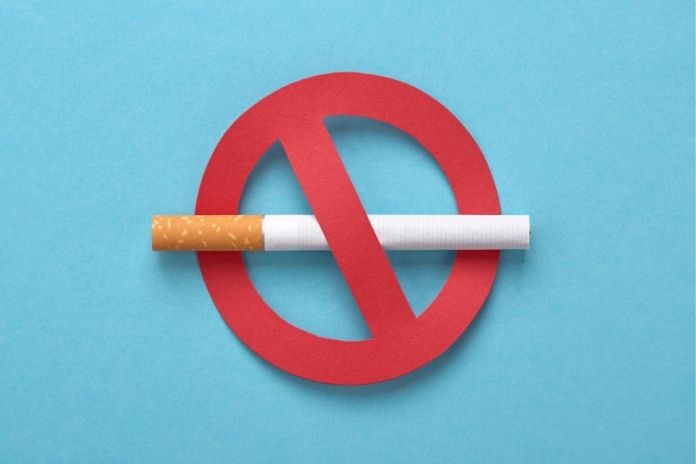
If you wish to protect your arteries, doctors strictly advise giving up smoking. Here’s why:
Smoking affects the endothelium (artery lining), increasing plaque formation and elevating blood pressure. In a matter of weeks after you quit, circulation gets better, and the risk of heart disease starts to reduce.
Too much alcohol thins vessel walls and increases blood pressure. There is some evidence that moderate drinking (such as a single small glass of red wine) might have little cardiovascular benefit, but physicians warn that for many individuals, less is more.
Stay at a Healthy Weight:

Extra weight places additional stress on the entire circulatory system. Obesity is linked with stiffness of the arteries, high cholesterol, and metabolic diseases such as type 2 diabetes. These diseases harm the arteries in the long run and impact their functioning.
Doctors recommend:
- Practicing portion control.
- Focusing on whole, unprocessed foods.
- Pairing aerobic and strength training to facilitate weight control.
- Even a small weight loss (5-10% of body weight) will greatly benefit blood pressure, cholesterol, and artery flexibility.
Reduce Stress and Enhance Sleep:

Arteries are not only affected by food and exercise. Mental health also has an impact on arterial health. Constant stress saturates the body with cortisol and adrenaline, increasing blood pressure and making arterial walls weak.
Here are a few doctor-recommended practices:
- Mindfulness Meditation: Meditation helps in soothing the nervous system and reducing blood pressure.
- Yoga and Breathing Exercises: Practice yoga and breathing exercises to maintain proper circulation and healthy arteries.
- Sleep Hygiene: Try to sleep 7–9 hours every night. When in deep sleep, blood pressure falls naturally, allowing time for the arteries to recover.
When Natural Methods May Not Be Enough
Lifestyle changes are effective, but natural measures sometimes need extra medical support and guidance.
Red flags you should not overlook:
- Pressure or pain in the chest.
- Shortness of breath with mild activity.
- Pain or cramping in the leg while walking (a sign of peripheral artery disease).
High-risk groups include:
- People with diabetes.
- People with a strong family history of heart disease.
- Individuals over 60 with high blood pressure or cholesterol.
Physicians stress the importance of routine check-ups, blood work, and tests. If medication is prescribed, it can only complement but never replace healthy habits.
Read More: High Protein Diets Can Clog Your Arteries, New Study Suggests
Doctor’s Takeaway on Long-Term Artery Health
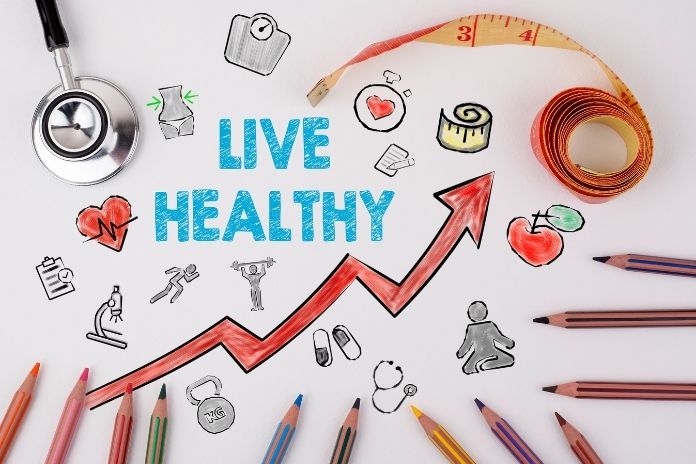
Doctors suggest one simple rule: be consistent. Being true to your healthy habits will be useful in the long run. You can’t reverse decades of harm overnight, yet you can develop strength one step at a time.
- A healthy diet forms the foundation of a healthy heart.
- Regular physical activity keeps arteries pliable.
- Managing stress, sleeping well, and avoiding bad habits provide protection.
- Collaborating with your healthcare provider helps with early detection and tailored guidance.
It’s like putting money into your heart’s savings account. Think of it as creating “arterial wealth.”
Read More: Hidden Signs of Poor Blood Circulation You Shouldn’t Ignore
Conclusion
Healthy arteries equal a stronger, longer, and healthier life. Following natural, doctor-recommended habits, such as eating a nutrient-rich diet, staying active, controlling weight, managing stress, avoiding smoking, and limiting drinking, can help protect circulation and lower the risk of cardiovascular disease.
Although medical guidance is necessary for those at high risk, most individuals can significantly improve their artery health by merely developing regular, sustainable lifestyle habits.
Your arteries work day and night for you. Isn’t it time to pay them back? Start today, consult your doctor to draw up a personalized plan, and stick with the habits that keep your heart healthy and strong for years to come!
References
- https://www.niddk.nih.gov/health-information/weight-management/adult-overweight-obesity/health-risks
- https://www.nhlbi.nih.gov/health/heart/smoking
- https://www.hopkinsmedicine.org/health/wellness-and-prevention/cholesterol-5-truths-to-know
- https://www.hopkinsmedicine.org/health/wellness-and-prevention/cholesterol-5-truths-to-know
- https://www.narayanahealth.org/blog/role-arteries-circulatory-health-lifelines-body
- https://www.cdc.gov/physical-activity-basics/guidelines/adults.html
In this Article