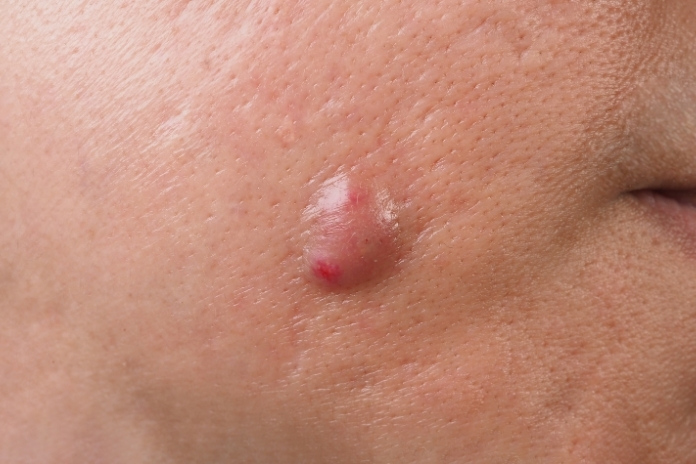















The majority of individuals are aware of sunscreen, moisturizers, and cleansers. However, since the skincare business has grown rapidly in recent years, other product categories—specifically, face oils and serums—have emerged.
Serums and face oils are two of the most well-liked powerhouses in contemporary skincare, and your skincare regimen is only as good as the substances you utilize.
But how can you tell which of these products is best for your skin with all the hype? Does your skin yearn for the deep nutrition of an oil, or should you choose a potent serum full of active ingredients? Your skin type, problems, and overall skincare objectives will determine the response.
You can optimize your skincare regimen for healthier, more beautiful skin by being aware of how these products function and complement one another.
To help you choose if oils, serums, or a combination of the two is the ideal skincare option for healthy skin, we’ll break down the advantages and disadvantages of each in this article.
Read More: Detoxifying Face Masks: The Top 5 Options for Clearer, Healthier Skin
What Are Natural Oils?
One of the body’s most vital organs is the skin. It is responsible for controlling body temperature, preventing bacterial entry, reducing water loss, and storing water and fat.
The skin frequently performs these functions in unison and at the same time. In other situations, you need help to replace what you have lost. This is when proper skin care becomes especially important.
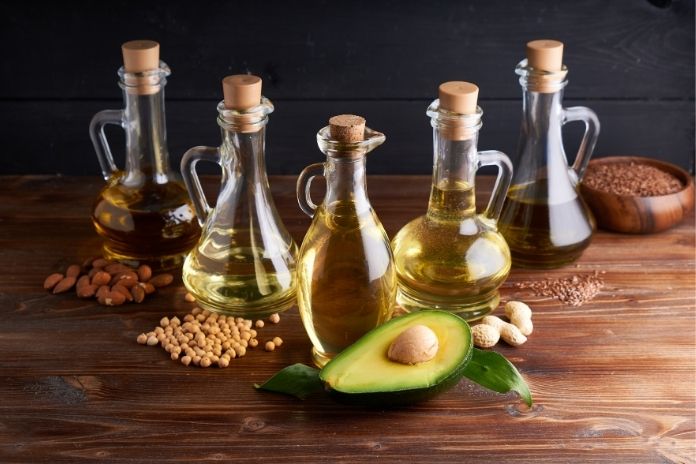
Plants such as seeds, nuts, or fruits provide natural face oils, which people apply to the skin for medicinal or cosmetic purposes. They are frequently cold-pressed or lightly processed, which preserves healthy substances like polyphenols, vitamin E, and fatty acids.
In addition to nourishing the skin’s natural moisture barrier and addressing issues such as dryness or dullness, these rich, emollient compositions can help soften and moisturize the skin. Popular options consist of:
- Jojoba oil: Since it can closely resemble natural sebum, it may benefit the acne-prone skin.
- Rosehip oil: It is a popular anti-aging and skin-tone-evening oil that is rich in vitamins A and C.
- Argan oil: Often used for aged skin that needs more nourishment, it contains antioxidants and vitamin E.
- Avocado oil: Suitable for dry or sensitive skin, it is rich and hydrating.
What Are Lab-Made Serums?
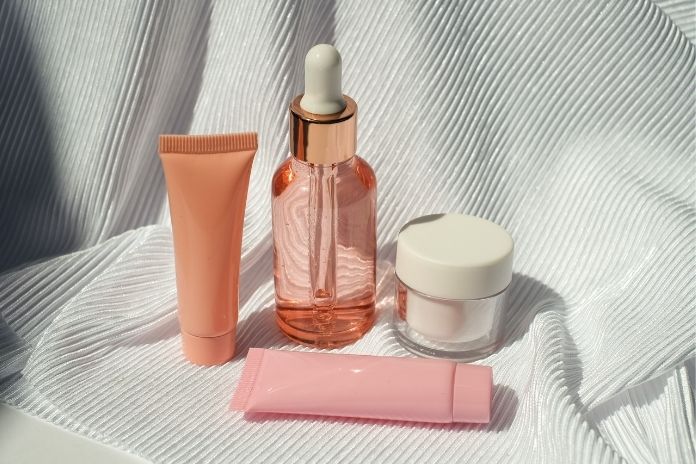
Skincare experts design serums as watery, concentrated liquids that target visible skin concerns, such as uneven tone or texture. They are fast-absorbing, watery liquids that penetrate the skin to provide a high concentration of active ingredients.
Serums are usually water-based liquids that contain hydrators (like hyaluronic acid) along with skin-beneficial ingredients (vitamins, antioxidants, peptides, to name a few). A serum primarily targets specific skin concerns such as fine lines, wrinkles, hyperpigmentation, dullness, or dryness.
A serum is excellent if you want to layer skincare products because a serum absorbs quickly and is not as thick as a cream. A serum can be applied in the morning as well as at night, as its lightweight texture allows it to absorb into the skin quickly and effectively.
Using a vitamin C serum regularly helps increase skin elasticity and protect your skin from environmental damage.
If you are someone who can not keep moisture in their skin, a hyaluronic acid serum is a must. Hyaluronic acid has the ability to retain as much as 1,000 times its own weight in water.
Hyaluronic acid will plump your skin and smooth the appearance of fine lines. These types of serums are essential for hydration and anti-aging regimens. They are highly beneficial when it is cold or dry because your skin loses moisture much more readily.
Read More: Why Your Moisturizer Isn’t Working (And How to Layer Skincare the Right Way)
Benefits of Natural Oils for Skin Health
Natural oils are a trustworthy choice for skincare due to their multitude of benefits. One of the best characteristics is the way it hydrates the skin and skin barrier.
- Oil-Based: The main differences between an oil and a serum are in the formula and the thickness of the product. Face oils are oil-based and contain oils and oil actives, as well as bigger molecules than serums.
- Protect Your Skin: Many face oil products have antimicrobials and antioxidants to support your skin’s natural moisture barrier. These ingredients help maintain the skin microbiota to keep your skin free of harmful bacteria, yeasts, and viruses. They create a protective barrier against environmental aggressors for healthy skin.
- Anti-Aging Properties: Face oils that have the right agents can help to reduce the appearance of wrinkles, fine lines, and signs of aging.
- Combines with Other Beauty Products: Face oils are versatile and can be used to help seal in moisture and give skin a subtle glow while wearing other products like a moisturizer, cream, and makeup.
- Strengthen the Skin Barrier: The extremely moisturizing formula will help to increase the suppleness of your skin while repairing the skin barrier.
Benefits of Lab-Made Serums for Skin Health
Lab-made serums are very beneficial for specific issues since they include strong, scientifically supported active ingredients in your skincare regimen.
- Water-Based: If you have oily or acne-prone skin, you don’t have to worry about irritation or too much sebum because serums are water-based and include smaller molecules and water actives.
- Targeted Skin Care: Because serums include fewer active ingredients than other skincare products, they can treat skincare issues that affect your confidence more precisely. Since serums have fewer chemicals and are thus more of an auxiliary skincare product, use a moisturizer every day to maintain your skin moisturized and in good condition.
- Strong components: Serums with fewer components that boost their potency—which allows them to enter the top layers of the skin more swiftly—are more effective. For this reason, you should apply serums before other skincare products.
- Lightweight Texture: The airy, light texture of serums allows for rapid skin absorption without leaving a greasy aftertaste.
Read More: 7 Best Glycolic Acid Skincare Products for Radiant, Smooth Skin
Downsides and Risks of Each

Natural Oils
Even if natural face oils are beneficial in many ways, they aren’t for everyone:
- Some oils, such as coconut oil and cocoa butter, are comedogenic (pore-clogging), so if you have acne, avoid these altogether or proceed with caution.
- Some people have breakouts even using “safe” oils. It underscores the importance of personal experimentation.
- Oils can trap heat in rosacea and feed yeast in seborrheic dermatitis to make the symptoms worse. Those suffering from rosacea often have “damaged skin barriers” and can have unpredictable reactions to oils.
- Oils do not contain water and humectants (like hyaluronic acid or glycerin). If you only use oils, the deeper layers of your skin may lack water.
- They don’t include retinol, niacinamide, and peptides, which are considered “gold standard” ingredients thought to be key in anti-aging or treating acne.
- Oils cannot fix profound wrinkles, severe acne, or severe hyperpigmentation by themselves. Think of them as adjuncts, not panaceas.
- Using too much oil may lead to an overly greasy sensation or feeling of suffocating pores.
Serums
Although Face Serum is typically harmless, if taken improperly, it can be dangerous due to specific circumstances. Keep the following points in consideration:
- Not every skin type can benefit from every serum. For instance, a serum that contains a lot of retinol can be too harsh for sensitive skin, which could result in acne, skin redness, or peeling.
- Overusing serums—by applying them too often or stacking many with active ingredients like retinol, BHAs, and AHAs—may disrupt your skin barrier. Dryness, irritation, and sensitivity might result from this.
- Inexpensive serums often contain poor-quality fillers, perfumes, or alcohols that irritate the skin. Products that have expired might also lead to bacterial illnesses.
- Some people may be allergic to the chemicals or plant extracts in the serums. Before applying it to your entire face, try a little portion on a patch test.
What Doctors and Dermatologists Suggest
Dermatologists’ advice on skincare is straightforward when it comes to deciding between oils and serums: both are beneficial, but how you use them will determine how much of each you get.
For hydration and barrier restoration, natural oils are frequently suggested, particularly for those with dry, sensitive, or damaged skin. Jojoba and argan oils are great for retaining moisture and soothing irritation since they mirror the skin’s natural lipids.
Physicians stress that the best way to lock in hydration is to utilize these oils as a last resort. Oils are used for oil washing because they are more effective than water alone at dissolving other oils (such as makeup, sunscreen, and excess sebum).
“They can be useful in some situations where they can act as an emulsifier and help lift oily residues from makeup or other products and pollutants from the skin,” says Dr. Amy Kassouf, MD, a dermatologist. “For patients with very dry or inflamed skin, this can be quite useful.”
Conversely, serums are more successful for specific issues. Niacinamide helps reduce redness and acne, retinol fights wrinkles and fine lines, and a vitamin C serum can lighten dark spots.
Dermatologists frequently suggest serums as the first therapy step in a regimen because they provide concentrated active ingredients.
Doctor-recommended skin care advises strategically combining serums and oils rather than picking one over the other.
Who Should Use Oils vs. Serums?
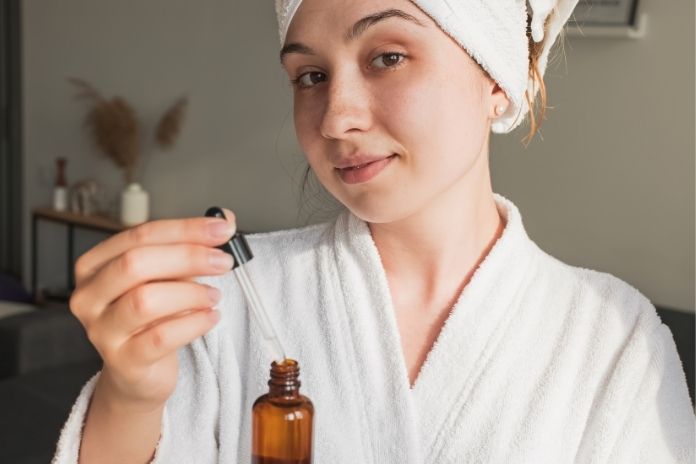
Your skincare routine, skin type, and personal preferences will frequently determine which oils and serums are best for you.
Natural Oils: Due to their ability to serve as an occlusive, which traps moisture and helps to minimize water loss, we generally advise applying face oils near the conclusion of your skincare process. To give your skin a dewy, natural-looking shine, you may use it selectively to dry parts of your face or pat it over your entire face. Two to three drops are generally enough.
Serums: Serums are typically applied quite early in your regimen, usually after cleaning and toning but before moisturizer or sunscreen, because of their lighter nature. A pea-sized quantity is generally adequate, so you’ll want to apply enough to cover your face in a thin coating.
Many people find that a mix of both options is preferable to either one alone. You can achieve balanced, radiant results by applying a small amount of oil to seal in moisture after using a serum for targeted therapy.
Read More: 5 Skincare Products You Should Never Use on Sensitive Skin
Conclusion
There is no definitive “winner” when we talk about oils vs serums for skin care. The truth is that both are important and mutually supportive of healthy skin. Natural oils work really well on dry or sensitive skin in particular: moisturizing, nourishing, and protecting the barrier function. Serums, on the other hand, contain a concentrated active ingredient origins that can specifically target issues, including fine lines, discoloration, and acne.
More critical than treating this as an “either/or” decision, understanding the two types of products and the unique needs of your skin takes on more significance. Serums target and treat specific issues, while oils nourish the skin and support its longevity.
Most people find that the best way to integrate oils and serums into their skincare routine is to layer the products, first applying the serum for deep treatment and then sealing it in with oil to not only hold the moisture in but also maximize the benefits of both products.
References
- https://www.revivalabs.com/serums-vs-oils-which-one-is-right-for-you
- https://augustinusbader.com/int/en/evidence/face-oil-vs-serum-whats-the-difference
- https://www.kiehls.com/skincare-advice/difference-between-face-serums-and-oils.html
- https://integrishealth.org/resources/on-your-health/2021/september/natural-oils-for-skin-care
- https://www.revivalabs.com/how-essential-oils-affect-your-skin-pros-and-cons
- https://onlinelibrary.wiley.com/doi/10.1111/ics.12960
- https://www.rivoskin.com/are-face-serums-harmfull/
- https://health.clevelandclinic.org/are-face-oils-good-for-your-skin
- https://providers.clevelandclinic.org/provider/amy-kassouf/4268673
In this Article