














Hair removal creams are well-liked because they provide smooth, fast results without the pain of waxing or the inconvenience of shaving. Within minutes, they leave the skin feeling soft and hair-free by dissolving hair at the skin’s surface. However, you may be wondering if hair removal products are suitable for those with sensitive skin.
The active components in these lotions break down the protein in hair, making it easier to remove. Although this technique may seem easy and painless, if not applied correctly, the chemicals can irritate sensitive skin, resulting in redness, irritation, or even minor burns.
It might be challenging to locate a hair removal technique that works for those with sensitive skin. Traditional hair removal methods, such as shaving and waxing, often lead to skin irritation, redness, or inflammation. Fortunately, sensitive skin hair removal lotions are becoming more and more popular as a mild and safe substitute.
This article will cover how hair removal creams work, the issues sensitive skin may face, and professional advice on choosing the best cream for sensitive skin.
Read More: Safe and Effective Facial Hair Removal Methods for Smoother Skin (2025 Guide)
How Hair Removal Creams Work
Keratin, the protein present in hair, is broken down by a chemical found in hair removal creams, lotions, and gels. This chemical is often thioglycolic acid, calcium thioglycolate, or potassium thioglycolate.
“The hair is turned into a jelly-like consistency and is swept away when the product is removed,” explains Merry Thornton, PA-C, founder of Element Medical Aesthetics in New Canaan, Conn. Hydrogen sulfide is produced when the protein degrades. That is the cause of the notoriously sweet-smelly smell of hair removal lotions.
Only the exposed hair on the skin’s surface and down into the upper hair shaft is removed, notes skincare pro Rebecca Gadberry, co-host of Facially Conscious. She says, “The hair bulb, or root, remains. It is why these products only deliver temporary results and can leave a ‘shadow’ under the skin’s surface if the root is dark.”
Risks for Sensitive Skin
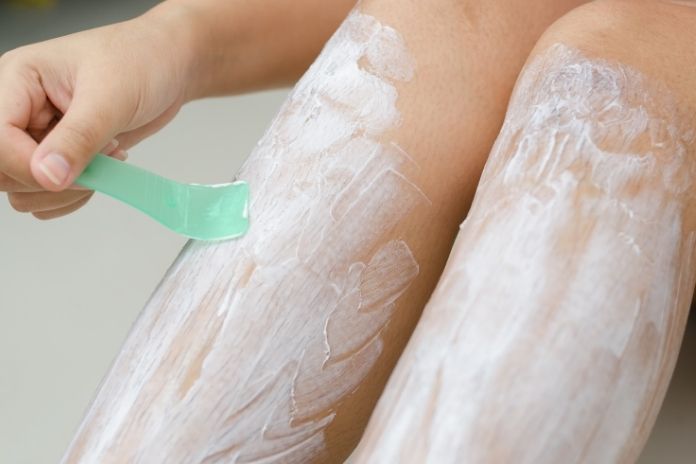
Although hair removal creams are practical, those with sensitive or reactive skin may find them problematic. Shortly after application, irritation and redness may occur due to the active chemicals that break down hair, also affecting the skin’s protective layer. For sensitive individuals, this is one of the most frequent adverse effects of hair removal creams.
Applying the cream for longer than is advised may cause a burning or stinging sensation, which may occasionally lead to minor chemical burns. Ingredients like stabilizers, perfumes, or preservatives in depilatory creams can trigger allergies, causing hives, swelling, or itching.
The finest hair removal creams for sensitive skin are those that are made primarily with that type of skin in mind. Use a hair removal lotion with a mild, pleasant aroma that is devoid of parabens and dyes.
Always test the depilatory cream to ensure that your skin doesn’t have any adverse reaction. Before using any such cream on a broad area of your body, always test it on a tiny piece of skin. Generally speaking, you should quickly rinse the cream off with lukewarm water if you experience any burning while it is on.
Signs a Cream Is Safe for Sensitive Skin
The components in a hair removal lotion determine which one is best. Below is a summary of the positive aspects.
Ingredients to see for:
- Thioglycolic Acid: It is the active ingredient that safely breaks down proteins in hair.
- Glycerin: Helps to hold moisture and prevent dryness and irritation.
- Holy basil, or Tulsi, according to the Journal of Pharmaceutical Sciences, is antibacterial and helps to keep skin healthy.
- Aloe vera: It hydrates and calms the skin.
- Glycerin: Acts as a humectant, aiding the skin in holding onto moisture.
- Neem: It contains antibacterial properties that contribute to reducing inflammation.
- Papaya: Has enzymes that help break down the hair follicle and provide gentle exfoliation of skin.
Read More: 10 Best Hair Growth Inhibitors, What are They, and Is It Safe to Use?
Doctor-Suggested Tips for Using Hair Removal Cream Safely

Dermatologists stress that even if depilatory creams have their uses, those with sensitive or reactive skin should always prioritize their safety.
- Performing a depilatory patch test at least 24 hours before use is one of the most crucial procedures. Before using the cream on a broader region, this easy step helps identify any hidden allergies or intolerances.
- Applying hair removal products correctly may make the journey to smooth, silky skin simple. Make sure you have the cream, a timer, and an application tool before you start. Additionally, as the cream may make surfaces slick, you should lay down an old towel before applying it.
- Consider time to be your key component for success when using hair removal products. Always pay close attention to the product’s directions. Take the cake out of the oven too soon, and it turns mushy; take it out too late, and it burns. Similar to this, depilatory creams have a sweet spot that guarantees efficient hair removal without causing skin irritation.
- The following step is essential to maintaining the health and happiness of your skin after you’ve successfully eliminated the hair using your cream. To remove any remaining cream, gently rinse the treated area with lukewarm water. Avoid using strong cleansers or scrubs straight after; your skin is a little sensitive and needs some love. Use an Aloe Vera gel or calming lotion to soothe and nourish your skin.
- Lastly, divide up your sessions. Using hair removal treatments excessively can erode the skin’s protective layer and lead to long-term discomfort. The majority of physicians advise delaying applications for a few days.
Alternatives for Sensitive Skin
When considering hair removal, it is essential to take sensitive skin into account. If you have sensitive skin, there are many options of sensitive skin hair removal that may be more suitable for you if you find hair removal creams irritating.
Waxing: Waxing is a standard method of achieving smooth, hair-free skin for years. While waxing can cause some pain, it is suitable for sensitive skin, especially when you receive a professional service. Moreover, if you choose an experienced professional, make sure they are using hypoallergenic wax and consider the sensitivity of your skin.
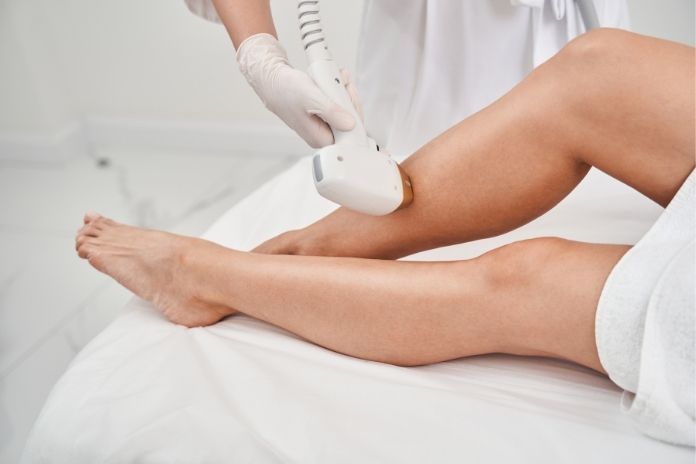
Laser Hair Removal: Laser hair removal is often regarded as a long-lasting solution for unwanted hair. It is an excellent option for those seeking a more permanent solution for unwanted hair, as it involves the use of direct laser beams to prevent hair from growing. It is excellent for sensitive skin, but consider the cost associated with it, along with the fact that you may need more than one session.
Sugaring: Sugaring is another hair removal technique that uses sugar to create a paste, similar to waxing. It’s gentler on sensitive skin than waxing and serves as a more suitable alternative. Because you are going to a professional for this, the professional will have an understanding of the specifics of your sensitive skin.
Threading: Threading is an ancient Method of hair removal where hair is removed by spinning cotton thread over hair while avoiding skin contact. It is likely the most gentle process of hair removal; the process is very gentle and precise. When visiting a threading professional, they should be able to accommodate your concerns as a customer professionally.
Tweezing: Tweezing is well-suited for a more precise process, such as plucking stray hairs or refining eyebrow shapes. Tweezing is suitable for sensitive skin, even if it requires more time for larger areas.
Read More: 9 Easy and Effective Home Remedies for Freckles Removal At Home
When to See a Dermatologist
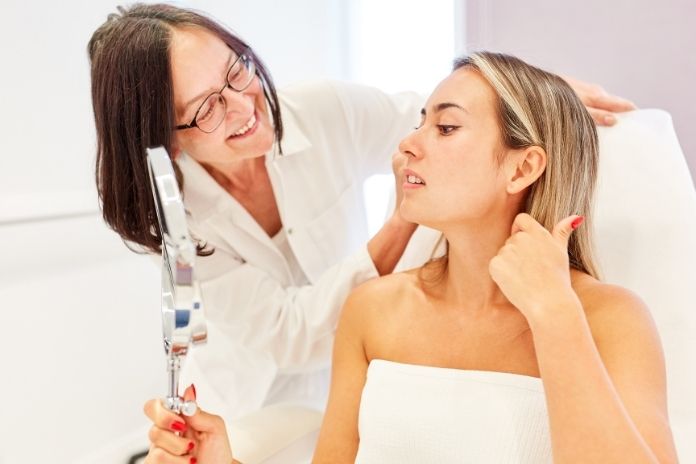
Most people can use hair removal creams without suffering serious side effects, but there are times when you will need expert advice. If you have rashes, prolonged swelling, or burning from the use of a hair removal lotion, these symptoms are bigger concerns than normal discomfort.
In these situations, it is essential to get professional guidance from a dermatologist and other experts on how to proceed with hair removal to prevent further damage.
If you have any history of rosacea, eczema, or other chronic skin conditions, getting professional advice should be a priority. Chemical hair removers may be even more problematic for these individuals because they already have a compromised skin barrier. A skin doctor can also help identify better approaches to hair removal based on your condition, thereby minimizing flare-ups.
If you are thinking about more permanent solutions like laser hair removal, you should seek the professional opinion of a dermatologist.
Read More: How to Remove Upper Lip Hair? Here Are 12 Easy Ways to Do So
Conclusion
There are many alternatives you can take if you are trying to find the best hair removal techniques and products for sensitive skin. Be sure to go with what works for you and what is right for your skin type.
For someone with sensitive skin, removing hair should not be a miserable or painful experience. As long as you use a high-quality hair removal cream designed for sensitive skin, you can achieve smooth, hair-free results without harming your skin health.
Milder formulations contain soothing ingredients like aloe vera and chamomile and have a lower possibility of destroying your skin barrier. If you have reactive or sensitive skin, you can also consider something like sugaring, shaving with barrier creams, or professional laser treatments.
The best way to remove hair from sensitive skin is to balance skin safety and perfect results.
References
- https://www.naircare.com/en/education/hair-removal-for-sensitive-skin
- https://health.howstuffworks.com/skin-care/beauty/hair-removal/5-facts-to-know-about-hair-removal-creams.htm
- https://www.naircare.com/en/how-nair-hair-remover-works
- https://www.realsimple.com/hair-removal-cream-7559398
- https://elementct.com/about/
- https://www.faciallyconscious.com/people/rebecca-gadberry/
- https://www.webmd.com/beauty/what-to-know-depilatory-creams
- https://www.epiphanydermatology.com/medical-dermatology/sensitive-skin/
- https://www.healthshots.com/beauty/skin-care/hair-removal-creams-sensitive-skin/
- https://wjpr.s3.ap-south-1.amazonaws.com/article_issue/b630f693d170aff37c8d9bf02a2acde7.pdf
- https://www.skinandme.com/the-dose/ask-a-dermatologist-hair-removal-skincare-guide/
In this Article