













It might be alarming to wake up with blurry vision, especially if the cause is unknown, as vision is a vital sense for navigating daily life.
It can be confusing waking up with fuzzy eyesight. You are not alone.
Especially if it lasts longer than usual, that period of haziness might be unnerving. Rest assured that morning blurriness is primarily safe and caused by the surroundings and a few daily habits.
On the other hand, ongoing or deteriorating morning vision indicates more serious issues. Frequent blurry vision suggests that you should see an eye expert or doctor.
Understanding the reason why it happens can help you decide whether to call your doctor and when it’s nothing to worry about. In this article, I will cover the common reasons, what you can do to minimize temporary blurring, and some obvious signs that require professional medical help to maintain healthy vision.
Read More: Home Remedies for Healthy Eyes: 6 Tips to Support Vision Naturally
What Causes Blurry Vision in the Morning?

Knowing the underlying causes of blurry vision reduces anxiety. Following sleep and several other factors—some innocuous, some needing attention—may reduce vision problems:
Dry Eyes: This health issue frequently contributes to blurry vision upon waking up. Our eyes may lose moisture during the night, particularly if we are sleeping in a low-humidity environment or beneath a ceiling fan. Additionally, individuals with dry eye disorders may be more prone to experiencing morning haze.
Sleeping With Your Eyes Open: Individuals who sleep with their eyes partially open may awaken with symptoms resembling those of dry eyes, as the ability to close the eyelids while sleeping completely is crucial for protecting and moisturizing the eyes.
Often referred to as nocturnal lagophthalmos, sleeping with the eyes wide open can result from several disorders, such as eye bulging and facial nerve paralysis following an illness, trauma, or a congenital disability.
Low Light: The surroundings might sometimes be more important than your sight. You may have eye discomfort and blurred vision if you wake up before daybreak or in a dark room. It takes time for your eyes to adjust to light.
Allergies: People who have environmental or seasonal allergies may have blurred vision. When allergies affect the eyes, they respond by drying to flush away the allergen. When the eyes lack sufficient moisture, vision often becomes hazy.
Vision problems can arise from common allergens like pet dander, dust, and mold.
Sleep Debris: Do you recognize the crusty substance that occasionally collects at the corner of your eyes while you’re asleep? It’s known as sleep detritus. When you wake up, scattered light entering your eyes may blur your vision, but a simple wash generally resolves the problem.
Sleeping Under a Ceiling Fan: Be cautious if you enjoy sleeping beneath a ceiling fan. When you wake up, your eyes may be blurred due to the continuous air flow from the fan drying them out. Before going to bed, try reducing the fan speed or applying fake tears.
Fuchs’ Corneal Dystrophy: This disorder causes the cornea to enlarge, which impairs eyesight. Your eye doctor might aid in the early diagnosis of this problem. It can result in foggy or blurry vision when you wake up, and is especially frequent in elderly persons.
Read More: 16 Effective Cures For Dry Eyes That Work Like Magic
Medical Conditions Linked to Morning Blurry Vision

Persistent or worsening blurriness occurring shortly after waking may be a sign of a larger illness, rather than a sudden change in the body. Let’s look at some of the illnesses that might cause regular blurriness in the morning:
Diabetes: Diabetes increases the incidence of cataracts, glaucoma, and retinopathy, a few conditions known to blur vision. Blurred eyesight is often among the first clues of rising blood glucose levels. Blurriness can occur when blood sugar drops, rises, or changes very quickly.
Chronic Dry Eye Syndrome: Insufficient amounts of healthy tears fail to lubricate the eye’s surface and cause chronic dry eye. At the onset of dry eye condition (especially when we first wake up), symptoms may be painful, accompanied by redness and blurriness. Chronic dry eye syndrome can be aggravated by the environment and hormonal changes, and might also be a result of aging. You can remedy dry eye in one or both eyes by using eye drops or artificial tears.
Preeclampsia: Preeclampsia, which rapidly increases blood pressure during pregnancy, can cause seizures and also cause visual symptoms if not addressed medically. Additional indicators of preeclampsia may involve persistent headaches, shortness of breath, nausea, vomiting, discomfort in the upper abdomen, and puffiness of the hands and face.
Pink eye (Conjunctivitis): Pink eye is an infection in the eye and may also cause inflammation to the thin, transparent layer that covers the white part of the eye (the conjunctiva). This inflammation may cause blurred vision and may accompany redness, itching, and discharge. Only upon diagnosis and prescribing the appropriate treatment will these symptoms subside.
Migraine: A migraine may also cause visual disturbances, such as tunnel vision, hazy vision, or temporary blindness.
Corneal Disorders: Eye problems that damage or irritate the cornea might contribute to morning visual blurriness. Conditions that affect the structural integrity of the cornea, including keratoconus or corneal dystrophies, can lead to blurring, which may worsen in the morning.
Parkinson’s Disease: A neurological disease that causes tremors and intermittent seizures or inability to move specific parts, and also causes blurred vision.
Read More: How to Get Rid of Watery Eyes
Home Remedies and Lifestyle Tips

Blurred vision is normal, and it can occur due to a refractive issue, fatigue, or an underlying medical condition. Although contact lenses or glasses can provide some immediate visual relief, people still want natural remedies to improve their vision rather than solely relying on corrective lenses.
Practice Eye Exercises: Engaging in eye exercises may help to improve focus and strengthen the eye muscles. A few simple exercises, like eye rolls, focusing on a close object then a distant one, or rapidly blinking, can relieve eye strain and enhance vision. Incorporate these exercises into your daily routine to maintain optimal eye health.
Stay Hydrated: Drinking sufficient water plays an essential role in maintaining eye health. Stay hydrated throughout the day by drinking plenty of water to stimulate tear production.
Blink Purposefully: Make sure to blink on purpose to distribute tears across your eyes to reduce excessive dryness, especially before bed.
Eat a Healthy Diet: A good, balanced diet containing essential nutrients that support eye health can minimise vision problems. Eating antioxidant-rich foods like lutein and zeaxanthin, or vitamins A, C, and E, can help clear vision. Food choices that include leafy greens, bright fruits and vegetables, Nuts and seeds, and seafood with omega-3 fatty acids will provide the best nutrients for your eyes.
Clean Your Sleeping Environment: Regularly wash pillowcases, bedding, and every surface in your bedroom to remove any allergens that may irritate your eyes.
Take Regular Breaks for Screen Time: Using screens for very long periods can lead to eye strain and blurred vision. Apply the 20-20-20 strategy: once every 20 minutes, shift focus to an item 20 feet away and look at it for around 20 seconds. Look at different text sizes, adjust the brightness, and with the increased use of screens, it will help alleviate eye strain.
Get Enough Sleep: Getting enough sleep is necessary for good health and good eyesight. Not getting enough sleep will lead to blurred vision and tired, dry eyes. Ensure you get 7–9 hours of quality sleep at night to allow your eyes time to recover.
When to See an Eye Doctor
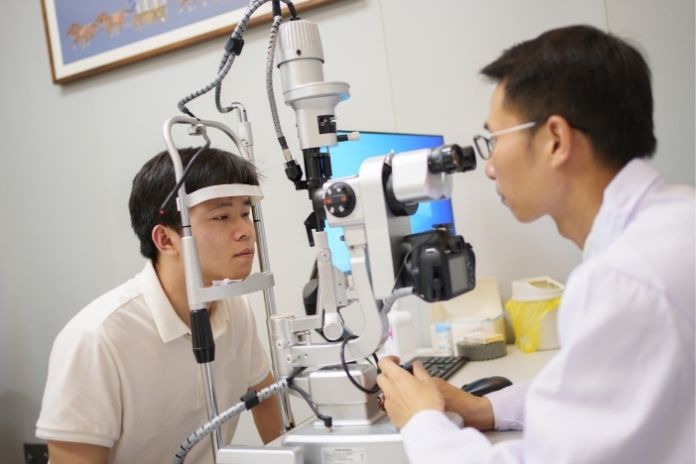
It’s usually harmless to experience occasional haziness that clears up immediately upon waking.
Blurred vision is usually an associated symptom of an internal or external irritation rather than a disease on its own. If you experience any or some of the following, see your optometrist or physician the next business day to address your blurred vision:
Frequent Headaches: Headaches can range from a dull ache in the temples to severe pain around the eyes or behind the eyes. Headaches are a regular part of life. Ongoing head pain might point to glaucoma, eye fatigue, or an underlying infection.
Double Vision: Having double vision can also be a symptom of a tumor, disease, stroke, or an accident. Consult your eye doctor immediately if you have double vision that develops abruptly or is chronic. Diplopia, or double vision, can happen for several causes. Eyeglasses, contact lenses, or dry eye therapies can frequently treat it when astigmatism, keratoconus, or dry eye causes the problem.
Night Vision Problems: Early vision decline often shows up as difficulty seeing in low-light conditions. While growing blindness or trouble seeing when driving at night or in other low-light conditions is a normal aspect of aging, it can also indicate more significant eye health issues, such as macular degeneration or the formation of a cataract.
Eye Discomfort: Any pain in or near the eyes is odd and may indicate a more serious issue. Ocular tumors or acute angle-closure glaucoma are two conditions that can cause excruciating eye discomfort and, in a matter of days, blindness.
“If any change in vision is experienced, it’s important to see your ophthalmologist right away,” advises Ashley Brissette, MD, assistant professor of ophthalmology, Weill Cornell Medicine, New York Presbyterian Hospital. “Prompt evaluation by a healthcare professional can help diagnose the underlying cause and prevent further damage, which is important to preserving your vision and health.”
Read More: How to Remove Bags Under Eyes
Conclusion
Most morning vision problems are benign and correct themselves as your eyes adjust and moisten. However, it is essential to know what is determined as worth technically considering: mild intermittent fog is consistent; however, compromising nuances of its developing or prolonged symptoms could be potentially indicative of a serious condition (i.e., non-neutral refraction defects, or long-term chronic concerns like diabetes or glaucoma).
Regular check-ups create a recent history for professionals to use in directing and accepting changes in your vision before they affect your daily impairment, improving your chances of applying treatment for blurred vision and maintaining your long-term eye health.
You can easily avoid long-term issues by adopting simple habits for your health, such as refraining from wearing contact lenses overnight, managing chronic health disorders, and using eye drops to moisten your eyes.
Don’t forget, vision is a crucial key to your health, wellness, and productivity. Prioritizing your eye health is beneficial for your future!
References
- https://www.sleepfoundation.org/sleep-faqs/why-do-you-have-blurry-vision-in-the-morning
- https://www.allaboutvision.com/conditions/symptoms/blurry-vision/morning-blurred-vision/
- https://my.clevelandclinic.org/health/symptoms/24262-blurred-vision
- https://davisvisionmd.com/why-is-my-vision-blurry-when-i-wake-up/
- https://specialty.vision/article/why-is-my-vision-blurry-in-the-morning/
- https://www.wikihow.com/Cure-Blurry-Vision
- https://draxe.com/health/blurry-vision/
- https://www.optometrists.org/general-practice-optometry/guide-to-eye-exams/eye-exams/10-signs-you-should-see-an-eye-doctor-now/
- https://www.kellylaser.com/about/dr-brissette/
- https://www.aarp.org/health/conditions-treatments/sudden-blurry-vision-in-both-eyes/
In this Article