














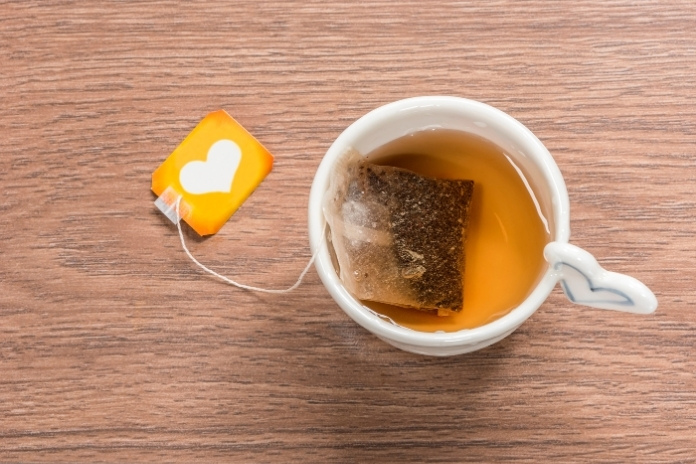
New studies have raised concerns about the potential hidden dangers of brewing tea in plastic tea bags. Researchers have found that when tea bags made of polypropylene, nylon, or even so-called “biodegradable” or compostable cellulose are put in hot water, they can release millions or even billions of tiny micro- and nanoplastic particles into the cup.
These particles are so small that they can get into the human digestive system. Studies in the lab have shown that some of them can even get inside gut cells and reach the nucleus of the cell, which is a scary sign of possible long-term health effects.
While further study needs to be done to fully understand the effects, experts warn that using plastic-shedding tea bags too often may be bad for your health in the long run. If you want to avoid this exposure, you can use loose-leaf tea with stainless steel or glass infusers or choose tea brands that only use paper bags that are confirmed to be plastic-free.
Tea lovers can still drink their favorite drink without adding tiny pieces of plastic to their cup every day if they choose to be aware.
Read More: Switching from Coffee to Tea and Knowing the Benefits
What Studies Reveal About Plastic in Tea Bags
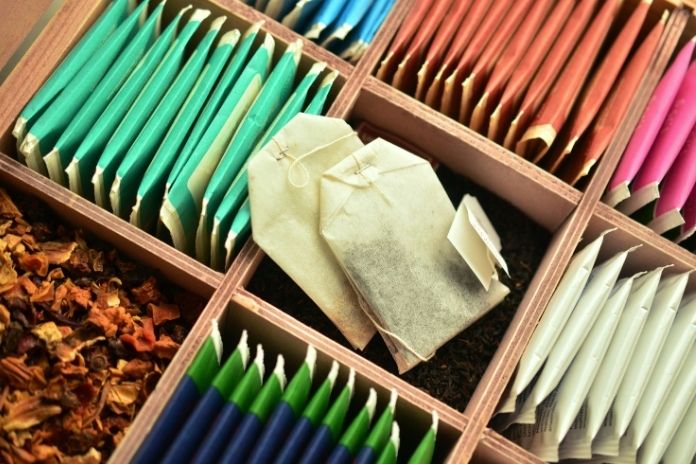
Let us have a look at findings from several reputable studies and research organizations that have examined tea bags and their potential to release microplastics, shedding light on how everyday brewing practices may unknowingly expose consumers to billions of plastic particles in their tea.
Landmark Study from 2019
A notable 2019 study by Hernandez and colleagues at McGill University found that brewing a single plastic-based tea bag at about 95 °C (203 °F) released an astonishing 11.6 billion microplastic particles and 3.1 billion nanoplastic particles into one cup of tea.
These particles were found to match the materials of the bag, nylon and PET, based on advanced spectroscopic analysis. This discovery marked a significant leap, showing plastic contamination levels much higher than previously found in other foods.
Wider Evidence Across Tea Types
Research since then has broadened the scope. A 2024 study out of Barcelona discovered that various tea bag materials, such as polypropylene, nylon, and paper-like cellulose, can each release millions to billions of plastic particles when steeped, depending on the material type and conditions.
Health Hazards Highlighted
Lab tests have been concerning. Plastic particles from tea bags were shown to be taken up by living intestinal cells, with some even penetrating the cell nucleus, the control center of the cell. Other toxicology research indicates that micro- and nanoplastics may lead to gut inflammation, oxidative stress, impairment of nutrient absorption, potential imbalance in gut bacteria, and harmful immune system effects.
Beyond the Bag: Roots of Plastic in Tea Bag Study
Plastic contamination isn’t limited to tea bags. Studies have detected microplastic fibers in actual tea leaves, originating from soil, growing conditions, or packaging. Pollutants can come from agricultural films, inputs used in tea gardens, processing, and packaging.
What This Means for You
These findings suggest that tea, long admired for its healthy benefits, can unintentionally expose drinkers to extremely high levels of plastic particles. Even “biodegradable” or tea bags marked as compostable may contain plastic components that break down under heat and deliver microplastics to your cup.
Broader Context
If you love tea but want to avoid plastic exposure, consider switching to loose-leaf tea brewed in stainless steel, glass, or ceramic infusers. If you prefer the convenience of bags, look for brands that guarantee plastic-free, paper-only tea bags.
Testing Different Tea Bag Materials
A recent study by researchers in Barcelona (published in Chemosphere, 2024) sheds new light on the issue of microplastics in tea bags. Scientists tested several commercial tea bags to measure how many micro- and nanoplastic particles they release when steeped in hot water. The results were startling.
Tea bags made of polypropylene released the highest number of particles, around 1.2 billion per milliliter, with an average size of 137 nanometers. Tea bags made of cellulose, often promoted as biodegradable, still released about 135 million particles per milliliter (average size 244 nanometers). Even nylon-6 bags, considered sturdier, released 8.18 million per milliliter with an average size of 138 nanometers.
What Happens in the Human Body
To understand the potential risks of microplastics in tea, researchers exposed these particles to cultured human intestinal cells, the same ones responsible for producing protective mucus in the gut.
Shockingly, they found that the plastic particles were absorbed by the cells and, in some cases, even reached the cell nucleus. This suggests that tea bag microplastics are not just passing through the digestive system but may be interfering with essential cellular processes.
Why This Matters
The fact that billions of particles can be released from a single tea bag raises major concerns for one of the world’s most popular drinks.
Scientists warn that the ability of micro- and nanoplastics to reach inside cells in the body could lead to harmful effects like inflammation, oxidative stress, and disruption of nutrient absorption. With tea being consumed daily by millions of people worldwide, the risks of microplastics in tea can’t be ignored.
Read More: DIY Herbal Teas to Soothe Common Ailments
What This Means for Your Health

Microplastics are everywhere, but tea bag studies reveal just how easily they slip into everyday routines. Until more is known about long-term effects, reducing tea bag health risks through informed choices is one of the most effective ways to protect yourself.
Microplastics Are Everywhere
Microplastics are no longer a rare environmental issue; they’re part of our daily lives. Studies show that these tiny plastic fragments are found in seafood, salt, bottled and tap water, and even the air we breathe.
Recent reports highlight that people consume tens of thousands of plastic particles each year, often without realizing it. Tea bags, especially those made with plastics, are now recognized as a surprisingly large source of exposure, delivering millions to billions of particles directly into a single cup. This makes understanding tea bag health risks all the more important.
Early Warning Signs from Research
While the long-term health effects of microplastics are still under investigation, early research points to concerning outcomes. Lab studies show microplastics can trigger gut inflammation, oxidative stress, and impaired nutrient absorption.
They may also disrupt immune responses and alter hormonal balance, potentially leading to metabolic or reproductive issues. Even more troubling, nanoplastics, the tiniest particles, have been shown to penetrate living cells and reach the nucleus, raising questions about genetic interference.
Such findings suggest that what may seem like harmless daily exposure could carry significant hidden risks over time.
Why Tea Bags Matter More Than You Think
Tea is widely considered a healthful beverage, yet research reveals that steeping a single plastic tea bag in hot water can release billions of micro- and nanoplastics.
In particular, polypropylene tea bag microplastics, used as sealants or to strengthen bags, shed large amounts of particles into tea. Compared with other dietary sources, this is an unusually concentrated dose delivered through a routine habit.
The real concern isn’t just occasional exposure; it’s the accumulation from drinking tea daily over many years.
Reducing Your Exposure
The good news: you can take simple steps to cut down. Switch to loose-leaf tea brewed in stainless steel, glass, or ceramic infusers.
If you prefer tea bags, choose brands that are certified plastic-free and made of only paper or natural fibers. Beyond tea, limiting bottled water, filtering tap water, and being mindful of seafood sources can also help lower daily intake.
Read More: Best Teas to Drink for Better Digestion and Slimming
How to Reduce Exposure—Smart Brewing Swaps
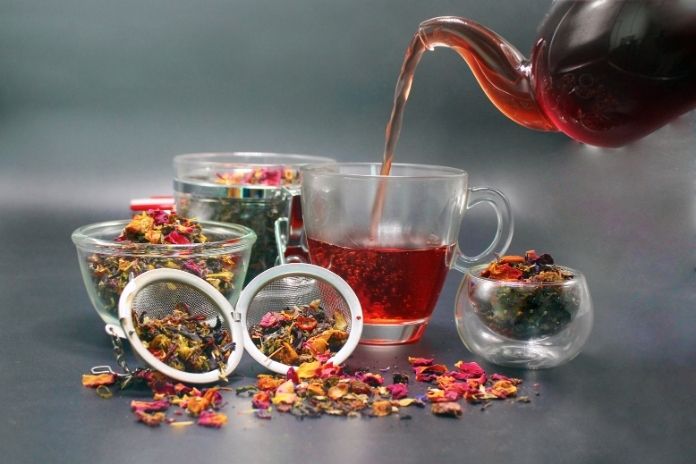
You don’t have to give up your daily cup of tea to avoid coming into contact with nylon microplastics in tea. You can enjoy a cleaner cup and a secure alternative to plastic tea bags by making easy changes, like switching to paper-only or loose-leaf bags.
Go Loose-Leaf with a Stainless Steel Infuser
Moving to loose-leaf tea is the best and safest way to cut down on your exposure. If you use a stainless steel glass or ceramic infuser to make loose-leaf tea, you get the pure taste without the risk of consuming plastic tea bag nanoparticles. It’s good for your health and the environment because this way cuts down on packaging waste.
Choose Paper-Only, Plastic-Free Brands
If you want things to be easy, look for names that promise paper-only tea bags with no plastic. People know that companies like Pukka, Traditional Medicinals, Numi, Yogi, and Republic of Tea make safer choices. These tea bags are usually sealed without using plastics or heat, so they don’t lose billions of tiny bits when they’re steeped.
Avoid Pyramid-Style or Heat-Sealed Bags
Polyester, PET, and PLA are used to make a lot of pyramid-shaped or heat-sealed bags. Even though these sleek designs look good, they are a big source of nylon microplastics in tea. If you choose not to drink them, you will not be exposed to millions of particles in every cup of this brewed beverage.
Try a Simple Strainer Hack
People who want to reduce waste say that cutting open a tea bag and pouring the leaves into a reused strainer is a useful tip that can be used every day. For pre-measured tea, this lets you drink without the bag, which often leaves out the micro- and nanoplastics.
Why These Swaps Matter
Studies have shown that a single tea bag made of plastic can let millions or billions of tiny particles into a cup. Over time, this steady release of nanoparticles from plastic tea bags may pose health risks. You’ll be less vulnerable and choose a safer option to plastic tea bags if you make these changes. You can still enjoy your tea ritual.
Read More: 8 Herbal Brews for Cleansing and Relaxation
Bottom Line
Several scientific studies have shown one thing to be true: plastic tea bags are not as safe as they seem. If you soak these bags in hot water for even a short time, they can release millions or even billions of tiny particles into a single cup.
Microplastics and nanoplastics are the names for these tiny pieces of plastic that come from polypropylene, nylon, PET, and even so-called biodegradable cellulose mixes. Compared to other food sources that may contain plastic particles, tea bags are one of the most concentrated sources because the particles are directly added to a drink that millions of people drink every day.
What worries me the most is how these particles affect the body. Microplastics from tea bags have been shown to be taken up by human intestinal cells in the lab. Nanoplastics are some of the tiniest particles that can get into the nucleus of a cell, which is where important genetic processes are controlled.
Long-term effects are still being studied, so there aren’t any solid answers yet. However, early signs point to risks like inflammation, immune system problems, and cellular stress. This means that drinking tea every day out of plastic bags might not only be bad for the world, but it might also be bad for your health.
The good news is that lowering this risk is easy. Either use stainless steel, glass, or ceramic infusers to steep loose-leaf tea or buy tea bags that are made from certified paper and no plastic. These are simple changes that will greatly reduce the chance of eating plastic with your daily cup.
For people who drink tea, this isn’t about giving up a favorite habit; it’s about making it safer. Ask yourself the next time you make a cup of tea: Does my tea bag not contain any plastic? Making a small change today can help protect the Earth and your health tomorrow.
References
- https://www.everydayhealth.com/diet-nutrition/tea-bags-can-release-billions-of-microplastic-particles
- https://www.sciencedirect.com/science/article/pii/S0308814624037610
- https://www.earth.com/news/tea-bags-release-millions-of-plastic-particles-during-brewing/
- https://www.mdpi.com/2311-7524/9/2/174
- https://pmc.ncbi.nlm.nih.gov/articles/PMC10389239/
- https://www.beyondplastics.org/actions/plastic-in-tea
- https://www.health.com/tea-bags-microplastics-exposure-study-8775959
- https://foodpackagingforum.org/news/plastic-tea-bags-release-billions-of-particles
- https://pubmed.ncbi.nlm.nih.gov/31552738/
- https://www.uab.cat/web/newsroom/news-detail/commercial-tea-bags-release-millions-of-microplastics-when-in-use-1345830290613.html
- https://nypost.com/2025/03/20/health/5-ways-to-reduce-the-microplastics-in-your-body/
- https://www.foodandwine.com/microplastics-in-tea-bags-study-8770478
- https://www.healthkart.com/connect/tea-bags-harmful-effects-and-causes
- https://www.technologynetworks.com/applied-sciences/news/tea-bags-release-millions-of-microplastics-when-brewed-394522
In this Article