














We’ve all felt it, that familiar ache after a tough workout. Maybe your legs feel like lead after leg day, or your arms throb with every reach after heavy lifting. It’s uncomfortable, sure, but it usually comes with a weird sense of pride. That soreness is your body saying, “Hey, we did something hard.”
But what happens when the pain doesn’t feel right? When it’s not a dull ache but a sharp twinge? When it lingers longer than expected, or shows up suddenly in just one spot? That’s when the mental spiral starts: Did I just overdo it… or did I actually injure myself?
Here’s the thing: pushing your body is part of growth, but so is knowing when to pull back. Understanding the difference between normal muscle soreness and actual injury is crucial. Treating an injury like it’s just DOMS (delayed onset muscle soreness) can delay healing or make things worse. On the flip side, mistaking every ache for a torn muscle can lead to unnecessary rest, worry, or even avoiding workouts altogether.
This guide lays it all out clearly:
- What does normal soreness feel like (and why does it happen)?
- What sets muscle injuries apart?
- Red flags you shouldn’t ignore?
- How to recover smartly, and know when to see a doctor?
Because knowing your body is just as important as training it. Let’s break it down.
Understanding Muscle Soreness (DOMS)
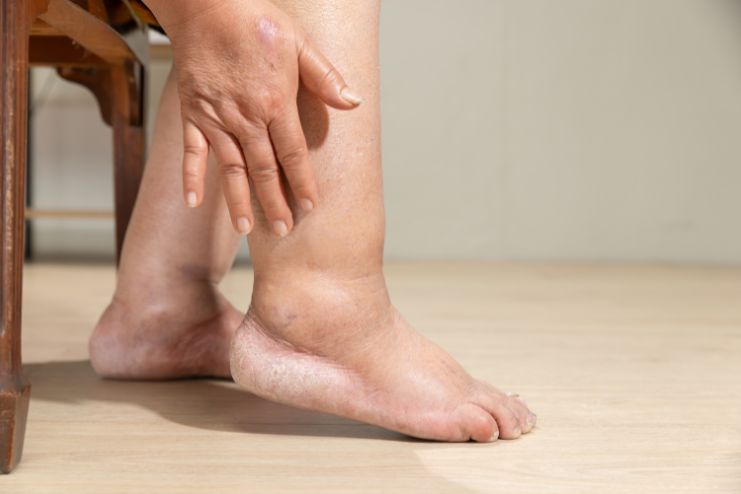
DOMS is the technical name for that deep, achy feeling you get after pushing your muscles harder than they’re used to. It’s especially common after workouts that emphasize eccentric movements, like lowering into a squat, slowly lowering weights, or running downhill.
What’s happening? Tiny, microscopic tears form in your muscle fibers. This isn’t harmful; it’s actually how your muscles grow stronger. The soreness you feel is the result of your body kicking off a natural repair process, which includes inflammation, fluid buildup, and increased sensitivity in the affected area.
According to a review by Connolly et al., eccentric movements like lowering weights or running downhill cause myofibrillar microtrauma, inflammation, and oxidative stress, explaining why DOMS develops and why gentle movement can ease it over time.
When It Starts
DOMS doesn’t hit right away. You might feel fine the same day you work out, but soreness typically kicks in 12 to 48 hours later, peaking between 24 and 72 hours, and then slowly easing off. That delayed timeline is what makes DOMS so sneaky; you often don’t know you’ve overdone it until the next morning.
Common Symptoms of DOMS
- Dull, achy pain across a broad area of muscle.
- Stiffness or reduced flexibility, especially after periods of rest.
- Tenderness when pressing on the muscle or using it.
- Mild swelling or a feeling of heaviness.
- Discomfort during movement, but usually not at rest or sleep.
DOMS usually affects both sides of the body equally (e.g., both legs after squats), and the pain is more diffuse, not sharp or pinpointed.
Recovery Timeline
For most people, DOMS resolves on its own in 2 to 5 days, depending on how intense or unfamiliar the activity was. The more regularly you train, the less severe DOMS tends to be; your muscles get better at adapting.
During this time, light activity like walking, stretching, or gentle mobility work can actually help reduce soreness. And while it might feel tempting to skip movement entirely, staying gently active tends to speed up recovery.
Bottom line: DOMS is totally normal, a little annoying, and, if you’re training smart, a sign that your muscles are building back stronger. But if your pain feels sharper, more intense, or doesn’t follow this timeline, it might be something else entirely. Keep reading to know the difference.
As Physiopedia explains, DOMS is considered a low-grade, Type 1B muscle strain that peaks around 48 hours post-exercise and resolves without medical intervention. This timeline is one of the most reliable ways to differentiate it from more serious injuries.
Read More: Best Foods to Eat Before Bed for Deep Sleep & Muscle Recovery
What Is a Muscle Injury?

While DOMS is part of the body’s normal adaptation to exercise, muscle injuries are a different story. These involve actual structural damage, ranging from overstretched fibers to full-on ruptures, and require a more careful approach to healing.
Common Types of Muscle Injury
- Strain: A mild to moderate overstretching or microscopic tearing of muscle fibers. This is the most common type of muscle injury.
- Pull: Another term for a strain, often used interchangeably, especially for low- to moderate-grade issues.
- Tear: A more serious injury involving a partial or complete rupture of the muscle. Tears often cause significant pain, swelling, and loss of function.
How Muscle Injuries Happen
Injuries often occur when the force exceeds what the muscle is ready to handle. Common causes include:
- Lifting too heavy too soon, especially without progressive training.
- Poor form or technique, placing strain on joints or soft tissues.
- Skipping warm-ups leaves muscles stiff and unprepared.
- Overtraining or repetitive overuse without adequate recovery.
- Sudden, explosive movements, especially in sports or HIIT-style workouts.
In a 2019 review, McHugh and Tyler note that while DOMS and strains both result from muscle overload, strains often occur during sudden forceful movements and present with immediate sharp pain and structural disruption, unlike DOMS, which follows a predictable recovery pattern.
Bonnie P. Gregory, MD, specializes in sports medicine and sees patients at UT Physicians Orthopedics at Ironman Sports Medicine Institute – Sugar Land. She explains, “Each person has a different threshold for physical activity… exceeding your threshold often results in pain and injury,” emphasizing why individualized awareness is key.
How to Recognize a Muscle Injury
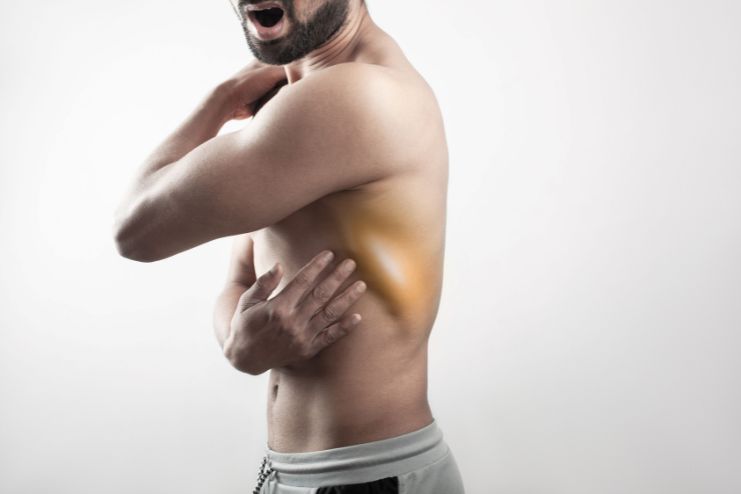
Unlike DOMS, which creeps in gradually, injuries usually come with sudden, specific pain, and your body knows something is wrong right away.
Key signs include:
- Sharp, stabbing pain that often stops you in your tracks.
- Pain during or immediately after the movement, not 12–48 hours later.
- Swelling or visible bruising, especially around the muscle or joint.
- Localized weakness, difficulty lifting, pushing, or bearing weight.
- Pain that worsens at rest, especially if it throbs or feels hot.
- A popping sensation at the time of injury, sometimes accompanied by instant swelling or dysfunction.
These aren’t “walk it off” moments. An injured muscle may prevent you from performing even basic movements, walking, lifting your arm, or climbing stairs, depending on the severity.
Muscle Soreness vs. Injury: How to Tell the Difference
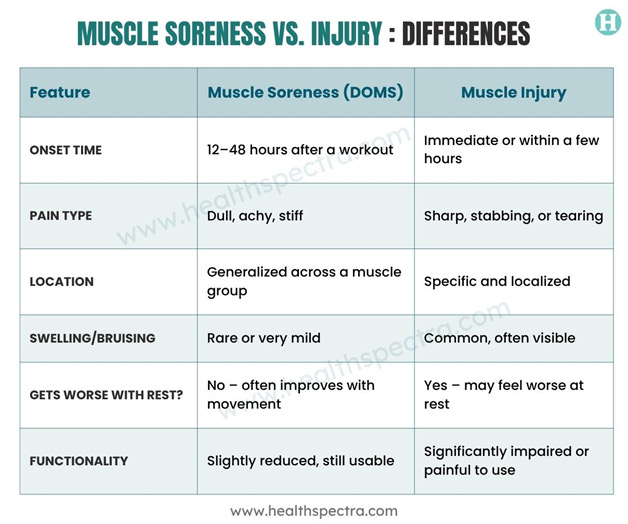
Use this table as a gut check when you’re unsure. If your discomfort is gradual, dull, and widespread, it’s likely just DOMS. But if the pain is sudden, sharp, or localized, and especially if it affects movement or worsens at rest, it’s more likely a true muscle injury and should be taken seriously.
When in doubt, it’s always better to pause and assess than to push through and regret. Your future workouts depend on it.
When to Push Through, and When to Back Off
Not every discomfort means you need to stop training. In fact, part of getting stronger is learning to move through mild soreness and fatigue. But there’s a line, and knowing where that line is can save you from long-term setbacks.
So how do you know when to keep going versus when to pull back?
A good starting point is this rule: If movement makes it feel better, it’s probably soreness. If movement makes it worse, it could be an injury.
Fitness professionals interviewed by Byrdie confirm this: mild DOMS usually improves with motion, while injuries intensify or cause compensatory movements, like limping or avoiding joint angles.
Soreness (DOMS) tends to ease up with light activity. A sore muscle might feel tight or achy when you start moving, but it often loosens up as blood flow increases. You might feel some discomfort during the warm-up, but it gradually fades as the session continues.
In contrast, injury pain often gets worse with movement, especially if it’s sharp, stabbing, or causes you to alter your form. If you find yourself limping, compensating, or wincing during basic movements, that’s your cue to stop.
You don’t always have to quit training completely. Often, it’s about modifying:
- Focus on unaffected muscle groups.
- Reduce intensity or volume.
- Switch to lower-impact movements.
- Replace resistance training with mobility work or active recovery.
Tuning into your body is a skill, and like any skill, it improves with practice. The goal isn’t to avoid all discomfort. It’s to distinguish between the productive kind that builds strength and the destructive kind that breaks it down.
Respecting your limits doesn’t make you weak. It keeps you in the game, stronger, safer, and smarter.
How to Manage Muscle Soreness
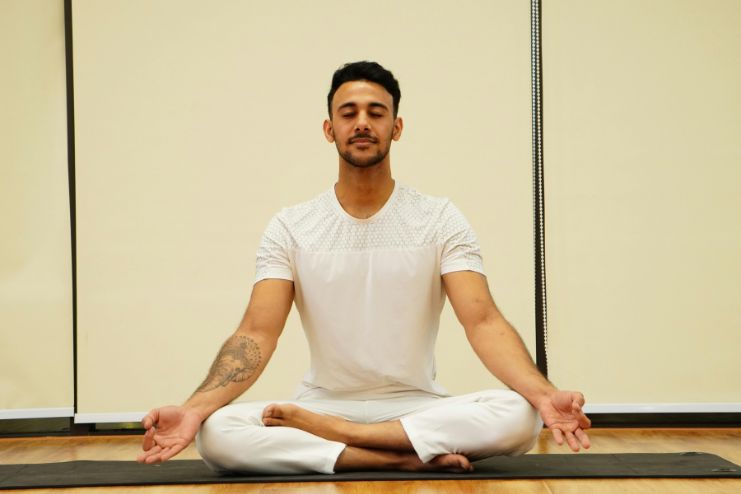
You don’t need to “push through” soreness like a badge of honor. Delayed Onset Muscle Soreness (DOMS) is a normal part of training, but that doesn’t mean you have to suffer through it. In fact, the right recovery tactics can reduce discomfort and help your muscles rebuild faster.
Here are simple, science-backed ways to support your recovery:
- Light Movement: Gentle activity like walking, cycling, or restorative yoga can get blood flowing without straining sore muscles. Movement increases circulation, which helps deliver nutrients and clear out metabolic waste, speeding up healing.
- Stretching: Mild, controlled stretching can ease stiffness and restore range of motion. Focus on moving within a comfortable range, and avoid aggressive stretching that pulls on already-sensitive tissue.
- Foam Rolling: Using a foam roller helps release muscle tension and improve blood flow. Target the surrounding areas too, not just the sore spots. Roll slowly and gently, no need to grind through the pain.
- Warm Baths or Showers: Soaking in a warm bath or standing under a hot shower can relax tight muscles and improve mobility. Bonus points for adding Epsom salts, which may help with muscle recovery (even if only by promoting relaxation).
- Stay Hydrated: Dehydration can worsen muscle cramping and slow recovery. Drink water consistently, especially after workouts, to keep circulation smooth and tissues well-nourished.
- Massage: A light massage (even self-massage) can help reduce muscle tightness and stimulate lymphatic drainage. Think of it as a manual “reset” for sore areas.
- Use Anti-Inflammatories Sparingly: If the soreness is disrupting daily life, over-the-counter anti-inflammatories like ibuprofen may help, but use them cautiously and consult a doctor. Frequent use can blunt muscle growth or hide injury-related pain.
Should You Keep Training With DOMS?
In most cases, yes, but be smart about it. Avoid hitting the same sore muscles at high intensity. Instead, shift focus to another muscle group or opt for active recovery days. Soreness is a signal, not a stop sign.
Bottom line: DOMS doesn’t need to sideline you, but your recovery deserves just as much attention as your training. Treat your body kindly, it’s what turns soreness into strength.
What to Do If It’s a Muscle Injury
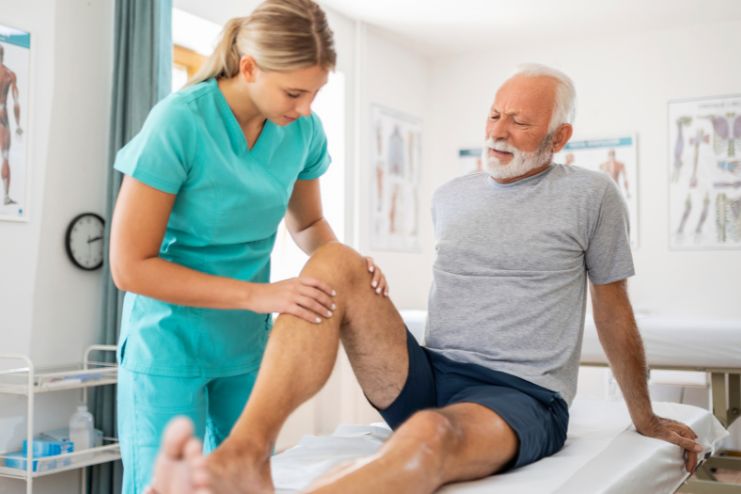
If you suspect a muscle injury, don’t try to “walk it off.” That might work for soreness, but not for actual damage. In the early stages of injury, rest and protection are critical. Pushing through can turn a mild strain into a serious setback.
The R.I.C.E. Method: Your First Line of Defense
Use this trusted method in the first 24–72 hours after injury to reduce swelling, control pain, and prevent further damage:
- R – Rest: Avoid using the injured muscle. Stop activity immediately and give the area time to heal.
- I – Ice: Apply a cold pack for 15–20 minutes every 2–3 hours. Always wrap the ice in a towel to protect your skin.
- C – Compression: Use an elastic bandage or compression sleeve to minimize swelling and provide support.
- E – Elevation: Raise the injured area above heart level when possible. This helps reduce fluid buildup and swelling.
Pain Management Tips
- OTC medications like ibuprofen or acetaminophen can help reduce inflammation and manage pain, but check with your healthcare provider, especially if you have other conditions or take medications.
- Avoid deep tissue massage or intense stretching in the first 48 hours. This can worsen tissue damage. Gentle movement may be okay later, but wait until inflammation subsides or get professional guidance.
When to See a Doctor
Not sure if it’s serious? Don’t guess. These are clear signs you need medical input:
- Pain that persists beyond a week or gets worse over time.
- Inability to use the muscle normally, such as walking, lifting, or bending.
- Noticeable swelling, bruising, or warmth that doesn’t improve.
- Signs of tendon or ligament involvement, like joint instability or popping sounds.
- Ongoing weakness or muscle fatigue, even after rest.
Reach out to a sports medicine doctor, orthopedist, or physical therapist. They can offer a proper assessment, order imaging if needed, and create a rehab plan that gets you back on track safely.
Bottom line: Early care makes a massive difference.
Tips to Prevent Muscle Injury and Soreness

The best treatment is prevention. Here’s how to keep your muscles healthy and strong, without overdoing it.
- Prioritize Warm-Ups: Dynamic stretching and light cardio warm up your muscles and prepare them for movement. Cold muscles are more prone to tears.
- Cool Down Properly: Finish your workout with gentle stretching and deep breathing to reduce tension and support recovery.
- Increase Intensity Gradually: Avoid jumping into high-intensity or heavy-weight training too quickly. Let your muscles adapt over time.
- Focus on Form and Technique: Using proper alignment and movement patterns helps distribute load evenly and prevents overload.
- Cross-Train and Rest: Vary your workouts to avoid overusing the same muscle groups. Schedule rest days to allow time for repair and growth.
- Listen to Your Body: Pain is information. If something feels wrong, stop. Don’t wait for a “snap” to tell you you’ve gone too far.
Conclusion
Soreness is your body’s way of saying, “I’m adapting. I’m getting stronger.” It’s a normal, even welcomed, part of training. But not all pain is created equal, and learning the difference between muscle soreness and injury is what separates progress from setbacks.
Listening to your body isn’t a weakness; it’s wisdom.
- Soreness? Embrace it, support recovery, and keep moving.
- Sharp pain or dysfunction? Pause, assess, and protect your long game.
Your fitness journey should build strength, not sideline you with avoidable injuries. So train hard, but train smart. Respect the signals. And when something feels off, don’t ignore it.
References
- https://www.physio-pedia.com/Muscle_Injuries
- https://pmc.ncbi.nlm.nih.gov/articles/PMC4799202/
- https://my.clevelandclinic.org/health/diseases/22336-muscle-strains
- https://www.mayoclinic.org/diseases-conditions/muscle-strains/symptoms-causes/syc-20450507
- https://www.sciencedirect.com/topics/pharmacology-toxicology-and-pharmaceutical-science/muscle-injury
- https://www.hss.edu/health-library/conditions-and-treatments/muscle-strain
- https://www.physio-pedia.com/index.php/Muscle_Injuries
- https://pmc.ncbi.nlm.nih.gov/articles/PMC4592039/
- https://www.hopkinsmedicine.org/health/conditions-and-diseases/sports-injuries/preventing-sports-injuries
- https://www.hopkinsmedicine.org/health/conditions-and-diseases/sports-injuries/preventing-sports-injuries
- https://www.dmc.org/healthy-living/corporate-content/seven-ways-to-prevent-sprains-and-strains
- https://www.decathlon.ie/content/157-7-tips-for-avoiding-sore-muscles-injuries
- https://pptandfitness.com/7-ways-to-prevent-muscle-pain-and-injuries/
- https://worldathletics.org/personal-best/performance/how-prevent-manage-rehab-muscle-injuries
- https://www.houstonmethodist.org/blog/articles/2021/sep/muscle-soreness-after-a-workout-can-it-be-prevented/
- https://www.tenethealth.com/healthy-living/corporate-content/7-common-home-workout-injuries-and-how-to-prevent-them
In this Article