











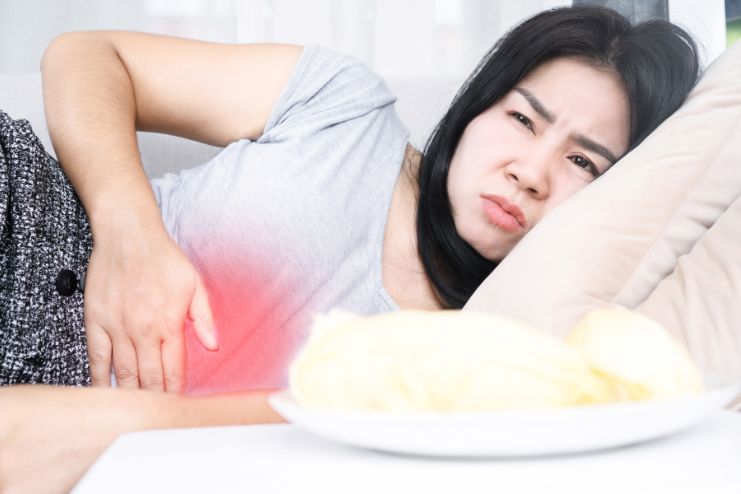
Ever wake up feeling light and at ease, only to feel like your stomach is a balloon at night? If you’re bloated during the evening but not in the mornings, know you’re not alone. This rather common problem is more than just a nuisance—it’s usually a reflection of how your body handles your daily cycle, eating habits, and digestive process.
Understanding why bloating happens throughout the day and how to avoid it can be of huge importance to your comfort, confidence, and well-being. In this article, let us understand it all and learn about certain causes, and remedies related to bloating.
Read More: Does Cardamom Reduce Bloating? How This Ancient Spice Supports a Flatter Stomach
What Is Night-Time Bloating?

Night-time bloating is defined as a feeling of tightness, swelling, or gassiness in the belly that usually gets worse as the day goes on. Unlike chronic or ongoing bloating that may be indicative of an underlying medical issue, this kind of bloating expires by morning, usually without help.
It’s typically associated with how your digestive system operates on a 24-hour cycle, what and how much you eat, your gut motility, and occasionally, hormonal or lifestyle reasons. The defining feature is that it goes away by morning—a major difference from chronic bloating.
Why You Wake Up Flat but Feel Bloated by Night

Your digestive system runs on a circadian rhythm, or it works differently at different times of the day. Digestion is usually more active during the day. In the evening and while sleeping, gut motility decreases.
- Gravity and Posture: As you are up and about, gravity helps with moving food and gas along the intestines. If you lie down later in the day or after eating, that movement slows.
- Slowdown Digestion: Your body’s “rest and digest” activity takes over during the evening, but ironically, digestion slows as melatonin increases and your body winds down for sleep.
- Gas and Waste Buildup: With each meal and beverage, your GI tract creates gas, some swallowed air, and some from the fermentation by gut bacteria. If you’re not passing gas effectively because of inactivity or constipation, it gathers or gets worse at night.
- Stress and Sitting: Excessive daytime stress, prolonged sitting time, and poor posture can impact digestion and lead to gas trapping, resulting in a feeling of bloating.
That is why you wake up with a flatter tummy, your digestive system has passed out trash and gas overnight, but becomes increasingly bloated by evening.
Read More: 10 Ways Prevent To Stomach Bloating- Causes and Remedies
Common Causes of Bloating at Night Only

Let’s examine the exact culprits behind why evening bloating worsens:
a) Overeating at Night: Consuming a large dinner, late-night snacking, or eating multiple courses in a single sitting can overburden the stomach and worsen digestion. The later you eat before bedtime, the higher the chances that food will remain in your GI tract, causing fermentation and gas.
b) Gas-Producing Foods: Some foods inherently produce more gas. These include:
- Cruciferous vegetables (broccoli, cauliflower, cabbage)
- Beans and lentils
- Carbonated beverages
- Artificial sweeteners such as sorbitol and xylitol
If they’re included in your supper or late-night snack, you’re more likely to get bloated.
c) Intolerances: Common intolerances, such as lactose, gluten, and high-FODMAP foods, are typically responsible for delayed bloating, which may happen if they’re consumed later in the day. You might not notice anything until hours later, so it may appear to you like bloating just “out of the blue” occurs at night.
d) Constipation: If bowel movements are slow or incomplete, there is less space for gas to move and pass out. Waste stays in your colon longer, ferments more, and generates pressure.
e) Hormonal Changes: In women, hormonal changes during ovulation or menstruation can delay digestion and cause bloating. Progesterone, especially, relaxes smooth muscles, such as the gut, slowing down motility and water retention.
f) Sedentary Evenings: Spending your evening sitting or lying down immediately after eating can trap gas and slow down digestive movement, especially if your core posture is slouched.
Is It Bloating—or Belly Fat/Water Retention?
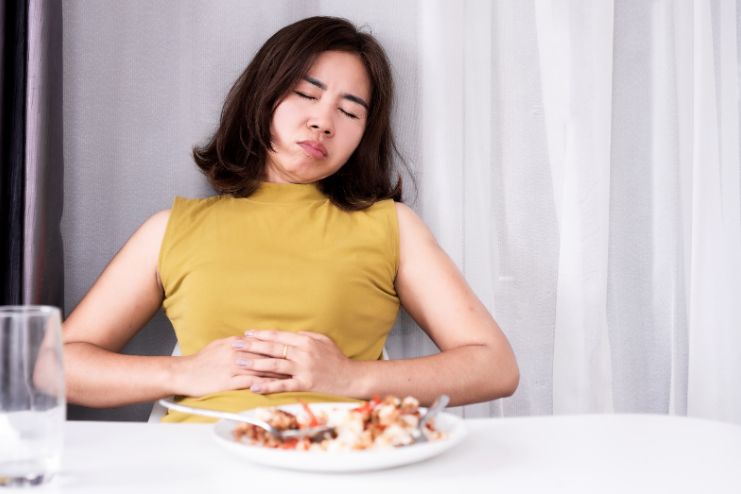
Sometimes what feels like bloating might be:
- Water Retention: Especially if you’ve consumed salty foods, your body may hold onto more fluid, giving your abdomen a puffy appearance.
- Weight Gain or Fat: In contrast to bloating, which is transient and may be better by morning, fat gain persists and doesn’t get better in the morning.
- Hormonal Fluid Shifts: Common in premenstrual women, this can feel like bloating but is often due to fluid retention rather than gas buildup in the gut.
Bloating is typically uncomfortable, and is often accompanied by belching, passing gas, or gurgling of the abdomen—features not characteristic of fat or water retention.
How to Reduce Night-Time Bloating

Rethink Your Meal Timing: Try to have a heavy lunch rather than heavy dinner, and eat a light meal in the evenings for easy digestion. Try not to eat for at least 2-3 hours before going to bed.
Eat Mindfully: Masticate your food well and eat slowly. This minimizes the amount of air swallowed and provides your digestive enzymes with time to start breaking down food correctly.
Avoid Known Triggers in the Evening: Avoid gas-forming and fatty foods in the evening to avoid late-night bloating. Reduce sodium foods and avoid carbonated beverages after 5 p.m. If food intolerances are suspected, use an elimination diet or maintain a food diary.
Walk After Dinner: A mild 10- to 15-minute walk after dinner can improve digestion and push gas through the intestines to help reduce bloating.
Try Herbal Teas: Herbal teas such as peppermint, ginger, fennel, and chamomile teas are carminative in nature and will ease the digestive tract and decrease gas.
Support Your Gut Health: Think about adding probiotics in the form of supplements or fermented foods such as yogurt, kefir, or sauerkraut to support a beneficial balance of gut bacteria. Digestive enzymes can help if your body has trouble digesting certain macronutrients.
Stay Hydrated: Drink water during the day, and not by gulping a lot of it at once with meals. This allows for smooth digestion and avoids water retention.
Manage Stress: Try relaxation exercises like deep breathing, meditation, or yoga. Excessive stress can impact digestion and cause bloating.
Read More: 15 Effective Home Remedies to Relieve Stomach Bloating
When Should You See a Doctor?
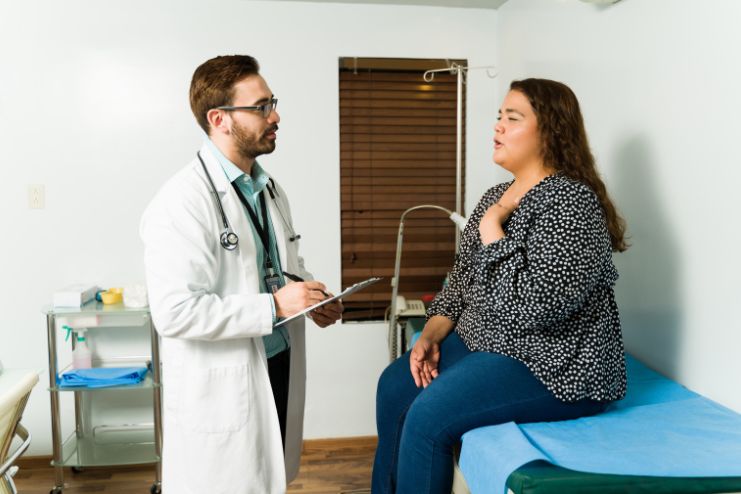
While the occasional night-time bloating is normal, particularly after eating a large meal or having a lazy day, certain instances call for medical care.
You should consult a doctor if:
- Bloating is painful or happens daily
- You’re losing weight without trying
- You experience vomiting, blood in stool, or persistent diarrhea/constipation
- Bloating disrupts your sleep or daily life
These could be signs of conditions like irritable bowel syndrome (IBS), small intestinal bacterial overgrowth (SIBO), food intolerances, or even ovarian or colon-related issues.
Conclusion: Getting to the Bottom of Night-Time Bloating
Experiencing bloating only at night and not in the morning is usually a combination of natural digestive cycles augmented by consumption, stress, position, or hormone shifts. The good news: Most causes are self-controllable and easily treatable.
By tweaking what and when you consume, being active in the evening, keeping stress in check, and taking care of your gut through the right foods and supplements, you can eliminate or reduce this annoying syndrome.
If symptoms continue even after making these adjustments, don’t hesitate to see a professional; your gut health is worth it.
References
- https://www.hopkinsmedicine.org/health/wellness-and-prevention/bloating-causes-and-prevention-tips
- https://www.bangaloregastrocentre.com/blog/understanding-sibo-symptoms-causes-and-effective-solutions
- https://continentalhospitals.com/blog/gas-and-bloating-what-to-avoid/
- https://ms.muthushospital.com/obstetrics-gynaecology-ovulation-symptoms-remedies/
- https://continentalhospitals.com/blog/gas-and-bloating-what-to-avoid/
- https://pmc.ncbi.nlm.nih.gov/articles/PMC4202369/
In this Article