














For many women, periods are just a monthly inconvenience — uncomfortable, but manageable. But for others, they’re something far more disruptive: soaking through pads every hour, passing clots, and planning every outing around bathroom breaks. If that sounds familiar, there’s a chance you’re dealing with more than just a “heavy flow.” It could be something known as menorrhagia, the medical term for abnormally heavy menstrual bleeding.
Here’s the thing — what counts as “heavy” can be incredibly subjective. But overlooking the signs can lead to bigger health issues down the line, including iron deficiency and even fertility challenges.
In this article, we’ll explore what heavy menstrual bleeding really means, what symptoms to watch out for, the possible underlying causes, and when it’s time to seek medical support. We’ll also look at how this condition is diagnosed and what treatment options are available, so you can better understand your body and take charge of your health.
What Counts as Heavy Menstrual Bleeding?
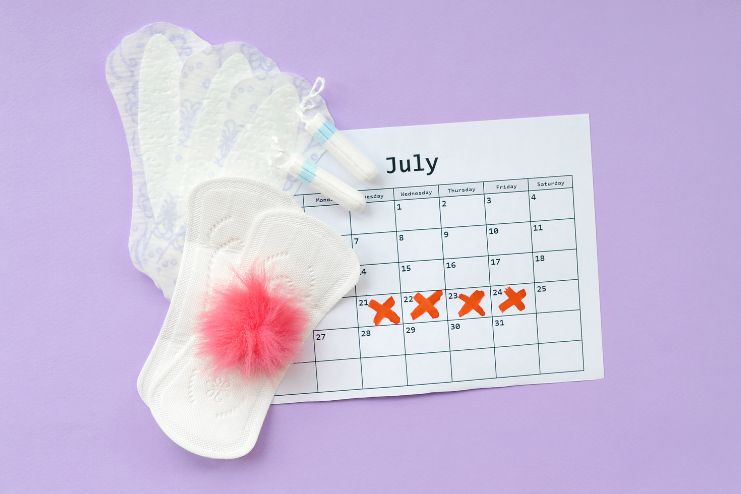
So, how much bleeding is too much? It’s a question many women brush aside, assuming their experience is just part of the package. But when your period starts interfering with daily life — that’s a signal your body might be trying to tell you something.
According to the American College of Obstetricians and Gynecologists (ACOG), some common signs that your period might be classified as menorrhagia (aka heavy menstrual bleeding) include:
- Bleeding for more than seven days.
- Soaking through one or more pads or tampons every 1–2 hours.
- Passing blood clots larger than a quarter.
- Needing to double up on protection (like using a pad and tampon together).
- Waking up in the middle of the night to change your pad/tampon.
- Feeling constantly fatigued, lightheaded, or dizzy due to blood loss (signs of anemia).
Still unsure? Start tracking. Use a period tracking app or simply jot things down in a journal. Note how many pads or tampons you’re using, what size clots you’re seeing, and how your body feels overall during your period. These details can offer clarity when you’re talking to a doctor and help validate what you’re experiencing.
Dr. Kavita Sharma, gynecologist at Fortis Healthcare, emphasizes: “Don’t just rely on what your friends go through. Use your own body as the reference point. If something feels off or excessive, that’s reason enough to check in with your doctor.”
Bottom line: heavy bleeding isn’t something you need to tough out or ignore. Your comfort, energy, and health matter, and there are solutions out there.
Read More: What Your Period Blood Color Says About Your Health
Possible Causes of Heavy Periods

Heavy menstrual bleeding isn’t always “just the way your body is.” Often, there’s an underlying reason, and understanding it is the first step toward relief. Here are some common causes:
1. Hormonal Imbalances
Hormones are like the conductors of your menstrual orchestra. When they fall out of rhythm, your cycle can become longer, heavier, and more unpredictable.
- Estrogen dominance: When estrogen outweighs progesterone, it can cause the uterine lining to thicken more than usual, leading to heavier bleeding when it’s shed.
- Thyroid issues: An underactive thyroid (hypothyroidism) can disrupt menstrual regulation, making periods longer and heavier.
“Estrogen dominance doesn’t just cause heavier periods—it often walks hand-in-hand with mood swings, breast tenderness, and bloating,” says Dr. Andrea Moore, OB-GYN at Cedars-Sinai Medical Center.
2. Uterine Conditions
Certain physical changes in the uterus can also lead to excessive bleeding.
- Fibroids: Non-cancerous growths in or around the uterus that increase blood flow and cramping.
- Polyps: Small benign growths on the uterine lining that can trigger irregular or heavy bleeding.
- Endometriosis: Tissue similar to the uterine lining grows outside the uterus, causing inflammation, pain, and heavy periods.
- Adenomyosis: The uterine lining grows into the muscle wall of the uterus, often resulting in prolonged and painful periods.
3. Bleeding Disorders
While rare, bleeding disorders are often overlooked, especially if heavy periods have been present since adolescence.
- Von Willebrand disease
- Platelet function disorders
If you bruise easily, bleed excessively from cuts, or need dental work and bleed more than usual, it’s worth discussing with your doctor.
4. Other Medical Factors
A few more potential culprits:
- PCOS: Polycystic ovary syndrome can sometimes cause skipped cycles followed by very heavy bleeding, due to thickened uterine lining.
- Perimenopause: Hormones fluctuate dramatically during this transition, often causing irregular and heavy bleeding patterns.
- IUD complications: Particularly with copper IUDs, many women report heavier bleeding in the first few months after insertion.
The takeaway? Heavy periods can have a range of causes — some hormonal, some structural, and some systemic. You don’t have to guess. With proper evaluation and care, the mystery (and the misery) can be resolved.
Read More: 26 Things You Should Avoid During Periods – Experts’ Advice!
When to Worry: Red Flag Symptoms
Not every heavy period is a crisis, but some signs indicate it’s time to stop pushing through and start paying attention. If any of these sound familiar, don’t ignore them:
- Soaking through a pad or tampon every hour for several consecutive hours.
- Passing large blood clots — anything bigger than a grape is a red flag.
- Dizziness, lightheadedness, or feeling faint, especially during your period.
- Unusual fatigue or shortness of breath, even after adequate rest.
- Missing school, work, or avoiding social plans because of period symptoms.
These aren’t just inconveniences — they’re signals from your body that something’s not right.
If you’re adjusting your entire life around your period, it’s time to advocate for yourself. Heavy bleeding might be common, but it’s not something you have to just live with.
How It Impacts Your Health Over Time
Heavy menstrual bleeding isn’t just a monthly hassle — over time, it can take a serious toll on your body and mind. Here’s how:
1. Iron-Deficiency Anemia
Chronic blood loss gradually depletes iron stores, leading to:
- Constant fatigue, even after rest
- Pale skin and brittle nails
- Hair thinning or shedding
- Cold hands and feet
This isn’t just tiredness — it’s your body struggling to function without enough oxygen-rich blood.
2. Chronic Fatigue
Heavy bleeding demands a lot from your body. You might feel physically weak, emotionally drained, and mentally foggy, no matter how much sleep you get.
3. Emotional and Mental Health
Living with unpredictable or intense bleeding can chip away at your confidence. Many women report:
- Heightened anxiety and social withdrawal
- Low self-esteem due to stains, leaks, or pain
- Mood dips or depressive symptoms are tied to hormonal changes and isolation
4. Fertility Concerns
Underlying causes like fibroids, endometriosis, or hormonal imbalances don’t just affect your cycle — they can interfere with ovulation, egg quality, or implantation, making conception more difficult.
Heavy periods aren’t something to tough out — they’re a signal. Paying attention now can protect your future health, energy, and even fertility.
Diagnosis: What Tests Might Be Done
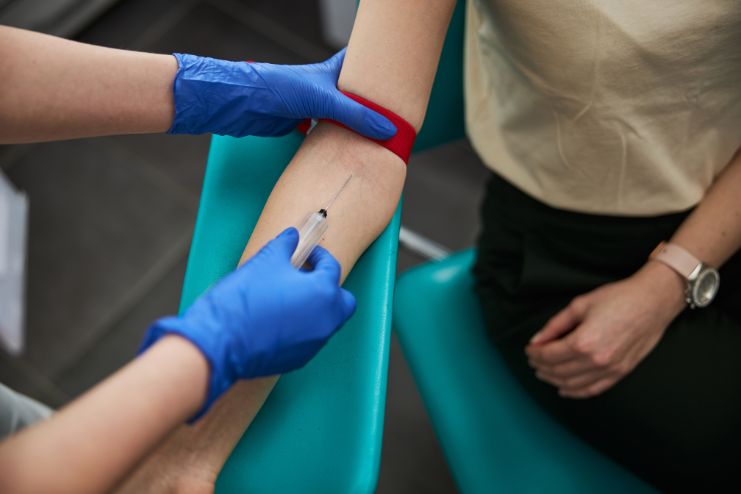
If you tell your doctor about heavy menstrual bleeding, the first step will likely be a thorough history and a pelvic exam. But to understand what’s really going on, further tests may be needed:
Pelvic Ultrasound
This imaging test helps detect:
- Uterine fibroids or polyps
- Endometrial (lining) thickness
- Ovarian abnormalities
It’s non-invasive and often the first go-to tool.
Hormonal Blood Panels
These tests evaluate levels of:
- Estrogen and progesterone
- Thyroid hormones (to rule out hypo/hyperthyroidism)
- Other reproductive hormones that influence your cycle
Imbalances here can often explain irregular or heavy bleeding.
Blood Clotting Tests
If you’ve always had heavy periods, bruise easily, or bleed after dental work or injuries, your doctor might check for:
- Von Willebrand disease
- Platelet function disorders. These are rare but important to catch early.
Endometrial Biopsy
For women over 35, or if there’s unexplained bleeding or thickened uterine lining, a small sample of the endometrium may be taken to rule out:
- Endometrial hyperplasia
- Uterine (endometrial) cancer
A proper diagnosis guides proper treatment, and puts you back in control of your cycle.
Treatment Options Based on Cause
Managing heavy menstrual bleeding isn’t one-size-fits-all. The best approach depends on the underlying cause, your age, symptoms, and whether you’re planning to have children in the future.
Medications
- Hormonal Therapies (like birth control pills or hormonal IUDs): Help regulate your cycle, reduce endometrial buildup, and lighten periods over time.
- Tranexamic Acid: A non-hormonal medication taken during your period to reduce blood loss by helping your blood clot more effectively.
- NSAIDs (like ibuprofen): These reduce inflammation, ease cramps, and can lower bleeding volume by up to 50%.
- Iron supplements or IV Iron: If blood loss has led to anemia, restoring iron is crucial for energy, immune function, and overall health.
Surgical Options
- D&C (Dilation and Curettage): A short procedure to gently remove the excess uterine lining and stop abnormal bleeding.
- Endometrial Ablation: Destroys the uterine lining to significantly reduce or even stop bleeding. Best for women done with childbearing.
- Myomectomy: Surgically removes fibroids while preserving the uterus — ideal for women who still want to have children.
- Hysterectomy: Complete removal of the uterus. It’s considered a last resort when other treatments fail and a future pregnancy isn’t desired.
The right treatment brings relief, restores energy, and gives you back your rhythm. Heavy bleeding doesn’t have to be your norm.
Lifestyle Support and Natural Remedies
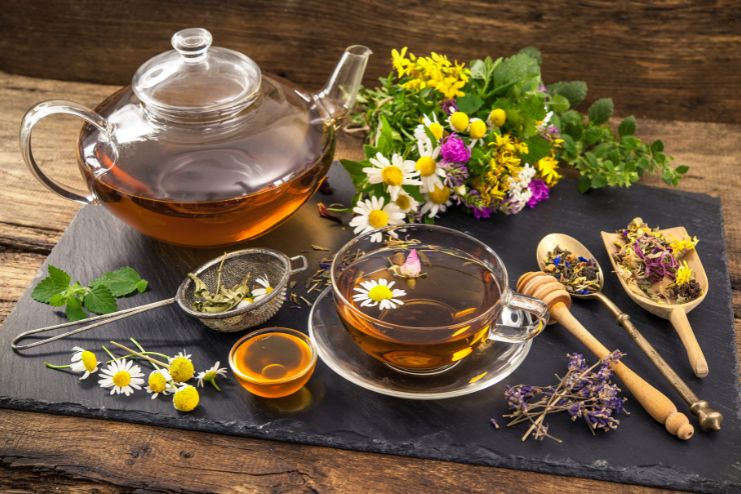
While lifestyle changes and natural remedies may not cure underlying conditions like fibroids, PCOS, or endometriosis, they can make a significant difference in managing symptoms and improving overall hormonal health.
Nutrition: Fuel That Supports Balance
What you eat can either support or disrupt your hormonal health. For women dealing with heavy periods, certain nutrients and anti-inflammatory foods can help:
- Iron-rich foods: Leafy greens (spinach, kale), legumes (lentils, chickpeas), eggs, and lean meats help replenish lost iron and combat fatigue.
- Omega-3 fatty acids: Found in flaxseeds, walnuts, chia seeds, and fatty fish (like salmon), they help reduce inflammation and support hormonal balance.
- Anti-inflammatory spices: Turmeric, cinnamon, and ginger may help ease cramping and reduce blood flow when used consistently.
Herbal Remedies: Nature’s Gentle Support
Some herbs have been used for generations to support menstrual health:
- Chasteberry (Vitex agnus-castus): May help regulate hormone levels and ease PMS-like symptoms.
- Ginger: Can help reduce both menstrual pain and excessive bleeding in some women.
Important: Always consult your doctor before starting any herbal supplements, especially if you’re already on medications or managing a diagnosed condition.
Stress and Sleep: The Underrated Hormone Helpers
Your stress levels directly influence the hypothalamic-pituitary-ovarian (HPO) axis, which governs your menstrual cycle. Chronic stress or poor sleep can throw hormones further out of balance.
- Prioritize quality sleep (7–9 hours/night)
- Practice gentle movement like yoga or walking
- Try mindfulness techniques or therapy to reduce stress load
Read More: 20 Best Foods to Eat During Periods and 11 Foods to Avoid
Conclusion
Heavy periods are often brushed off as something women just have to “deal with.” But when your cycle begins to interfere with your daily life, your energy, or your peace of mind, it’s no longer just a nuisance — it’s a signal. Your body is speaking, and it deserves to be heard.
Too many women normalize their pain and exhaustion, quietly adjusting their routines, canceling plans, and suffering in silence. Whether the cause is hormonal, structural, or something deeper, know this: you are not alone, and you are not helpless. With the right diagnosis, support, and care, there is a path to relief. Don’t wait for it to get worse — trust your instincts, advocate for your body, and seek the help you deserve.
References
- https://my.clevelandclinic.org/health/diseases/17734-menorrhagia-heavy-menstrual-bleeding
- https://www.mayoclinic.org/diseases-conditions/menorrhagia/symptoms-causes/syc-20352829
- https://www.betterhealth.vic.gov.au/health/conditionsandtreatments/heavy-periods
- https://www.webmd.com/women/heavy-period-causes-treatments
- https://www.ncbi.nlm.nih.gov/books/NBK279294/
- https://www.cdc.gov/female-blood-disorders/about/heavy-menstrual-bleeding.html
- https://www.acog.org/womens-health/faqs/heavy-menstrual-bleeding
- https://www.medicalnewstoday.com/articles/295202
- https://patient.info/womens-health/periods-and-period-problems/heavy-periods-menorrhagia
- https://www.healthline.com/health/how-to-stop-heavy-periods
- https://www.medicalnewstoday.com/articles/325965
- https://www.spirehealthcare.com/health-hub/specialties/womens-health/how-to-stop-heavy-periods/
- https://www.medicinenet.com/how_can_i_stop_prolonged_periods_naturally/article.htm
- https://www.ovumhospitals.com/blog/tips-for-managing-heavy-menstrual-bleeding-naturally
In this Article