











A balanced diet is essential for achieving your longevity objectives and maintaining healthy aging. In addition to weight, diet impacts heart health, the immunological system, cognitive function, and the risk of developing chronic diseases.
While many individuals focus on incorporating supplements and superfoods into their routines, they often overlook the risks associated with everyday foods. Over time, certain foods can gradually impair your health and reduce your life expectancy.
The article explains five foods that may undermine your longevity goals despite their seeming familiarity or convenience. These foods and drinks, which range from processed meats to sugary beverages, might exacerbate metabolic problems that accelerate aging, high blood pressure, and inflammation. By recognizing and avoiding certain foods, you can make more informed dietary decisions that promote long-term health, increase vitality, and keep you thriving for years to come.

Read More: How to Spot ‘Healthy’ Foods That Are Actually Harmful
1. Processed Meats
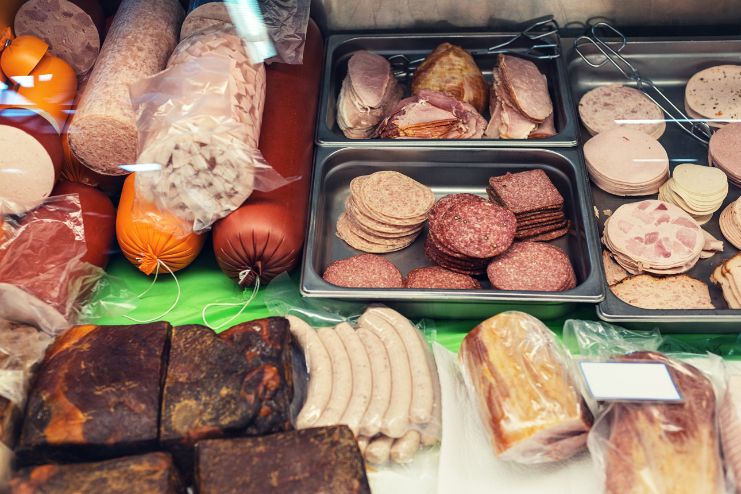
Processed meats, such as hot dogs, sausages, bacon, and deli meats, are very convenient, but they can shorten your life expectancy. Experts consider any kind of meat that has been altered by salting, curing, smoking, or the addition of chemical preservatives to be processed.
In addition to saturated fat, many meats undergo this transformation, which often results in processed meats having a high salt concentration. The additional salt can rapidly raise blood pressure, weight, and the risk of heart disease—three prominent causes of CVD.
According to a study, compared to eating no processed meat, consuming 150 grams (a little more than 5 ounces) or more of processed meat per week raises the risk of cardiovascular disease by around 46% and the chance of death by around 50%.
A 2021 study that examined 135,000 people’s meat consumption was published in “Eating processed beef dramatically increases the risk of cardiovascular disease, according to the research published in the American Journal of Clinical Nutrition.
While restricting or eliminating processed meats from your diet is a terrific way to stay healthy, maintaining heart health requires a multidimensional strategy that includes regular physical activity, healthy lifestyle choices, and a nutritious diet.
To safeguard your long-term health, consider replacing processed meats with healthier options, such as fresh fish, lean poultry, plant-based proteins like tofu or lentils, and nuts and seeds. These choices lower your chance of developing diseases that shorten your life and promote healthy aging.
2. Sugary Beverages

Sugar gets a mixed reputation when it comes to health. Sugar is a natural component of all meals that include carbs, such as grains, dairy products, fruits, and vegetables.
It’s acceptable to eat complete foods that naturally contain sugar. Protein and calcium are found in dairy products, while fiber, essential minerals, and antioxidants are found in plant foods.
These foods’ sugar provides your cells with a consistent energy source because your body breaks it down gradually. Experts have shown that eating a diet that is rich in fruit, vegetables, and whole grains lowers the risk of developing any kind of chronic illnesses like diabetes, heart disease, and several types of cancer.
The U.S. government reports that an average American consumes around 20 teaspoons of sugar on a daily basis. In comparison, the American Heart Association recommends around six teaspoons for women and nine teaspoons for men daily.
High sugar intake is linked to obesity, according to numerous studies. Because sugar contains additional calories, consuming large amounts can lead to weight gain. The body stores excess calories as fat if it doesn’t burn them off, leading to weight gain and possibly obesity.
The main components of the American diet are cereals, cookies, cakes, chocolates, fruit drinks, soft drinks, and flavored yogurts. Added sugar is often found in meals you might not think of as sweet, such as bread, cured meats, ketchup, and soups.
Diabetes, heart disease, and some types of cancer are among the health problems linked to obesity, which is often caused by eating too much sugar.
The emotional toll, which includes depression or poor self-esteem, adds another dimension to physical health. Maintaining a healthy weight is not only a matter of personal preference but also an essential step in preserving personal health and lessening the burden on our healthcare system.
Read More: Gout Relief Starts Here: Ultimate Guide on Foods to Eat and Avoid
3. Refined Grains
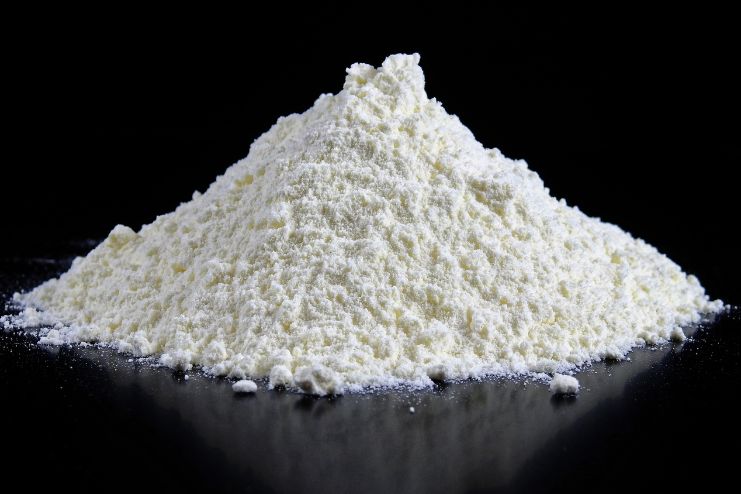
Numerous entire meals that are high in carbohydrates are rich in nutrients and healthful. Conversely, refined or simple carbohydrates have been stripped of most minerals and fiber. Consuming refined carbohydrates is associated with a significantly elevated risk of numerous illnesses, such as type 2 diabetes, obesity, and heart disease.
Most nutritionists concur that consuming fewer refined carbohydrates is a good idea. Refined carbs might be thought of as “empty” calories because they have been depleted of almost all fiber, vitamins, and minerals. They are also quickly absorbed and have a high glycemic index.
It indicates that they cause quick increases in insulin and blood sugar levels following meals.
When you consume refined or simple carbohydrates, your bloodstream becomes overloaded with sugar, causing your insulin levels to rise and remove the excess sugar. Soon after eating, all of this insulin may cause you to feel hungry and frequently need more sugary carbohydrates.
Overeating, weight gain, and eventually insulin resistance and type 2 diabetes can result from this.
Experts have linked diets high in sugar and refined carbohydrates to high blood pressure, heart disease, obesity, hyperactivity, mood disorders, and even youth suicide.
Select whole grains, such as barley, quinoa, brown rice, oats, and whole wheat pasta or bread, to safeguard your health. These choices support stable blood sugar and long-term health by offering more fiber, vitamins, and sustained energy.
Read More: 20 Ways To Stop Overeating – Get Rid Of The Unnecessary Addiction
4. Fried Foods
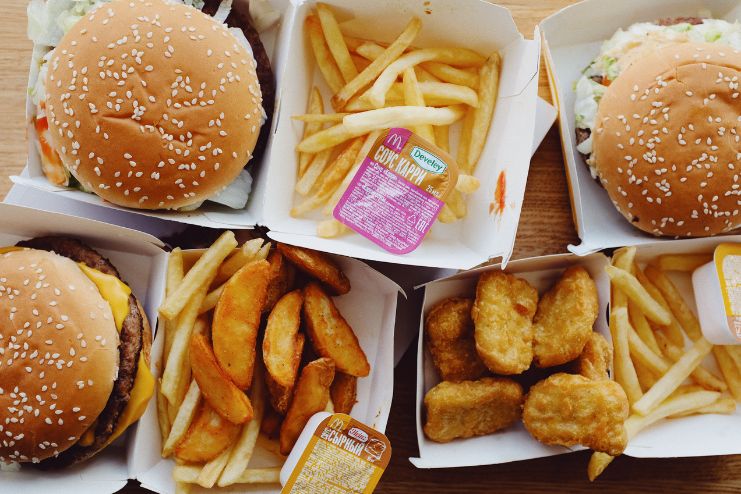
Deep-frying is a popular cooking technique worldwide. Fast-food restaurants and companies frequently use it as a quick and affordable method of meal preparation.
You can deep-fry almost anything, but popular fried dishes include mozzarella sticks, chicken strips, french fries, and fish.
Usually, food is covered with flour or batter before being fried. Additionally, when cooked in oil, the food absorbs fat and loses water, increasing its calorie content.
Frying adds extra calories to foods that are otherwise nutritious. Put another way, when food is fried, some of the oil is absorbed by the food, adding fat and increasing its calorie content significantly compared to what it would have been otherwise.
Trans fats, which are found in fried foods, are known to increase the risk of cardiovascular disease.
Certain foods, such as milk and meat, naturally contain trace levels of trans fats. However, the process of producing food also results in the formation of trans fats.
Use healthy cooking techniques like baking, grilling, steaming, or air-frying to help you reach your longevity objectives. These substitutes make meals more filling and heart-healthy, preserving nutrients without adding unhealthy fats or extra calories.
5. High-Sodium Foods

Limiting salt intake is one of the primary guidelines for a heart-healthy diet. Every day, American consumes over 1½ teaspoons of salt daily, roughly 50% higher than what is advised. Excessive sodium intake is closely associated with high blood pressure.
Foods from practically every food category include sodium. Sodium and salt are not interchangeable. There are roughly 2,400 mg of sodium in one teaspoon of table salt.
Cardiologist Luke Laffin, MD, states, “High blood pressure, especially over an extended period, puts an incredible strain on the heart.”
However, each person reacts to salt differently. Approximately 60% of individuals with high blood pressure and one-third of healthy individuals are salt-sensitive, meaning they respond strongly to sodium in their diet. If people go from a low-salt diet to a high-salt diet, their blood pressure increases by around five points or more. Experts estimate that one in ten people has inverse salt sensitivity, which causes their blood pressure to rise when they consume less salt.
Eat more fresh, nutritious meals, including fruits, vegetables, whole grains, and unprocessed proteins, to safeguard your kidney and heart health. Use vinegar, lemon juice, garlic, herbs, or spices as alternatives to salt. These substitutes promote a longer, healthier life and improve taste.
Read More: 10 Most Addictive Foods According To Science You Didn’t Know Of!
Conclusion
Making the correct eating choices is the first step to living a long, healthy life. Regular consumption of processed meats, sugary drinks, refined grains, fried foods, and high-sodium foods will significantly compromise your lifespan goals, as we have discussed. These foods accelerate aging, reduce overall quality of life, and contribute to chronic conditions like high blood pressure, diabetes, and heart disease.
Eating a nutritious diet does not mean compromising flavor or enjoyment; it simply means being mindful of what you put on your plate. You may give your body the nourishment it needs to flourish by selecting whole grains, lean proteins, natural beverages, and fresh, unprocessed foods.
Your energy, happiness, and general well-being will all improve if you start small and make one or two beneficial weekly changes.
References
- https://www.uclahealth.org/news/article/the-effects-of-processed-meats-on-your-heart-health
- https://www.uclahealth.org/news/article/the-effects-of-processed-meats-on-your-heart-health
- https://www.mdanderson.org/publications/focused-on-health/eat-less-processed-meat.h11-1590624.html
- https://www.healthline.com/nutrition/why-processed-meat-is-bad
- https://pmc.ncbi.nlm.nih.gov/articles/PMC9323357
- https://www.dentalhealth.org/news/sugar-and-obesity-a-sweet-but-dangerous-connection
- https://www.hopkinsmedicine.org/health/wellness-and-prevention/obesity-sugar-and-heart-health
- https://www.health.harvard.edu/heart-health/the-sweet-danger-of-sugar
- https://www.healthline.com/nutrition/why-refined-carbs-are-bad
- https://www.healthline.com/nutrition/why-fried-foods-are-bad
- https://www.medicalnewstoday.com/articles/237191
- https://health.clevelandclinic.org/why-fried-food-is-bad
- https://pmc.ncbi.nlm.nih.gov/articles/PMC8030856/
- https://www.heart.org/en/healthy-living/healthy-eating/eat-smart/sodium/effects-of-excess-sodium-infographic
- https://health.clevelandclinic.org/kidneys-salt-and-blood-pressure-you-need-a-delicate-balance
- https://www.cdc.gov/salt/about/index.html
- https://www.health.harvard.edu/heart-health/dietary-salt-and-blood-pressure-a-complex-connection
- https://my.clevelandclinic.org/staff/23685
In this Article