














Not all sleep supplements are the same, and some are an absolute waste of money.
In our current post-pandemic, hyper-stress environment, sleeping soundly is more challenging than ever. With digital overstimulation, stress, and changing schedules, millions are seeking natural sleep remedies and top sleep supplements that work, resulting in faster and longer sleep.
But with so many options flooding the shelves, how do you know what helps you sleep best, and why is there so much hype?
In this article, we will break down the top-science-backed natural sleep supplements and also the not-so-worth-it ones!
What To Look For in a Sleep Supplement
Before investing in any sleep aid supplements, consider the following essentials:
- Clinical evidence: Search for supplements that are supported by peer-reviewed research on sleep quality, onset, or duration.
- Bioavailability: Your body must be able to absorb and use the ingredients effectively.
- Effectiveness: Address your underlying sleep problem—insomnia, anxiety, or disrupted circadian rhythm.
- Safety profile: Natural is not synonymous with harmless. Use low-risk, non-addictive supplements with limited side effects.
Remember, even the best sleep supplements are only supportive. They function most effectively when backed by good sleep hygiene, and don’t work as a single fix.
7 Effective Sleep Supplements
Here’s a list of 7 sleep supplements that work:
1. Melatonin
Melatonin is a hormone that your body makes naturally when exposed to darkness. As a supplement, it’s extensively researched and particularly useful for:
- Jet lag, shift work, and circadian rhythm disruptions
- Resetting sleep-wake cycles in delayed sleep phase syndrome
Contrary to popular belief, low doses (0.3–1 mg) are often more effective and safer than high doses. It’s not a cure for general insomnia, but it works well when your internal clock needs a nudge.
Check out this amazing supplement here.
2. Magnesium (Especially Glycinate or Threonate)
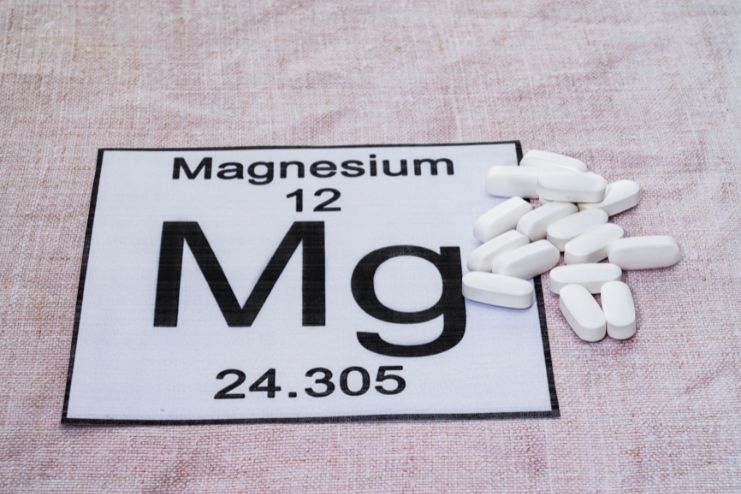
Magnesium is an important mineral in soothing the nervous system and promoting melatonin production. Magnesium glycinate can help facilitate improved sleep by soothing the nervous system and preventing anxiety, says Dr. Faisal Tai, a board-certified psychiatrist.
Here are a few significant benefits:
- Reduces anxiety and stress-induced insomnia
- Relaxes muscle tension and restless leg syndrome
- Encourages deep, restorative sleep
Magnesium glycinate is highly bioavailable and easy on the stomach, whereas magnesium threonate can cross the blood–brain barrier more efficiently. Magnesium glycinate can induce relaxation and make you fall asleep quickly. Its effects, however, differ from person to person, and more research is needed to determine its overall effectiveness.
Buy a magnesium supplement here.
Read More: How Magnesium Glycinate Could Be the Missing Key to Deeper Sleep
3. L-Theanine

L-Theanine is an amino acid present in green tea, which promotes alpha brain waves that relaxes but doesn’t sedate. It raises GABA, serotonin, and dopamine, easing anxiety and racing thoughts at bedtime.
It can be combined with caffeine-free tea or low-dose melatonin.
Check this amazing L-theanine supplement available on Amazon.
4. Glycine
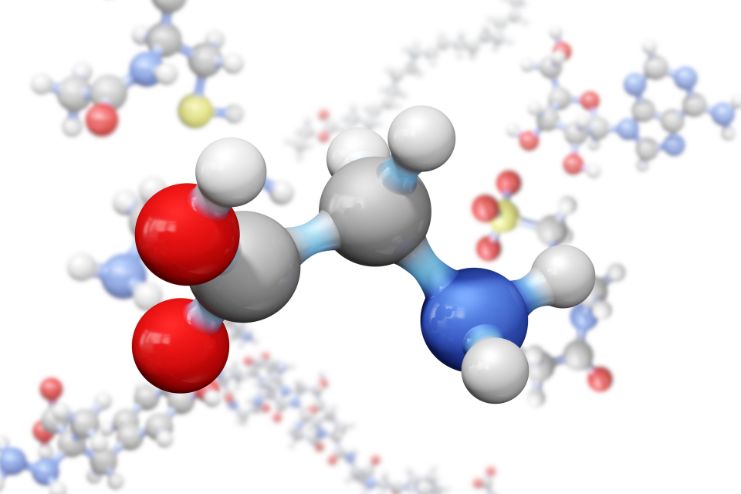
Glycine is an amino acid that is easy to use and helps in decreasing core body temperature, a signal that it’s time to sleep. Glycine, taken mostly as a capsule or along with collagen supplements, helps facilitate peripheral vasodilation, which reduces core body temperature, making you fall asleep faster.
Glycine is also an inhibitory neurotransmitter and modulates excitatory transmission by NMDA receptors, which results in a relaxing effect on the nervous system.
Research suggests that using glycine at bedtime can shorten sleep latency, increase sleep efficiency, and increase the quality of sleep without affecting sleep structure. Such actions position glycine as a viable natural sleep remedy, particularly in cases of insomnia
A few significant benefits of including glycine in your routine:
- May enhance sleep latency (how fast you fall asleep)
- Improves sleep quality
- Enhances cognitive function on the following day
- Taken mostly as a capsule or along with collagen supplements.
Buy Glycine supplements here
5. Apigenin (From Chamomile)
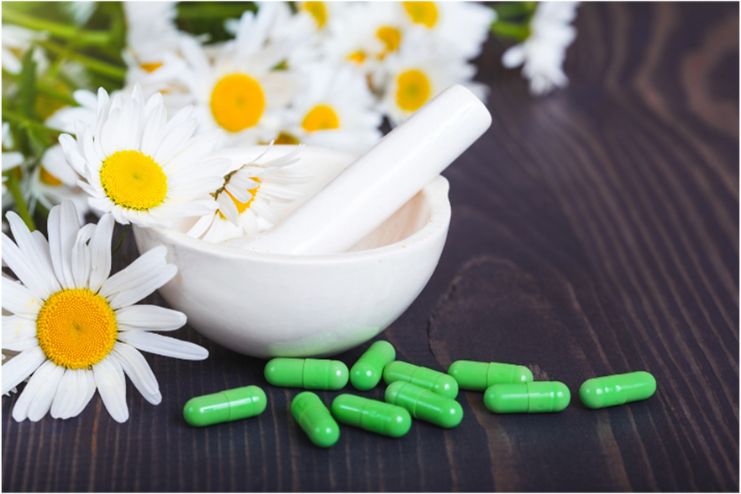
Apigenin is a naturally occurring flavonoid with natural sources in plants such as chamomile, parsley, and celery. Apigenin is popular due to its sleep-inducing properties.
Studies have shown that apigenin binds to GABA receptors within the brain, relaxing the body and reducing anxiety, critically important components in inducing sleep. Apigenin’s antioxidant properties promote neurological health, leading to a restful slumber.
Although larger human trials are necessary, existing data indicate that apigenin may be a valuable natural substance for enhancing the quality of sleep.
Here’s how apigenin helps:
- Present in higher amounts in supplements than in tea
- Can reduce sleep latency and night-time wakings
- It’s a widely used natural sleep remedy because of its mild but potent effect on relaxation.
Check out this Apigenin supplement online.
6. Valerian Root

Valerian (Valeriana officinalis) is a plant-based remedy used to reduce insomnia, anxiety, and restlessness. The drug can cause sedation due to its capacity to increase gamma-aminobutyric acid (GABA) concentrations in the brain, enhancing relaxation and anxiety reduction.
According to studies, valerian might help individuals fall asleep quicker and enhance the quality of sleep, although findings vary. As a sleep aid, valerian is usually taken in the form of 300 to 600 mg about 30 minutes to two hours before going to bed.
It’s safe for temporary use, but might interact with neurological medications. It is recommended to consult a doctor before you start using it.
Some of the benefits of Valerian Root are:
- May reduce the time to fall asleep
- Can enhance the quality of sleep when used for a short period
- It is very pungent and may affect other medications, so the short-term is best.
Check out the valerian root supplement here.
Read More: Decoding Wellness Trends: Which Ones Are Worth Your Time?
7. CBD (Cannabidiol)
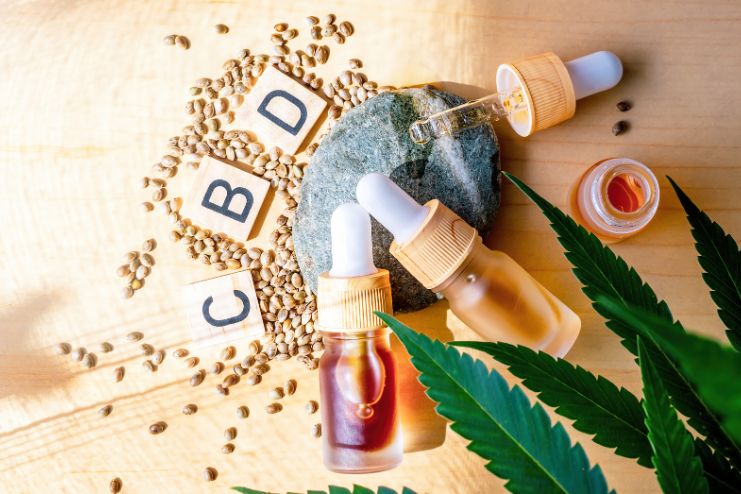
A systematic review in Cannabis and Cannabinoid Research assessed the effectiveness of cannabidiol (CBD) in treating insomnia. According to the review, CBD could potentially enhance sleep quality and decrease disturbed sleep. However, according to the authors, evidence remains insufficient, and more research is needed in this regard.
Potential benefits of CBD:
- Anxiety
- Inflammation
- Pain
Some users experience deeper, more restful sleep when taking CBD regularly, particularly when combined with good sleep hygiene.
Buy one of the popular CBD supplements here.
Read More: How to “Rewire” Your Sleep Schedule in Just One Weekend
3 Sleep Supplements That Probably Don’t Work
1. 5-HTP
5-Hydroxytryptophan (5-HTP) is a serotonin and melatonin precursor. In theory, it must help with sleep, but in practice:
- It promotes mood, rather than sleep
- It can lead to vivid dreams, nausea, or even serotonin syndrome in some individuals.
- There’s limited evidence that it’s useful for insomnia or sleep disorders
2. GABA Supplements
GABA (gamma-aminobutyric acid) is your brain’s primary inhibitory neurotransmitter, promoting calm and sleep. However:
- Oral GABA supplements have less capacity to cross–blood-brain barrier
- Most benefits may be due to placebo effects or indirect gut-brain interactions
It’s better to use L-theanine or herbs that enhance GABA naturally.
3. Tryptophan
Tryptophan, the amino acid notoriously associated with Thanksgiving turkey, is another melatonin precursor. However, when taken alone:
- It’s not very effective for sleep
- Works better when taken with carbohydrates or other amino acids
- Supplementation lacks strong evidence
It’s better to get it through a balanced diet.
How To Choose the Right Sleep Supplement for You
Determining the most effective sleep supplement for you depends on your needs:
- Having trouble falling asleep? Use magnesium, L-theanine, or apigenin
- Jet lag or shift work? Melatonin resets your clock
- Bedtime anxiety? CBD or valerian root might relax you
- Waking up too frequently? Glycine or chamomile-based products might help
Start with low doses, avoid multi-ingredient blends with proprietary formulas, and consult a healthcare provider if you’re on medications or have a chronic condition.
Final Thoughts

The reality is, no supplement will correct bad sleep habits by itself. But with prudent use, scientifically proven sleep aids can be a wonderful tool—particularly if you’re in the process of addressing underlying issues such as anxiety, stress, or circadian disruption.
Here’s the takeaway:
- Supplements should support, not substitute, healthy sleep hygiene.
- Less is best. Begin small, be regular, and don’t pursue magic pills.
- The most effective approach is always personalized, tailored to your body’s needs and rhythms.
- A calm evening routine, natural light exposure during the day, and a sleep-friendly environment will do more for your rest than any capsule ever could.
Pair the right supplement with smart habits—and you’ll sleep deeper, longer, and better.
References
- https://pubmed.ncbi.nlm.nih.gov/36149724/
- https://www.mountsinai.org/health-library/herb/valerian
- https://www.sciencedirect.com/science/article/pii/S1385894725023368
- https://www.researchgate.net/publication/244889510_200_mg_of_Zen_L-Theanine_Boosts_Alpha_Waves_Promotes_Alert_Relaxation
- https://www.webmd.com/sleep-disorders/features/magnesium-glycinate-sleep
- https://pubmed.ncbi.nlm.nih.gov/17517397/
- https://news.wm.edu/2022/11/16/the-tryptophan-mythand-other-biochemical-facts-of-thanksgiving-dinner/
- https://en.wikipedia.org/wiki/GABAz
In this Article