















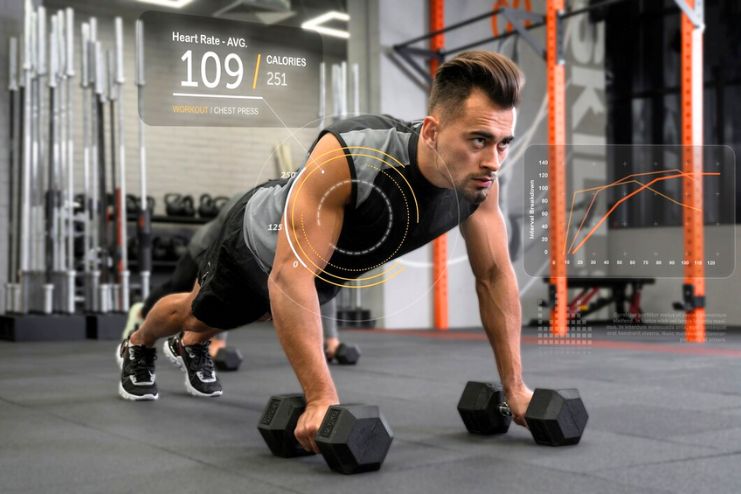
What if your workout knew your energy levels, mood, and recovery status even before you hit the start button? Welcome to the fitness future, where AI-powered workouts are revolutionizing the simple fitness model, transforming it into a hyper-personalized experience.
Through advancements in smart fitness technology, AI personal coach applications for adaptive fitness programs and AI trainer platforms can now develop real-time, dynamic, data-driven routines that create individualized programs based on a person’s body, goals, and lifestyle.
With emerging technology in wearable devices and artificial intelligence, parameters such as heart rate variability, sleep quality, and more can track biometric workout feedback, emotional readiness, and performance reviews, allowing for sustainable goals to be achieved closer than ever before.
Shifting gears will require having a smart home gym, real-time recovery devices, and artificial intelligence in strength and cardio training, not just as options, but as essentials for serious-minded individuals.
This article further explores how fitness and artificial intelligence are redefining the training experience through the rise of AI-powered fitness platforms and the future of workout personalization. Whether you want to break your personal best or adopt healthier lifestyles for life, AI is poised to become your smartest ally.
Also, Read: Exercise and Cancer: Tailoring Workouts for Health and Energy
What Are AI-Powered Workouts?
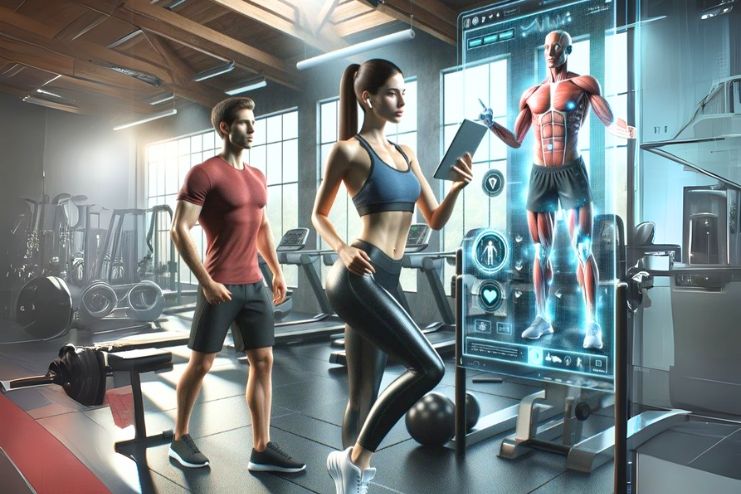
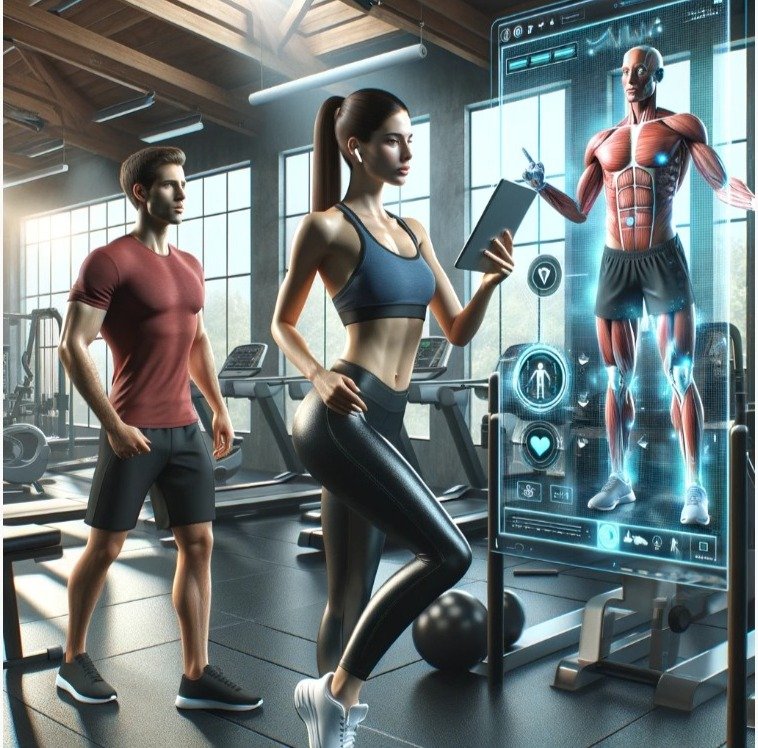
Artificial intelligence now creates, adapts, or modifies workouts to customize what you aim to improve in a particular exercise. Unlike most workout plans, which are typically static one-size-fits-all approaches, AI-powered workouts continuously adjust based on a person’s unique and dynamically changing data inputs.
The following are the major elements that AI considers when developing a personalized workout for you:
- User Goals: Such as fat loss, muscle building, endurance, flexibility, or rehabilitation.
- Performance Metrics: Including workout duration, number of sets, repetitions, heart rate, and calories burned.
- Recovery Metrics: Tracking Heart Rate Variability (HRV), sleep cycles, muscle soreness, and fatigue levels.
- Biometric Inputs: Assessing sleep quality, heart rate trends, stress levels, mood, and even hormonal fluctuations.
AI systems can be applied across virtually any fitness modality, including:
- Strength Training
- High-Intensity Interval Training (HIIT)
- Cardio and Endurance Workouts
- Yoga and Mobility Routines
- Rehabilitation Programs
In short, AI fitness technologies elevate your workout sessions into the future, allowing continuous adaptation to your abilities, mood, and recovery levels. Thus, you maximize results while minimizing burnout or injury.
How AI Personalizes Your Fitness Plan

What if your workout could predict your energy levels, mood, and recovery status even before you hit start?
Welcome to the age of AI, when workouts enabled by artificial intelligence usher in a wholly different paradigm for fitness, moving from the one-size-fits-all notion to hyper-personalized, dynamic routines that transform in real-time, tailored to one’s body and lifestyle.
Though more modern, today’s AI fitness coaches do not rely on weeks or months of static training regimens. They take in analytic biometric data, including heart rate variability, sleep quality, recovery scores, and mood indicators. They still aim for improvements in strength, endurance, and consistency, but now with precision and individualization that surpasses any manual programming.
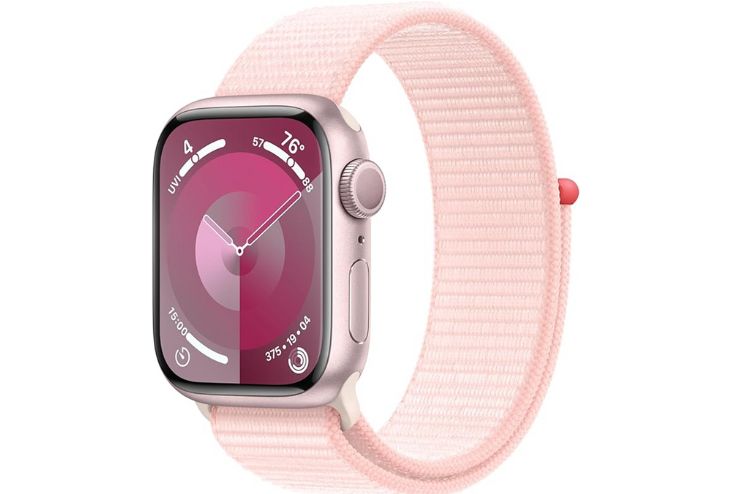
Advanced smart fitness systems define current fitness trends, with platforms aggregating wearables, smart recovery tools, and adaptive fitness applications. Devices like the Oura Ring, WHOOP 4.0, and Apple Watch Series 9 gather real-time databases about your body.
Meanwhile, AI apps such as Fitbod process that information to adjust workouts for the day, changing volume, exercise selection, intensity, and even rest periods based on how the body responds.
Thus, workouts will no longer be determined only by the calendar. They will instead be shaped smartly by how you feel, how you recover, and how you perform. This moves fitness from a rigid model to an intelligent ecosystem, leading to better results, fewer injuries, and long-term sustainable success.
1. Real-Time Adaptation to Your Body’s Feedback
- AI adjusts intensity, reps, and rest periods based on your HRV, sleep score, or muscle fatigue
- Example: If you’re tired, it lowers volume and adds more mobility
- Eliminates burnout and overtraining risks
2. Smart Wearables + App Integrations
- Devices track heart rate, calories burned, steps, body temperature, mood, etc.
- Syncs with AI apps to recommend workouts, send reminders, or auto-reschedule sessions
- Example: Oura Ring, Apple Watch, Whoop, Garmin + AI fitness platforms
3. Personalized Progression & Recovery Plans
- AI learns from your performance history to adjust future workouts
- Recommends deload weeks, active recovery days, or strength-building blocks
- Helps prevent plateaus and injuries
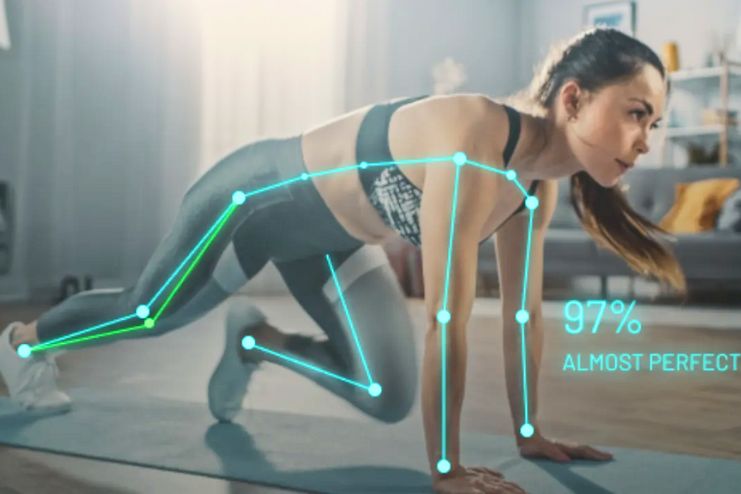
4. Voice and Form Recognition via Smart Cameras or Mirrors
- AI-powered mirrors (like Tempo or Tonal) provide form correction and posture tips in real time
- Uses motion sensing and skeletal tracking to give visual cues
- Great for home workouts and injury prevention
5. Emotion-Aware Training & Motivation
- Some AI tools now use voice tone, facial expression, or journal input to assess mood
- Adjust workout style (e.g., calming yoga on anxious days, strength sets when motivated)
- Builds long-term consistency by syncing with how you feel, not just how you perform
Popular AI Fitness Platforms to Watch
AI-powered fitness platforms have evolved into intelligent, adaptive tools that provide highly personalized training experiences. Here are some standout platforms making waves in 2025:
- Fitbod: Uses AI to tailor strength training workouts based on muscle recovery, fitness level, and previous sessions.
- Future: Pairs users with real human coaches backed by AI for daily personalized guidance and feedback.
- Freeletics: Combines AI with bodyweight training and lifestyle data to deliver flexible routines suited to time and space limitations.
- Tempo: An AI-powered smart home gym that uses motion sensors and 3D form tracking to give real-time feedback.
- Whoop + Oura Ring + Apple Watch: These wearables integrate with fitness platforms to track recovery, sleep, and heart rate, helping adjust workouts in real-time.
Benefits of AI-Powered Fitness
- Hyper-Personalization: AI tailors workouts to your goals, recovery metrics, and daily readiness, leading to faster results and fewer injuries.
- Accessibility and Convenience: Whether at home, traveling, or with limited time, AI adapts workouts to your environment and schedule.
- Real-Time Feedback and Motivation: Instant adjustments and performance cues help maintain high motivation and efficient effort.
- Sustainable Habit Formation: By syncing with lifestyle data, such as mood, sleep, and stress, AI helps build consistent and intuitive routines that fit your life.
Limitations and Considerations
- Yet to Replace Intuitive Human Coaching – Still Evolving
The efficiency of AI in analyzing data and designing workout plans cannot yet replace the emotional intelligence and understanding of a real-life coach. Human trainers can deduce very subtle cues such as motivation levels, stress presence, or deep fatigue—capabilities that AI still cannot fully replicate. - Privacy Issues Related to Health Tracking and Data Collection
AI fitness engines and wearable gadgets continuously store vast amounts of personalized health data, tracking everything from heart rate and sleep patterns to location and activity. Serious concerns remain about how this sensitive data is collected, stored, used, and shared. Cases of data breaches and unauthorized third-party sharing have raised ethical and privacy issues. - Requires Consistent Tracking Habits for Accurate Results
The effectiveness of AI fitness recommendations largely depends on the regularity and accuracy of user-provided data. Irregular tracking or missing information can lead to less personalized and less effective workout plans. Establishing and maintaining consistent tracking habits is crucial for the AI to deliver meaningful insights.
Also, Read: Silent Workouts: Can Low-Impact Exercises Be Just as Effective?
Conclusion
AI will be used as your personal digital trainer, having graduated from a mere fad to a core part of fitness. Whether it’s smart lifting, training based on the menstrual cycle, or recovery, smart tech is making personalized training more accessible, efficient, and responsive.
Takeaway: Your new workout partner could be an algorithm, and it knows you better than you think.
References
- https://www.whoop.com/us/en/thelocker/introducing-whoop-coach-powered-by-openai/
- https://www.whoop.com/us/en/the-data/
- https://www.theguardian.com/technology/2024/oct/15/oura-ring-4-review-best-smart-ring-battery-upgrade
- https://www.techradar.com/health-fitness/fitness-apps/5-fitness-apps-that-can-help-you-build-muscle-in-the-gym
- https://www.tempo.fit/
- https://www.future.co/
- https://www.freeletics.com/
In this Article