











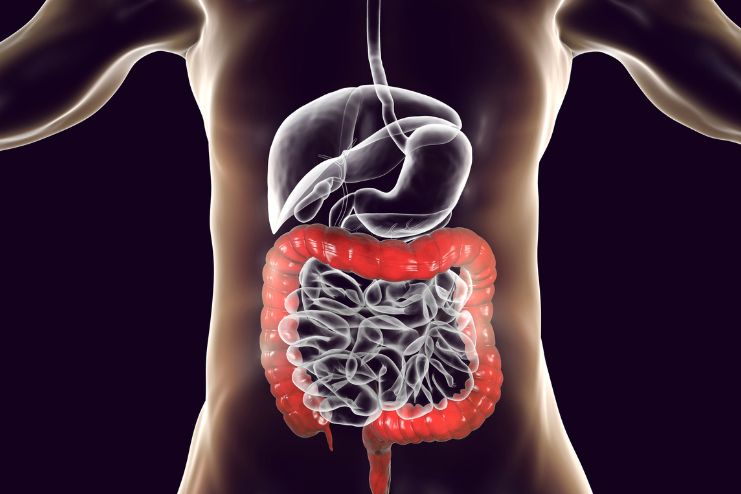
Your digestive system does more than merely process food—it’s the engine of your wellness. Recent studies connect gut health to mood stability, immunity, energy levels, skin radiance, and even long-term diseases such as type 2 diabetes and cancer. When your gut is compromised, everything else likely is too.
Experiencing gas, bloating, irregular bowel movements, eczema, food intolerances, unexplained fatigue, or skin problems? These aren’t random complaints—they’re signals that your gut is crying out for help.
Read More: How Digestive Health Impacts Glucose Absorption and Diabetes
10 Natural Ways to Heal Your Digestive System

You might be surprised by how certain natural approaches can help restore your gut balance. Here’s how you can naturally heal and nurture your digestive system, backed by today’s science.
1. Begin With Chewing—Seriously

Digestion starts in your mouth, not your stomach. Chewing triggers enzymes in your saliva, such as amylase and lipase, which begin breaking down carbohydrates and fats before they even reach your stomach.
Do this: Try to chew each bite 20–30 times. This reduces digestive burden, enhances nutrient absorption, and even helps regulate appetite.
Read More: Why You Should Chew Your Food 30 Times (According to Science)
2. Prioritize Whole, Real Foods
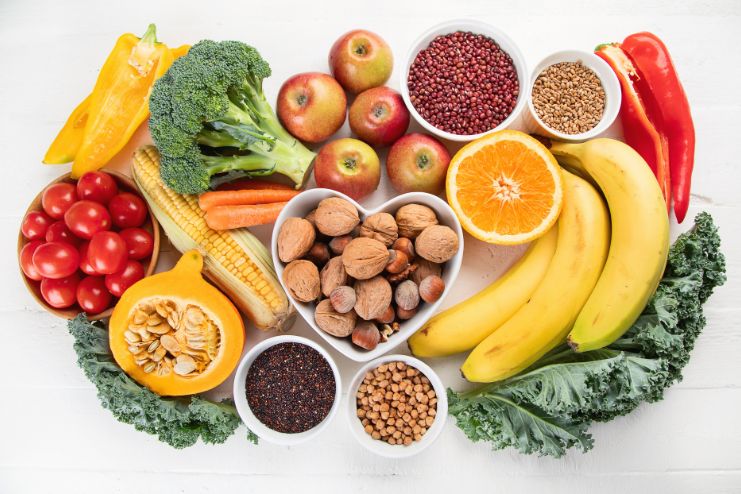
Highly processed foods laden with additives, emulsifiers, and artificial sweeteners damage the gut microbiome and compromise the intestinal lining.
Include these in your diet instead:
- Organic fruits and vegetables
- Whole grains (quinoa, brown rice, oats)
- Clean proteins (eggs, legumes, wild-caught fish)
- Healthy fats (avocados, olive oil, nuts)
These nutrient-dense, anti-inflammatory foods are easily recognized and processed by your body.
3. Add Fermented Foods to Your Diet Regularly
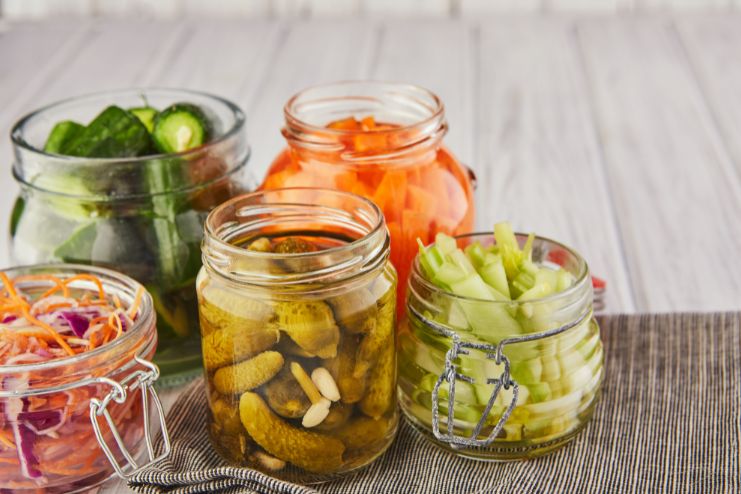
Fermented foods are rich in probiotics, which help rebalance healthy gut bacteria—essential for smooth digestion and robust immunity. Research shows they can reduce bloating, regulate bowel movements, and ease IBS symptoms.
Top fermented foods to include:
- Kefir
- Sauerkraut
- Kimchi
- Kombucha
- Miso
- Yogurt with live cultures
Tip: Start slowly with just a spoonful daily to avoid gas or bloating in sensitive individuals.
4. Support Your Liver—Your Gut’s Silent Partner
Your liver produces bile, a crucial compound for breaking down fats and eliminating toxins. Poor liver function can slow digestion and cause symptoms like indigestion, fatigue, or skin breakouts.
Nourish your liver with:
- Bitter herbs such as dandelion root and milk thistle
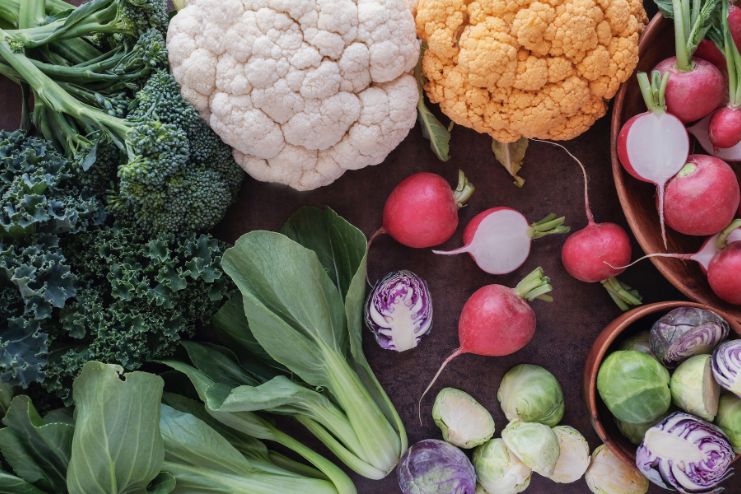
- Beetroot juice and cruciferous vegetables (broccoli, kale, cabbage)
- Warm lemon water in the morning
5. Hydrate the Right Way
Dehydration slows bowel movements, leading to constipation and toxin buildup. But how you hydrate matters too.
Do this:
- Drink 8–10 glasses of water daily
- Add a squeeze of lemon or a teaspoon of raw apple cider vinegar to warm water before meals to stimulate digestion
- Sip herbal teas with digestive herbs like ginger, fennel, peppermint, or chamomile
6. Focus on Stress Reduction

The gut-brain connection is real. Chronic stress activates your sympathetic nervous system, reducing blood flow and enzyme production in your gut, leading to indigestion, bloating, or even leaky gut syndrome.
Proven stress-busters:
- Deep diaphragmatic breathing
- Gentle yoga or tai chi
- Daily mindfulness meditation (even 10 minutes helps)
- Nature walks or journaling
Read More: 7 Warning Signs and Side Effects of Poor Digestion You Shouldn’t Ignore
7. Try a Gentle Detox
A sluggish gut can benefit from gentle detox methods that help clear toxins and reduce inflammation.
Natural options include:
- Aloe vera juice (in small amounts) to soothe the gut lining
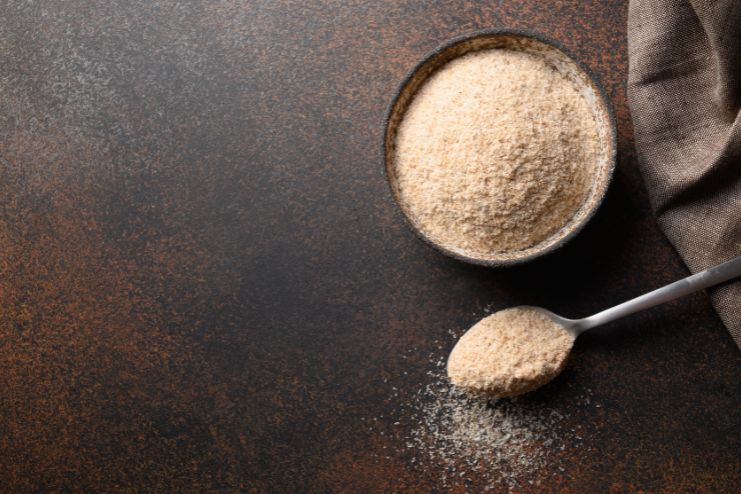
- Psyllium husk or chia seeds to help sweep waste from the colon
- Bone broth to support intestinal repair with collagen and amino acids
Note: Avoid extreme cleanses—they often do more harm than good.
8. Facilitate Gut Repair with Glutamine
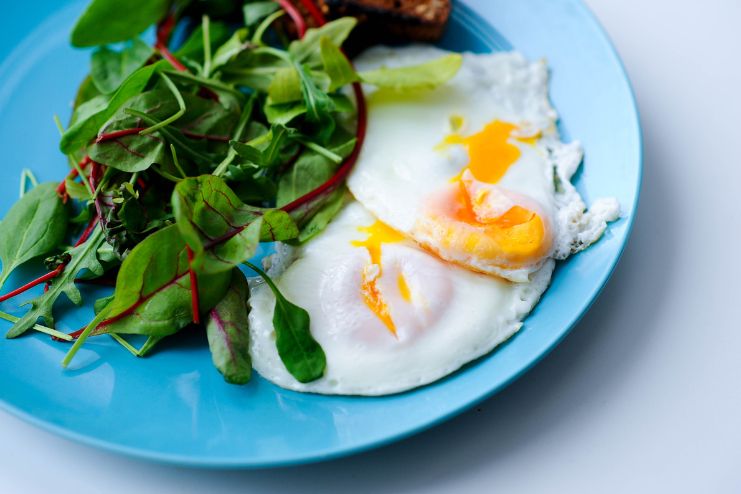
L-glutamine is an amino acid that strengthens the intestinal barrier, reduces inflammation, and accelerates tissue repair.
Natural sources of L-glutamine include:
- Eggs
- Beef and chicken
- Leafy greens like spinach, kale, and parsley
- Dairy products (if tolerated)
Supplements: Consult your healthcare provider, especially if you’re dealing with leaky gut or IBS.
9. Probiotics: The Gut’s Best Friend
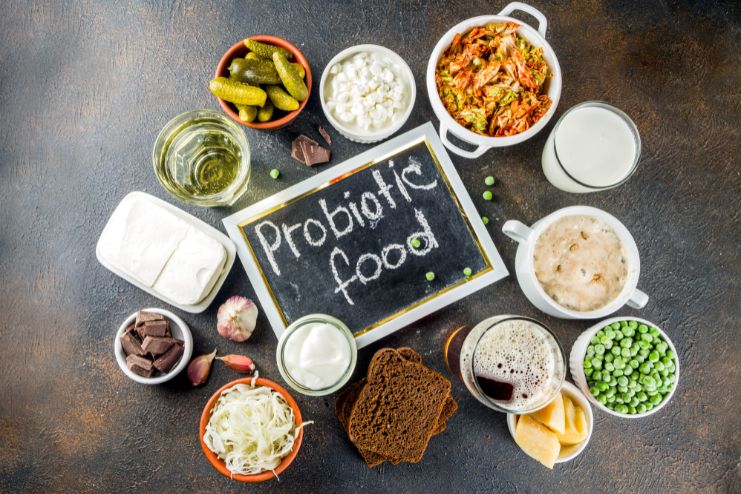
Probiotic supplements can help rebalance your microbiome, particularly after antibiotic use or periods of poor eating. However, not all strains are equally effective.
Look for:
- Lactobacillus rhamnosus GG (excellent for diarrhea and skin issues)
- Bifidobacterium longum (helpful for IBS)
- Saccharomyces boulardii (fights antibiotic-associated diarrhea)
Tip: Choose multi-strain probiotics with at least 10–20 billion CFUs. Consult your healthcare provider about the right strain and dosage for you.
Read More: Digestive Enzymes vs. Probiotics: What’s the Difference and Which One Do You Need?
10. Learn to Recognize Your Body’s Cues
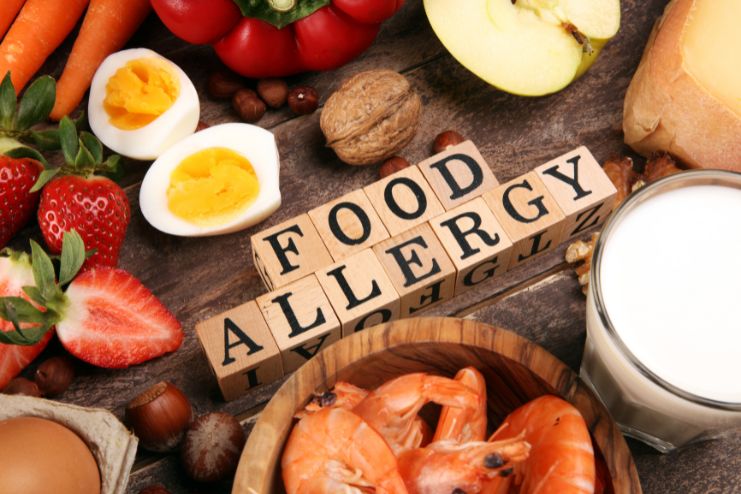
Don’t blindly follow trendy diets or social media advice. What heals one person’s gut might irritate yours.
Watch for these signals:
- Food intolerances
- Mood changes after eating
- Energy crashes
- Skin breakouts
Keep a food and symptom journal to identify patterns and triggers. Listening to your body’s signals is the most personalized approach to gut healing.
1Final Thoughts: Your Gut Is Talking. Are You Listening?
Healing your digestive system isn’t about quick fixes—it’s about building a sustainable relationship with your body. You don’t need to implement everything at once. Start with one small change: add a fermented food, chew slowly and mindfully, drink that morning lemon water, or practice deep breathing.
Step by step, you’ll transition from merely surviving to truly thriving.
Because when your gut is healthy, your entire body receives the message: it’s time to heal.
2References
https://pmc.ncbi.nlm.nih.gov/articles/PMC5454963/
In this Article