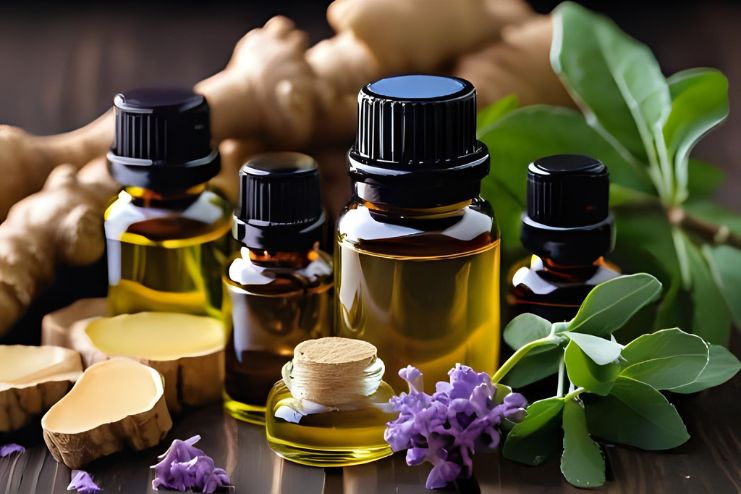
Headaches are one of those subtle interruptions that can creep into your day and put you off. Whether it’s the thudding, annoying ache that lingers after a stressful morning or the throbbing migraine that takes over your senses, most people naturally turn to a painkiller. But what if there was a solution to ease that pain naturally, without taking a pill?
That’s where essential oils come in. They’re not just pleasant-smelling liquids in tiny bottles. They’re plant-powered remedies that have stood the test of time, and science is now catching up.
Read More: 9 Essential Oils for Sleep That Drives Insomnia Away
The Shift Toward Natural Remedies

Of late, more people have begun to question their reliance on drug solutions. Long-term consumption of over-the-counter painkillers, particularly NSAIDs, has been associated with liver strain, bowel injury, and rebound headaches. It is little wonder that low-risk, natural solutions in the form of essential oils are becoming popular.
A 2023 systematic review discovered that some essential oils, namely peppermint and lavender, significantly reduced headache frequency and severity.
What Are Essential Oils And Why Do They Work?
Essential oils are concentrated plant essences obtained via steam distillation or cold pressing. Every drop has volatile substances responsible for the plant’s aroma and therapeutic properties. Essential oils work within your body by:
- Topical absorption: They get absorbed by the skin membrane and act on circulation or swelling locally.
- Inhalation: Aroma chemicals stimulate the limbic system, which is the center of emotion, memory, and pain sensitivity.
Major Benefits of Essential Oils
- They work as an analgesic and naturally reduce pain perception
- The oils have an Anti-inflammatory effect and reduce muscle swelling and nerve irritation
- Essential oils have calming or sedative effects that can help promote relaxation and reduce stress which is a common cause of headaches.
- Essential oils decongest and help in clearing sinus-related obstructions
In short, essential oils do not mask symptoms—they treat underlying causes such as inflammation, circulation issues, sinus pressure, or stress overload.
Read More: 10 Essential Oils For Nausea That Work Wonders
Why Do We Get Headaches and Can Oils Help?
Before learning about the essential oils themselves, it helps to understand why headaches happen. Common triggers include:
- Mental or emotional stress
- Muscle tension in the neck, shoulders, or jaw
- Hormonal shifts, especially around menstruation
- Sinus congestion or seasonal allergies
- Dehydration, caffeine withdrawal, or sleep deprivation
Essential oils assist by breaking up these pathways of pain, soothing your nervous system, and increasing oxygen and blood flow to the brain. Some oils are even being researched in integrative migraine clinics as part of non-pharmacologic treatment protocols.
5 Science-Backed Essential Oils for Headaches
These five essential oils are backed by both research and traditional use for their ability to treat headaches:
11. Peppermint Oil:
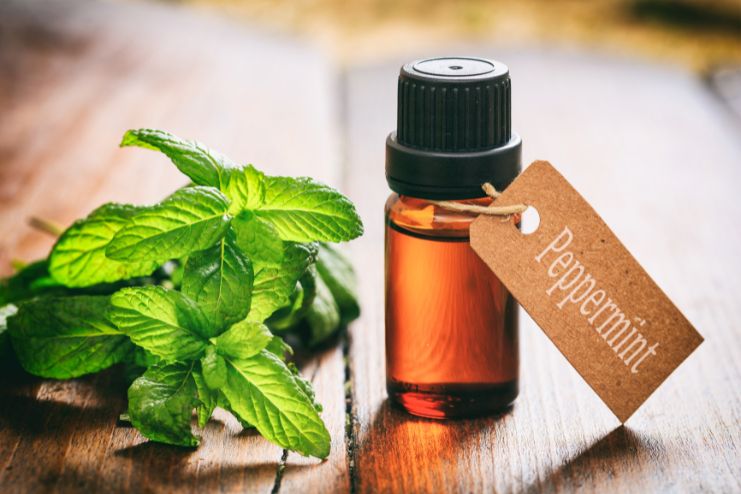
Best for: Tension headaches, cluster headaches, and neck/shoulder tension
Why it Works:
Peppermint has menthol, a cold-skin-causing compound that desensitizes pain receptors and increases scalp and forehead circulation. According to a PubMed study, it was identified that topically applying a 10% peppermint oil solution to temples brought about considerable headache relief within 15 minutes (PubMed).
How to Use:
- Blend 2–3 drops with a tsp of carrier oil (e.g., almond or jojoba).
- Massage onto the temples, the nape of the neck, or forehead in circular motions.
- Breathe in from a tissue for extra relaxation.
22. Lavender Oil:
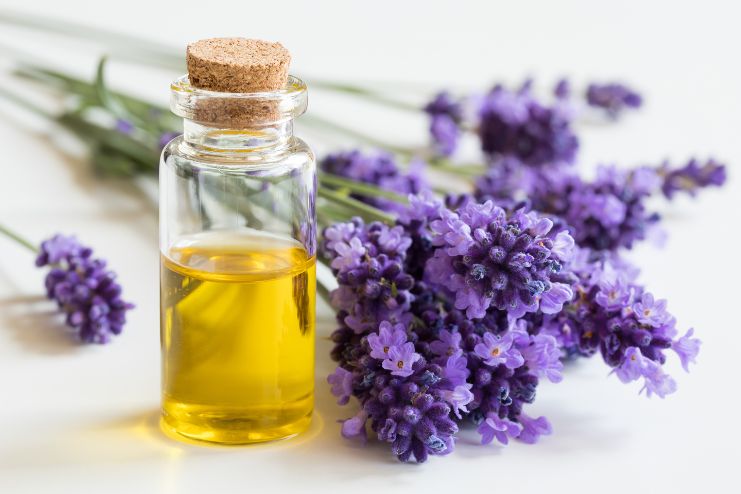
Best for: Migraines, stress, or hormonal headaches
Why it Works:
Lavender oil is famous for its relaxing, anti-anxiety, and sedative effects. In a randomized controlled trial, inhaling lavender oil for 15 minutes decreased the severity of migraine attacks in the majority of patients.
How to Use:
- Mix 4–5 drops in a diffuser for aromatherapy.
- Or, mix with a carrier oil and use behind the ears and on the neck.
- For headaches with sleep, place a drop on your pillow.
33. Eucalyptus Oil:
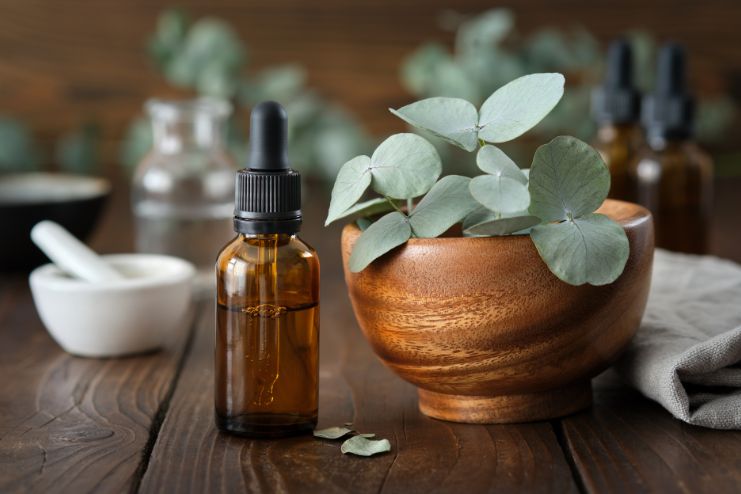
Best for: Sinus headaches, congestion, and seasonal allergies
Why it Works:
Eucalyptus oil has eucalyptol, an oil that decongests nostrils, is anti-inflammatory, and encourages deep breathing. It’s perfect when pressure behind the forehead or eyes is due to congested sinuses or a cold. This is due to Eucalyptol, found in eucalyptus oil. This helps in opening up nasal passages and reducing inflammation, according to Zeelab Pharmacy.
How to Use:
- Pour 3–4 drops in a vessel of warm water, put a towel over your head, and breathe deeply. This helps relieve congestion, relaxes the airways, and helps with sinusitis discomfort.
- Combine with carrier oil and rub on the chest, temples, or the bridge of the nose.
44. Ginger Oil:
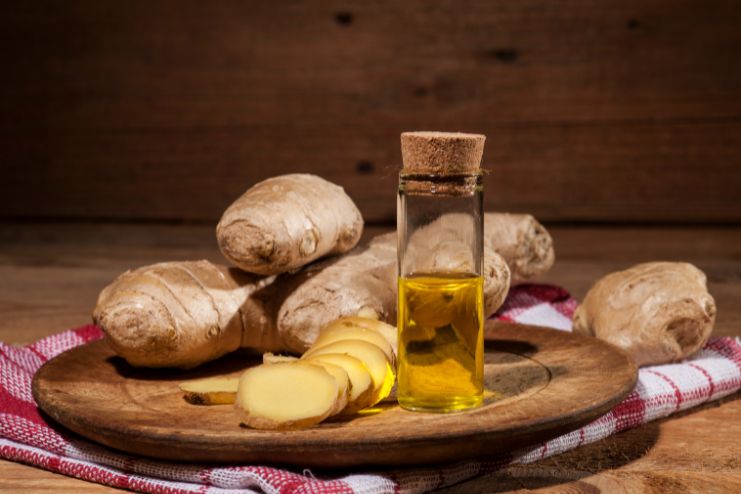
Best for: Inflammation headaches and menstrual migraines
Why it Works:
Ginger oil contains gingerols, which have potent anti-inflammatory and pain-relieving effects similar to NSAID medication. It’s useful for hormone or digestive-related headaches.
How to Use:
- Dilute 1–2 drops in a carrier oil and massage on the temples.
- Add ginger essential oil to a warm compress and apply it to the back of your neck.
- Use in a diffuser while menstruating for body-wide relief.
55. Frankincense Oil:
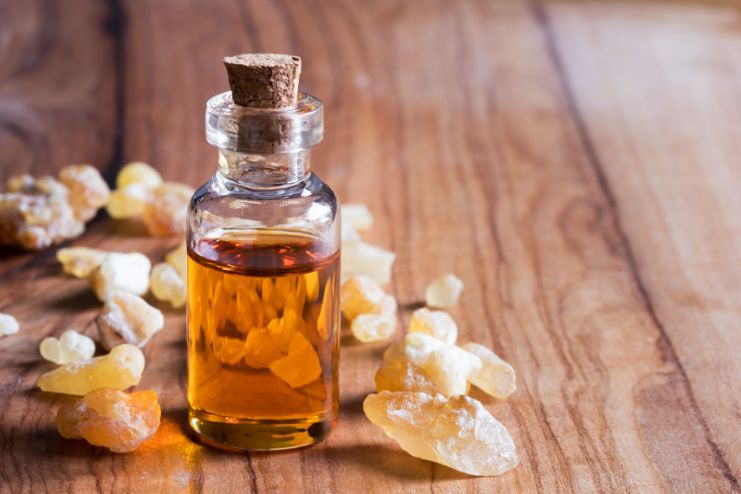
Best for: Migraines, stress headaches, and hormonal changes
Why it Works:
Frankincense is valued for its boswellic acids, that suppress inflammatory enzymes and soothe an overactive nervous system. This reduces the intensity of headaches. It’s commonly used in Ayurvedic medicine for neurological and pain disorders.
How to use:
- Dilute 1-2 drops of frankincense oil per teaspoon of carrier oil and use topically over the crown of your head or at the base of your neck (diluted).
- Diffuse a few drops of the oil in your bedroom or workspace.
- Blend with lavender or peppermint for added effects.
Read More: Best Essential Oils for Allergies
2 Oils That May Help (But Require More Research)
Though not strongly backed by science yet, these oils have been used for centuries for headache relief:
6Roman Chamomile Oil:
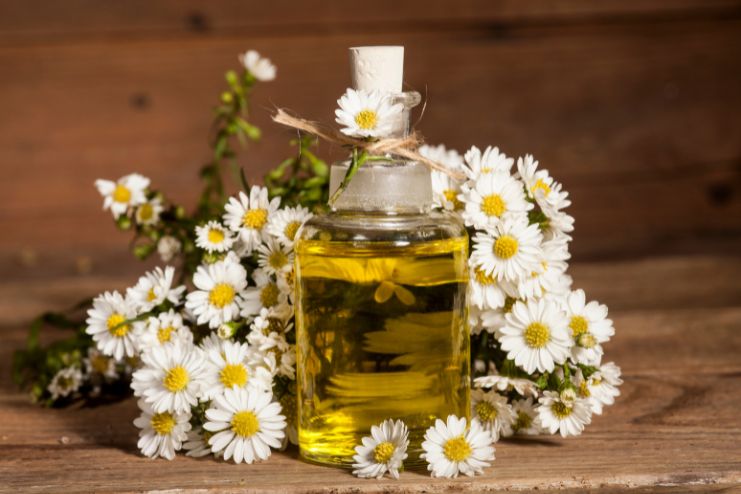
- Benefits: Gentle sedative and anti-inflammatory effects; soothes the nervous system
- How to use: Apply the diluted oil to the temples or breathe it in before bedtime.
Note: Not advised during pregnancy; further study required.
One medical hypothesis, not a clinical trial, suggested a possible benefit for topical chamomile in migraine relief. However, it has not been widely tested in high-quality studies.
7Rosemary Oil:
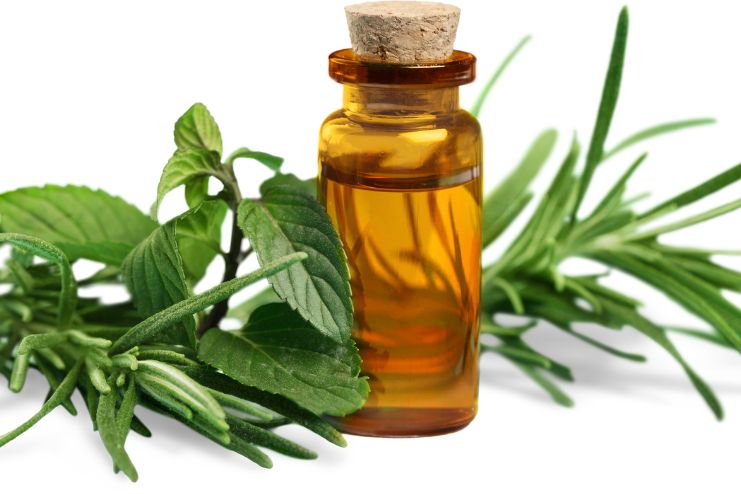
- Benefits: Can stimulate circulation and ease muscle tension due to the cineole and camphor.
- How to use: Mix with carrier oil and massage into the scalp or neck.
Note: Not advisable if pregnant or epileptic.
Tips for Maximum Relief with Essential Oils

To maximize the results from your essential oils, you can:
- Dilute first before applying to the skin to avoid irritation.
- Use regularly; results enhance with continued use.
- Use for the very first headache sign for improved results.
- Hydrate and get plenty of rest, as essential oils function best in a healthy body.
- Blend oils (i.e., peppermint + lavender) for best results.
Are There Any Side Effects?
Generally safe, but essential oils must be used with caution:
- Skin irritation: Always test first on a small area of skin.
- Photosensitivity: Some oils (like citrus) can cause sun sensitivity—avoid sun exposure after use.
- Medical interactions: Pregnant or breastfeeding women, people with epilepsy or asthma, and children under 12 should consult a healthcare provider before use.
- Avoid ingestion: Do not consume essential oils unless medically recommended.
8Final Thoughts
Nature has powerful weapons at its disposal for healing—and essential oils are among the most readily available. From occasional tension to nagging migraines, these plant extracts are a soothing but potent alternative to synthetic medication with fewer hazards.
So next time your head starts pounding, consider reaching for a diffuser or a diluted drop on your temples. It could be just the natural reboot your body is calling for.
9References
- https://research.monash.edu/en/publications/potential-effect-and-mechanism-of-action-of-topical-chamomile-mat?utm_source=chatgpt.com
- https://metapress.com/frankincense-oil-for-headaches-and-migraines-a-natural-approach/
- https://www.pacehospital.com/home-remedies-for-headache
- https://zeelabpharmacy.com/generic-salt/eucalyptus-oil
- https://pubmed.ncbi.nlm.nih.gov/22517298/
- https://pmc.ncbi.nlm.nih.gov/articles/PMC10822728/
In this Article