












During the COVID-19 pandemic, millions of Americans experienced one of its most disorienting symptoms: losing their sense of smell and taste, a condition called anosmia.
Research published in JAMA Network Open found that 80% of people who reported a change in smell or taste after COVID-19 still scored poorly on clinical smell testing an average of two years later. Among those affected, about 30% continued experiencing some degree of smell dysfunction a full year after diagnosis.
Fortunately, nearly 80% of people recover their sense of smell within the first six months, and recovery rates continue to improve with time. Some people, however, develop parosmia, a condition where familiar smells become distorted or unpleasant, often described as smelling smoke, chemicals, or rotting food where there is none.
This distortion happens because olfactory neurons regenerate among damaged support cells, causing new nerve fibers to misfire as they grow back.
Losing your sense of taste and smell is both confusing and distressing. These senses do more than make food enjoyable; they serve as critical safety systems, alerting you to gas leaks, spoiled food, and fire.
This article covers 15 natural, evidence-backed remedies to help you restore taste and smell, along with what you need to know about causes, timelines, and when to see a doctor.
- Start treatment immediately – Your best chance of recovery is within the first 6 weeks; waiting longer can slow down healing
- Olfactory training works – Smell 4 essential oils (rose, lemon, eucalyptus, clove) twice daily for 12 weeks to retrain your nose, the #1 doctor-recommended method
- Most people recover – 96% regain their sense of smell within a year, with many seeing improvement in 2-4 months
- Natural remedies complement medical care – From zinc-rich foods to steam inhalation, these 15 evidence-backed solutions support your body’s natural healing process
- Track your progress – Keep a daily journal to monitor improvements and stay motivated during recovery
In this Article
The Importance of Taste and Smell
Smell and taste are more than just pleasant senses; they are integral to everyday safety and well-being. Your ability to distinguish flavors influences your dietary choices, while your sense of smell alerts you to environmental hazards like toxic chemicals or spoiled food.
Beyond their practical roles, taste and smell carry emotional weight. A familiar aroma can unlock vivid memories, and sharing meals deepens social bonds. When these senses go missing, quality of life can suffer significantly.
Read More: 10 Ways To Revive Your Taste Buds
Why Do You Lose Taste and Smell?
Loss of taste and smell happens for several reasons.
Viral infections, including COVID-19, the flu, and common colds, are the most common cause. The virus inflames or directly damages olfactory receptor neurons in the nasal lining.
Sinus infections and nasal polyps can physically block airflow to smell receptors.
Head trauma may disrupt the olfactory nerve, and certain medications (including some blood pressure drugs and antibiotics) can also impair taste and smell.
In older adults, a gradual decline in sensory function is a normal part of aging.
Understanding the cause matters because it helps predict recovery time and guides treatment choices. Post-viral loss, especially from COVID-19, tends to respond well to olfactory training. Loss from a head injury or chronic sinus disease may need medical treatment first.
When to Start Treatment
Don’t wait. Experts advise starting treatment during the first 6 weeks of noticing a change in taste or smell. The olfactory nerve and supporting cells heal more readily when action is taken early.
Even if your symptoms seem mild, begin simple remedies like steam inhalation and olfactory training right away. Waiting can slow recovery and reduce your chances of a full return of sensation.
Lifestyle Changes to Support Sensory Restoration
Specific lifestyle adjustments play a real supporting role in sensory recovery:
- Eat a nutrient-dense diet high in zinc, vitamin A, and antioxidants to maintain healthy taste buds and smell receptors.
- Exercise regularly to support circulation and overall nervous system health.
- Practice good oral hygiene: brushing and flossing daily helps prevent oral infections that can impair taste.
- Avoid cigarette smoke and harsh chemicals, which can directly damage smell and taste receptors.
- Manage stress through yoga, meditation, or deep breathing, since chronic stress impairs the body’s natural healing processes.
- Stay hydrated: keeping mucous membranes moist supports olfactory receptor function.
Treatment Timeline for Faster Recovery
Immediate Actions (Days 1–7)
- Steam inhalation
- Saline nasal rinse
- Rest and hydration
Short-Term Remedies (Weeks 2–6)
- Olfactory training (smell retraining therapy)
- Zinc and Vitamin A-rich foods
- Essential oils
Long-Term Support (Months 2–6)
- Continue smell training
- Maintain a nutrient-rich diet
- Practice mindfulness and breathing exercises
15 Natural Remedies to Restore Taste and Smell
Remedy 1: Olfactory Training (Smell Retraining Therapy)
Olfactory training, also known as smell retraining therapy, is the most widely recommended first-line treatment. This non-invasive, drug-free method works by using neuroplasticity, the brain’s capacity to rewire itself, to rebuild damaged olfactory pathways.
In clinical trials, participants sniffed four essential oils twice a day for three months, holding each scent for 15 seconds with a 30-second rest in between. The four conventional scents used are rose (floral), lemon (fruity), eucalyptus (resinous), and clove (spicy).
The standard protocol was first established in a 2009 prospective study on 56 patients with olfactory dysfunction. It consists of systematic exposure to four odorant substances over a minimum of 12 weeks.
How to do it at home:
- Place a few drops of each essential oil in a separate small jar or on a cotton pad.
- Hold the jar close to your nose and breathe in slowly and deeply for 15–20 seconds.
- Rest for 30 seconds between each scent.
- Complete all four scents. This is one session.
- Repeat twice daily. Morning and evening work well.
- Continue for at least 12 weeks. Protocols ranging from 12 to 56 weeks have been studied, with 16 weeks appearing to be the sweet spot for improvement.
Safety note: Use pure essential oils, not fragrance oils. Keep oils away from your eyes. Do not apply undiluted oil directly inside the nose. If you experience irritation, discontinue use of that specific oil and consult your doctor.
Keep a daily smell journal: Each session, write down what (if anything) you detected, how strong it was on a scale of 0–10, and any new scents you noticed. Many people find that faint hints of one scent return before others. Tracking these small wins keeps you motivated and gives your doctor valuable information if recovery stalls.
Remedy 2: Zinc-Rich Foods

Zinc plays a key role in maintaining taste and smell function. Research shows that zinc deficiency can worsen olfactory dysfunction, and correcting a deficiency may support the regeneration of olfactory receptor neurons.
A 2021 Egyptian study of 342 COVID-19 patients with anosmia/hyposmia found zinc therapy (220 mg zinc sulfate daily) significantly shortened smell recovery.
The recommended daily allowance (RDA) for zinc is 8 mg for women and 11 mg for men aged 19 and older. Good dietary sources include:
- Oysters (90g): 15 mg
- Crab (100g): 6 mg
- Pumpkin seeds (30g): 2 mg
- Oats, rolled (120g): 3 mg
- Eggs (2 large): 1.5 mg
- Cheddar cheese (2 slices): 1 mg
- Peanuts (30g): 0.9 mg
- Salmon, cooked (100g): 0.5 mg
Note: Only oral zinc (from food or supplements) is recommended. Intranasal zinc products have been shown to damage olfactory nerves and should be avoided.

Zinc-Rich Foods
We recommend Zinc-Rich Foods, a nutritious superfood packed with plant protein, omega-3 and 6, featuring a mild nutty flavor, perfect for smoothies, salads, yogurt, and daily healthy meals.
*Purchases through this link support our research at no extra cost to you.
Remedy 3: Food Rich in Vitamin A

Vitamin A is important for protecting the mucous membranes lining the nose and mouth, which are essential for normal taste and smell function. The recommended daily intake is 900 mcg RAE for adult men and 700 mcg RAE for adult women.
Good sources of vitamin A include:
- Orange and yellow vegetables: carrots, sweet potatoes, pumpkin, squash
- Leafy greens: kale, spinach, broccoli
- Tomatoes and red bell peppers
- Mango and cantaloupe
- Beef liver, fish oils, eggs, and milk
- Fortified breakfast cereals

Whole Foods Market Goat Cheese Crumbles
We recommend Whole Foods Market Goat Cheese Crumbles, a creamy, tangy cheese made from simple ingredients, perfect for salads, pizzas, and snacks, offering convenient crumbled texture and rich flavor in every bite.
Check Price on Amazon
*Purchases through this link support our research at no extra cost to you.
Read More: 10 Effective Ways To Treat Tongue Problems
Remedy 4: Antioxidant-Rich Fruits

Oxidative stress can damage the delicate sensory cells involved in taste and smell. Antioxidant-rich fruits help neutralize free radicals and protect these receptors.
Berries are packed with flavonoids and polyphenols, oranges deliver vitamin C to strengthen immune defenses, and kiwi provides both vitamins C and E for cellular protection.
Eating these fruits regularly supports sensory health while also benefiting your overall immune function, especially helpful during post-viral recovery.

Locally Grown Strawberries
We recommend Locally Grown Strawberries, fresh, juicy, and naturally sweet berries packed with vitamin C and antioxidants, perfect for snacking, desserts, smoothies, or adding vibrant flavor to your daily meals.
*Purchases through this link support our research at no extra cost to you.
Remedy 5: Eucalyptus Oil
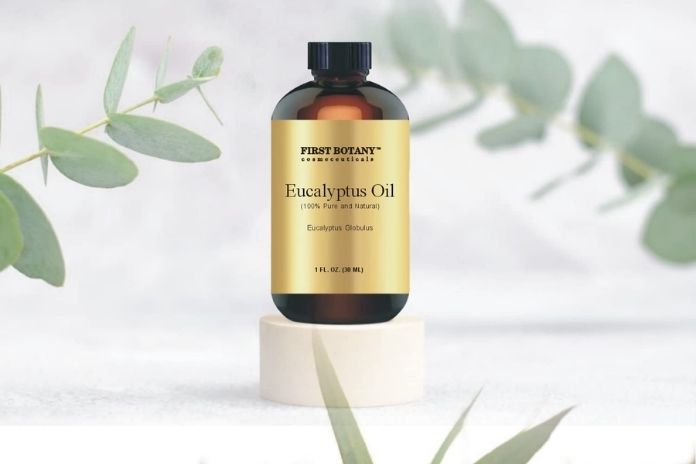
Eucalyptus oil contains cineole, a natural decongestant that helps clear nasal passages and improve airflow. Inhaling eucalyptus oil vapor can soothe inflamed nasal tissues, thin mucus, and temporarily restore the ability to detect smells.
Use it in a diffuser, add a few drops to a bowl of hot water for steam inhalation, or dilute it in a carrier oil for topical application. Eucalyptus is also one of the four core scents used in olfactory training.

Eucalyptus Essential Oil
We recommend Eucalyptus Essential Oil a refreshing, steam-distilled oil with a cooling aroma, ideal for relaxation, respiratory support, massage, and diffuser use, promoting clarity and revitalizing your senses naturally.
*Purchases through this link support our research at no extra cost to you.
Remedy 6: Lemon Essential Oil
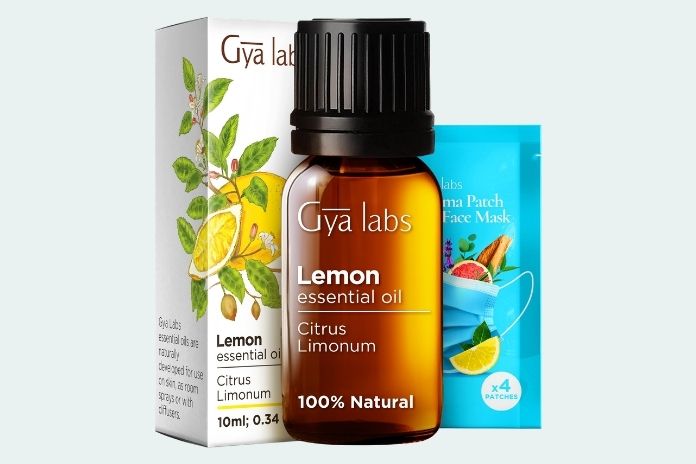
Lemon essential oil has a fresh, zesty aroma that activates olfactory receptors and enhances scent awareness. Its citrus scent can lift mood, clear mental fog, and may stimulate sensory responses that make food taste more vibrant.
Diffuse it, inhale it briefly during your smell training session, or add a few drops to a warm bath.

Lemon Essential Oil
We recommend Lemon Essential Oil a refreshing citrus oil made from natural lemon extracts, ideal for aromatherapy, skincare, and home use, uplifting mood while promoting clarity and a clean, revitalizing atmosphere.
*Purchases through this link support our research at no extra cost to you.
Read More: What Happens If You Don’t Brush Your Tongue? 7 Grave Side Effects!
Remedy 7: Rosemary Oil
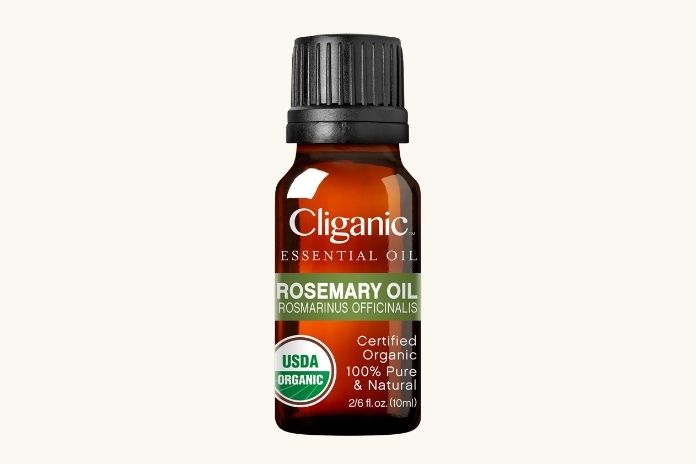
Rosemary oil’s aromatic compounds stimulate the olfactory system, making sensory signals easier to detect. Studies suggest that rosemary may also support memory and cognitive function, both of which play a role in how the brain interprets smell signals.
Diffuse it in your home, or inhale directly from the bottle for 10–15 seconds during a smell-training session.

Rosemary Oil
We recommend Rosemary Oil a therapeutic-grade, steam-distilled oil with a fresh herbal aroma, ideal for hair care, scalp nourishment, aromatherapy, and promoting mental clarity and relaxation.
*Purchases through this link support our research at no extra cost to you.
Remedy 8: Ginkgo Biloba
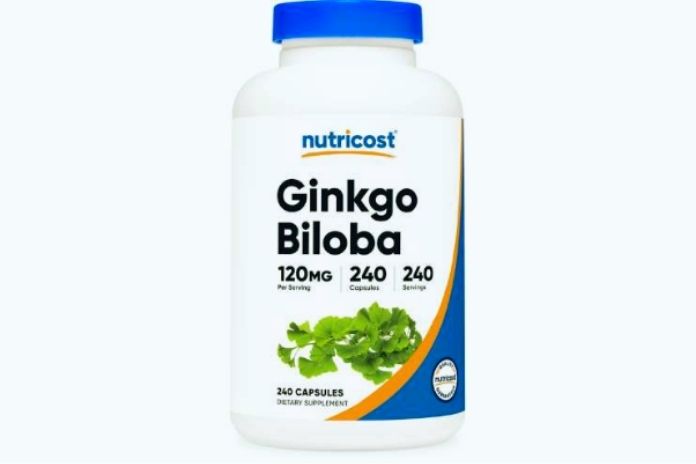
Ginkgo biloba is thought to improve circulation by widening blood vessels, helping deliver more oxygen and nutrients to the brain and sensory organs involved in taste and smell. It also contains antioxidants that protect cells from oxidative damage.
Available as a supplement or tea, ginkgo biloba is a popular plant-based option for supporting sensory awareness, though individual results vary.
Consult your doctor before starting ginkgo biloba, especially if you take blood thinners or other medications, as it can interact with several drugs.

Ginkgo Biloba
We recommend Ginkgo Biloba a high-quality supplement with antioxidant-rich extract, supporting memory, focus, and circulation, featuring non-GMO, gluten-free ingredients in easy-to-take capsules for daily cognitive wellness.
*Purchases through this link support our research at no extra cost to you.
Remedy 9: Ginseng
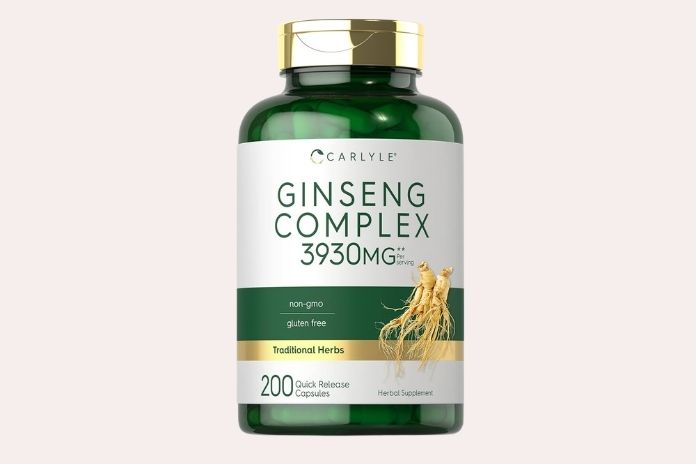
Ginseng is a well-studied adaptogenic herb with a long history in traditional medicine. Stress, both physical and emotional, can impair taste and smell perception. By moderating the body’s stress response, ginseng may indirectly help preserve sensory function during recovery.
It can be taken as a supplement, brewed as a tea, or incorporated into meals.

Carlyle Ginseng Complex Capsules
We recommend Carlyle Ginseng Complex Capsules, a traditional herbal supplement with potent ginseng extract, supporting energy, focus, and overall wellness, featuring non-GMO, gluten-free ingredients in convenient daily capsules for natural vitality.
Check Price on Amazon
*Purchases through this link support our research at no extra cost to you.
Read More: Mindful Eating – Learn About The Tips, Strategies, And Benefits
Remedy 10: Green Tea
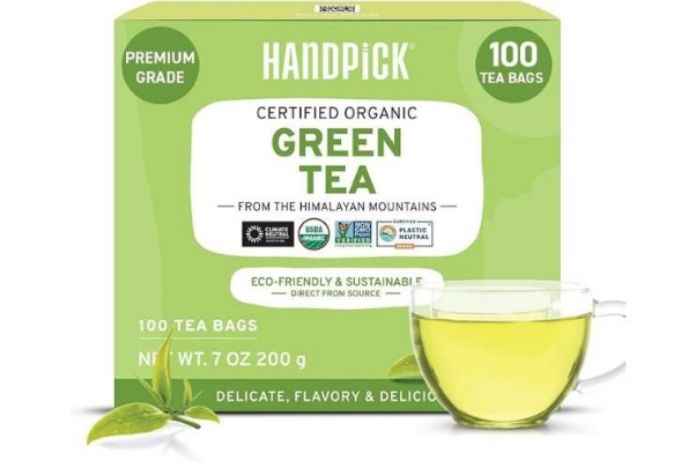
Green tea is rich in polyphenols, especially catechins, which fight oxidative stress and protect sensory receptor cells from damage. Its anti-inflammatory properties may also help reduce nasal and oral inflammation that interferes with taste and smell.
Drinking green tea daily is a simple, pleasant habit that supports sensory wellness.

Organic Green Tea Bags Eco-Conscious
We recommend Organic Green Tea Bags Eco-Conscious a premium organic blend packed in eco-friendly, biodegradable tea bags, delivering a smooth, refreshing taste while supporting wellness, antioxidants intake, and sustainable daily tea enjoyment.
*Purchases through this link support our research at no extra cost to you.
Remedy 11: Saline Nasal Irrigation
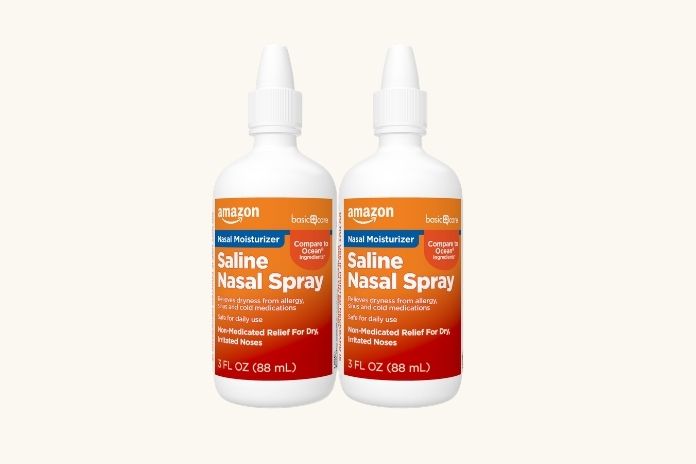
Saline nasal irrigation uses a saltwater solution to flush the nasal passages, removing mucus, allergens, and debris that can block airflow and impair smell. It also soothes inflammation and reduces congestion, helping restore clearer airway access to olfactory receptors.
A 2022 trial showed saline nasal spray with theophylline helped 59% of COVID smell-loss patients improve vs. 43% on placebo spray, clearing nasal blockage for faster recovery.
A neti pot, nasal spray, or squeeze bottle all work well. This is a safe and effective daily practice, especially during illness or allergy season.

Saline Nasal Moisturizing Spray
We recommend Saline Nasal Moisturizing Spray a non-medicated moisturizing mist with 0.65% sodium chloride that soothes dry nasal passages, relieves irritation from allergies or colds, and supports easy breathing safely.
*Purchases through this link support our research at no extra cost to you.
Remedy 12: Steam Inhalation
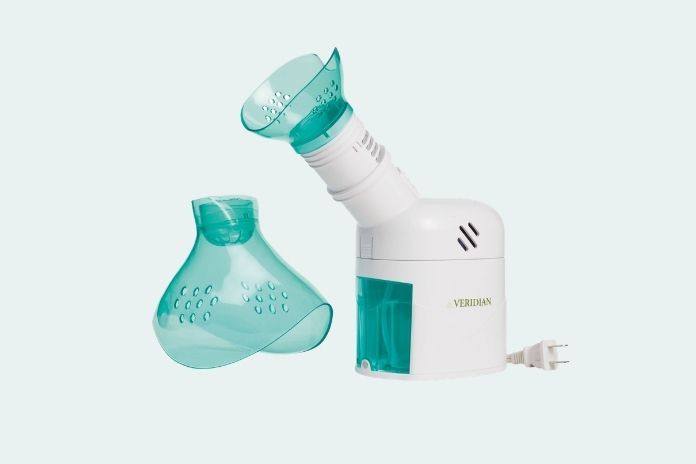
Steam inhalation is one of the oldest and most straightforward remedies for nasal congestion and sensory restoration. Warm, moist steam hydrates the nasal mucosa, loosens mucus, and reduces sinus pressure, all of which can improve airflow to smell receptors.
How to do it safely: Pour hot (not boiling) water into a bowl, drape a towel over your head, and breathe in deeply through your nose for 5–10 minutes. Keep your face at least 12 inches from the water surface to avoid burns. Adding a drop or two of eucalyptus or peppermint oil can enhance the decongestant effect.
Safety note: Never use boiling water. Keep children supervised. Avoid if you have asthma or reactive airways, and consult your doctor if unsure.

Veridian Healthcare Steam Inhaler Respiratory Vapor Therapy
We recommend Veridian Healthcare Steam Inhaler Respiratory Vapor Therapy a fast-heating device delivering soothing steam in seconds, helping relieve congestion, colds, and sinus issues while supporting respiratory comfort and facial care.
*Purchases through this link support our research at no extra cost to you.
Read More: How To Stop Our Love Affair With Junk Food and Aim at Healthier Foods
Remedy 13: Menthol Steam
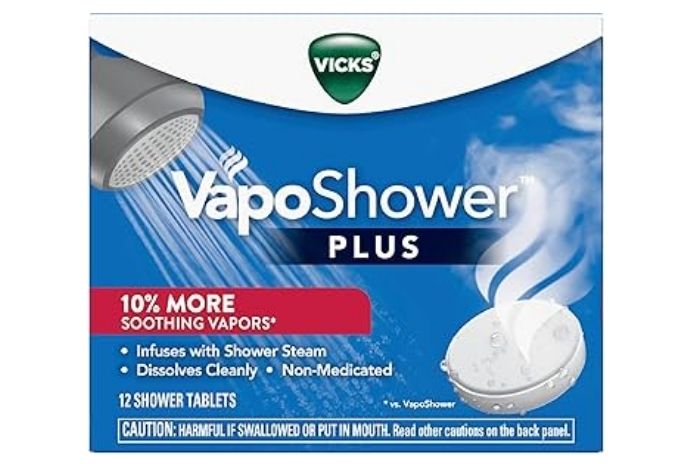
Menthol, found in peppermint and eucalyptus, has natural cooling and decongestant properties.
Adding menthol crystals or a few drops of peppermint essential oil to steam inhalation can help clear stuffy nasal passages, reduce swelling, thin mucus, and make it easier to breathe and smell. Menthol steam is a non-invasive, accessible way to support nasal health and improve scent awareness.

Vicks VapoShower Aromatherapy Shower Tablets
We recommend Vicks VapoShower Aromatherapy Shower Tablets, soothing eucalyptus and menthol-infused steamers that dissolve in your shower, creating a spa-like experience while helping you relax and breathe easier with refreshing, non-medicated vapors.
Check Price on Amazon
*Purchases through this link support our research at no extra cost to you.
Remedy 14: Diaphragmatic Breathing

Diaphragmatic breathing, also called belly breathing, involves slow, deep breaths that engage the diaphragm rather than shallow chest breathing. This technique activates the body’s relaxation response, reducing stress and supporting the autonomic nervous system, both of which affect sensory perception.
Practiced daily, diaphragmatic breathing can reduce stress-related sensory interference and promote better airflow through the nasal passages. It pairs naturally with mindfulness meditation and olfactory training.
Read More: 27 Benefits of Apple Cider Vinegar for Overall Health, Skin, Beauty, and Hair
Remedy 15: Mindfulness Meditation

Mindfulness meditation trains the mind to focus fully on the present moment, including bodily sensations. This heightened awareness can sharpen your perception of taste and smell, making you more attuned to subtle sensory signals as they return.
Regular practice also reduces stress, calms mental clutter, and supports the emotional adjustment that often comes with prolonged sensory loss.

Practicing Mindfulness
We recommend Practicing Mindfulness, to Reduce Stress, Improve Mental Health, and Find Peace in the Everyday, a practical guide with 75 simple exercises that help reduce stress, improve focus, and build daily mindfulness habits for a calmer, more balanced life.
*Purchases through this link support our research at no extra cost to you.
Comparison Table of Remedies To Treat a Loss of Taste and Smell
Fuel Your Focus
Remedies To Treat a Loss of Taste and Smell
| Remedy | Time Required | Evidence Level | Best For | Cost |
|---|---|---|---|---|
| Olfactory Training | 5 min, 2x/day | High (clinical trials) | Post-viral, COVID recovery | Low |
| Zinc-Rich Foods | Ongoing | Moderate | Deficiency-related loss | Low |
| Vitamin A Foods | Ongoing | Moderate | Mucosal health | Low |
| Antioxidant Fruits | Ongoing | Moderate | Oxidative stress | Low |
| Eucalyptus Oil | 5–10 min | Moderate | Congestion, training | Low |
| Lemon Essential Oil | 5 min | Moderate | Training, mood | Low |
| Rosemary Oil | 5–10 min | Low–Moderate | Cognitive + sensory support | Low |
| Ginkgo Biloba | Daily supplement | Low–Moderate | Circulation support | Low–Medium |
| Ginseng | Daily | Low–Moderate | Stress-related loss | Low–Medium |
| Green Tea | Daily | Moderate | Antioxidant protection | Low |
| Saline Nasal Rinse | 5 min, 1–2x/day | High | Congestion, allergens | Low |
| Steam Inhalation | 5–10 min | Moderate | Congestion, dryness | Free |
| Menthol Steam | 5–10 min | Moderate | Nasal blockage | Low |
| Diaphragmatic Breathing | 5–10 min | Moderate | Stress, airflow | Free |
| Mindfulness Meditation | 10–20 min | Moderate | Sensory awareness, stress | Free |
What NOT To Do
- Do NOT put garlic, onions, or chemicals inside your nose.Despite anecdotal claims, inserting substances into the nasal cavity can irritate or damage the olfactory epithelium and worsen your condition.
- Do NOT ignore symptoms for more than two weeks.Early treatment dramatically improves recovery outcomes.
- Do NOT assume smell loss is permanent after two weeks.Most people see improvement within months, and recovery can continue for up to a year or longer.
- Do NOT use intranasal zinc sprays.Unlike dietary zinc, intranasal zinc products have been shown to permanently damage olfactory nerve cells and were removed from the market for this reason.
- Do NOT self-medicate with strong drugs without medical advice.Some medications can actually worsen taste and smell disorders.
Incorporating These Remedies Into Your Daily Routine
Establish a routine. Schedule daily time for these therapies. Morning and evening work well for olfactory training. Consistency matters more than intensity.
Combine remedies strategically. Try pairing steam inhalation before your smell training session to open nasal passages first, then follow up with diaphragmatic breathing to stay calm and focused.
Set reminders. A simple phone alarm or app can help you stay on track, especially in the early weeks when motivation may waver.
Practice mindfulness. During each remedy, focus your full attention on what you’re sensing. Note even faint impressions without judgment.
Track your progress. Use a journal to record each session, rate your sensory perception from 0–10, and note any changes. Rewarding small milestones keeps recovery from feeling overwhelming.
Read More: 20 Best Foods to Eat During Periods and 11 Foods to Avoid
When to Seek Professional Help
Natural remedies can support recovery, but they are not a replacement for medical evaluation. See a doctor if:
- Symptoms persist beyond two weeks with no improvement
- You notice facial pain, nasal discharge, or pressure
- Loss of smell or taste began after a head injury
- You have a sudden loss of smell on one side only
- Symptoms come with neurological signs such as confusion, vision changes, or difficulty speaking
An ENT specialist can perform diagnostic testing, identify underlying causes such as nasal polyps or nerve damage, and recommend treatments such as corticosteroid rinses or more intensive smell retraining programs. Early intervention leads to better outcomes.
Conclusion
Restoring your sense of taste and smell after loss, whether from COVID-19, a viral infection, or another cause, takes time, consistency, and a multi-pronged approach. The 15 natural remedies in this article, led by olfactory training and supported by a nutrient-rich diet, targeted essential oils, and good nasal hygiene habits, give your body the best possible environment to heal.
Start as early as you can, track your progress, and don’t hesitate to seek professional guidance if symptoms persist. With the right tools and patience, the vast majority of people recover their senses and get back to fully enjoying the world around them.
FAQs
Q1. How long does it take to get your sense of smell back? Most people see improvement within 2 to 4 months. Recovery rates reach roughly 80% by six months, and improvement can continue for up to a year or more. Younger patients tend to recover faster.
Q2. Can smell loss be permanent? Permanent loss is rare. The olfactory system has a strong ability to regenerate, especially with early treatment. Seeking care within the first six weeks significantly improves the odds of full recovery.
Q3. Does smell training really work? Yes. Olfactory training has emerged as a first-line therapeutic approach for olfactory dysfunction, with significant improvements observed in clinical studies after 12 or more weeks of twice-daily practice.
Q4. What is parosmia, and is it a sign of recovery? Parosmia, when familiar smells become distorted or unpleasant, is actually a sign that your olfactory neurons are regenerating. It can be frustrating, but for many people it indicates that recovery is underway. Olfactory training can help the brain recalibrate these distorted signals over time.
Q5. When should I see a doctor for a loss of smell and taste? See a doctor if symptoms last more than two weeks, get worse, come with facial pain or nasal discharge, or began after a head injury or alongside neurological symptoms.

References
- O’Reilly, K. B. (2025, September 25). Loss of smell post-COVID: How severe is it, and how long can it last? American Medical Association.
- McWilliams, M. P., Coelho, D. H., Reiter, E. R., & Costanzo, R. M. (2022). Recovery from COVID-19 smell loss: Two years of follow-up. PMC.
- Sreenivas, S. (2025, June 9). What is parosmia? WebMD
- Oliveira, N. (2025, July 22). Zinc. The Nutrition Source, Harvard T.H. Chan School of Public Health.
- Institute of Medicine Panel on Micronutrients. (2001). Dietary reference intakes for vitamin A, vitamin K, arsenic, boron, chromium, copper, iodine, iron, manganese, molybdenum, nickel, silicon, vanadium, and zinc.
- National Institutes of Health, Office of Dietary Supplements. (2025, March 10). Vitamin A and carotenoids.
- University of Florida Health. (2016, August 29). Rosemary boosts brain power.
- NHS Fife. Steam inhalation.
- Pennsylvania Psychiatric Institute. The power of mindfulness and meditation in mental health.
- Cleveland Clinic. (2022, March 30). Diaphragmatic breathing (belly breathing): How to do it and benefits.
- WholisticMatters. What does ginseng do?
- AromaWeb. Lemon essential oil.
- DNS Dental Care. (2024, July 1). Vitamin A for oral health.
- Oshima, T., et al. (2024). Efficacy of Normalising Serum Zinc Level for Patients with Olfactory Dysfunction and Zinc Deficiency. ORL.
- Yan, C. H., et al. (2023). Efficacy of Combined Visual-Olfactory Training for COVID-19 Olfactory Loss. JAMA Otolaryngology.