















Is a glass of sparkling water good for you? It may be the most sensible change you will make to your regular hydration routine. Beyond just providing a delightful buzz, sparkling water offers many other benefits, such as supporting weight control and improving digestion.
There is a reason why sparkling water has become so popular. Millions of consumers are choosing this cool, guilt-free beverage over sugar-filled sodas and chemically flavored ones. It is comparable to ordinary still water without any added sugar, artificial coloring, or empty calories.
This article offers all the information you need, whether you’re wondering whether sparkling water is healthier than ordinary water, want to compare the two, or are just looking for a more enjoyable way to get your recommended eight glasses each day. Let’s examine each of the twelve arguments for why sparkling water ought to be a regular part of your day.
Read More: Is Warm Water First Thing in the Morning Actually Healthy? What Science Says
What is Sparkling Water?
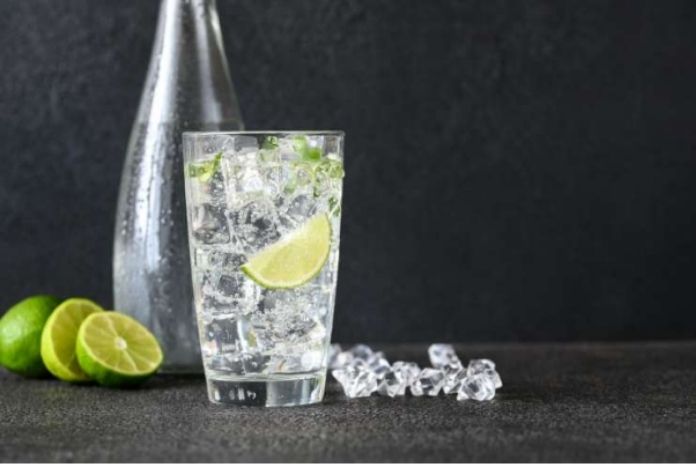
You can call carbonated water club soda, seltzer, soda water, or fizzy water; there are many names for sparkling water. However, they are all water that has dissolved compressed carbon dioxide, regardless of the name.
As acidity and bottle pressure increase, this procedure leaves a faintly sour aftertaste. The effervescent bubbles are left behind when the top is popped, releasing the gases.
Sparkling water fizzes just like soda, but you skip all the bad stuff. People usually suggest it as a healthier alternative to regular or diet sodas, and it does make sense. Because soda brings a bunch of health problems, you’re better off avoiding it.
“For people who don’t like still water and are self-proclaimed ‘soda addicts,’ seltzer can help people meet their fluid intake needs,” says Lauren Manaker, M.S., RDN, LD, CLEC.
Sparkling Water vs. Still Water vs. Soda Water At a Glance
Before we dive in, here is the big picture. This side-by-side comparison shows exactly why sparkling water is the smartest bubbly choice:
Smart Hydration Choice
Beverage Comparison Guide
| Feature | Sparkling Water | Still Water | Soda |
|---|---|---|---|
| Calories | 0 | 0 | 187 per can or bottle |
| Sugar | 0g | 0g | High (30–40 gms approx per can) |
| Hydration | Excellent | Excellent | High sugar/caffeine diuretic features |
| Fizz / Enjoyment | High | None | High (but harmful) |
| Dental Safety | Minor (mildly acidic) | Safe | Harmful |
| Blood Sugar Impact | None | None | High spike risk |
12 Health Benefits of Sparkling Water
1. Keeps You Just as Hydrated as Still Water
Think carbonation gets in the way of hydration? Science says otherwise. Research consistently confirms that sparkling water hydrates your body just as effectively as still water, molecule for molecule.
The fizz actually makes drinking more enjoyable, naturally encouraging many people to consume more fluids throughout the day. If you have always struggled to hit your hydration goals, switching to sparkling water could be the simple, flavorful nudge you need.
Best For: Anyone who finds plain water boring or struggles to drink enough fluids daily.
2. Supercharges Your Digestion

According to certain research, drinking sparkling water can aid with constipation and digestion. The digestive process may become more effective if the carbonation stimulates the nerves involved. It not only eases discomfort but may also help the digestive system function better overall.
Best For: People who experience post-meal discomfort, indigestion, or mild bloating.
Read More: Protein Drink with Water or Milk: Which Is Better for Your Goals?
3. Aids Weight Loss and Appetite Control

Hydration is crucial for those who are controlling their weight. Sparkling water is a far better way to stay hydrated than drinking ordinary or diet soda, which doesn’t provide enough water. The body often mixes up hunger and thirst, so if you’re dehydrated, you might think you’re hungry when you really need a drink.
If you’re watching your weight, pay attention to what’s in your carbonated water. Tonic water, for example, has around 15 grams of sugar per serving, which is about a third of what you’d get in regular soda. So, drinking a lot of tonic water isn’t the best move. Go for sugar-free sparkling water or club soda instead.
Best For: People managing their weight, reducing caloric intake, or trying to quit sugary sodas.
4. Supports Strong, Healthy Bones
Sparkling water doesn’t hurt your bones, no matter what you’ve heard. The real trouble comes from dark colas, which contain phosphoric acid, which may lead to bone density problems. On the other hand, mineral waters that have plenty of calcium and magnesium can actually support your bone health and keep your bones strong over time.
Best For: People concerned about bone health can drink without the risk.
5. Is Far Gentler on Your Teeth Than Soda
A prevalent misconception about sparkling water is that it gradually erodes tooth enamel, leading to various dental issues. Nevertheless, research revealed that the harm carbonated water did to teeth was on par with that of ordinary water. Once more, dental enamel degradation was caused by the high sugar content of soft drinks.
Best For: People wanting a fizzy drink without the extreme risk of enamel erosion associated with sodas.
6. Sparkling Water Supports Efficient Nutrient Absorption
Sparkling water doesn’t actually give you nutrients, but it still matters. When you’re better hydrated, everything in your body works better. Your cells absorb vitamins and minerals faster, and your system flushes waste more easily. So, adding sparkling water to what you drink helps keep your body running the way it should be.
Best For: Health-conscious people who wish to optimize food and supplement nutrient consumption.
7. Helps Your Skin Glow From the Inside Out

Drinking enough water does more than just keep your body running. It gives your skin a real boost, too. When you’re hydrated, your skin looks fuller and brighter. Plus, your body gets rid of toxins more easily.
Carbonation at room temperature acts as a vasodilator, dilating blood vessels to improve oxygen and nutrient delivery to skin tissues. This unclogs pores, removes oil and dirt, and leaves skin brighter without irritation.
Best For: People focused on skincare, anti-aging, or anyone who wants to improve hydrated skin.
Read More: Does Drinking Water With Meals Dilute Digestive Enzymes?
8. Keeps Your Blood Sugar Stable
It’s simple to go for a sugary soda to give you a boost when you need one during the day. Unfortunately, there are more negative effects than positive ones, including the possibility of tooth enamel damage, long-term health problems, and the inevitable sugar crashes.
You can drastically cut back on sugar by choosing a sparkling substitute, which will promote healthier eating habits and long-term well-being.
Best For: People managing pre-diabetes, insulin resistance, or anyone aiming for stable daily energy.
9. Supports a Healthy Heart

There have been encouraging indications that sparkling water may have heart-healthy effects, particularly on blood cholesterol levels, though we are not yet entirely sure. People who drink sparkling water have higher levels of “good” cholesterol, according to a study done on a group of postmenopausal women.
Best For: People focused on long-term heart health and reducing cardiovascular risk factors.
10. Fuels Muscle Performance and Recovery

Proper hydration is essential for the proper function of every muscle in your body. Athletes are aware of the connection between their health and performance. A major component of that is staying hydrated; being dehydrated can impair your stamina, endurance, and general performance.
A 2024 study found that ingesting carbonated water post-exercise in hot conditions temporarily counters hypotension and boosts cerebral blood flow index in the early recovery phase.
Sore muscles are nothing new to athletes. It is more difficult for your muscles to heal and recover from injury or strain when you are dehydrated, as this reduces muscle protein synthesis and increases protein breakdown. Unsweetened sparkling water is a great, calorie-free substitute for plain water if you find plain water boring while working out.
Best For: Athletes, gym-goers, runners, and anyone engaged in regular physical activity.
Read More: Water on the Knee: Causes, Symptoms, and How to Treat It
11. Sharpens Your Mental Clarity and Focus

Within hours, dehydration damages brain function, altering mood, memory, and attention. Sparkling water is a fun way to get the right amount of hydration for your brain. Maintaining adequate water reduces fatigue and brain fog caused by dehydration and increases focus by up to 12%.
If you frequently have afternoon slumps, it might be healthier and more refreshing to grab for cool sparkling water rather than a sweet or caffeinated beverage.
Best For: Students, professionals, and anyone needing sustained mental focus and cognitive clarity.
12. Elevates Your Overall Well-Being
The tiniest persistent practices can sometimes yield the greatest health benefits. Sparkling water is a very adaptable beverage choice that may be mixed into cocktails or mocktails or consumed on its own.
You can easily get sparkling water that fits your taste preferences thanks to the wide variety of flavors and brands available. Furthermore, it’s a great substitute for people who choose to abstain from alcohol or who prefer a healthier option at parties.
Best For: Anyone wanting an easy, enjoyable, and sustainable daily health habit.
Comparing Sparkling Water with Other Beverages
Sparkling Water vs. Regular Water
Sparkling water and plain water both provide hydration, but in very different ways. Both types of water are called “water.” In most cases, the best option for pure hydration without carbonation is regular water because it contains no additives.
On the other hand, the effervescent texture of sparkling water is something some people find more delightful and refreshing. Sparkling water, on the other hand, may contain carbonation, which may be unpleasant for certain people with sensitive stomachs.
Because both varieties support general health, it is vital to choose based on personal preference and the level of hydration required.
Sparkling Water vs. Flavored Waters
Producers frequently use added sugars, artificial sweeteners, or natural flavors to enhance the flavor of flavored waters. Although they offer a greater variety of options, these additives can increase calorie intake and the risk of potential health problems, such as tooth decay or spikes in blood sugar.
Sparkling water, on the other hand, may have only a tiny amount of additives or none at all. This makes sparkling water a better alternative for individuals seeking hydration without added sugars or sweeteners.
Sparkling Water vs. Soda
A notable distinction between sparkling water and soda is that sparkling water contains no added sugars, artificial flavors, or caffeine. Soda’s significant sugar content is well known to contribute to weight gain, dental issues, and an increased risk of developing any chronic diseases like diabetes.
Sparkling water, on the other hand, provides a carbonated feel without the negative health impacts linked with soda. Individuals interested in lowering their sugar consumption while still enjoying a carbonated beverage might consider this option.
If you choose sparkling water over soda, you may support your overall health and hydration goals without compromising taste or satisfaction. This is because sparkling water is more palatable than soda.
Read More: Can Coffee Count Toward Your Daily Water Intake?
How Much Sparkling Water Should You Drink Daily?
People react differently to sparkling water; some can drink it all day, while others get sensitive teeth after a few sips. It depends on your tolerance, how sensitive your teeth are, and also your digestion. Here are some broad suggestions, though:
Don’t Overdo It: Most adults do fine with one to three glasses of sparkling water a day. That’s unlikely to cause problems like heartburn, bloating, or damage to your tooth enamel.
Listen to Your Body: If drinking fizzy water makes you feel uncomfortable, experience stomach pressure or gas, or your teeth feel sensitive, it’s time to cut back or switch to still water.
Why Good Dental Habits Matter: When you eat, try sipping some sparkling water, but rinse your mouth with plain water afterward. Stick to unflavored sparkling water to avoid extra acids. If you’re not sure how all this affects your teeth, then book a dental appointment. Your dentist may fill you in on what’s actually happening with your enamel.
If you have a sensitive stomach or experience acid reflux, start with smaller amounts and monitor how your body responds. Always choose unsweetened, unflavored varieties for maximum health benefit.
Myths About Sparkling Water
Myth 1: Consuming Carbonated Water Causes Weight Gain: Drinking carbonated water doesn’t add fat or any calories to your diet. In fact, it can help with your weight loss because the bubbles help you to feel full longer. When you’re full, you don’t eat as much, so you end up taking in fewer calories overall.
Myth #2: Sparkling Water Can Lead to Dental Decay: This is not true at all. But sparkling water is somewhat more acidic than ordinary H₂O because of its carbonation, but there’s no need to fret because this kind of acid is weaker and less corrosive.
Myth #3: Sparkling Water Can Upset Your Stomach: This isn’t totally accurate. Sparkling water’s carbonation can cause bloating, burping, and a feeling of fullness, but most customers don’t mind. However, you should stay away from any carbonated product if you have acid reflux, irritable bowel syndrome, or other gastrointestinal issues.
Myth #4: Sparkling Water Affects Bone Density: According to some, sparkling water can lower bone density by causing calcium loss, like soda. That isn’t true. Phosphorus, which is included in some sodas, can reduce bone density by preventing the body from absorbing enough calcium. However, since sparkling water doesn’t contain phosphorus, there’s no need to be concerned.
Tips for Choosing the Best Sparkling Water
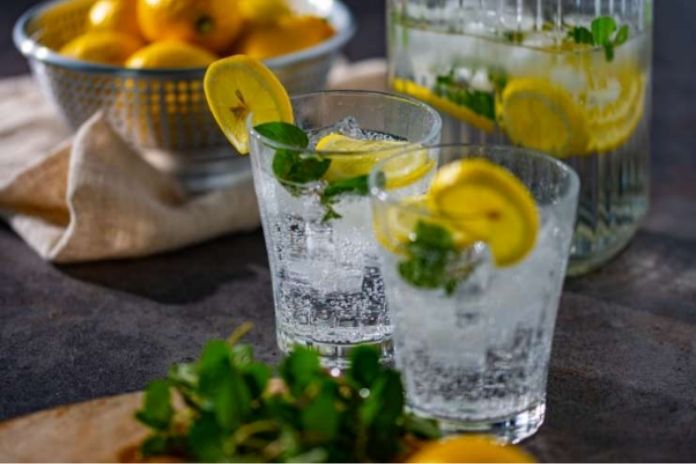
Consider these suggestions when choosing sparkling water to ensure you pick something fun and healthy.
What to look for on labels:
- Look up the ingredients.
- Choose sparkling water with minimal additives; ideally, it should be carbonated and include added natural flavors.
- For a healthier choice, avoid versions that contain artificial sweeteners, extra sugar, or preservatives.
- Look for respectable, well-known brands for their excellence and openness. Brands with spring water or natural carbonation may taste more natural.
Get a carbonation system or soda maker for your house for cost-effectiveness and convenience. To guarantee a clean base, start with filtered water and increase the carbonation to the required strength.
Add natural flavors like citrus segments or herbs instead of the additives found in store-bought alternatives for a customized touch. Whether homemade or bought, these guidelines can help you enjoy sparkling water that meets your preferences for flavor, quality, and health benefits.
Brand Recommendations: Choosing the Best Sparkling Water
Not all sparkling waters are created equal. Here are four standout options for different preferences and lifestyles:
Canada Dry Original Sparkling Seltzer Water: Even though its ginger ale is its best-known product, Canada Dry’s basic seltzer shouldn’t be overlooked.
You may drink this reliable seltzer on its own, in a cocktail, or with a slice of lemon and a splash of bitters for any occasion. It’s many medium-sized bubbles, which are neither excessively fine nor aggressively enormous, are a major factor in its versatility.
La Croix Pure Sparkling Water: It’s easy to see (and taste) why La Croix is one of the best-selling sparkling waters available. La Croix Pure is a solid staple because of its retro-cool can design, strong bubbles, and agreeably neutral flavor.
Polar Seltzer: The clearest of the sparkling waters is Polar Seltzer, Original. Depending on your preferences, they could be outgoing and vivacious or controlling and hostile.
Liquid Death Sparkling Water: It really shines when you drink it straight from the tall can. Pour it over ice, and honestly, it goes flat fast if you don’t finish it right away. But something about cracking open that can and taking a sip feels like a little throwback, especially if you remember chugging sodas as a kid. It’s just more fun that way.
Read More: Can Drinking Cold Water Slow Down Digestion? What Science Actually Says
Conclusion
Sparkling water is an intelligent choice for hydration because it has several health benefits. Its bubbly appeal offers wellness benefits, helping regulate blood sugar, support weight management, and enhance skin health.
Sparkling water should be a healthy substitute for sugar-filled beverages in your everyday routine. Enjoy its refreshing flavor and hydration qualities to improve your general health.

About the Reviewer: Dr. Nalisha Sornil
Dr. Nalisha Sornil is a dedicated homeopathic doctor and freelance medical writer with a passion for transforming complex medical knowledge into clear, meaningful insights. With a background in healthcare and experience in medical content development, she focuses on creating educational and evidence-informed health content that empowers readers to make informed decisions about their well-being.
Read more →References
- Buxton Water. (n.d.). Soda water vs sparkling water.
- Canyon Road Dental. (2025, November 21). Is sparkling water bad for you? A helpful guide to side effects & safe daily intake.
- Kajiki, M., Katagiri, A., Matsutake, R., Lai, Y. F., Hashimoto, H., Nishiyasu, T., & Fujii, N. (2024). Ingesting carbonated water post-exercise in the heat transiently ameliorates hypotension and enhances mood state. Experimental Physiology, 109(10), 1683–1697.
- Lashbrook, A. (2024, July 5). Best sparkling water. Consumer Reports.
- Pioneer Spring Water. (2025, July 5). 7 powerful health benefits of drinking sparkling water daily.
- UChicago Medicine. (n.d.). Is sparkling water good for you? Benefits and risks.
- Zenith Water. (2025, April 17). Is sparkling water good for you? Here’s what the science really says.
In this Article