














Could persistent digestive symptoms be more than just an upset stomach? For millions of Americans, what starts as recurring abdominal pain and diarrhea turns out to be Crohn’s disease—a complex condition that affects far more than just digestion.
Crohn’s disease is a type of inflammatory bowel disease (IBD) that causes chronic inflammation in the digestive tract. This condition can affect any part of the gastrointestinal system, from the mouth to the anus, but most commonly impacts the lower portion of the small intestine (ileum) and the beginning of the large intestine (colon).
As a chronic condition, Crohn’s disease persists over time and requires ongoing medical management. It can develop at any age, though it’s most frequently diagnosed in people between 15 and 35 years old. The disease affects both men and women equally, and research shows that smoking doubles the risk of developing this condition.
Read More: 15 Natural Remedies For Crohn’s Disease – Cure Things The Natural Way
Types of Crohn’s Disease
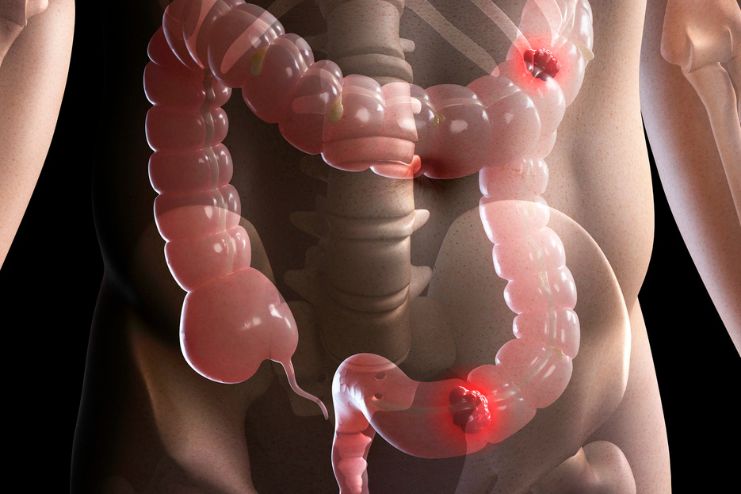
Healthcare professionals classify Crohn’s disease based on which part of the digestive tract is affected:
- Ileocolitis– This is the most common form, affecting both the ileum (end of the small intestine) and the colon (large intestine).
- Ileitis– This type affects only the ileum, the final section of the small intestine.
- Granulomatous Colitis– This form impacts only the colon.
- Gastroduodenal Crohn’s Disease– This less common type affects the stomach and duodenum (the first part of the small intestine).
Causes

While researchers haven’t identified a single definitive cause of Crohn’s disease, they believe several factors work together to trigger the condition:
Immune System Dysfunction: Scientists believe that an abnormal immune response plays a central role. When the immune system attempts to fight off harmful bacteria or viruses in the digestive tract, it may mistakenly attack healthy digestive tissue as well, leading to chronic inflammation.
Genetic Factors: Family history significantly influences risk. Research shows that 2-14% of patients have a family history of Crohn’s disease, and siblings of patients face a 15-42 times higher risk compared to the general population, suggesting that genetic predisposition plays an important role.
Environmental Triggers: While diet and stress were once thought to be primary causes, current research indicates they’re more likely triggers that can worsen symptoms rather than root causes of the disease.
Read More: Coping with Crohn’s: 8 Resources that Support Patients and Caregivers
Symptoms
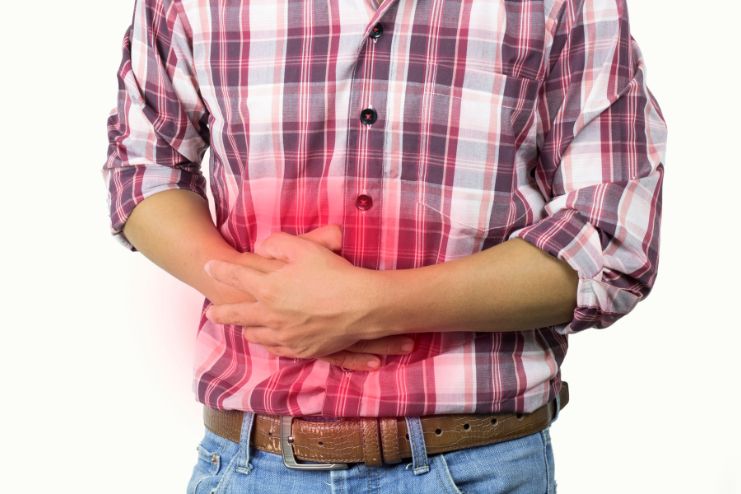
Crohn’s disease symptoms can vary significantly from person to person and may range from mild to severe. They typically fall into two main categories:
1Gastrointestinal Symptoms
- Persistent diarrhea
- Rectal bleeding
- Urgent need for bowel movements
- Abdominal pain and cramping
- Feeling of incomplete bowel evacuation
- Constipation (less common but possible)
2Systemic Symptoms

- Fever
- Unintended weight loss
- Loss of appetite
- Chronic fatigue
- Night sweats
- Disrupted menstrual cycles in women
Read More: Crohn’s and Colitis: Facts, Symptoms, and Support Tips
Risk Factors
Several factors can increase your likelihood of developing Crohn’s disease:
3Age
While Crohn’s can occur at any age, most people receive their diagnosis before age 30. However, there’s also a second peak in diagnoses that occurs in people in their 50s and 60s.
4Ethnicity and Race
Though Crohn’s disease can affect people of any background, it occurs more frequently in Caucasians and people of Eastern European Jewish (Ashkenazi) descent.
5Family History
Having a close relative with Crohn’s disease or another form of IBD significantly increases your risk. Approximately 20% of people with Crohn’s have a family member with the condition.
6Smoking
Cigarette smoking is one of the most significant controllable risk factors. Smokers not only have a doubled risk of developing Crohn’s disease but also tend to experience more severe symptoms and complications. They’re also more likely to require surgery and have higher rates of disease recurrence.
7Medications
Nonsteroidal anti-inflammatory drugs (NSAIDs) such as ibuprofen, naproxen, and diclofenac don’t cause Crohn’s disease but can trigger bowel inflammation that may worsen existing symptoms.
8Geographic and Environmental Factors
People living in urban areas and industrialized countries have higher rates of Crohn’s disease. Those in northern climates also appear to face increased risk. These patterns suggest that environmental factors, including diets high in processed foods and refined sugars, may contribute to disease development.
Living with Crohn’s Disease
Understanding Crohn’s disease is the first step toward effective management. While there’s currently no cure, various treatments can help control symptoms, reduce inflammation, and improve quality of life. If you experience persistent digestive symptoms, especially if you have risk factors for Crohn’s disease, it’s important to consult with a healthcare provider for proper evaluation and diagnosis.
Early diagnosis and appropriate treatment can help prevent complications and allow people with Crohn’s disease to lead full, active lives.
Take Action Today: If you’re experiencing persistent digestive symptoms like chronic diarrhea, abdominal pain, or unexplained weight loss, don’t wait. Schedule an appointment with a gastroenterologist or your primary care physician.
Early diagnosis and treatment can make a significant difference in managing Crohn’s disease and preventing serious complications. Your digestive health deserves attention—and the sooner you act, the better your long-term outlook can be.
9References
- https://www.thelancet.com/journals/langas/article/PIIS2468-1253(19)30333-4/fulltext
- https://www.ncbi.nlm.nih.gov/books/NBK436021/
- https://medlineplus.gov/genetics/condition/crohns-disease/
- https://pmc.ncbi.nlm.nih.gov/articles/PMC4075408/
- https://pubmed.ncbi.nlm.nih.gov/8780560/
- https://www.ncbi.nlm.nih.gov/pmc/articles/PMC5517176/
- https://www.mayoclinicproceedings.org/article/S0025-6196(17)30313-0/fulltext
In this Article