











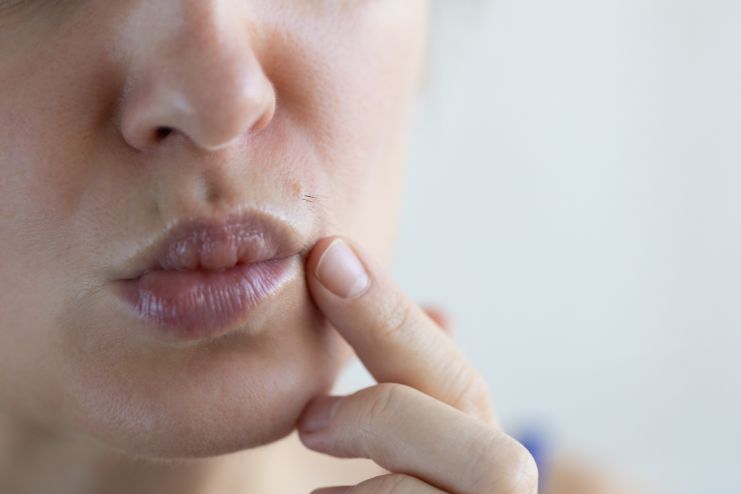
Dealing with unwanted facial hair can feel challenging, but you have numerous options available—from gentle natural remedies to modern professional treatments. While some methods work better for certain skin types than others, finding the right approach can give you smooth, confident skin without excessive irritation.
According to dermatologist Dr. Sandra Johnson from Fort Smith, Arkansas, having hair is a trait shared by all mammals — humans included — simply because it’s part of our biological classification. As we age, some of that hair becomes heavier or more obvious, she explains. “You’re not by yourself.”
Important Safety Note: Always consult with a dermatologist before trying new hair removal methods, especially if you have sensitive skin, skin conditions, or are taking medications. Patch test any new product or ingredient on a small area of skin 24-48 hours before full application.
Natural Facial Hair Removal Methods
Note: The following are traditional remedies that have been used historically. While generally gentler than harsh chemicals, scientific evidence for their effectiveness varies. Always patch test and discontinue if irritation occurs.
1. Raw Papaya and Turmeric

Raw papaya contains papain, an enzyme that may naturally break down hair follicles. This gentle method is particularly effective for those with sensitive skin.
Instructions:
- Blend raw papaya into a smooth paste
- Add 2 tablespoons of turmeric powder and mix thoroughly
- Apply to your face and leave for 10-15 minutes until dry
- Rinse with lukewarm water and follow with a gentle moisturizer
- Use 2-3 times per week for best results
2. Sugar and Lemon Wax
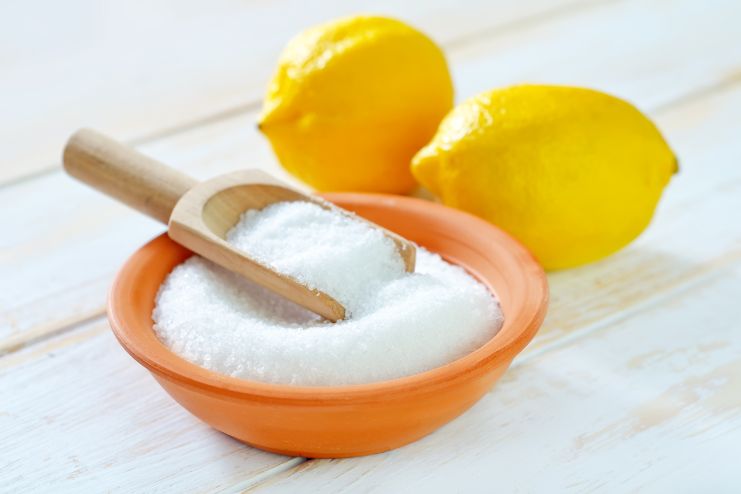
This natural waxing alternative creates a honey-like consistency that effectively removes hair while being gentler than commercial wax.
Instructions:
- Combine 1 cup sugar with a small amount of water in a pot
- Bring to a boil, stirring continuously to prevent crystalization
- Add 1 teaspoon fresh lemon juice and continue cooking until caramelized
- Cool to a comfortable temperature and apply like traditional wax
- Allow to set briefly, then remove quickly in the opposite direction of hair growth
3. Rose Water and Alum Paste
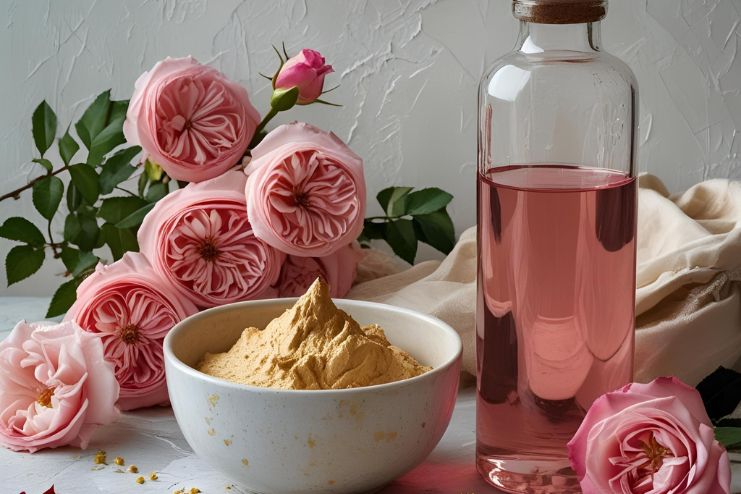
This combination provides both hair removal benefits and skin-soothing properties.
Instructions:
- Mix 2-3 tablespoons rose water with ½ tablespoon alum powder
- Create a smooth paste and apply to the target areas
- Allow to dry completely (about 15 minutes)
- Apply a second layer and wait another 10 minutes
- Rinse thoroughly and apply a gentle facial oil or moisturizer
4. Apricot and Honey Scrub
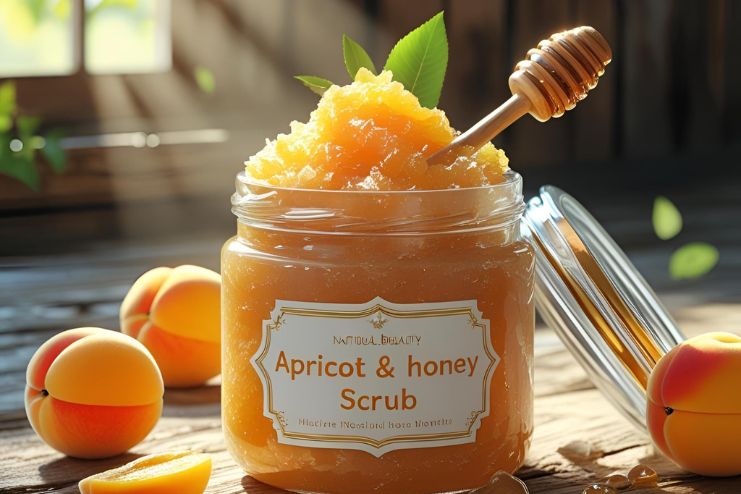
This method combines hair removal with gentle exfoliation, leaving skin smooth and nourished.
Instructions:
- Grind dried apricots into a coarse powder
- Mix with enough honey to form a spreadable paste
- Apply to the face and leave for 10 minutes
- Gently scrub in circular motions before rinsing
- Follow with moisturizer if needed
5. Aloe Vera Treatment
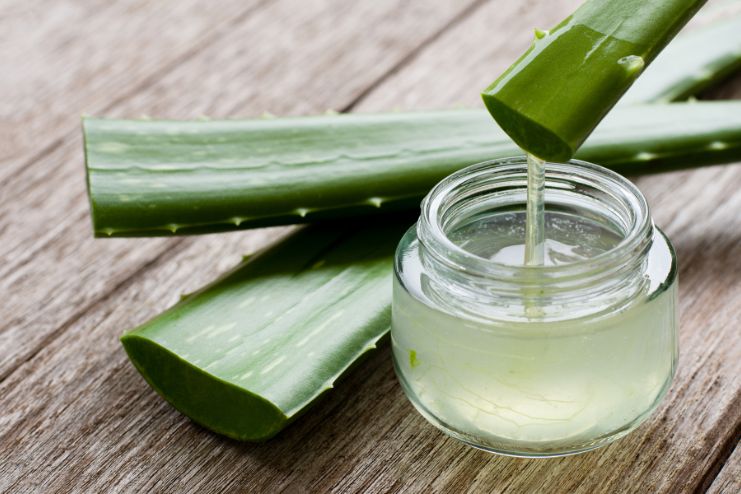
Perfect for sensitive skin, aloe vera provides soothing properties while offering very gentle hair removal assistance.
Instructions:
- Use fresh aloe vera gel from the plant
- Apply evenly across target areas
- Leave for 15-20 minutes
- Rinse with lukewarm water
- Use 2-3 times weekly
6. Chickpea Flour Face Pack
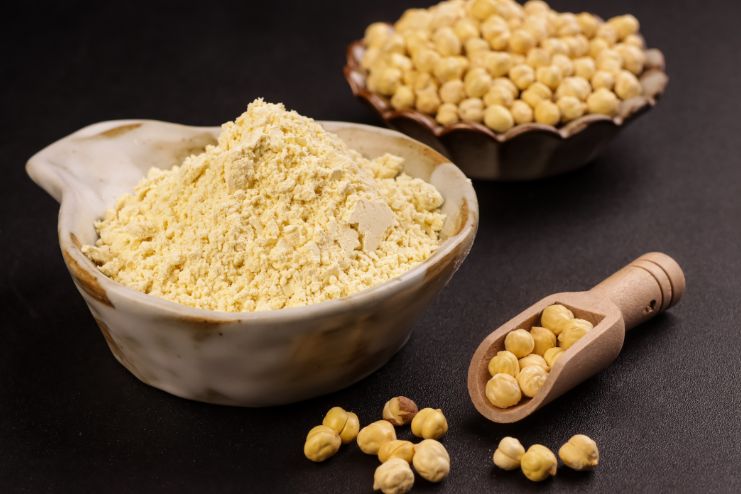
This traditional method gently draws hair from follicles while providing natural exfoliation.
Instructions:
- Combine 2-3 tablespoons chickpea flour with 1 teaspoon turmeric
- Add milk gradually to create a smooth paste
- Massage onto face in circular motions
- Leave for 15 minutes before rinsing
- Repeat 3-4 times weekly
7. Honey and Lemon Peel-Off Treatment
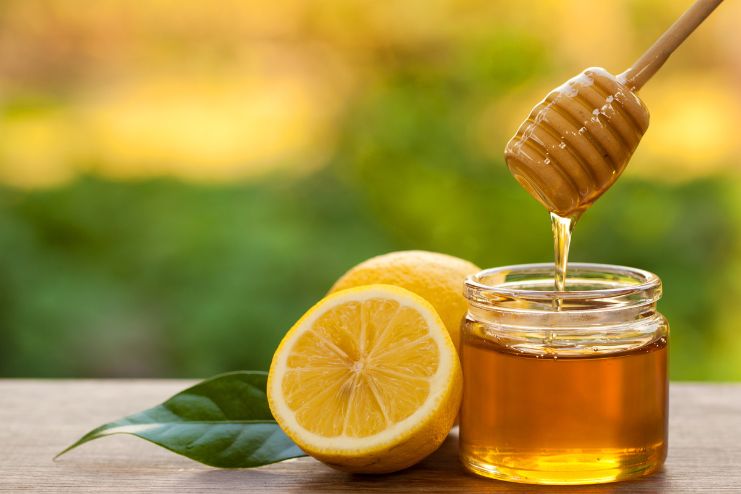
The natural stickiness of honey, combined with lemon’s bleaching properties, makes this an effective dual-purpose treatment.
Instructions:
- Mix 3-4 tablespoons of honey with a few drops of fresh lemon juice
- Apply evenly using a clean spatula
- Allow to dry completely before peeling off
- Rinse any remaining residue with lukewarm water
8. Banana and Oatmeal Exfoliating Mask
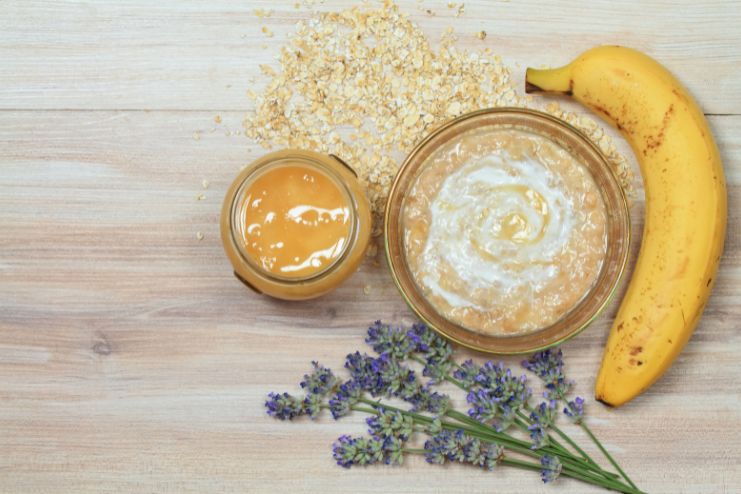
This nourishing combination removes hair while providing skin-beneficial vitamins and gentle exfoliation.
Instructions:
- Mash 1 ripe banana with 1-2 tablespoons coarse oatmeal
- Add 1 tablespoon of honey and mix thoroughly
- Apply to the face and leave for 15 minutes
- Wet hands and gently exfoliate for 2-3 minutes before rinsing
- Use 2-3 times weekly
9. Egg White Peel-Off Mask
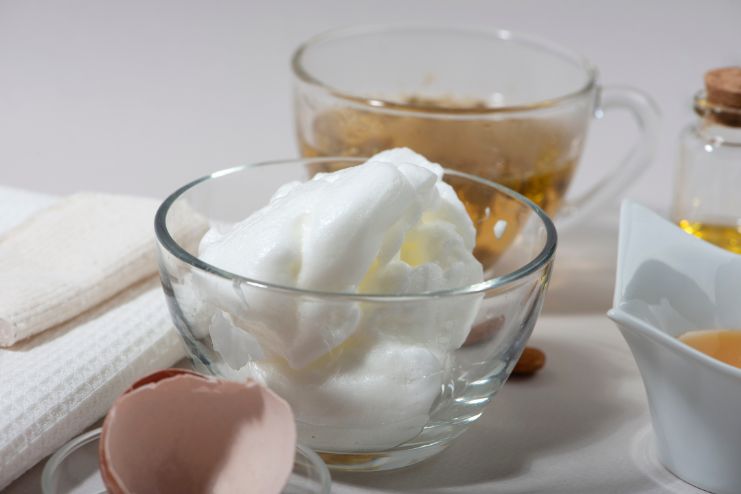
This protein-rich treatment may help with fine hair removal while tightening pores.
Instructions:
- Whisk one egg white to soft peaks
- Add 1 tablespoon of granulated sugar and whisk again
- Mix in corn flour to create a spreadable consistency
- Apply to the face and allow to dry completely
- Peel off carefully and rinse any residue
10. Gelatin Peel-Off Mask
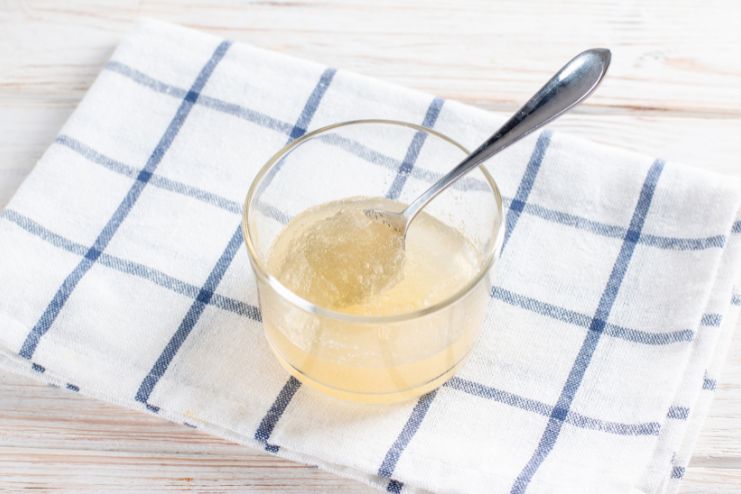
This method may help with fine hair removal while deep-cleaning pores.
Instructions:
- Heat 3-4 tablespoons of milk and dissolve 1 teaspoon of unflavored gelatin
- Microwave for 1-2 minutes until completely dissolved
- Add a few drops of lemon juice and mix
- Cool slightly and apply with a spatula to hair-prone areas
- Allow to dry completely before peeling off
- Apply moisturizer if any redness appears
Professional and Semi-Professional Methods
11. Threading
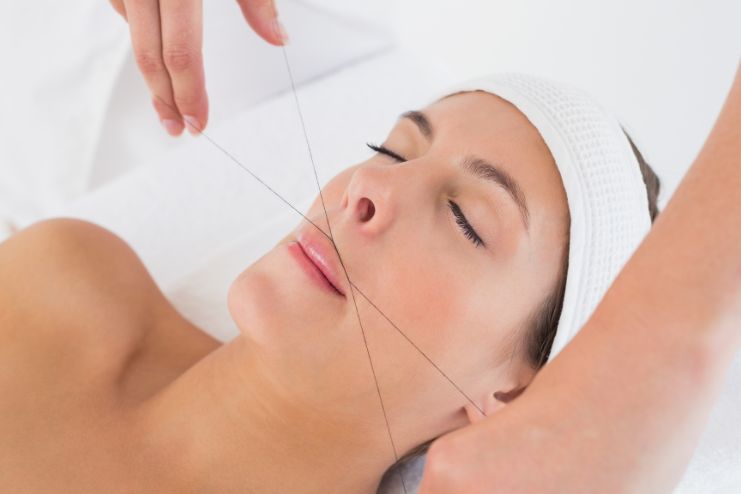
A precise, chemical-free method using cotton thread to remove hair from the root. Popular for eyebrows and the upper lip areas.
Benefits:
- Very precise hair removal
- No chemicals involved
- Suitable for sensitive skin
- Lasts 2-3 weeks
Considerations:
- Can be painful
- Requires skill for self-application
- May cause temporary redness
12. Waxing
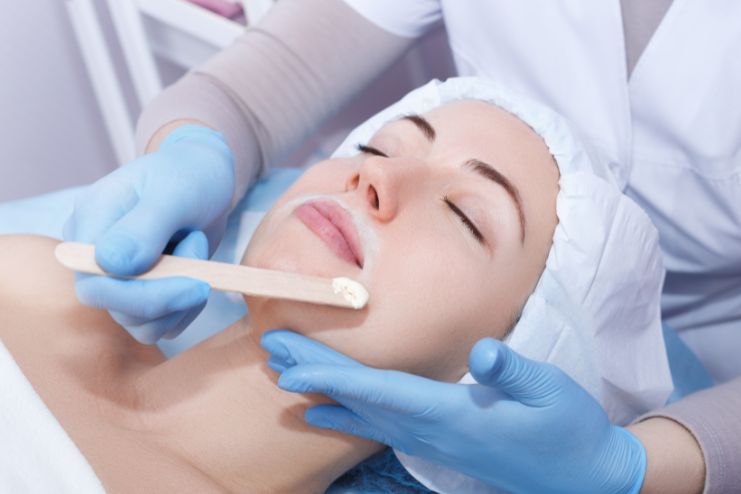
Available in hot wax and cold strip varieties, waxing remains one of the most effective temporary hair removal methods.
Hot Wax Method:
- Melted wax is applied and removed with strips
- More effective for coarse hair
- Can be done at home with proper equipment
Cold Wax Strips:
- Pre-made strips for convenience
- Less messy than hot wax
- Good for beginners
13. Hair Removal Creams
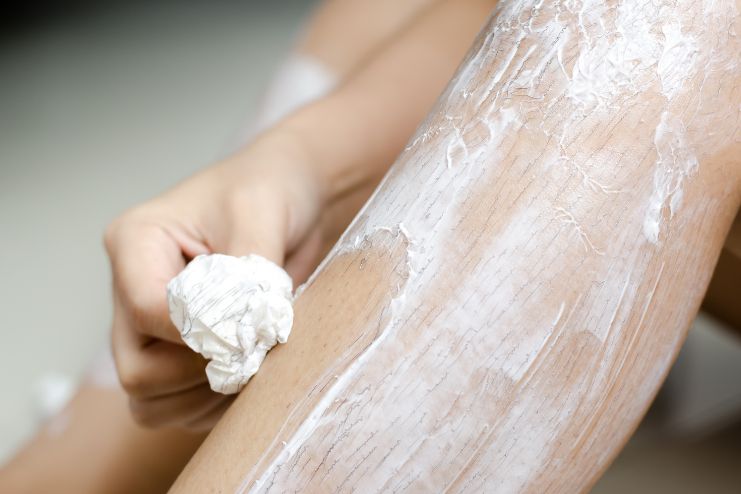
Modern formulations in 2025 offer gentler options with added skin-conditioning ingredients.
Instructions:
- Always perform a patch test 24 hours before use
- Apply according to package directions
- Never exceed the recommended time
- Remove with the provided spatula and rinse thoroughly
Look for creams with natural ingredients like aloe vera and chamomile for sensitive skin.
14. Laser Hair Removal
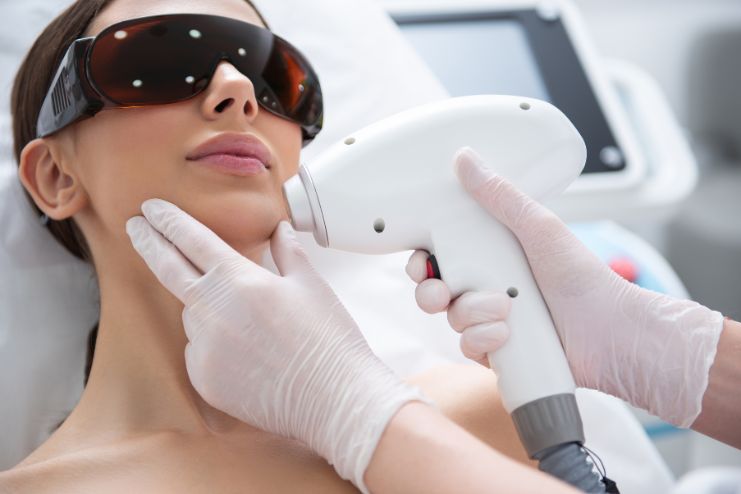
Significant advances have made laser treatments more accessible and effective for various skin types.
Improvements:
- Better technology for darker skin tones
- Less painful procedures
- More affordable home devices available
- Faster treatment times
Considerations:
- Requires multiple sessions
- Professional treatment recommended
- Not suitable for all hair and skin types
- Can have side effects if not done properly
15. Tweezing
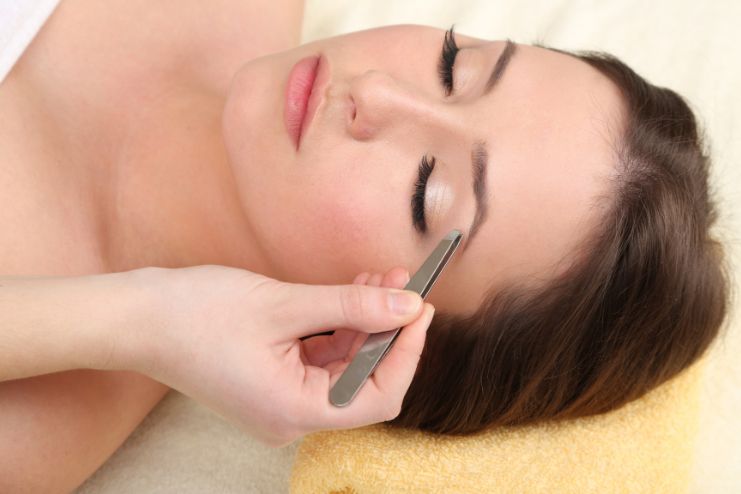
The most precise method for removing individual hairs is especially effective for small areas.
Best Practices:
- Use high-quality, sharp tweezers
- Pluck in the direction of hair growth
- Clean tweezers before and after use
- Apply a cold compress to reduce discomfort
16. Facial Epilators
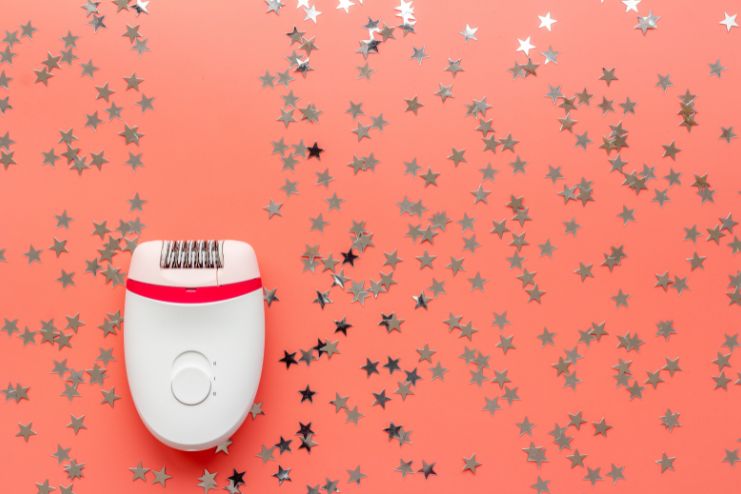
New models feature improved technology with reduced pain and better efficiency.
New Features:
- Cooling attachments to reduce discomfort
- Built-in LED lights for precision
- Wet-use capabilities
- Multiple speed settings
17. Electrolysis
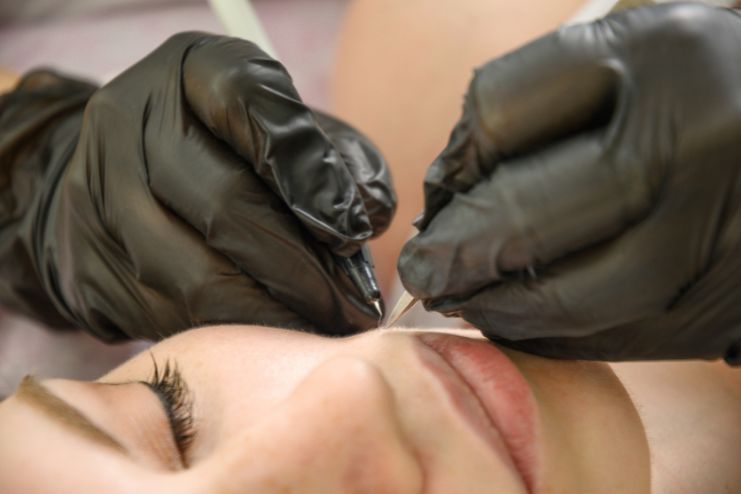
The only FDA-approved method for permanent hair removal, with improved techniques.
Recent Advances:
- More comfortable procedures
- Faster treatment times
- Better results for all hair types
- Reduced side effects
Post-Treatment Care
Proper aftercare is crucial regardless of your chosen method:
- Apply a gentle, fragrance-free moisturizer immediately after treatment
- Avoid sun exposure for 24-48 hours
- Don’t touch or scratch treated areas
- Use cool compresses for any irritation
- Avoid harsh skincare products for 24 hours
Understanding Facial Hair Growth
Facial hair growth in women can be influenced by several factors:
Hormonal Factors:
- Natural hormone fluctuations
- PCOS (Polycystic Ovary Syndrome)
- Menopause
- Thyroid disorders
Other Causes:
- Genetics
- Certain medications
- Insulin resistance
- Stress
When to Consult a Doctor:
- Sudden increase in facial hair
- Hair growth accompanied by other symptoms
- Suspected hormonal imbalance
Prevention Strategies
While you can’t completely prevent natural hair growth, these strategies may help:
- Maintain hormonal balance through proper diet and exercise
- Regular exfoliation to prevent ingrown hairs
- Consistent treatment with your chosen method
- Professional consultation for persistent issues
- Stress management as stress can affect hormone levels
Safety Precautions
Before trying any hair removal method:
- Always patch test new ingredients or products
- Clean your face thoroughly before treatment
- Use clean tools and fresh ingredients
- Be gentle—avoid excessive force or pressure
- Stop immediately if you experience severe irritation
- Consult a dermatologist for persistent skin issues
Conclusion
Effective facial hair removal doesn’t have to be painful or expensive. From gentle natural remedies using kitchen ingredients to advanced professional treatments available, you have numerous options to achieve smooth, hair-free skin.
The key is finding the method that works best for your skin type, hair texture, and lifestyle. Natural remedies often provide additional skin benefits like exfoliation and moisturization, while professional treatments offer longer-lasting results.
Remember that consistency is important with any method you choose. Start with gentler approaches if you have sensitive skin, and don’t hesitate to consult a dermatologist if you experience persistent issues or suspect an underlying hormonal condition.
Frequently Asked Questions
Q: Does removing facial hair cause it to grow back thicker? A: No, this is a common myth. Hair may appear thicker due to the blunt tip created by cutting, but the actual hair structure doesn’t change.
Q: Can facial hair removal help with acne? A: Yes, removing facial hair can help unclog pores and reduce the buildup of oil and bacteria that contribute to acne formation.
Q: How can I prevent bumps after hair removal? A: Keep the area clean, exfoliate gently before treatment, avoid touching the treated area, and use a soothing moisturizer afterward.
Q: Which method is best for sensitive skin? A: Natural methods like aloe vera treatments, threading, or professional treatments specifically designed for sensitive skin are typically best.
Q: How often should I remove facial hair? A: This depends on your hair growth rate and chosen method. Most people need treatment every 1-4 weeks, with professional treatments lasting longer.
References
- https://www.aarp.org/health/healthy-living/how-to-remove-facial-hair/
- https://johnsondermatology.com/Sandra-M-Johnson-MD-FAAD/
- https://uncover.co.in/post/home-remedies-for-removing-facial-hair
- https://www.webmd.com/beauty/features/remove-facial-hair
- https://www.annmariegianni.com/7-natural-ways-to-remove-facial-hair-no-razor-required/
- https://www.stylecraze.com/articles/6-hair-removal-methods-for-facial-hair/
In this Article