













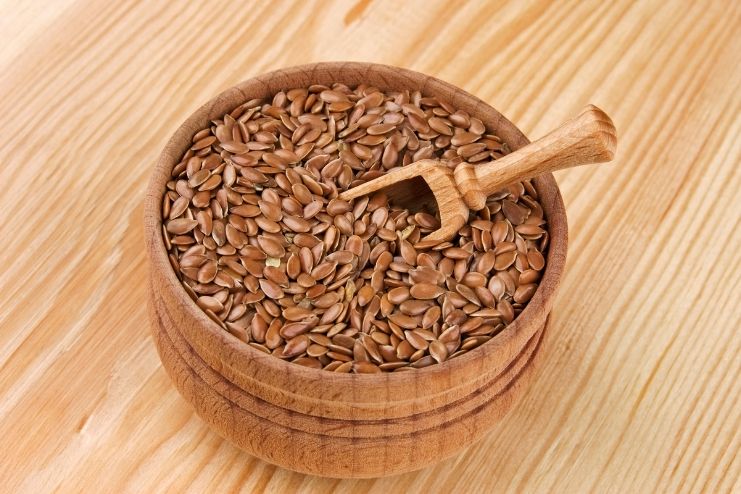
From smoothies to baked food, flaxseeds have become a staple of wellness diets. So are they the superfood they’re made out to be? Filled with fiber, omega-3s, and lignans, flaxseeds have been a part of traditional medicine for ages.
But what does science reveal? Here’s the breakdown on the scientifically proven benefits, differentiating science-backed benefits from others, and the possible side effects you should know about.
Flaxseed Origin:

Flaxseeds, also known as linseeds, come from the flax plant (Linum usitatissimum), cultivated for over 6,000 years. Originating in the Mediterranean and parts of Asia, flax was prized both as food and medicine. Today, you’ll find flaxseeds in whole, ground (meal), or oil form across health food stores worldwide.
Read More: 9 Healthiest Seeds To Eat For Better Nutrition
Scientifically Proven Benefits of Flaxseeds
These benefits are backed by clinical studies and published scientific research.
1. Supports Weight Loss and Appetite Control

Flaxseeds are rich in soluble fiber, particularly mucilage, which swells in the intestines and delays stomach emptying. This suppresses hunger, regulates appetite, and promotes less total calorie consumption. With time, this effect can lead to substantial weight loss, especially in obese or overweight persons.
A 2025 study revealed that supplementation with flaxseed significantly lowered body weight and waist circumference.
How to Use:
- Stir 2 tbsp of ground flaxseed into your smoothie, yogurt, or oatmeal.
- Sprinkle on salads or mix into baked goods.
2. Relieves Constipation and Promotes Gut Health

Flaxseeds contain both soluble and insoluble fiber. Soluble fiber helps soften stools by absorbing water, while insoluble fiber adds bulk, stimulating peristalsis (gut movement). This dual action makes flaxseeds a gentle and natural remedy for chronic constipation and sluggish digestion.
As per a recent 2022 study, it was observed that flaxseed consumption enhanced bowel patterns in adults.
How to Use:
- Combine 1 tbsp ground flaxseed with ¾ glass of water and consume twice daily.
- Drink plenty of water to prevent digestive upset.
Read More: 10 Best Plant-Based Foods for Glowing Skin, Backed by Science
3. Controls Blood Sugar in Type 2 Diabetes

Flaxseeds blunt postprandial blood sugar rises by retarding glucose absorption. Lignans and fiber also increase insulin sensitivity, aiding improved glycemic management in individuals with insulin resistance or type 2 diabetes.
Flaxseed consumption has been linked to reductions in fasting blood glucose and HbA1c levels, particularly in people with type 2 diabetes or prediabetes.
How to Use:
- Add 1 tbsp of ground flaxseed to your cereal or shakes daily.
- Take regularly for 4+ weeks to see effects.
4. Promotes Heart Health

Flaxseeds are among the richest plant sources of alpha-linolenic acid (ALA), an omega-3 fatty acid. ALA decreases inflammation, lowers blood pressure, and reduces levels of LDL (bad) cholesterol—factors that individually enhance cardiovascular health and lower heart disease risk.
The American Journal of Clinical Nutrition verifies that flaxseed lowers LDL cholesterol and enhances cardiovascular markers.
How to Use:
Mix 1–2 tbsp ground flaxseed into soups, salads, or smoothies.
5. Anti-Inflammatory Effects

ALA and lignans in flaxseeds act as anti-inflammatory compounds by suppressing pro-inflammatory cytokines like IL-6 and CRP. This is especially useful in those with chronic inflammatory diseases, such as arthritis and metabolic syndrome.
A 2016 study in JACN revealed that flaxseed consumption decreased inflammation in individuals with cardiovascular risk factors.
How to Use:
Use cold-pressed flaxseed oil on dressings or drizzle it over cooked foods.
6. Packed with Lignans (Antioxidants)

Flaxseeds are packed with as much as 800 times more lignans than other plant foods. Lignans are polyphenols that act as antioxidants to neutralize free radicals, decrease oxidative stress, and potentially decrease the risk of cancers related to hormones, such as breast and prostate cancer.
Certain studies have associated lignans with a lower breast cancer risk among postmenopausal women.
How to Use:
- Steep 1 tbsp of seeds in hot water to make tea.
- Add ground flax to porridges or baking mixes.
7. Skin Texture and Healing

Flaxseed is used on the skin and is popular for reducing acne scars, moisturizing dry skin, and slowing down aging due to its antioxidants.
DIY Face Pack:
- Combine 1 tbsp flaxseed flour and yogurt or lemon juice.
- Apply, sit for 15 minutes, and wash off.
Traditional or Anecdotal Benefits (Less Scientific Evidence)
These are applications based on traditional remedies, folklore, or limited scientific research.
8. PCOS Relief

Initial reports indicate that flaxseeds decrease androgen levels and normalize menstrual cycles in women with polycystic ovary syndrome (PCOS). This cannot be trusted fully, due to the lack of sufficient scientific evidence.
Tip:
Mix ground flaxseed (powder) into your morning smoothie or yogurt.
9. Mood and Depression

ALA from flaxseed (oil) can help in serotonin secretion in the brain, enhancing mood and reducing symptoms of depression. The more potent effects are associated with EPA and DHA from fish oil, compared to flax seeds. Flax seeds may provide a slight mood improvement; more studies are required.
Tip:
Add flaxseeds to salads or mix them into morning smoothies.
Read More: Top PCOS-Friendly Protein Powders for Energy & Metabolism Support
10. Relief from Dry Eye and Skin

Certain small trials indicate that flaxseed oil enhances tear film quality and reduces dry eye syndrome symptoms. The results are encouraging, but preliminary and need more research.
Tip:
Add flaxseed oil to food or take supplements with medical guidance.
11. Hair Health
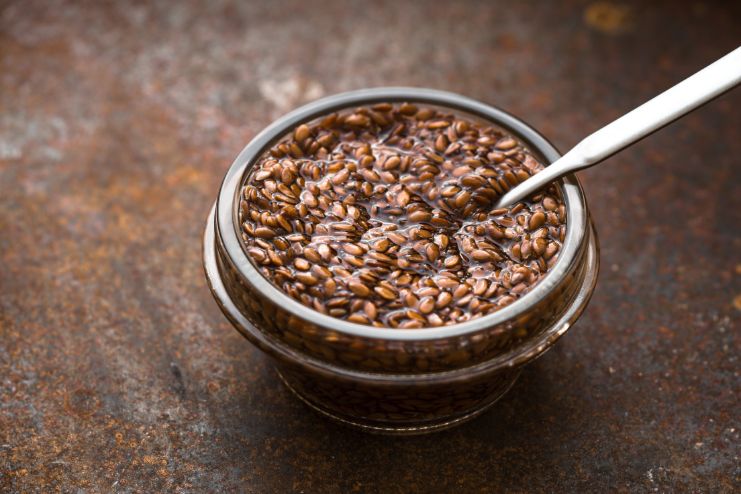
High in omega-3s and vitamin E, flaxseed finds its place in home hair care remedies. It is said to fight dandruff, nourish follicles, and enhance shine. This verdict is entirely based on traditional use.
DIY Gel:
- Boil 2 tbsp flaxseeds in 1 cup water.
- Strain and apply gel to the scalp for 20–30 minutes.
Possible Side Effects and Precautions

Though false seeds can be an amazing addition to your diet and lifestyle, you must be careful about certain side effects, too. Here are a few side effects and precautions you must take:
- Excessive consumption might lead to gas and bloating, particularly if not had with sufficient water.
- They might interfere with blood clotting and must be avoided if taking anticoagulants.
- Flax seeds come with certain hormonal effects. Be cautious if you have hormone-sensitive conditions.
- They contain cyanogenic compounds, and you must limit excessive raw seeds.
Safe Use Tips:
- Use ground or roasted seeds.
- Stay hydrated with lots of fluids.
- Consult your physician if pregnant, lactating, or on medication.
Frequently Asked Questions (FAQs)
- Is ground flaxseed better than whole flaxseed?
Yes. Whole flaxseeds can pass through undigested. Ground flax enables your body to extract nutrients more efficiently.
- How much daily flaxseed should I consume?
1 to 2 tablespoons of ground flaxseed per day is optimal. Begin with small amounts to prevent digestive upset.
- Can I use flaxseeds while pregnant?
Usually safe in food quantities, but speak with your OB-GYN because of their phytoestrogenic nature.
- How do I store flaxseed?
Whole seeds may be stored in a dark, cool place. Ground flax must be refrigerated and consumed within a few weeks.
- Does oil from flaxseed provide equal benefits to seeds?
Oil contains ALA but no fiber or lignans. To get full benefits, use oil with ground seeds.
- Is flaxseed gluten-free?
Yes, flaxseed is gluten-free by nature.
Conclusion
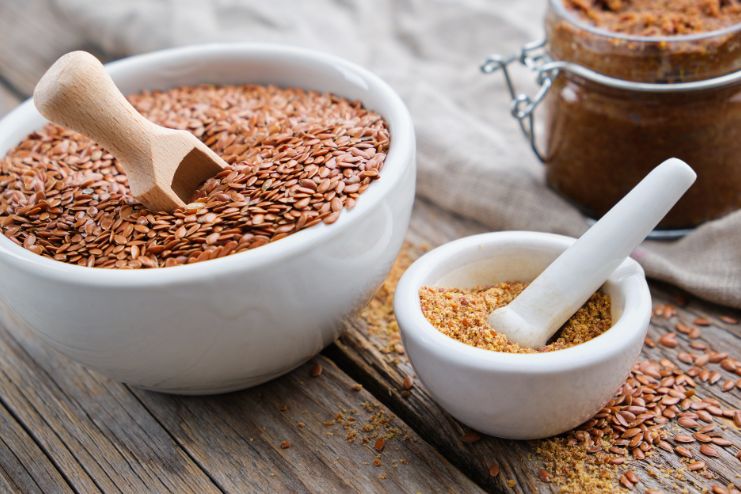
Flaxseeds are more than a fad health food—more than a superfood, even—they’re a highly effective source of fiber, plant-based omega-3 fatty acids, and lignans that benefit heart, gut, and metabolic health.
While some traditional uses can be fascinating, only a few are currently supported by solid scientific research. Ground and eaten in moderation, flaxseeds are a convenient, effective superfood to add to your daily routine.
References
- https://www.researchgate.net/publication/347431735_Role_of_Polyunsaturated_Fatty_Acid_Derivative_Flaxseeds_in_the_Treatment_of_Dry_Eyes-_An_Overview
- https://pmc.ncbi.nlm.nih.gov/articles/PMC10353157
- https://pmc.ncbi.nlm.nih.gov/articles/PMC9340349
- https://pmc.ncbi.nlm.nih.gov/articles/PMC9590345
- https://www.sciencedirect.com/science/article/abs/pii/S187140212500058X
- https://pmc.ncbi.nlm.nih.gov/articles/PMC7690987
In this Article