











One fear that many people face is the prospect of aging. It not only impacts the way we look, but also can shatter our confidence sometimes. If you feel the same, read on!
Getting older is unavoidable, but the rate at which it happens is also a concern. While we tend to spend a lot of money on creams, treatments, and serums to maintain our youth, we often overlook the most effective anti-aging weapon of all: a balanced diet.
What you eat determines your skin, energy, and brain function, and it also determines how quickly your cells age. In this article, we’ll learn about 10 of the most science-backed anti-aging foods, how they function, and how you can include them in your daily diet for sustained vigor.
10 Best Anti-Aging Foods to Add To Your Diet
Here are the 10 best anti-aging foods that can help you:
11. Brazil Nuts
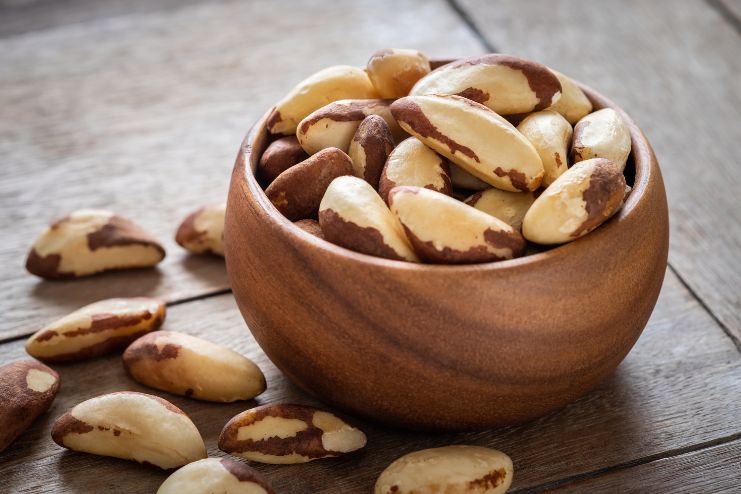
Brazil nuts are small, nutrient-dense powerhouses originating from the Amazon rainforest. They are the richest natural source of selenium, a trace mineral vital for brain function, thyroid regulation, and antioxidant defense. Just 1–2 Brazil nuts a day are enough to meet your daily selenium requirement. Studies show that adequate selenium intake improves cognitive performance, immune health, and even mood.
How it helps:
Selenium enhances glutathione peroxidase activity, an enzyme that detoxifies free radicals—unstable molecules that harm cells and promote aging. One study in 2014 discovered that elderly people who ate one Brazil nut per day for six months enhanced their selenium status and experienced improved verbal fluency and antioxidant status.
How to include it:
- Have 1–2 Brazil nuts as a mid-morning snack.
- Sprinkle chopped Brazil nuts into oatmeal or yogurt.
- Mix into homemade energy bars or trail mix with dried fruit and dark chocolate.
Read More: 8 Common “Healthy” Habits That Could Be Aging You Faster
22. Blueberries and Strawberries
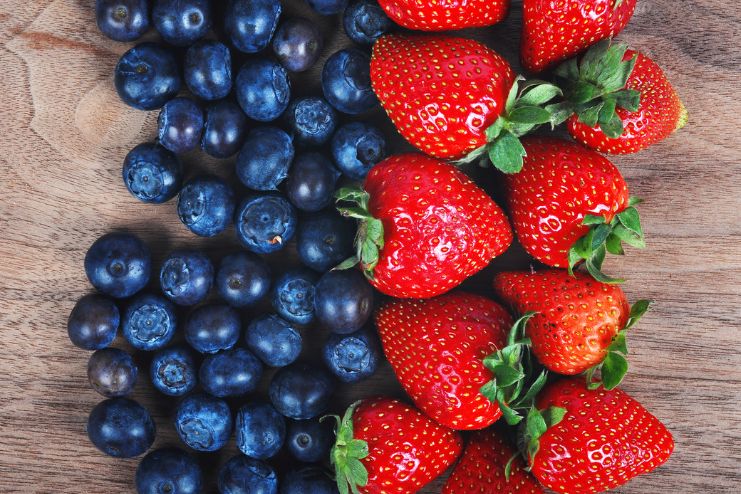
These berries are more than decorative additions to breakfast bowls; they’re packed with anthocyanins and vitamin C, two powerful antioxidants that fight oxidative stress, lower inflammation, and preserve cognitive function. Blueberries, in particular, have been referred to as “brain berries” by researchers because of their brain-protecting effects on aging.
How it helps:
A study revealed that daily berry consumption delayed cognitive aging among the elderly by as much as 2.5 years. Berries contain antioxidants that protect skin and brain cells from free radical damage, enhance cell-to-cell communication, and enhance collagen production, resulting in brighter skin and better memory.
How to include:
- Blend with spinach and plant milk into smoothies.
- Combine with Greek yogurt and chia seeds for a protein-rich parfait.
- Top whole grain bread with nut butter and a serving of berries.
33. Green Tea
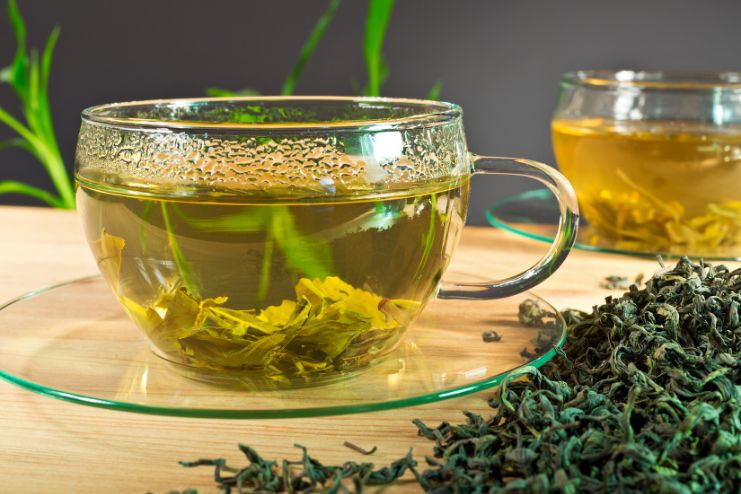
Green tea has been loved for centuries by Asian cultures for its health properties. Its active compound, EGCG (epigallocatechin gallate), has been studied intensively for its antioxidant and anti-inflammatory activity. Green tea contains L-theanine, an amino acid that induces relaxation without sedation.
How it helps:
Green tea has been proven to reduce the signs of aging through enhancing elasticity in the skin, decreasing inflammation, and even warding off DNA damage by UV light. A research study published in the Journal of Nutrition validated that green tea polyphenols enhance the hydration of the skin and decrease sun damage.
How to include it:
- Begin your morning with freshly brewed green tea as opposed to coffee.
- Incorporate matcha powder into smoothies or lattes.
- Chill out with green tea brewed with lemon and mint for a refreshing iced tea.
Read More: New Study Emphasizes The Potent Benefits of Green Tea On Cognitive Functions
44. Fatty Fish (Salmon, Tuna)
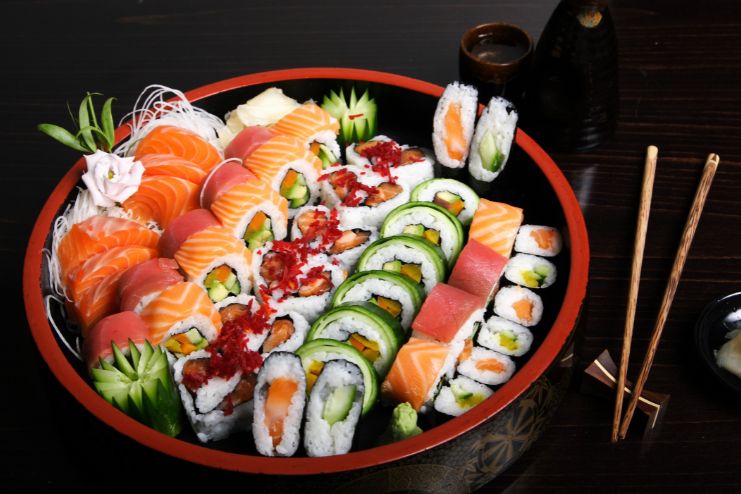
Fatty fish are rich in omega-3 fatty acids, EPA, and DHA, which are essential to keep skin elastic, curb inflammation, and take care of the brain. These healthy fats are called essential, which means your body cannot synthesize them and has to obtain them through food.
How it helps:
Omega-3s lower chronic low-grade inflammation, the principal underlying cause of most diseases of aging, such as Alzheimer’s and cardiovascular disease. They also feed skin membranes, retain moisture, and maintain your complexion flexible and glowing.
How to include it:
- Eat grilled salmon or sardines 2–3 times a week.
- Use canned tuna (in water) in salads or whole-grain wraps.
- Add fish oil or algae-derived omega-3 supplements if plant-based.
55. Olives and Extra Virgin Olive Oil
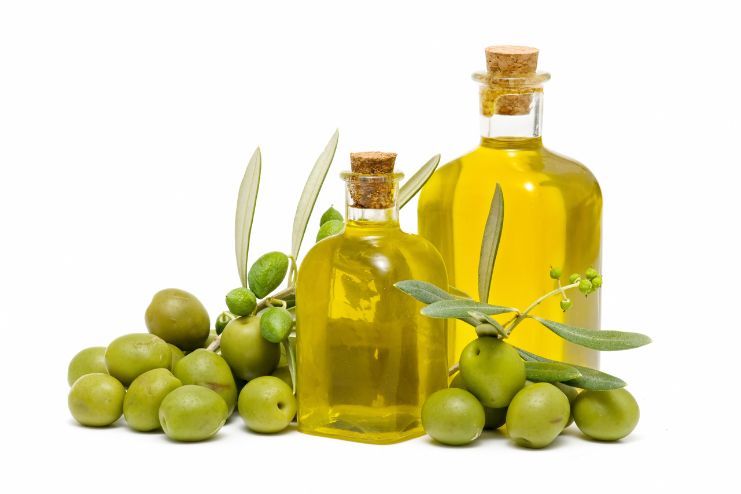
Olives and extra virgin olive oil are a staple of the Mediterranean diet, rich in polyphenols, vitamin E, and monounsaturated fats. These compounds provide cardiovascular protection and deliver cellular nutrients.
How it helps:
Olive oil’s antioxidant phytochemicals protect cell membranes against oxidative damage and slow the wrinkling process by inhibiting the degradation of collagen. A study indicated that olive oil consumption was associated with reduced mortality and cognitive decline.
How to include it:
- Use olive oil as your main cooking fat.
- Drizzle on steamed vegetables or grain bowls.
- Put olives in hummus, wraps, or pasta salad.
66. Vitamin C–Rich Fruits (Oranges, Pineapple, Bell Peppers)
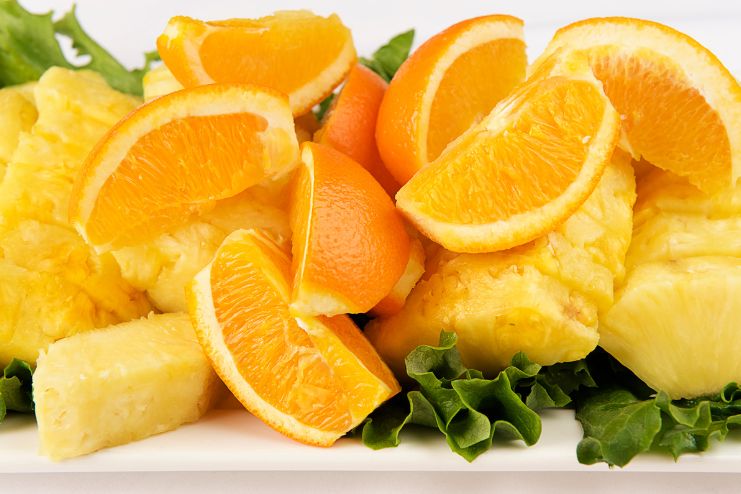
Vitamin C is a building block of collagen necessary for healthy, young-looking skin, healing wounds, and immune protection. Oranges, pineapples, and red bell peppers are all rich in vitamin C. Pineapple is also a rich source of manganese, which promotes skin healing.
How it helps:
Vitamin C fights free radicals and aids in collagen production, minimizing fine lines and wrinkles. Researchers in The American Journal of Clinical Nutrition discovered that greater vitamin C consumption correlates with fewer wrinkles and healthier skin aging.
How to include it:
- Dip raw bell pepper strips into hummus or guac.
- Include fresh orange or pineapple chunks in salads.
- Drink citrus smoothies with ginger and turmeric.
77. Sweet Potatoes and Carrots
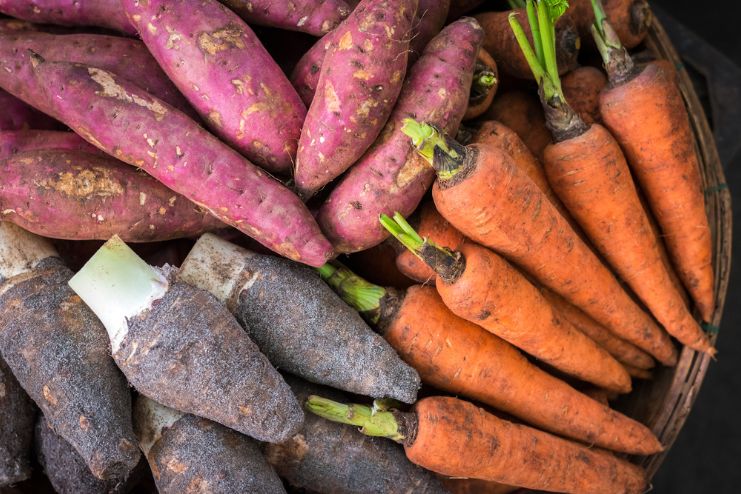
These colorful root vegetables are rich in beta-carotene, an antioxidant that the body converts into vitamin A. This vitamin is essential for maintaining healthy skin, eyes, and immune function.
How it helps:
Vitamin A promotes cell turnover in your skin, maintaining a healthy and radiant complexion. Beta-carotene also acts as a plant-based sunblock, lowering your risk of aging due to sun exposure. The foods are high in fiber and anti-inflammatory agents as well.
How to include it:
- Roast with olive oil and herbs as a nutrient-rich side.
- Mash sweet potatoes with cinnamon and coconut milk.
- Add shredded carrots to salads, wraps, or baked goods.
88. Dark Chocolate (70%+ Cocoa)
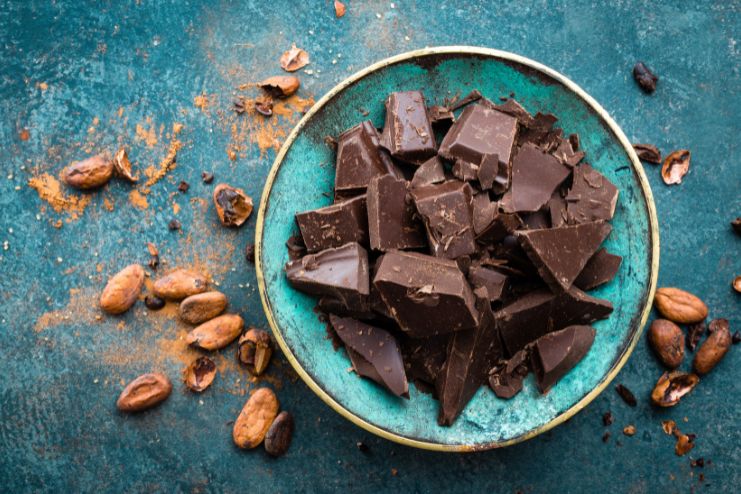
Dark chocolate contains flavonoids and other strong plant compounds that can enhance skin and heart health. The higher the cocoa content, the better—stick with 70% or more to steer clear of added sugars.
How it helps:
Flavanols increase blood flow to the skin, improve hydration, and offer UV protection. A study discovered that women who ate cocoa flavanols for 12 weeks had smoother, more elastic skin.
How to include it:
- Use one square (approximately 10–15g) a day as an occasional treat.
- Melt into oatmeal or over berries.
- Add raw cacao powder to smoothies or energy balls.
99. Yogurt (with Live Cultures)
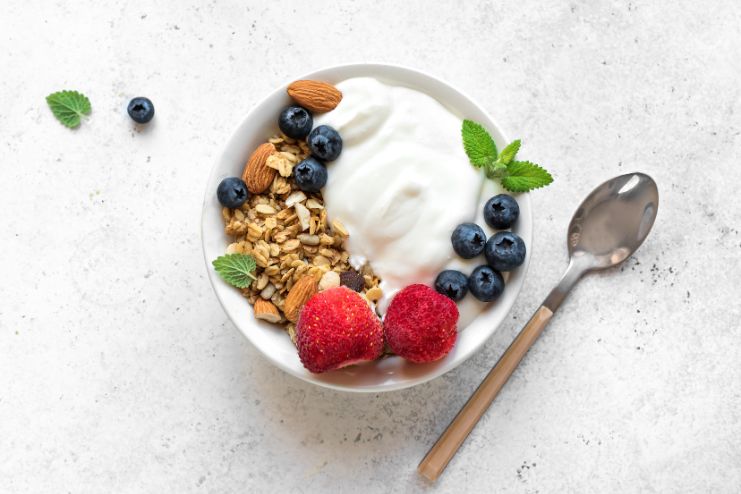
Yogurt contains significant amounts of probiotics, protein, and calcium, all of which are essential for healthy aging. Probiotics are beneficial bacteria that support gut health, a factor increasingly linked to overall energy levels.
How it helps:
A healthy gut means greater immune regulation, brain function, and control of inflammation, all the parameters that reduce aging. Yogurt with probiotics can also be beneficial for the skin by suppressing systemic inflammation.
How to include it:
- Take plain Greek yogurt and top with berries and nuts.
- Use as a base for creamy salad dressing or dips.
- Freeze with banana for a healthier “ice cream.”
Read More: Top 9 Yogurt Benefits For Skin
1010. Water

Too often overlooked, hydration is the key to youthfulness. Water helps flush toxins, hydrate cells, and keep skin elastic. Mild dehydration can lead to dullness, dryness, and premature skin aging.
How it helps:
Water maintains skin fullness and flexibility, aids in detoxification, and inhibits collagen breakdown. Proper hydration has also been shown to enhance mood, energy, and cognitive performance.
How to include:
- Aim for 8–10 cups of water daily.
- Infuse with citrus, cucumber, or herbs for taste.
- Drink a glass in the morning and before meals.
What About Other “Anti-Aging” Foods You Hear About?
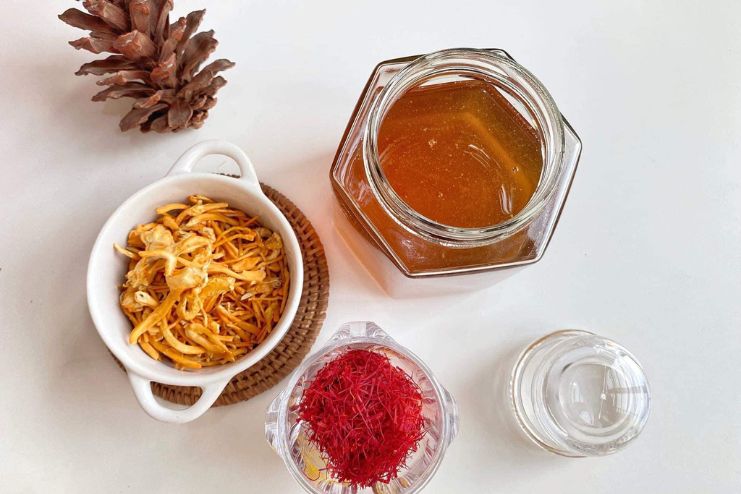
Although the 10 foods outlined above have strong scientific support, some other foods commonly included in anti-aging diets are also effective, although not fully scientifically backed. These foods are not toxic—most of them are extremely healthy—but their actual anti-aging effects have yet to be proven through large-scale human studies.
Some examples include:
- Turmeric (curcumin): A strong anti-inflammatory ingredient with the potential to decrease oxidative damage and promote brain health, but usable in the body only in limited quantities unless taken together with black pepper or fat.
- Manuka Honey: Famous for its antibacterial and skin-healing activities, but its anti-aging benefits are not established.
- Bone Broth: High in collagen and minerals such as glycine and magnesium, but human data regarding its ability to address skin or joint aging is still insufficient.
- Maca Root: Used historically for energy and hormone balance; certain small studies demonstrate effects on mood and libido, but its connection to aging is still speculative.
- Saffron: A spice high in antioxidants that can potentially decrease oxidative stress and enhance mood, although further studies are needed regarding its long-term implications.
- Soy Foods (tofu, edamame): Isoflavones are found in them, which could stimulate longevity genes such as SIRT1. Preliminary trials have been favorable, but the results are mixed and depend on individual hormonal responses.
- Figs, Sesame Seeds, and Watermelon: High in nutrients and useful in numerous ways, but their “anti-aging” effects are usually more hype than effective.
These foods are still worth adding to the mix as part of a whole-foods diet with diversity, just don’t expect miracle results. Consider them supporting actors, not the lead in the anti-aging drama.
11Final Word: Food is Your First Line of Defense Against Aging
Real anti-aging doesn’t start in a bottle—it begins in the kitchen. A vibrant, whole-food-based diet rich in antioxidants, omega-3s, and anti-inflammatory nutrients can not only give your skin a healthy glow but also slow cellular aging, boost your mental clarity, and protect your heart.
One look at your plate, and you’ll know if you are on the right track to look young. Forget those heavy, costly anti-aging treatments, and say hello to a healthy diet and active lifestyle!
12References
- https://pmc.ncbi.nlm.nih.gov/articles/PMC5664031
- https://pubmed.ncbi.nlm.nih.gov/16702322/
- https://www.leshuilettes.com/en/News/284-what-are-the-benefits-of-beta-carotene-for-the-skin
- https://pmc.ncbi.nlm.nih.gov/articles/PMC7827176/
- https://pmc.ncbi.nlm.nih.gov/articles/PMC8851878/
- https://www.sciencedirect.com/science/article/pii/S2161831322009620
- https://pubmed.ncbi.nlm.nih.gov/25567069/
In this Article