













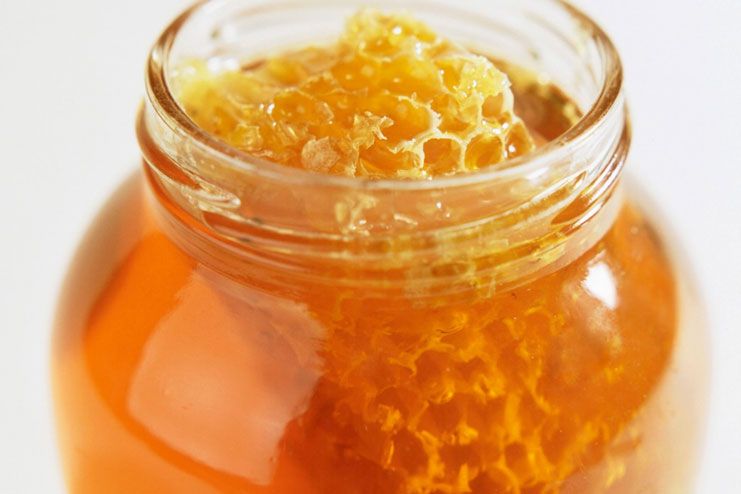
The remarkable healing properties of raw honey have made it a traditional remedy for centuries, earning recognition as a superfood. Raw honey differs significantly from processed honey—it’s extracted directly from hives with minimal processing, allowing it to retain beneficial enzymes, antioxidants, and nutrients that make it exceptional for health.
Honey varies according to the flower source, affecting its color and nutrient profile. Most commercially available honey is heated to improve texture and prevent crystallization, but this process strips away essential nutrients and health-benefiting properties. Raw honey, however, contains a complete spectrum of bioactive compounds, making it ideal for health-conscious consumption.
Rich in antioxidants, phytonutrients, and possessing antibacterial properties, raw honey supports digestive health, skin care, and wound healing. It also serves as a natural remedy for cough relief and immunity support. Here are the top 5 health benefits of raw honey.
Also, Read: 22 Extraordinary Benefits of Honey and Cinnamon
What Is Raw Honey?
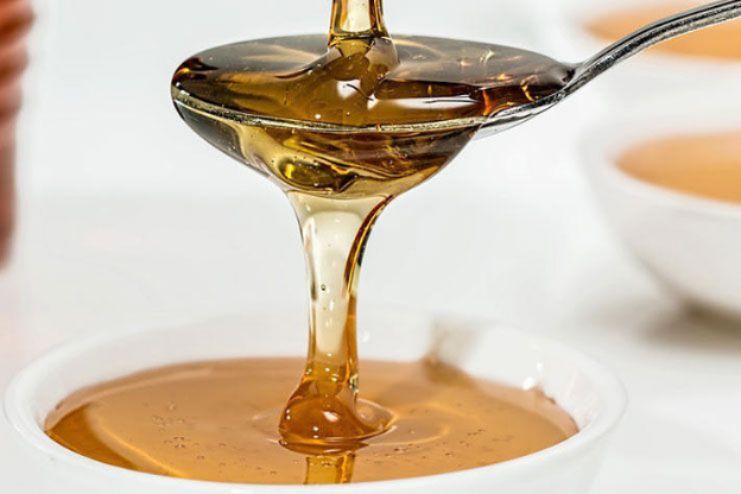 Raw honey is unprocessed honey extracted directly from the hive and packaged without significant processing. Unlike heavily processed store-bought varieties, raw honey retains its natural enzymes, antioxidants, and beneficial nutrients.
While some commercial raw honey may undergo light filtration to remove impurities like wax or debris, extensive processing—especially heating—alters its composition. Heat treatment may improve texture, color, and prevent crystallization, but it destroys many antioxidants and beneficial compounds that give honey its health properties.
Buy 365 by Whole Foods Market Organic Raw Wildflower Honey
Benefits of Raw Honey
1. Rich In Antioxidants
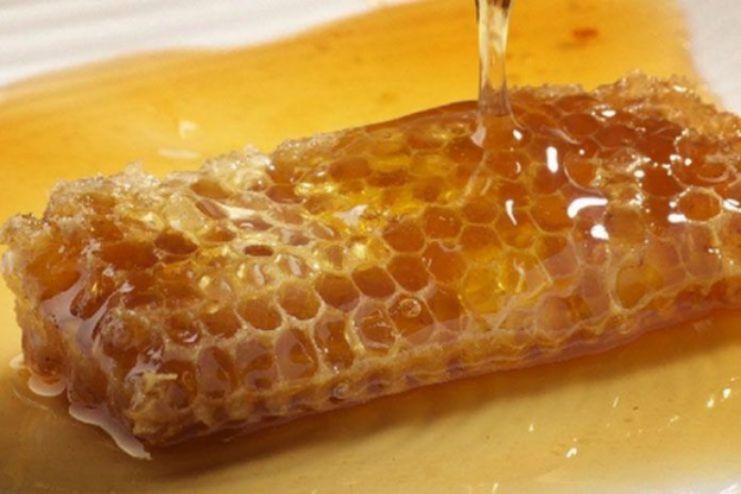 Raw honey is abundant in antioxidants, including flavonoids and phenolic compounds, which combat free radicals and protect against cellular damage, chronic diseases like cancer, and premature aging.
Research indicates that honey’s polyphenols benefit heart muscle function, promote cardiac efficiency, help control blood pressure, and prevent arrhythmias(R). These compounds also provide cardiovascular protection through vasorelaxant and anti-ischemic/antithrombotic effects.
Additionally, honey demonstrates antimicrobial, antiviral, antifungal, anticancer, and antidiabetic properties that protect various body systems, including cardiovascular, nervous, respiratory, and gastrointestinal systems.
Incorporating raw honey into your diet is an easy and effective way to increase antioxidant intake and help reduce chronic diseases caused by oxidative stress.
2. Rich In Phytonutrients
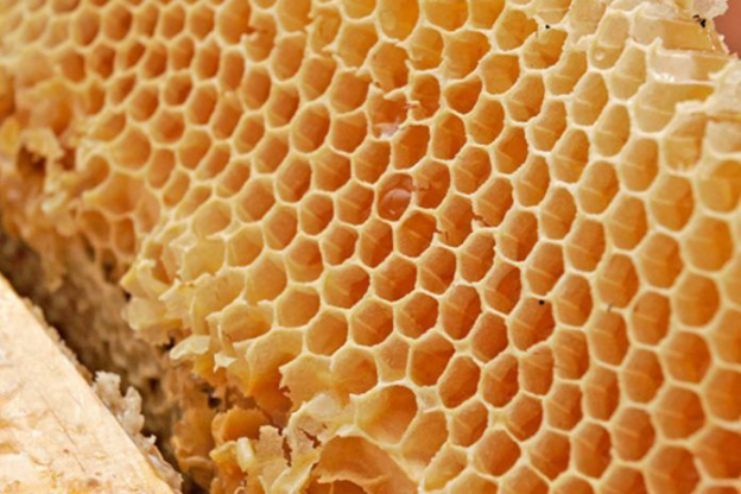 Raw honey is an excellent natural source of phytonutrients—beneficial plant compounds that include flavonoids and phenolic acids responsible for antioxidant, antibacterial, and antifungal properties. These phytonutrients enhance honey’s immune-boosting and anticancer capabilities.
Unfortunately, processing honey through pasteurization and heating degrades these valuable phytonutrients. Research shows that such processing diminishes antioxidant properties in honey, reducing its health-promoting benefits(R).
Raw, unprocessed honey preserves these beneficial phytonutrients, allowing you to experience honey’s full health potential.
Also, Read: Raw Honey For Sore Throat | Get Rid of Sore Throat
3. Supports Digestive Health

Raw honey has long been recognized for supporting digestive system function and is effective for several conditions:
Diarrhea: Studies show honey reduces bacterial-caused diarrhea activity. Research demonstrates that honey decreases the risk of bacterial diarrhea in children and promotes recovery in patients with viral gastroenteritis (R).
Gastrointestinal Ulcers: Honey’s antibacterial and anti-inflammatory properties help manage gastric ulcers. Studies reveal that honey’s antioxidant and anti-inflammatory effects aid in treating chronic ulcers and maintaining mucosal glycoproteins(R).
Gut Health: Honey contains oligosaccharides that act as prebiotics, supporting beneficial gut bacteria like Bifidobacteria, which improves overall digestive health(R).
Oral Rehydration Therapy: According to the Mayo Clinic, honey serves as an effective oral rehydration therapy for diarrhea associated with gastroenteritis (R).
4. Wound Healing and Skin Care

For centuries, honey has been used as a natural remedy for wound healing and skin care, with scientific studies confirming many of its benefits:
Antimicrobial Properties:
- Low pH Level: Honey’s natural acidity inhibits bacterial growth
- Low Moisture Content: Creates an osmotic effect that dehydrates bacteria
- Hydrogen Peroxide Production: Some honey types produce hydrogen peroxide, a natural antiseptic
- Broad-Spectrum Activity: Effective against various bacteria and fungi
Wound Healing Benefits:
- Forms a protective barrier that prevents infection while keeping wounds moist for optimal healing
- Reduces inflammation and tissue fluid production, decreasing swelling and pain
- Contains natural components that stimulate new tissue regeneration for accelerated healing
These benefits have been observed across various wound types, including burns, ulcers, and surgical wounds.
Medical-Grade Applications: While raw honey provides these benefits, medical-grade honey is typically used in clinical settings due to standardized antibacterial activity and purity levels, ensuring consistent therapeutic results.
5. Natural Cough Relief

Honey is increasingly recognized as an effective treatment for sore throats and coughs, with growing scientific support:
Research Evidence:
- A systematic review in BMJ Evidence-Based Medicine analyzing multiple studies found that honey improved cough frequency and severity in individuals with upper respiratory tract infections(R), making it preferable to antibiotics for symptomatic care
- Studies in JAMA Pediatrics comparing honey, dextromethorphan, and no treatment for nighttime cough and sleep quality in children (R) showed honey was most effective in reducing cough frequency and improving sleep
Usage Recommendations:
- Safe and effective for adults and children over one year old
- A Penn State College of Medicine (R) study found that a small bedtime dose of buckwheat honey provided better relief for nighttime cough and sleep difficulties in children than no treatment or dextromethorphan
Safety Considerations: Honey should never be given to infants under one year old due to the risk of infant botulism—a rare but serious condition caused by bacteria that can thrive in babies’ immature digestive systems.
Buy 365 by Whole Foods Market Organic Raw Wildflower Honey
Also, Read: Combination of Honey and Cinnamon for Weight Loss
Conclusion
Raw honey offers powerful health benefits ranging from antioxidant protection to digestive support, wound healing, and cough relief. Its unprocessed nature preserves phytonutrients, enzymes, and active compounds that provide medicinal properties supported by scientific research.
While raw honey can be an excellent addition to a balanced diet, moderation is key. Excessive consumption can contribute to elevated sugar intake. Choose high-quality organic raw honey to ensure maximum health benefits without additives or fillers.
When used appropriately, raw honey serves as a healthy alternative to processed sugars while providing therapeutic benefits that have been valued for centuries and validated by modern science.
In this Article