











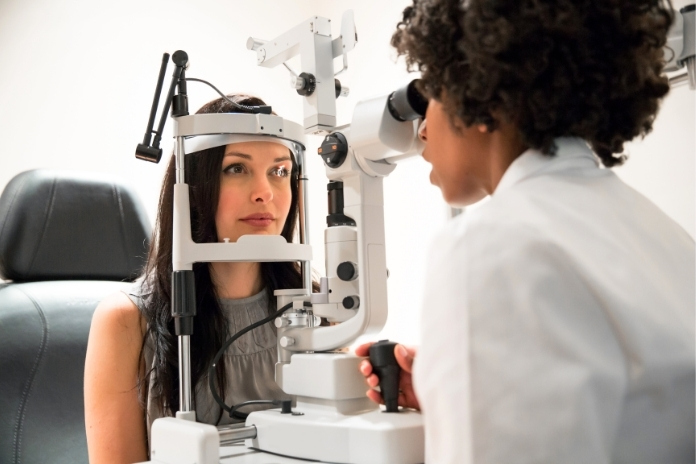
More than just providing sight, your eyes are often a “window” into your overall health, showing signs of disease sooner than other symptoms. Your overall well-being depends on how well you care for your eyes, which perform many essential functions in our daily lives.
Cataracts are one of the most common eye problems, where the lens of your eye becomes cloudy, and vision gradually worsens. Some lifestyle habits might put you at risk and speed their formation, leading to problems reading, recognising a friend, and driving safely.
Cataracts become especially common as you grow older. In fact, more than half of Americans aged 80 or older have had cataracts or undergone cataract surgery.
This article explores ten everyday habits that quietly raise your risk of cataracts, many of which people are unaware of. You’ll also learn science-backed strategies to protect your eyes, reduce lens damage, and keep your vision sharp for years to come.
Read More: Why Your Vision Is Blurry in the Morning (and What It Means for Your Eyes)
1. Skipping Sunglasses in Bright Sunlight

Daily exposure to UV rays harms more than just your skin. Your chances of developing a cataract are increased by those invisible rays.
Wear sunglasses that offer 100 percent protection against both UVA and UVB or 100 percent protection against UV 400.
“A dark lens that does not filter out the UV properly is actually worse than no lens at all,” says Andrea Thau, past president of the American Optometric Association and a New York City-based optometrist, “because that dark tint makes your pupil dilate and invites more UV radiation to enter the eye.”
Also, look for glasses that have a uniform tint.
2. Smoking Cigarettes

Toxins can expedite cataract formation. The toxins found in cigarette smoke induce oxidative stress and damage lens proteins, leading to cloudiness.
Giving up cigarettes can decrease the likelihood that you will get cataracts in the future and enhance your health in general. Counseling, nicotine replacement medications, and participation in support groups can facilitate the successful quitting of smoking.
3. Poor Blood Sugar Control (Especially in Diabetes)
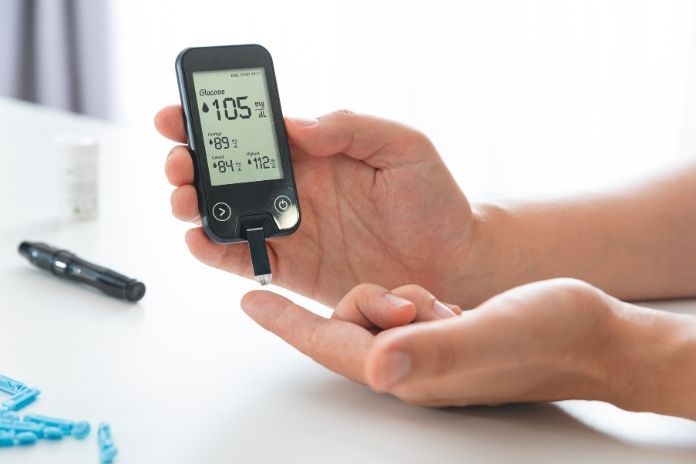
Diabetic retinopathy, a condition where persistently high blood sugar levels harm the blood vessels in the retina, the thin layer of tissue at the back of the eye, is a danger for people with diabetes, whether type 1 or type 2.
You might not even be aware that you have it in its early stages. However, your vision deteriorates. It could alternate between being clear and hazy. You can have floaters, blurred or dark patches in your vision, or faded colors. If left untreated, it might cause blindness.
Maintaining a nutritious diet is essential. It entails avoiding processed foods and, yes, sugar and refined carbohydrates. It is best to follow the Mediterranean diet, which consists of non-starchy vegetables, fruit, and lean meats like fish and chicken.
Read More: Home Remedies for Healthy Eyes: 6 Tips to Support Vision Naturally
4. Overusing Screens Without Eye Breaks
Digital screens are everywhere, from computers to cellphones and tablets. Digital eye strain, characterized by headaches, impaired vision, and dry eyes, can be caused by prolonged screen time.
The blue light emitted by screens can also cause eye strain and discomfort. The 20-20-20 rule states that you should gaze at something around 20 feet away for 20 seconds every 20 minutes to lessen stress.
“Get into the habit of blinking every few seconds,” says Thau. “Make sure that your upper and lower lids are truly touching, not a halfway blink.” It will help spread a fresh layer of tears across your eyes.
5. Not Eating Enough Antioxidant-Rich Foods

Carrots may get all the glory, but dark green leafy veggies, spinach, kale, and collard greens are the true eye defenders. They are rich in the antioxidants zeaxanthin and lutein.
According to experts, these nutrients may help protect eyesight and even slow the progression of age-related macular degeneration (AMD) by blocking high-energy blue light, which can harm retinal cells.
Another source of lutein and zeaxanthin? Eggs. Complete your colorful medley with carrots, sweet potatoes, butternut squash, and red bell peppers.
6. Excess Alcohol Consumption

There is evidence that suggests a correlation between an increased likelihood of developing cataracts and excessive alcohol consumption.
Just like smoking, drinking alcohol can lead to an increase in oxidative stress in the eyes. You can reduce this risk by limiting the amount of alcohol you consume.
Health organizations recommend that people drink in moderation. It implies that women should not drink more than one drink per day, and men should not drink more than two drinks per day.
7. Using Contact Lenses While Sleeping
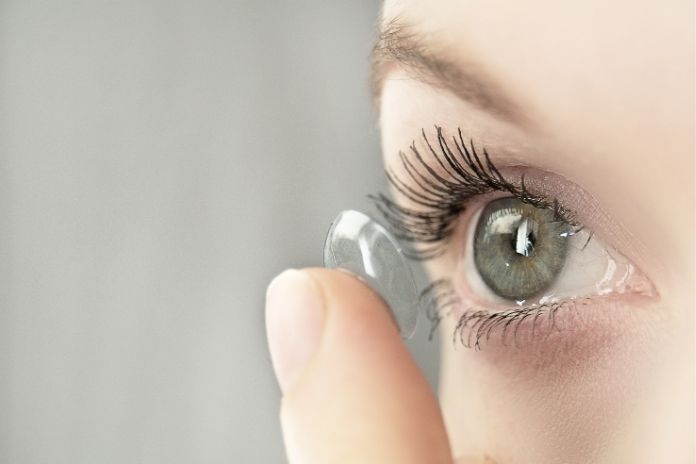
You should never wear your contact lenses during sleep, unless your eye doctor has previously approved the use of extended-wear lenses. Your cornea gets far less oxygen while they’re in place the entire night, resulting in an environment where bacteria and debris get sealed in.
That means a higher chance of severe infection, corneal ulcers, irritation, and permanent damage that could affect your eyesight.
Read More: 16 Effective Cures For Dry Eyes That Work Like Magic
8. Ignoring Eye Protection at Work or in Dusty Environments

When you are working in the yard, cleaning with harsh chemicals, or working on a home improvement project, it is crucial to wear eye protection.
Not wearing appropriate safety goggles or protective eyewear leaves you vulnerable to exposure to hazardous substances, sharp objects, dust, and debris. Even minor accidents might result in scratches, chemical burns, discomfort, or permanent damage to one’s eyesight.
9. Sleeping Too Little (and Poor Eye Recovery)

The adverse consequences of insufficient sleep on our eye health go beyond the visible symptoms of bloodshot eyes and puffy eyelids. Your body’s fluid system works to hydrate your eyes and prepare them for the day while you are sleeping.
When you get less than five hours of sleep each night, there are numerous ways this lack of rest can negatively impact your vision, including light sensitivity and blurred vision due to dry eyes or myokymia (a condition in which the eye muscle(s) contract involuntarily).
10. Skipping Regular Eye Exams
Even if you do not notice any problems with your eyesight, you should still get routine eye exams. Cataracts develop slowly and do not produce noticeable symptoms until they reach an advanced stage.
Therefore, the sooner you can identify the condition, the more options you will have for managing the disease and maintaining quality of life.
The frequency of eye exams depends on the patient’s age and other risk factors for eye disease. Most adults need an annual eye examination every two years. However, adults age 60 or older, and anyone with other risk factors (e.g., diabetes) should have at least one eye examination per year.
Read More: Transient Vision Loss: What Causes It, Why It’s Serious, and What to Do
How to Protect Your Eyes and Lower Cataract Risk
There are things you can do to prevent cataracts in your eyes:
- Protect your eyes from the sun. Put on a brimmed hat and sunglasses.
- Prevent injuries to your eyes. Wear protective eyewear when performing tasks like using power tools or participating in specific sports to prevent unintentional eye injuries.
- Choose foods that are good for your eyes. Consume a variety of nutritious foods, such as whole grains, fruits, vegetables, leafy greens, and nuts.
- Regular exercise improves your eyes just as much as it does the rest of your body. Regular exercise has been linked in studies to a lower risk of cataract and age-related macular degeneration, among other eye disorders.
- Some eye disorders run in families. Understanding the history of eye health issues in your family will help you be prepared for potential risks and ensure you take preventive measures as needed.
When to See an Eye Specialist
Maintaining your long-term eyesight can be significantly impacted by spotting early indicators of cataracts or other eye diseases. Blurred vision, foggy vision, or double vision is one of the most common warning signs.
These symptoms often develop gradually, making them simple to ignore. These alterations could indicate that the natural lens of your eye is starting to fog, making it difficult to focus well.
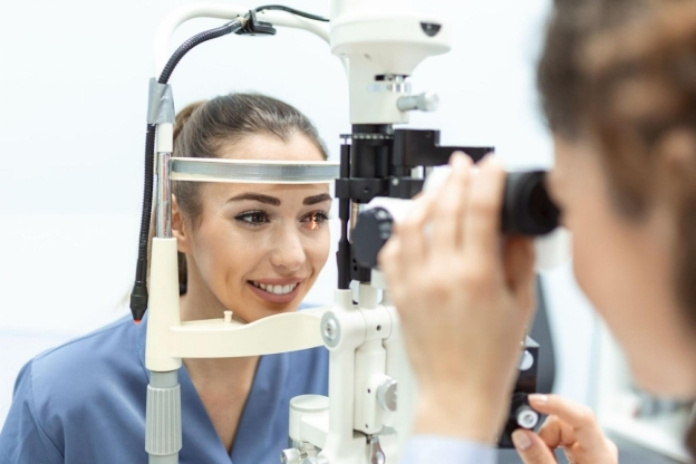
During a dilated eye exam, the eye doctor can do a cataract check. Get a dilated eye exam every one to two years if you are 60 years of age or older. The examination is easy and painless; after giving you eye drops to widen your pupil, your doctor will examine your eyes for cataracts and other eye conditions.
Conclusion
The way you carry out your daily routine may influence how quickly cataracts form. It may happen slowly over time, but having a healthy lifestyle, for example, by eating a nutritious diet, wearing sunglasses to protect your eyesight from UV rays, quitting smoking and drinking, keeping up with regular checkups so you can identify potential cataracts early and take action before your eyesight becomes impaired could help to lower the risk of cataracts forming in your eyes.
The routines you establish in your life will significantly reduce the risk of developing cataracts and prolong the life of your eyes. A small change could have a significant impact on your eye health.
Read More: How to Get Rid of Watery Eyes
FAQs
Can cataracts be reversed without surgery?
No, you cannot treat cataracts without surgery at this time. However, until surgery is required, you can control symptoms and reduce their progression with assistive technology and lifestyle modifications.
What vitamins help reduce cataract risk?
When acquired from a balanced diet, vitamins and antioxidants, especially vitamin C, lutein and zeaxanthin, and B vitamins, may help lower the incidence of cataracts.
Does wearing glasses or contacts increase cataract risk?
Although contact lenses don’t directly cause cataracts, improper use and poor hygiene can lead to complications that worsen eye health.
Are cataracts hereditary?
Indeed, cataracts can run in families, and having a family history increases your risk of developing them.
How does surgery treat cataracts?
The only effective treatment for adult cataracts at this time is cataract surgery. Surgery usually results in visual restoration and no problems.
References
- Cataracts. (2025, November 26). National Eye Institute.
- Preventing cataracts: lifestyle choices to protect your eyes. (2024, November 4). Urban Optiks Optometry.
- 10 Everyday Habits That Can Harm Your Eyes Without You Realizing. (March 17, 2025). Crystal Vision Clinic.
- 10 Everyday Things You Can Do to Protect Your Sight. (2021, November 11). Barbara Stepko, AARP.
- What Increases Your Risk for Cataracts: Understanding the Factors. Willis Knighton Eye Institute.
- Cataracts (Age-Related). (03 July, 2023). Cleveland Clinic.
- How Can I Prevent Cataracts? Timothy G. Murray. (2025, April 24). WebMD.
In this Article