










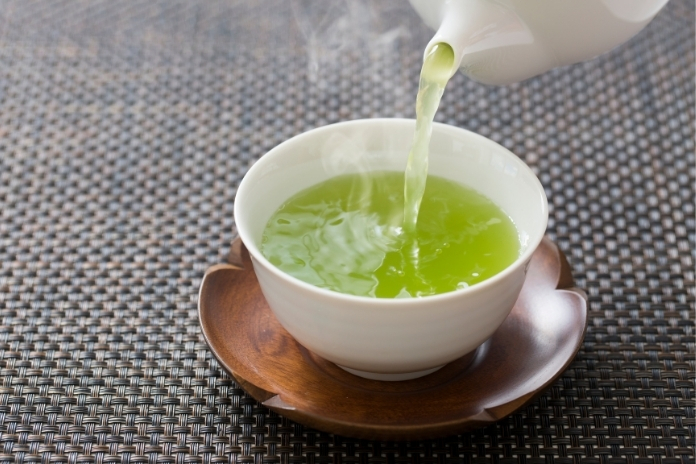
Green tea is often hailed as one of the healthiest beverages on the planet, and for good reason. Packed with antioxidants like catechins, especially epigallocatechin gallate (EGCG), green tea has been linked to improved brain function, enhanced fat burning, better heart health, and even protection against certain types of cancer. It’s a low-calorie, nutrient-rich drink that has earned its place in health-conscious routines across the world.
But here’s what many people don’t realize: when you drink green tea can be just as important as how much you drink. While it’s true that a daily cup or two can offer powerful benefits, drinking green tea at the wrong time of day, or on an empty stomach, can cause issues. Think nausea, poor sleep, or even interference with the absorption of essential nutrients like iron and folate.
In other words, green tea is a potent elixir, but it’s not always gentle.
In this article, we’ll explore:
- The worst times to drink green tea, and why those times can backfire.
- The science behind green tea’s effects on digestion, sleep, and nutrient absorption.
- Practical tips for timing your tea to maximize benefits and avoid common side effects.
- Who should be especially cautious while drinking green tea — individuals having anemia, acid reflux, or caffeine sensitivity.
Whether you’re a casual green tea drinker or someone trying to optimize your wellness routine, understanding the timing can make a big difference. So before you brew your next cup, let’s break down what the research actually says, and how to make your green tea habit work with your body, not against it.
Green Tea and Its Active Compounds

Before we get into the worst times to drink green tea, it helps to understand why this seemingly simple beverage has such a strong effect on your body. The answer lies in its rich mix of bioactive compounds, each one delivering benefits, but also carrying potential drawbacks depending on when and how you consume it.
What Makes Green Tea So Potent?
Green tea leaves are loaded with natural substances that do more than just hydrate you. These are the major players:
- Catechins (especially EGCG): These powerful antioxidants fight oxidative stress and inflammation, helping to protect your cells from damage. EGCG, in particular, has been studied for its role in supporting heart health, boosting metabolism, and even offering anti-cancer properties.
- Caffeine: Green tea contains less caffeine than coffee, but it’s still enough to enhance alertness, mood, and reaction time, especially when paired with other compounds like L-theanine.
- L-theanine: This calming amino acid sets green tea apart from other caffeinated drinks. It promotes mental clarity without the crash, making it easier to stay focused and balanced.
- Tannins: These astringent plant compounds also have antioxidant benefits, but they’re a double-edged sword. Tannins can irritate the stomach lining when consumed on an empty stomach and interfere with iron and folate absorption, especially if you already have a nutrient deficiency.
Together, these compounds give green tea its unique profile: energizing but calming, healing but potentially harsh if mistimed.
And that’s the key takeaway: green tea’s effects aren’t one-size-fits-all. When you drink, it matters just as much as how much you drink. Let’s break down the times when your cup of green tea could actually be doing more harm than good.
Read More: New Study Emphasizes The Potent Benefits of Green Tea On Cognitive Functions
The Worst Times to Drink Green Tea

Despite its many benefits, there are times when green tea can do more harm than good. Here’s when to skip it, or at least delay that cup.
1. Before Bedtime
Why it’s a bad idea: Green tea contains caffeine, about 30–50 mg per cup, depending on the variety and steeping time. While that’s less than coffee, it’s still enough to interfere with sleep for many people, especially those sensitive to stimulants.
Potential effects:
- Difficulty falling asleep.
- Lighter or interrupted sleep cycles.
- Restlessness or increased heart rate.
If you’re looking for a relaxing nighttime beverage, opt for caffeine-free herbal teas like chamomile or peppermint instead.
2. On an Empty Stomach (First Thing in the Morning)
Why it’s a bad idea: Green tea’s tannins and caffeine can irritate the stomach lining, especially when there’s no food to buffer it. This may lead to increased stomach acid, nausea, or even acid reflux in sensitive individuals.
Common symptoms:
- Nausea
- Stomach cramps
- Heartburn
- Lightheadedness (especially with matcha)
For most people, it’s best to eat a light snack or breakfast first before reaching for that cup.
Green tea’s tannins and caffeine were shown to irritate the stomach lining when consumed on an empty stomach, leading to a higher incidence of nausea and acid reflux.
3. Right After Taking Medication
Why it’s a bad idea: Green tea can interfere with the absorption and effectiveness of certain medications. For example, its tannins may bind to compounds in medications and reduce their efficacy, while caffeine can amplify or counteract drug effects.
Particularly affected medications:
- Iron supplements
- Blood pressure medications
- Antidepressants (especially MAO inhibitors)
- Stimulants
- Blood thinners (due to vitamin K content in some green teas)
It’s best to leave at least 1–2 hours between medications and green tea unless your doctor says otherwise.
4. With or Immediately After Meals
Why it’s a bad idea: Green tea contains tannins, which can bind to non-heme iron (the type found in plant-based foods) and reduce its absorption. Drinking it right after a meal, especially one rich in iron or protein, may limit your body’s ability to absorb key nutrients.
Over time, this may contribute to:
- Iron deficiency anemia.
- Lower zinc or magnesium levels.
- Reduced absorption of B vitamins.
If you’re prone to low iron or on a vegetarian diet, drink green tea at least one hour after eating to protect nutrient intake.
A study found that consuming tea with an iron‑rich porridge meal reduced non-heme iron absorption, but waiting 1 hour between a meal and tea virtually eliminated that effect.
Specific Risks and Side Effects of Poor Timing

If green tea is consumed at the wrong time, especially in excess, several health issues can arise, even if you’re otherwise healthy.
Sleep-Related Issues
- Insomnia
- Night-time waking
- Restlessness or increased anxiety
This is most common when drinking green tea late in the day, especially in people who metabolize caffeine slowly.
Gastrointestinal Discomfort
- Nausea
- Acid reflux
- Stomach upset
This happens when green tea is consumed without food or in high concentrations (such as matcha or extra-strong infusions).
Nutrient Deficiencies
- Iron deficiency, particularly in vegetarians or women of reproductive age.
- Bloating or indigestion, due to poor nutrient breakdown.
Long-term, this can subtly affect energy, immunity, and overall well-being if not addressed.
Best Practices: When Should You Drink Green Tea?

So when is the best time to drink green tea for maximum benefit and minimal downside?
Ideal Times:
- Mid-morning (between 9–11 AM): After breakfast, but before lunch, to aid digestion and maintain energy.
- Mid-afternoon (between 2–4 PM): Helps beat the energy slump without disrupting sleep.
- 1–2 hours after a meal: Allows your body time to absorb nutrients without interference from tannins.
Iron is a mineral found in foods that is a component of red blood cells responsible for shuttling oxygen to cells to support energy, among other functions. For this reason, it’s best to sip green tea at least two hours before or after a meal to maximize antioxidant absorption, suggests Chrissy Arsenault, MBA, RDN, a registered dietitian nutritionist at Trainer Academy.
Tips for Best Results:
- Drink with a light snack if you’re caffeine-sensitive.
- Use shorter steep times for lower caffeine concentrations.
- Avoid adding milk, as it may bind to antioxidants (though this is debated).
- Try decaffeinated green tea in the evening if you crave the flavor.
Timing your green tea smartly lets you enjoy the antioxidants and energy boost, without the drawbacks.
Read More: What Is The Best Time To Drink Green Tea And Why?
Frequently Asked Questions about Green Tea Timing
Q1: Can green tea cause stomach issues?
Yes, green tea can cause stomach discomfort, especially when consumed on an empty stomach. The tannins and caffeine may irritate the gut lining, leading to nausea, acid reflux, or even stomach cramps. This is more common in people with sensitive digestive systems. To avoid this, it’s best to drink green tea with or after a meal.
Q2: Is it safe to drink green tea before bed?
Green tea is not ideal before bedtime because it contains caffeine. Even in small amounts, caffeine can interfere with your ability to fall or stay asleep. It may also increase the need to urinate at night, disrupting rest. If you enjoy a warm drink before bed, consider switching to herbal or decaffeinated tea.
Q3: How long should I wait between drinking green tea and eating?
If you’re concerned about nutrient absorption, especially iron, wait at least one hour after a meal before drinking green tea. Drinking it immediately after eating may reduce how well your body absorbs certain minerals. If you prefer it before meals, limit it to 30 minutes or less to aid digestion. Pay attention to how your stomach responds and adjust accordingly.
Q4: Can I drink green tea while fasting?
Yes, green tea is generally safe to drink while fasting and may even enhance fat burning. However, its caffeine and tannin content can irritate the stomach if consumed without food. Some people experience nausea or lightheadedness during fasts when drinking green tea. Start with a small amount and see how your body reacts.
Who Should Be Cautious With Green Tea?

Green tea offers impressive health benefits, but it’s not ideal for everyone in every situation. Depending on your health status, medications, or nutrient needs, even a natural drink like green tea can cause more harm than help. Here’s who should approach it with extra care:
1. People with Iron-Deficiency Anemia
Green tea contains tannins and catechins, which can inhibit iron absorption from food, especially non-heme iron found in plant-based sources. If you already struggle with low iron levels, frequent green tea consumption (especially around meals) can worsen the issue. Consider spacing it at least one hour apart from iron-rich foods or supplements.
Large-scale analysis showed that higher green tea consumption was associated with lower serum ferritin (iron store) levels, especially in postmenopausal women.
2. Individuals with Acid Reflux or GERD
The caffeine and tannins in green tea can relax the lower esophageal sphincter, increasing the likelihood of heartburn and acid reflux. If you notice a burning sensation or stomach discomfort after drinking green tea, it may be best to limit intake or avoid it on an empty stomach.
3. Those Sensitive to Caffeine
While green tea contains less caffeine than coffee, it’s still enough to cause jitteriness, increased heart rate, or sleep disruption in caffeine-sensitive individuals. If you’re prone to anxiety, insomnia, or heart palpitations, you may need to limit green tea to earlier in the day, or opt for a low-caffeine variety.
4. Pregnant or Breastfeeding Women
Moderate caffeine intake is generally considered safe during pregnancy, but overconsumption can affect fetal development and sleep patterns. Since green tea also impacts folate absorption, it’s important to monitor total intake and speak with your healthcare provider if you’re pregnant or nursing.
5. Anyone Taking Medications
Green tea can interact with certain drugs, including blood thinners (like warfarin), stimulants, and some antibiotics. It may alter how your body metabolizes medications or reduce their effectiveness. Always check with your doctor or pharmacist if you’re on long-term medication and regularly drink green tea.
Bottom line: Green tea is healthy, but not harmless for everyone. Know your body, know your risks, and sip accordingly.
Summary and Takeaway Tips
Green tea can be a powerful health ally, but only if timed right. Drinking it at the wrong moment can lead to sleep issues, stomach discomfort, or poor nutrient absorption. The key is to listen to your body and use green tea to support, not sabotage, your health goals. Here’s a quick reference to help you get the most out of every cup:
Best Times to Drink Green Tea
- Mid-morning or mid-afternoon – Helps boost energy and focus without interfering with sleep.
- 1–2 hours after meals – Supports metabolism while reducing the risk of blocking nutrient absorption.
- With a light snack – A good option if green tea upsets your stomach when taken alone.
Times to Avoid Green Tea
- On an empty stomach – May cause nausea, acid reflux, or digestive discomfort.
- Right before bed – Even low caffeine levels can disrupt your sleep cycle.
- Immediately after meals or medications – Can interfere with iron, folate, and drug absorption.
Final Tip: Let your body be the guide. Watch how you feel after drinking green tea at different times, and adjust accordingly. Everyone’s tolerance is different; there’s no perfect schedule, only the one that works best for you.
Final Thoughts
Green tea is often praised as a nutritional powerhouse, and rightly so. From antioxidants that fight inflammation to compounds that support brain health and metabolism, it offers a range of science-backed benefits. But like any wellness tool, how and when you use it matters just as much as the ingredients themselves. Timing, dosage, and your body’s own rhythms can all influence whether green tea helps or hinders your health goals.
If you’ve ever felt nauseous, anxious, or even more tired after drinking green tea, the issue might not be the tea; it might be when you’re drinking it. An empty stomach, poor meal timing, or late-night sipping can all turn something beneficial into something irritating.
The good news? This isn’t about restriction, it’s about strategy. By tuning in to your body’s signals and respecting what science says about digestion, nutrient absorption, and caffeine metabolism, you can make green tea work for you, not against you.
So sip it mid-morning for focus. Pair it with a light snack if your stomach’s sensitive. Skip it before bed if sleep matters more than a second wind. Small tweaks, big differences.
Drink smart. Stay balanced. And most of all, let your habits support your health, not sabotage it. Green tea is a tool. The real power lies in how you use it.
References
- https://www.sciencedirect.com/science/article/pii/S2221169116300272
- https://pmc.ncbi.nlm.nih.gov/articles/PMC11899301/
- https://en.wikipedia.org/wiki/Green_tea
- http://ajpp.in/uploaded/p261.pdf
- https://www.mdpi.com/1420-3049/26/1/85
- https://journals.lww.com/neur/fulltext/2022/70020/the_effect_of_green_tea_with_egcg_active_compound.11.aspx
- https://www.researchgate.net/publication/257320257_Pharmacological_profile_of_green_tea_and_its_polyphenols_A_review
- https://www.medicalnewstoday.com/articles/269538
- https://www.halmaritea.com/blog/worst-time-drink-green-tea/
- https://timesofindia.indiatimes.com/life-style/health-fitness/weight-loss/weight-loss-the-best-and-worst-time-to-drink-green-tea/photostory/78236833.cms
- https://www.healthshots.com/healthy-eating/nutrition/these-are-the-4-absolute-worst-times-to-have-green-tea-in-a-day/
- https://www.teacupsfull.com/blogs/tea-blog/the-best-time-to-drink-green-tea
- https://iteaworld.com/blogs/guide/worst-time-drink-green-tea
- https://www.medicalnewstoday.com/articles/269538
- https://teacultureoftheworld.com/blogs/all/the-right-time-to-sip-on-green-tea
In this Article