











Core beliefs are deeply ingrained mental patterns that shape how we view ourselves, others, and the world. They determine the way we react emotionally to difficult situations, how we socialize, and how we work towards objectives.
Some beliefs empower us, while others restrict our potential or lead to anxiety, depression, and self-doubt. Too often, these patterns of belief work in our conscious awareness, influencing our choices, behaviors, and reactions to daily life events.
It is crucial to understand core beliefs for our personal development and mental health.
These beliefs develop early in life and are continuously reinforced by life experiences, cultural influences, and societal feedback. Awareness and evidence-based interventions enable us to identify, challenge, and reframe limiting beliefs into enabling mental maps.
In this article, we will discuss the definition of core beliefs, their forms, creation, effects on mental well-being, identification methods, change strategies, and when to seek professional help.
Read More: How Do Core Beliefs Form? The Science of Early Programming
What Are Core Beliefs?
Core beliefs are the basic assumptions we have about ourselves, others, and the world. In contrast with dynamic thoughts, which may shift from one instant to the next, core beliefs are fixed, long-standing, and ingrained in our psyche.
Core beliefs determine the way we make sense of things, decide, and manage feelings.
Identifying these beliefs is the first step toward understanding how they impact our mental and emotional lives.
Aaron Beck, in cognitive-behavioral therapy (CBT), defined core beliefs as long-standing convictions that guide emotions and actions.
Core beliefs are different from automatic thoughts. Core beliefs are unconscious mental responses to situations, and intermediate beliefs are rules or assumptions that link core beliefs to adaptive behaviors.
Whereas automatic thoughts are manifestations of the core beliefs that are lasting and typically function outside conscious awareness.
Our core beliefs can be positive, negative, or neutral and are formed based on experiences, culture, and upbringing, with content determined by these factors.
Negative core beliefs cause self-sabotage, mental distress, and relational problems, whereas positive core beliefs lead to resilience, confidence, and fulfillment. Becoming aware of them is the first step towards self-awareness and change.
Read More: Core Beliefs vs. Automatic Thoughts: Key Differences
The Three Types of Core Beliefs

Identifying the three categories of core beliefs is important for understanding the patterns that determine thoughts, feelings, and actions. Each category changes our view and response towards the world.
1. Self-Related Beliefs:
These are the perceptions regarding personal worth, capability, and identity. Self-beliefs affect self-talk, resilience, and mental health results. They determine how we view success and failure.
For instance,
“I am unworthy”: Perpetuates chronic self-doubt, fear of failing, and shying away from opportunities. It can skew positive feedback and make achievements feel undeserved. This belief, in turn, tends to reinforce low self-esteem and curbs individual growth over time.
“I am a failure”: Believing in this statement strengthens negative self-image and makes you quit in the face of hurdles. It can also result in perfectionism or procrastination as a protective strategy, while impacting career and personal goals.
Positive affirmations include:
“I am capable”: This inspires a problem-solving attitude. It promotes resilience, even if errors are made. Self-confidence boosts motivation and the chances of success.
“I deserve happiness”: Saying this encourages self-care, healthy boundaries, and prioritizing well-being. It diminishes guilt for working towards personal aspirations. This self-belief supports emotional balance in life.
Mini self-check: Jot down repeated self-judgments. Ask: “What do I think about my competence, value, or identity?” Patterns may uncover underlying limiting beliefs.
2. Other-Related Beliefs:
These are ideas regarding life, society, and opportunities. They have a role in risk-taking, adaptability, and coping. Beliefs such as “Life is unfair” can produce pessimism and frustration, whereas “Life provides opportunities” promotes active decision-making. These beliefs determine long-term planning and how one views obstacles.
Negative examples include:
“People will hurt me if I get close”: This leads to a fear of intimacy and avoidance of relationships. People might take neutral behaviors as threatening. This belief isolates people and prevents emotional contact.
“Nobody can be trusted”: This makes you socially withdraw and stops people from working together. It can lead to suspicion at the workplace and in personal life. Gradually, this belief reduces opportunities for assistance and development.
Positive examples:
“Most people are trustworthy”: Believing in this promotes openness, collaboration, and positive relationships. Having faith in other people’s reliability supports healthy social interactions. It also minimizes anxiety in group contexts and workplace collaboration.
“I can make meaningful connections”: Promotes involvement and relationship development. Improves intimacy, trust, and emotional satisfaction. This belief sustains social satisfaction and strength.
Mini self-check: Check assumptions about people. Ask: “Do I come to relationships with suspicion or an open mind?” Awareness directs social decisions.
3. World-Related Beliefs
These core beliefs are the perceptions of people and social interaction. The belief “People are trustworthy” creates relational connection and cooperation, while “People will hurt me” may lead to relational avoidance or relational anxiety. These beliefs shape empathy, conflict management, and team spirit
Negative examples:
“The world is dangerous”: Believing in this makes you extremely vigilant, gives you chronic stress, and affects your overall mental health. People can view neutral situations as dangers, limiting progress and growth. It breeds fear and decreases satisfaction with life.
“Life is unfair.”Saying this can lead to pessimism. It can reduce the motivation to work toward goals or change to overcome obstacles. This belief strengthens helplessness and frustration.
Positive examples include:
“Life offers opportunities”: A positive attitude that promotes curiosity, risk-taking, and exploration. Optimism fosters increased engagement and proactive behavior. It enhances long-term goal achievement and resilience.
“Challenges can be overcome”: Helps in problem-solving, perseverance, and flexibility. Encourages persistence in the face of obstacles. Reduces stress and enhances growth.
Beliefs in one category tend to affect others. For instance, developing more positive self-beliefs can improve beliefs about others and foster a more positive outlook on the world.
How Are Core Beliefs Formed?
Core beliefs generally develop during early childhood but can be shaped at any age.
- Childhood Experience: Childhood shapes our adulthood. Experiences such as caregiver feedback, attachment patterns, and early wins or failures shape beliefs about competence and worthiness. Positive thinking builds confidence, while criticism or neglect may create negative self-beliefs.
- Cultural and Social Forces: Factors such as cultural norms, media messages, and social expectations impact beliefs about gender, morality, achievement, and social roles. These messages can empower or constrain views.
- Traumatic Experiences: Abuse, loss, or significant life difficulty can solidify safety, trust, and value beliefs. Trauma can strengthen negative beliefs about the self, others, and the world.
- Persistence Mechanisms: People pay attention to information that favors current beliefs and disregard information that they don’t like. Neural pathways become stronger over time and more difficult to change beliefs.
How Your Core Beliefs Influence Mental Health
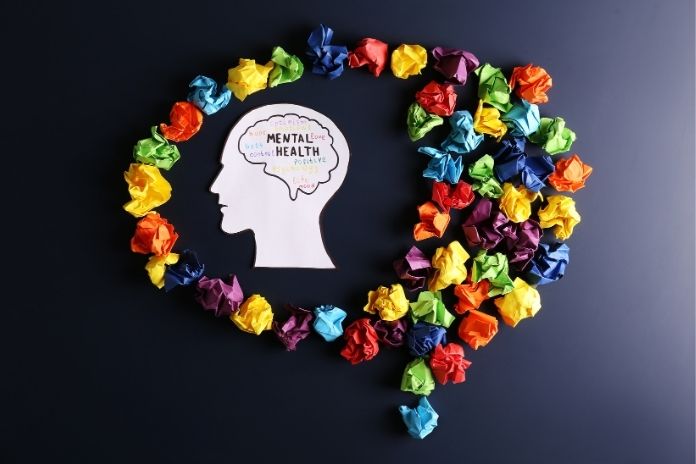
Negative core beliefs affect mental health in several ways:
Mental Health: Thoughts such as “I am not good enough” or “Things never go right for me” lead to depression, anxiety, low self-worth, and stress. They determine how situations are interpreted and feelings felt. Long-term exposure to negative thoughts enhances emotional suffering.
Behavioral Patterns: Limiting beliefs may create avoidance, procrastination, perfectionism, or self-sabotage. People tend to behave in ways that support their negative assumptions, perpetuating the cycle.
Relationships: Beliefs such as “People will abandon me” might create mistrust, clinginess, or isolation. Negative beliefs can cause conflict and impede intimacy, shrinking social support networks.
Career and Aspirations: Assumptions such as “I am incompetent” or “Nothing will work out” constrain the pursuit of goals and career progress. They diminish effort, risk-taking, and self-efficacy in attaining success.
Self-Fulfilling Prophecy: In many instances, behavior based on negative assumptions tends to create results that validate them. This continues the cycles of failure, conflict, or suffering.
Negative self-beliefs have been associated with increased depression scores, social anxiety, and maladaptive coping. In contrast, positive core beliefs enhance problem-solving, resilience, and emotional well-being.
Read More: Core Beliefs in Relationships: Why You Keep Repeating Patterns
How to Identify Your Core Beliefs
Here are a few ways to find your core beliefs:
- Downward Arrow Technique: Repeat asking “What does that mean to me?” to access underlying assumptions. Each response will yield insight into the hidden core beliefs. This tool exposes automatic thought processes and the ruts or repeated themes.
- Thought Pattern Tracking: Maintain a journal of repeating thoughts, emotional responses, and meanings. Patterns of entries reveal which beliefs shape behavior and emotional reactions.
- Emotional Trigger Analysis: Intense emotional reactions tend to indicate belief activation. Trigger analysis reveals beliefs regarding self, others, or the world. Knowing emotional intensity and frequency reveals their impact.
- Behavioral Pattern Recognition: Habits of repeating actions, particularly when stressed, mirror guiding beliefs. Watching for avoidance, perfectionism, or withdrawal from others can reveal constricting assumptions.
Read More: 20 Common Negative Core Beliefs (And What They Mean)
How to Change Your Core Beliefs

Affirmations without examination may not work when challenging core beliefs, as the affirmation may grate against the nervous system’s knowledge of past experiences. When examining core beliefs, it is important to remain curious and non-judgmental.
Hausalya Kulanayagam, MA, BA, RP, a registered psychotherapist based in Ontario, says, “Core beliefs are not fixed with affirmations, as the mind/body doesn’t believe the affirmation, and it creates dissonance.
It’s better to be curious about the core belief, where it came from, and its utility. Usually, a negative core belief served a purpose at one time.”
“In my practice, inner-child work has been the most effective way to challenge old beliefs. The beliefs are there to protect us based on the world the ‘child’ grew up in. If adults were not trustworthy or consistent, the child might have learned, “People are not safe.”
“In the early context, this belief is adaptive. Later in life, this belief may hold someone back from loving connections,” says Hausalya
Here are a few other strategies that can help you change the core beliefs, if you wish to:
- Cognitive Restructuring: Recognize distorted thinking, assess the accuracy of the thinking, and reframe with balanced thinking. Regular practice reconditions thinking circuits and decreases emotional responsiveness.
- Behavioral Experiments: Apply beliefs in the real world to collect evidence. Contrasting results undermine negative beliefs and support resilient thinking.
- Evidence Gathering: Amass real-world examples that challenge limiting beliefs. Recording strengthens belief, adaptability, and faith in change.
- Positive Alternative Construction: Swap unhelpful beliefs for positive statements and affirm through reflection, journaling, and repeated practice. Repetition builds neural pathways.
- Daily Exercises: Routine mindfulness, affirmations, and self-compassion exercises help to install new beliefs within everyday life. Progress tracking supports motivation and accountability.
- Therapeutic Assistance: CBT and schema therapy offer structure, direction, and feedback, particularly for very entrenched beliefs. Therapy provides tools and a safe space to work with difficult emotions.
The timeline? Significant change usually takes 3–6 months of regular practice. Change might be slow, but cumulative changes drastically enhance emotional and behavioral patterns.
Read More: How to Change Core Beliefs: Evidence-Based Strategies
When to Seek Professional Help
It is advised to seek professional help when:
- Beliefs are strongly ingrained and not easily changeable.
- There is continuous distress, anxiety, depression, or relational conflict caused by negative beliefs.
- Self-made attempts at change do not result in improvement.
Therapies that might help deal with core beliefs are Schema therapy, trauma-focused therapy, and cognitive behavioral therapy (CBT).
According to Hausalya, “Therapy can be a safe space to examine core beliefs and revisit specific memories tied to them. Through non-judgmental attunement to your inner-child who may have imbibed some negative core-beliefs, you can provide a corrective experience to help loosen old beliefs and replace them with new, more adaptive ones.”
Trained professionals help with guided exercises, feedback, and secure guidance. This therapy uncovers underlying patterns, challenges deeply rooted notions, and sets long-term adaptive coping mechanisms.
Read More: Daily Exercises to Transform Your Core Beliefs
Conclusion
Core beliefs determine your thoughts, feelings, and actions. Though hardwired, they can be discerned, questioned, and altered through evidence-based methods.
Start by recognizing limiting beliefs, practicing cognitive restructuring, conducting behavioral experiments, and constructing helpful alternatives. Be patient, because change is slow but additive.
Reframing core beliefs builds resilience, improves relationships, enhances emotional well-being, and facilitates goal attainment. Through recognition and shifting of these essential frameworks, people can develop a more positive, resilient, and satisfying mental outlook.
Begin today with self-examination, journaling, and regular practice.
FAQs
What are core beliefs?
Strongly held assumptions regarding oneself, others, and the world that affect thinking, feeling, and behavior. They inform the interpretation of life occurrences and shape reactions over time.
How are core beliefs developed?
Through childhood experiences, cultural expectations, social messages, and traumatic incidents. Over time, reinforcement consolidates these beliefs.
Can core beliefs be changed?
Yes. Methods such as cognitive restructuring, behavioral experiments, mindfulness, and therapy can alter limiting beliefs. Change takes effort and time.
How do core beliefs affect mental health?
They have an impact on depression, anxiety, self-esteem, coping mechanisms, and social interactions. Negative beliefs reinforce maladaptive processes, whereas positive beliefs facilitate resilience.
When should I go to therapy?
If beliefs produce chronic distress, disrupt daily living, or are unresponsive to self-help strategies, therapy is indicated. Professional assistance speeds and stabilizes improvement.
Are all core beliefs bad?
No. Most core beliefs are positive or neutral. Positive beliefs create confidence, motivation, toughness, and healthy relationships.

References
- https://www.therapistaid.com/therapy-worksheet/core-beliefs-info-sheet
- https://pmc.ncbi.nlm.nih.gov/articles/PMC4476061/
- https://www.harleytherapy.co.uk/counselling/how-to-change-your-core-beliefs.htm
- https://www.counselling-directory.org.uk/articles/understanding-core-beliefs
- https://www.counselling-directory.org.uk/articles/understanding-core-beliefs
In this Article