









Did you know that nearly 45%, or 3.5 billion people worldwide, suffer from oral diseases, with toothaches being one of the most common reasons for emergency dental visits?
According to the World Health Organization, untreated dental caries (tooth decay) in permanent teeth is the most common health condition globally, affecting people of all ages and significantly impacting their quality of life.
Most of us ignore the warning signals our bodies send until we’re faced with significant discomfort. Toothaches are one such pain that we often dismiss until they become unbearable. Unfortunately, many people only visit the dentist when they’re already in pain, when regular dental care should be part of maintaining overall health.
After all, keeping your teeth clean and healthy is essential for your general well-being. To learn more about toothaches, their causes, treatments, and remedies, continue reading this comprehensive guide.
Read More: 2 Ways To Use Clove Oil For Toothache And Quick Relief
What Causes Toothaches?
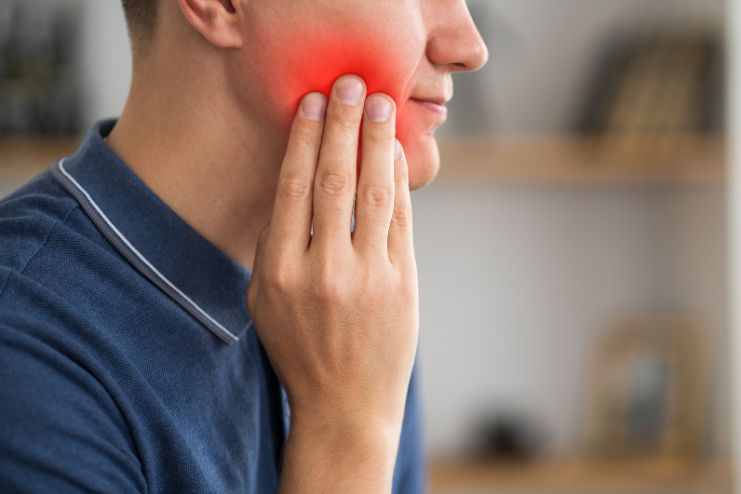
A toothache is pain experienced in or around a tooth, and it can stem from various underlying issues. Toothache is caused by inflammation of the dental pulp, most commonly as a result of dental caries (tooth decay), the most common human infectious disease worldwide, affecting 60–90% of school children worldwide.
The most common causes include:
- Tooth decay
- Tooth fractures
- Abscessed teeth
- Damaged fillings
- Repetitive teeth grinding (bruxism)
- Tooth removal or eruption
- Abnormal bite patterns
- Infected gums
As Harvard Health explains, “bacteria from the abscess can get into the bloodstream, and can travel to other spaces in your body, such as your brain or heart. It can be life-threatening”, making prompt treatment essential.
“If you go from no pain to ‘it’s starting to hurt,’ it’s usually a sign that the nerve inside the tooth is inflamed in some way,” says Dr. Bernard Hennessy, D.D.S., a clinical associate professor and the department head of comprehensive dentistry at the Texas A&M University School of Dentistry in Dallas.
That’s a signal that something is off, he explains. Like a cavity has progressed, a wisdom tooth is erupting, or there’s an infection brewing.
Symptoms of Toothaches

Tooth pain can manifest as constant aching, throbbing, or sharp sensations. The pain may affect your jaw and surrounding teeth, and in some cases, it only appears when pressure is applied to the affected tooth.
Additional symptoms may include:
- Swelling around the tooth
- Headaches
- Fever
- Discharge from the infected tooth
- Bad breath
- Foul-tasting drainage from the infected tooth
When to Visit a Dentist
All persistent tooth, gum, and jaw pain should trigger a call to a dentist as soon as possible. It’s crucial to see a dentist immediately if:
- You’ve had a toothache for more than one or two days
- The pain is severe and persistent
- You’re experiencing fever, ear pain, or difficulty opening your mouth wide
Important Note: Proper identification and treatment of dental infections is critical to prevent them from spreading to other parts of your body, including your face, skull, and bloodstream.
Read More: 6 Ways to Cure a Toothache with Cloves
What to Expect During Your Dental Visit

When you visit a dentist for a toothache, here’s what typically happens:
- You’ll provide your complete medical history
- The dentist will conduct a physical examination of your mouth and teeth
- You’ll answer questions about your pain, including when it started, its severity, and what makes it better or worse
- The dentist will examine your gums, teeth, jaw, mouth, neck, and throat
- X-rays and additional tests may be required
Once all examinations and tests are complete, your treatment plan will begin.
Professional Treatment Options
Treatment depends on the underlying cause of your toothache. For example:
- Cavities: The dentist will fill the cavity
- Infected tooth nerve: A root canal may be necessary
- Bacterial infections: Antibiotics may be prescribed if the infection has spread to deeper layers of the mouth or teeth
- Pain and inflammation: Cold laser phototherapy may help reduce discomfort
Additional treatments may include:
- Antibiotics and pain relievers for jaw or dental pain
- Anti-fever medications if you have a fever, swelling in your jaw, or inflamed gums
- Follow-up appointments to monitor progress
Dental procedures are typically performed in stages, with additional treatments scheduled at the most appropriate times for optimal healing.
Read More: How Long Until a Tooth Infection Kills You? Understanding the Risks, Timeline, and When to Seek Help
Emergency Toothache Relief: What Actually Works
Important Disclaimer: These remedies provide only temporary relief. Professional dental treatment is essential to address the underlying cause of your toothache.
Most Effective Pain Relief
- Over-the-Counter Medications (Most Recommended): Recent research published in The Journal of the American Dental Association proves that combining acetaminophen (Tylenol) and ibuprofen (Advil, Motrin) is more effective than prescription opioids for dental pain. Take both medications as directed on the packaging for maximum relief.
- Cold Therapy: Apply an ice pack wrapped in a thin cloth to the outside of your cheek for 15-20 minutes at a time. This numbs nerve endings and reduces swelling. Never apply ice directly to your tooth or gums.
Natural Remedies That Work
- Salt Water Rinse: Mix ½ teaspoon of salt in a cup of warm water. Swish gently for 30 seconds, then spit out. This reduces bacteria and inflammation. Use 2-3 times daily, maximum.
- Clove Oil (Use Sparingly): Apply a tiny amount of clove oil to a cotton swab and dab on the affected tooth. Clove oil contains eugenol, which naturally blocks pain receptors. Limit use to avoid tissue irritation.
What to Avoid
- Never Apply Aspirin to Gums: This causes chemical burns and severe tissue damage
- Avoid the “Salt, Pepper, and Garlic” Remedy: While these ingredients have antimicrobial properties, this combination can irritate already inflamed tissues and may worsen pain.
- Don’t Use Benzocaine Products Excessively: The FDA warns that overuse can lead to a rare but serious condition called methemoglobinemia
Immediate Care Tips
- Avoid temperature extremes: Skip very hot or cold foods and drinks
- Sleep with your head elevated: This reduces blood flow to the affected area
- Don’t chew on the painful side: Give the area time to rest
Read More: 12 Health Benefits of Chewing Gum and Some Side Effects
Facts About Toothaches and Tooth Decay
- Nearly 3.7 billion people worldwide are affected by oral diseases
- People of all ages can get tooth decay once they have teeth, from childhood through the senior years
- More than 40% of adults report having felt pain in their mouth within the last year
- Tooth decay is the leading cause of tooth loss in younger people
- Elderly individuals are also susceptible to toothaches and decay, often due to medications that affect oral health
Given these facts, wouldn’t it be wiser to prevent tooth-related problems whenever possible?
Can Toothaches Be Prevented?
Yes! Most oral health conditions are largely preventable and can be treated in their early stages. Good oral hygiene practices can prevent most toothaches since they’re primarily caused by tooth decay.
Prevention Strategies:
- Brush your teeth twice daily with fluoride toothpaste—fluoride prevents decay by strengthening the tooth’s rigid outer surface, called enamel.
- Daily interdental brushing or flossing is the most effective for reducing plaque and gingivitis scores and is also the least expensive preventive therapy.
- Schedule regular dental checkups.
- Get professional dental cleanings and scaling.
- Promote a well-balanced diet low in free sugars and high in fruit and vegetables.
- Ask your dentist about fluoride treatments and sealants.
- Stop the use of all forms of tobacco and limit alcohol consumption.
Adequate fluoride exposure is a crucial factor in preventing dental caries. Community water fluoridation and fluoride toothpaste are proven methods for preventing tooth decay across all age groups.
Read More: Effortless Oral Care: The Top 7 Water Dental Flossers for Superior Dental Hygiene
Conclusion
Good dental hygiene practices, including brushing with fluoride toothpaste, daily flossing, and regular dental checkups, are the best ways to prevent dental problems like toothaches. By taking proactive steps to care for your teeth, you can avoid the pain and complications that come with dental emergencies.
Don’t let tooth pain control your life! If you’re experiencing any dental discomfort, don’t wait for it to worsen. Please consider scheduling an appointment with a qualified dentist at your earliest convenience to address the issue before it becomes a serious problem.
Remember, early intervention is always more effective and less costly than emergency treatment. Your smile—and your overall health—depends on the actions you take today.
Frequently Asked Questions (FAQ)
Q: How long can a toothache last? A: The duration depends on the underlying cause. Temporary gum irritation may resolve in 1-2 days, but pain from cavities or infections will persist until professionally treated. As we age, we can feel less pain in our teeth because the nerves inside them shrink, so something can fester for a long time and turn into a bigger, more complex problem.
Q: Can I use aspirin directly on my tooth for pain relief? A: No, never apply aspirin directly to your gums or teeth. This can cause chemical burns and damage to your gum tissue. Instead, take aspirin orally as directed or use other approved topical treatments.
Q: When is a toothache considered a dental emergency? A: If you have a fever and swelling in your face and you can’t reach your dentist, go to an emergency room. Also, go to the emergency room if you have trouble breathing or swallowing. These symptoms may indicate that the infection has spread to other parts of your body.
Q: Are home remedies enough to treat a toothache? A: Home remedies provide only temporary relief. The herbal dental gel should be considered a symptomatic treatment only, and patients should visit a dentist for proper diagnosis and definitive treatment. Professional dental care is always necessary to address the underlying cause.
Q: Can stress cause toothaches? A: While stress doesn’t directly cause toothaches, it can lead to teeth grinding (bruxism), which can damage teeth and cause pain. Stress-related muscle tension can also cause referred pain that feels like tooth pain.
Q: How effective are over-the-counter pain medications for toothaches? A: Studies have shown that taking acetaminophen and ibuprofen together can be more effective than taking prescription opioid medication for dental pain management.
Q: Can sinus problems cause tooth pain? A: Yes, sometimes the cause of a toothache isn’t a tooth problem, but a sinus problem. Upper rear teeth are particularly susceptible to sinus-related pain due to their proximity to the sinus cavities.
Q: Is it normal for toothache pain to come and go? A: Pain that comes and goes may indicate different stages of tooth decay or infection. However, intermittent pain shouldn’t be ignored—it often indicates that the problem is progressing and requires professional attention.
References
- https://pmc.ncbi.nlm.nih.gov/articles/PMC5564113/
- https://pmc.ncbi.nlm.nih.gov/articles/PMC4590084/
- https://www.nidcr.nih.gov/health-info/tooth-decay
- https://www.nidcr.nih.gov/health-info/gum-disease
- https://pmc.ncbi.nlm.nih.gov/articles/PMC4906852/
- https://pmc.ncbi.nlm.nih.gov/articles/PMC4838424/
- https://pmc.ncbi.nlm.nih.gov/articles/PMC2832800/
- https://www.ncbi.nlm.nih.gov/pmc/articles/PMC7186276/
- https://pmc.ncbi.nlm.nih.gov/articles/PMC6535452/
- https://pubmed.ncbi.nlm.nih.gov/16967670/
- https://www.mayoclinic.org/diseases-conditions/tooth-abscess/symptoms-causes/syc-20350901
- https://www.mayoclinic.org/first-aid/first-aid-toothache/basics/art-20056628
- https://www.mayoclinic.org/diseases-conditions/cavities/symptoms-causes/syc-20352892
- https://my.clevelandclinic.org/health/diseases/10957-toothache
- https://www.mayoclinic.org/diseases-conditions/acute-sinusitis/expert-answers/toothache/faq-20058299
- https://www.mayoclinic.org/diseases-conditions/acute-sinusitis/multimedia/sinusitus-and-tooth-pain/img-20186076
- https://www.mayoclinic.org/diseases-conditions/periodontitis/symptoms-causes/syc-20354473
- https://www.mayoclinic.org/diseases-conditions/wisdom-teeth/symptoms-causes/syc-20373808
- https://www.mayoclinic.org/diseases-conditions/tooth-abscess/diagnosis-treatment/drc-20350907
- https://www.colgate.com/en-us/oral-health/tooth-sensitivity/potential-causes-of-toothaches-its-not-always-a-cavity
- https://www.health.harvard.edu/pain/is-that-dental-pain-an-emergency
- https://www.health.harvard.edu/topics/dental-health
- https://www.health.harvard.edu/pain/over-the-counter-pills-better-than-opioids-after-dental-surgery
- https://hms.harvard.edu/news/stopping-tooth-pain
- https://www.health.harvard.edu/diseases-and-conditions/need-a-root-canal-heres-what-to-expect
- https://www.health.harvard.edu/diseases-and-conditions/dry-socket-preventing-and-treating-a-painful-condition-that-can-occur-after-tooth-extraction
- https://www.health.harvard.edu/staying-healthy/4-ways-your-teeth-and-gums-are-changing
- https://www.health.harvard.edu/staying-healthy/dental-health-for-adults
- https://www.health.harvard.edu/decision_guide/jaw-gum-or-tooth-pain
- https://oralhealth.hsdm.harvard.edu/publications/pain-management-dental-medicine-2021-opioids-coronavirus-and-beyond
- https://www.who.int/news-room/fact-sheets/detail/oral-health
- https://www.cdc.gov/oral-health/prevention/oral-health-tips-for-adults.html
- https://www.mayoclinic.org/healthy-lifestyle/adult-health/in-depth/dental/art-20047475
- https://my.clevelandclinic.org/health/treatments/16914-oral-hygiene
- https://odphp.health.gov/healthypeople/objectives-and-data/browse-objectives/oral-conditions
- https://www.nidcr.nih.gov/health-info/oral-hygiene
- https://www.cdc.gov/oral-health/prevention/oral-health-tips-for-children.html
- https://www.cdc.gov/oral-health/index.html
- https://pmc.ncbi.nlm.nih.gov/articles/PMC9378922/
- https://www.who.int/news/item/18-11-2022-who-highlights-oral-health-neglect-affecting-nearly-half-of-the-world-s-population
- https://murfreesborofamilydentistry.com/tooth-decay-and-its-long-term-effects/
- https://www.health.harvard.edu/pain/is-that-dental-pain-an-emergency
- https://www.health.harvard.edu/pain/over-the-counter-pills-better-than-opioids-after-dental-surgery
- https://ednadentistry.com/home-and-natural-remedies-for-toothache-pain
- https://www.who.int/news-room/fact-sheets/detail/oral-health
- https://www.gentledental.com/resources/articles/types-of-tooth-pain
- https://www.ncbi.nlm.nih.gov/books/NBK587342/
- https://www.uhc.com/news-articles/healthy-living/why-you-have-a-toothache
- https://www.merckmanuals.com/professional/authors/hennessy-bernard
In this Article