













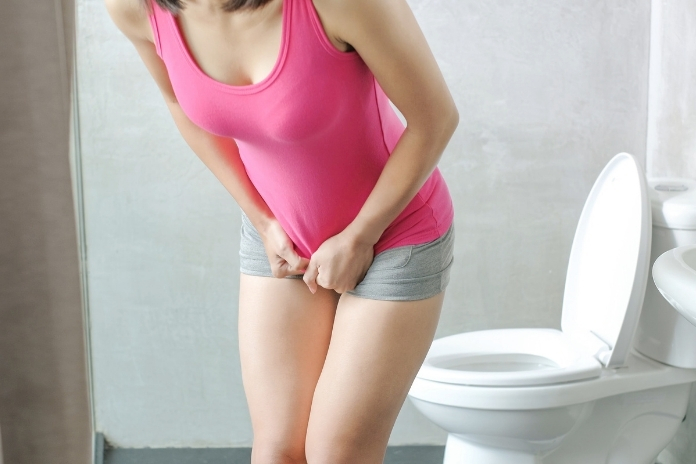
The word “toilet infection” broadly means a group of infections of the vaginal and urinary region, and is generally linked with poor personal hygiene or use of public toilets.
Female toilet infections are fungal, bacterial, and viral infections resulting from bad personal hygiene or coming into contact with dirty environments around the toilet. They lead to itching, irritation, and other complications affecting the urinary system, reproductive organs, and skin.
Infections in women’s toilets are a health concern because, as stated by the American
Urological Association (AUA), 50–60% of women will acquire a urinary tract infection (UTI) by the time they reach adulthood.
Unhygienic practices, such as not washing or wiping properly, cause the majority of diseases, not toilet seats. It is highly crucial to distinguish between fact and fiction, understand the true causes and prevention, and eliminate myths about so-called “toilet infections.” It is not the toilet but ignorance and improper hygiene practices that cause most diseases.
Read More: Clitoris Itching: Causes, Treatments, and When to See a Doctor
Common Types of Toilet Infections
-
UTIs, or Urinary Tract Infections
Inappropriate hygienic practices in public restrooms can spread bacteria, which cause urinary tract infections (UTIs) in women. Bacteria have opportunities to penetrate the urinary tract when unsuitable wiping and poor washing leave bacteria on the vaginal surface.
Without caution, frequent bacteria like Escherichia coli (E. coli), which are present on toilet seats and handles, may infect without hesitation. Female patients are more vulnerable to UTIs due to their anatomy. They should thus adopt healthy urine habits and maintain maximum hygiene, such as wiping from front to back, to minimize the risk of UTIs in public restrooms.
“UTIs are very common, and if needed, antibiotics can clear the infection relatively easily,” says Lori Jones, MD, a Mass General Brigham urologist who cares for patients at Massachusetts General Hospital. “However, there are a lot of misconceptions about UTIs, including what causes them and how they’re treated. It’s important to be armed with the facts about UTIs so you know when to seek care.”
-
Infections of the Gastrointestinal System
Public toilet seats, flush levers, and doorknobs contaminated with pathogens, including Salmonella, E. Coli, and norovirus, can lead to illness in the gastrointestinal tract. The viruses can lead to symptoms like diarrhea, nausea, and stomach cramps when transferred from the contaminated hand to the mouth or food.
Prevention of transmission of these organisms and restriction of risk of gastrointestinal disease requires due hygienic precautions, like repeated washing of hands and not closely touching possible contaminated surfaces.
-
Infection with Pinworms
Pinworms—tiny parasites transmitted through contaminated toilets—can cause anal itching, restlessness, and digestive discomfort. You can prevent this infection by following strict hygiene practices.
-
The Trichomoniasis
An additional method of transmission for this sexually transmitted infection (STI) is through contact with contaminated surfaces found in toilets. Discharge that is greenish-yellow in color, irritation of the vaginal area, and discomfort while urinating are some of the symptoms.
Read More: What Does Cloudy Urine Mean? Cloudy Urine Causes And Treatment
-
Infections Caused by Yeast
It is yet another sort of urinary tract infection that is prevalent in females. An excessive growth of the Candida fungus causes these infections, which produce itching, swelling, and a thick, white discharge. It is possible to enhance the risk by using unclean bathrooms and wearing moist clothes.
-
Bacterial Vaginosis, also known as BV.
The presence of an imbalance of the vaginal bacteria is the root cause of bacterial vaginosis. Because of the use of dirty bathrooms, douching, or sexual activity that is not protected, it can occur. In addition to a strong fishy odor, symptoms include a discharge that is grayish-white in color.
Causes and Risk Factors of Toilet Infections

Prevention of health hazards from unclean toilet conditions is possible through awareness of the causes of toilet infection. Unclean surfaces, poor body hygiene, or airborne particles can transmit the virus, fungus, or bacteria that primarily cause infections.
Bacterial Infections: The presence of pathogenic germs in the vaginal region can lead to bacterial infections, like bacterial vaginosis and urinary tract infection (UTI). Sex, improper wiping, and touching unclean surfaces are all probable causes.
Germs Spread in Toilets: Toilets harbor a host of microorganisms, particularly in public toilets. Public toilet door handles, faucets, toilet seats, and flush handles are most commonly contaminated with germs from public toilets. Aerosols, tiny droplets capable of spreading bacteria or viruses to nearby surfaces, are formed by the flushing of toilets. Infection arises through contact of these surfaces with the genitalia or face.
Public vs. Home Toilets: Although both are hazardous to one’s health, the health risks associated with dirty toilets are more pronounced in public toilets due to high traffic, infrequent cleaning, and shared facilities. However, if not properly cleaned, even home toilets could be harmful.
Viral Diseases: While not directly associated with toilet seats, viral diseases such as genital herpes or human papillomavirus (HPV) are transmissible during sexual intercourse.
Read More: Incontinence – Symptoms of Incontinence
Prevention: How to Avoid Toilet Infections

Astringent cleaning practices are to be adhered to by the facility managers, who are required to disinfect door handles, toilet seat handles, and flush handles at periodic intervals. Hand sanitizers also assist in preventing the transmission of germs by encouraging proper hand washing through noticeable reminders and hand sanitizer dispensing stations at high-traffic locations. The following are some essential steps for increasing bathroom hygiene:
- You should clean high-touch surfaces often. It includes door knobs, flush buttons, and toilet seats.
- After using the restroom, always wipe from the front to back.
- Use disposable coverings instead of sitting directly on public restroom seats.
- Use soap and water to wash your hands thoroughly.
- Put on breathable cotton underwear to avoid retaining moisture.
- To rid the urinary system of bacteria, drink plenty of water.
- Make an appointment for regular examinations for individualized medical care.
- Because moisture might encourage the growth of bacteria or fungi, avoid sitting in damp clothes or swimwear.
- To flush or open doors, use your elbows or tissue; if at all possible, keep your hands away from handles, knobs, and faucets. Use hand sanitizer immediately after if you have to.
Treatment Options for Common Toilet Infections

Once a yeast infection has occurred, it is typically simple to identify, self-diagnose, and treat subsequent infections at home. The drug miconazole is available as an over-the-counter medication. You can insert these products into your vagina as suppositories or apply them as lotions.
Contact your OB-GYN if you’re uncertain about having a yeast infection or if your symptoms continue beyond 72 hours.
You will require a prescription antibiotic for other kinds of infections. These drugs can be administered orally or given topically (in the vagina). For vaginal infections, metronidazole and clindamycin are the recommended medications. There are more options you can attempt if one treatment doesn’t work. (Note: Alcohol and metronidazole should not be combined since this may result in severe nausea and vomiting.)
Doctors may treat frequent or severe yeast infections with the following options:
Prolonged Vaginal Treatment: For up to two weeks, you take an antifungal medication every day. After six months, you take it once a week.
More than one Oral Medication Dosage: Rather than using a vaginal therapy, you take two or three oral doses of an antifungal medication. However, pregnant women should not use this therapy.
Treatment with Boric Acid: You insert a boric acid-containing pill into your vagina. If taken orally, this medication could be lethal. Only Candida fungus that is resistant to conventional therapies is treated by it. Using it when pregnant is not advised.
Read More: Essential Products to Manage Incontinence For Everyone
Conclusion
Nobody wants to consider contracting an infection from a toilet, let’s face it, but awareness of the facts can enable people. Toilet infection is, in many ways, an avoidable consequence of poor habits and neglect in practice rather than shadowy beings hiding on every seat.
Focus on those things that you can control, such as washing your hands, wiping sensibly, and choosing cleanliness over convenience, rather than getting caught up in lies. While I agree that the public bathrooms are not ideal, your daily habits do stand as your best protection.
You are also underestimating your immune system. Pay attention to your body and don’t be afraid to ask for help if something feels strange. The true power here is knowledge, not fear.
FAQs
1. Can you catch an STD from a toilet seat?
Thankfully, hard surfaces like toilet seats are often inhospitable to the viruses, germs, and parasites that cause sexually transmitted diseases. Contracting an STD from a toilet seat is extremely unlikely.
2. Are public toilets more dangerous than home toilets?
Public restrooms pose distinct hygiene hazards due to the increased risk of germ exposure, but they are typically not appreciably more hazardous than private restrooms.
3. What is the best way to disinfect a toilet?
Natural ingredients such as hydrogen peroxide, castile soap, baking soda, and white vinegar offer a safe and effective way to clean toilets.
4. Are children at high risk of toilet infections?
Indeed, urinary tract infections (UTIs), sometimes known as “toilet infections” in this context, can pose a serious risk to children. Urinary tract infections are among the most common bacterial illnesses affecting children.
References
- https://www.modernghana.com/lifestyle/10501/toilet-infections-symptoms-causes-treatment.html
- https://my.clevelandclinic.org/health/diseases/9135-urinary-tract-infections
- https://www.maciemedical.com/toilet-infections-in-women/
- https://www.auanet.org/guidelines-and-quality/guidelines/recurrent-uti
- https://www.medicalnewstoday.com/articles/vaginal-infections#complications
- https://www.bupa.co.uk/health-information/womens-health/vaginal-infections
- https://www.cincinnatichildrens.org/health/u/uti
- https://enviro-master.com/commercial-cleaning-information/unclean-bathroom-diseases/
- https://www.massgeneralbrigham.org/en/about/newsroom/articles/myths-and-truths-about-urinary-tract-infections
- https://www.massgeneral.org/doctors/23646/lori-jones
- https://www.acog.org/womens-health/experts-and-stories/the-latest/think-you-have-a-vaginal-infection-heres-what-you-need-to-know
- https://www.mayoclinic.org/diseases-conditions/yeast-infection/diagnosis-treatment/drc-20379004
In this Article