















Imagine waking up to discover you engaged in intimate behavior during the night—with absolutely no memory of it. For those living with sexsomnia, this unsettling reality can create confusion, embarrassment, and strain on relationships.
Sexsomnia, sometimes called sleep sex, is a rare sleep disorder where a person unconsciously engages in sexual acts while asleep. Understanding this condition with clarity and compassion can help those affected get the right support, treatment, and relief they deserve.
Read More: 7 Unbelievable Health Benefits Of Having Sex
What Is Sexsomnia?
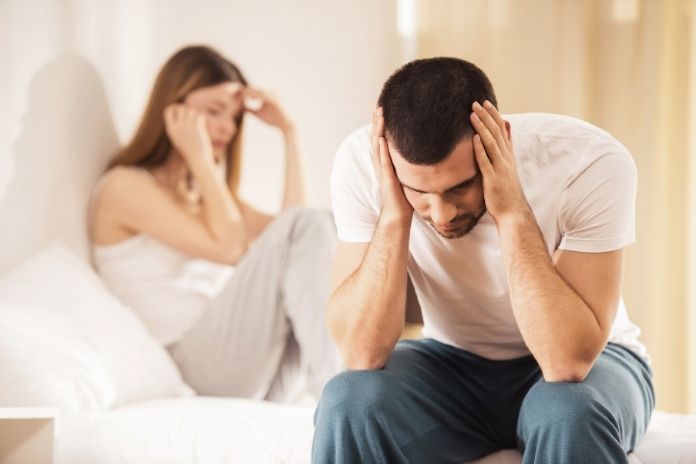
Sexsomnia is a type of parasomnia, a class of sleep disorders involving abnormal behaviors during sleep, closely related to sleepwalking and night terrors.
It occurs during deep, non-REM sleep, when the brain is in its least conscious state. Someone experiencing an episode might touch themselves or their partner, attempt intercourse, or make sexual noises, all without any waking memory or awareness.
According to the American Academy of Sleep Medicine and the Sleep Foundation, sexsomnia is classified as an NREM parasomnia and is entirely involuntary. These episodes can range from simple vocalizations to full sexual activity, and individuals have no conscious control during them.
The confusion and distress this causes can deeply affect relationships, making education, open communication, and empathy essential for everyone involved.
Read More: 10 Common Signs of Sex Addiction- Causes, Effects, and Treatment
What Causes Sexsomnia?
Common triggers
Triggers can vary: sleep deprivation, irregular schedules, alcohol or drugs before bed, stress, other sleep disorders, or certain medications are common culprits. Sometimes, even sharing a bed or being physically close to someone can provoke an episode.
Sexsomnia isn’t exclusive to any one gender, though men may be diagnosed more often; women, too, can experience the disorder and its social complexity.
Biological and Neurological Factors
Episodes occur when the body partially wakes from deep sleep, activating motor behaviors while the mind remains “offline.” Genetics can be a factor, especially if sleepwalking or similar disorders run in the family.
Relationship and Environmental Triggers
Sharing a bed, physical contact, or disruptions like noise and light can occasionally prompt sexsomnia episodes.
Symptoms and Examples of Sexsomnia
Sexomania symptoms can range from mild actions, like touching, to more intense behaviours that may distress partners or cause legal and emotional problems. Here are some common examples:
- Sexual moaning or talking during sleep.
- Masturbation or self-touching while still asleep.
- Initiating sexual contact with a partner without any awareness.
- Attempting or performing intercourse while asleep.
- Loss of memory – no recall of these actions upon waking.
- Confusion, embarrassment, guilt, or emotional distress for everyone involved.
Diagnosis — How Doctors Identify Sexsomnia
Doctors determine the symptoms of sexsomnia, identify the underlying causes of sexsomnia, and effectively rule out other conditions.
A diagnosis typically begins with gathering detailed accounts of the involuntary sexual acts during sleep from both the individual and their bed partner. This provides crucial context regarding the frequency and nature of the parasomnia sexual behavior.
The gold standard for confirmation is polysomnography (sleep study). This test captures the electrical activity of the brain, muscle tone, and breathing during sleep, helping to document an episode and confirm it occurs during non-REM sleep (a hallmark of sleepwalking sexual behavior).
Specialists actively work to rule out conditions that can mimic sexsomnia, such as nocturnal seizures or REM behavior disorder.
Finally, the assessment delves into factors contributing to the sexsomnia causes and prevention, including stress, psychological issues, or the use of certain medications. Once a clear diagnosis is established, the doctor can discuss appropriate options for sexsomnia treatment, including therapy or medication. Understanding what sexsomnia is the first step toward effective management and relief.
Read More: 10 Tips for Maintaining Sexual Health and Wellness
Treatment and Management

1. Treat Underlying Sleep Disorders
Resolving underlying conditions like sleep apnea or insomnia can often reduce sexsomnia episodes. Prioritizing good sleep hygiene, consistent bedtimes, and limited screen use can help.
2. Medication
For some, medications such as benzodiazepines or SSRIs may be prescribed to suppress episodes, but only under strict medical supervision.
3. Lifestyle Modifications
Limit or avoid alcohol, caffeine, and sedative medications in the hours before bedtime, as they can disrupt natural sleep. Aim for a consistent sleep schedule that gives you 7–9 hours of rest each night. To support this, build a calming pre-sleep routine with simple relaxation and stress‑reduction practices.
4. Safety & Relationship Measures
If sexsomnia episodes are frequent or pose risks, such as injury or non-consensual acts, consider sleeping in separate rooms to ensure safety for all involved.
Open communication with your partner helps reduce guilt, shame, and misunderstandings by explaining the condition and its involuntary nature. Implement practical safeguards like door alarms, locked doors, or bed barriers to prevent unintended interactions during sleep.
Read More: The Impact of Emotional Connection on Sexual Satisfaction: 5 Transformative Ways
Legal and Ethical Considerations

Sexsomnia has appeared in legal contexts, particularly in cases alleging sexual activity without consent.
Courts recognize it as a medical defense, but only with robust medical evidence and proper diagnosis. Professional evaluation and transparency are absolutely crucial.
How to Prevent Sexsomnia Episodes
- Keep a regular sleep schedule.
- Avoid drinking or eating heavily before bedtime.
- Treat sleep disorders early.
- Create a peaceful, distraction-free sleep space.
- Relax before bed: yoga, meditation, calming techniques.
Read More: Breaking Taboos: Candid Conversations About Women’s Sexual Health
Quick Recap
Sexsomnia is a genuine but rare sleep disorder involving involuntary sexual behaviors during sleep, often caused or triggered by stress, medical conditions, or sleep deprivation.
Treatment centers on managing underlying sleep issues, medication, and patient and partner safety. Prompt medical evaluation is recommended if episodes become problematic.
FAQs
Is sexsomnia the same as having a sexual dream?
No, sexual dreams may create arousal, but sexsomnia involves acting out sexual behaviors physically while asleep, with no memory afterward.
Can stress or trauma cause sexsomnia?
Stress is a known trigger, though trauma’s role is less clear; it’s usually part of a wider sleep and neurological picture.
Is sexsomnia more common in men or women?
Research suggests it may be more frequently diagnosed in men, but women can be affected, too.
How is sexsomnia diagnosed in a sleep lab?
Through a combination of patient and partner interviews, sleep studies (polysomnography), and ruling out other causes.
Can therapy help reduce episodes?
Yes, counseling, relaxation techniques, and targeted therapy can reduce psychological stress that worsens episodes.
Should couples sleep separately if sexsomnia occurs?
If episodes happen often or pose safety risks, separate sleep arrangements may be advised, at least temporarily.
Sexsomnia is a complex but treatable condition; openness, compassion, and professional support make all the difference.
References
- https://aaptiv.com/magazine/exercise-affects-your-sex-life/
- https://pmc.ncbi.nlm.nih.gov/articles/PMC1978350/
- https://pmc.ncbi.nlm.nih.gov/articles/PMC7954066/
- https://www.bcm.edu/education/graduate-school-of-biomedical-sciences/degree-programs-and-certificates/development-disease-models-therapeutics-graduate-program/research/faculty-research-by-disease/reproductive-dysfunction-infertility-sex-development-disorders
- https://www.sciencedirect.com/science/article/abs/pii/S0165017307001269
- https://www.mayoclinic.org/diseases-conditions/sleep-disorders/diagnosis-treatment/drc-20572160
- https://pmc.ncbi.nlm.nih.gov/articles/PMC6162860/
- https://pmc.ncbi.nlm.nih.gov/articles/PMC8340885/
In this Article