













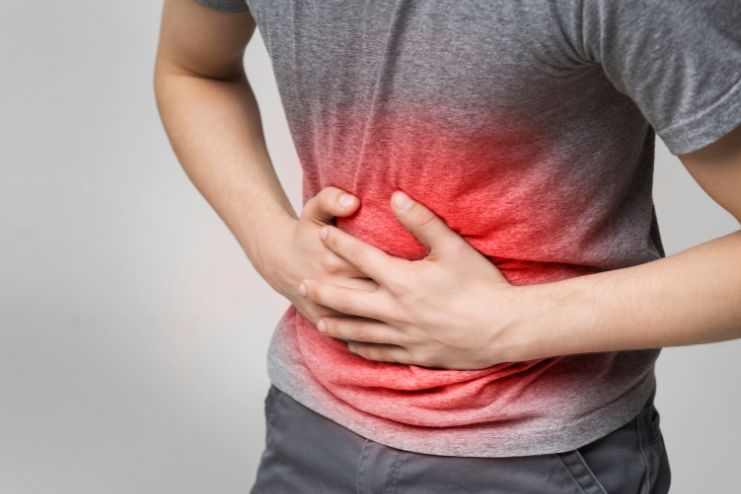
Feeling bloated, uncomfortable, and ready to find real relief? You’re not alone—digestive gas affects millions of Americans daily, turning simple activities into uncomfortable experiences.
While gas is a normal part of digestion—with the average person passing gas 13 to 21 times per day—it can cause significant pain and discomfort when it accumulates in the intestines and becomes difficult to eliminate. Understanding the causes and symptoms of gas formation is essential before learning effective ways to get rid of it.
Gas can form due to many of the same factors that cause diarrhea and constipation. Major contributors include overeating, smoking, chewing gum, swallowing air while eating or drinking, and consuming certain foods.
The problem may worsen if you experience symptoms such as severe discomfort, sudden changes in bowel habits, unexplained weight loss, or persistent diarrhea. This comprehensive guide covers everything you need to know about gas formation, including foods to consume for relief and proven home remedies.
A number of herbs with carminative properties may help ease gas and prevent bloating, according to Angela Lemond, RDN, a dietitian and nutritionist based in Texas and a spokesperson for the Academy of Nutrition and Dietetics. She explains that a carminative is a substance that aids in the expulsion of gas.
Read More: Causes & Home Remedies For Gastritis
What Are the Causes and Symptoms of Gas?

Symptoms of Gas
The most common symptoms of excessive gas include:
- Burping: While burping after meals is normal, excessive or uncontrolled belching typically results from swallowing too much air, which is then released before it reaches your stomach.
- Excessive Gas Passage: Passing gas more frequently than normal is often a sign of indigestion and poor digestive health.
- Bloating: This uncomfortable feeling of fullness and abdominal swelling typically occurs during or after meals.
- Abdominal Pain and Discomfort: Pain and cramping can develop when gas becomes trapped in the intestines and cannot move through the digestive system properly.
Major Causes of Gas
Understanding what causes gas can help you prevent it more effectively:
- Air Swallowing: Swallowing excess air is one of the most common causes of gas formation. This leads to the bacterial breakdown of undigested foods in the large intestine. You may swallow excessive air when:
- Chewing gum
- Smoking
- Sucking on hard candy
- Eating or drinking too quickly
- Consuming carbonated or fizzy drinks
- Wearing loose-fitting dentures
Gas that cannot be released through burping travels into the intestines and moves toward elimination through the rectum.
Read More: How to Get Rid of Gas: Remedies to Get Rid of Gas
- Bacterial Activity in the Large Intestine: The small and large intestines cannot completely digest certain foods, particularly sugars, fiber, and starches. These undigested carbohydrates pass into the large intestine, where bacteria break them down and produce gas as a byproduct.
- Gas-Producing Foods: Certain foods are particularly likely to cause gas formation:
Vegetables:
- Asparagus
- Broccoli
- Cabbage
- Cauliflower
- Kidney beans
- Mushrooms
- Onions
- Pinto beans
Fruits:
- Apples
- Pears
- Peaches
Dairy Products:
- Yogurt
- Cheese
- Ice cream
Whole Grains:
- Bran
- Whole wheat products
Beverages:
- Pear juice
- Apple juice
- Drinks with corn syrup
- Fructose-rich beverages
- Carbonated drinks
Processed Foods:
- Cereals
- Salad dressings
- Bread
Other Products:
- Sugar-free candies
- Chewing gum
- Certain types of fiber supplements
- Food additives
Natural Remedies for Gas Relief
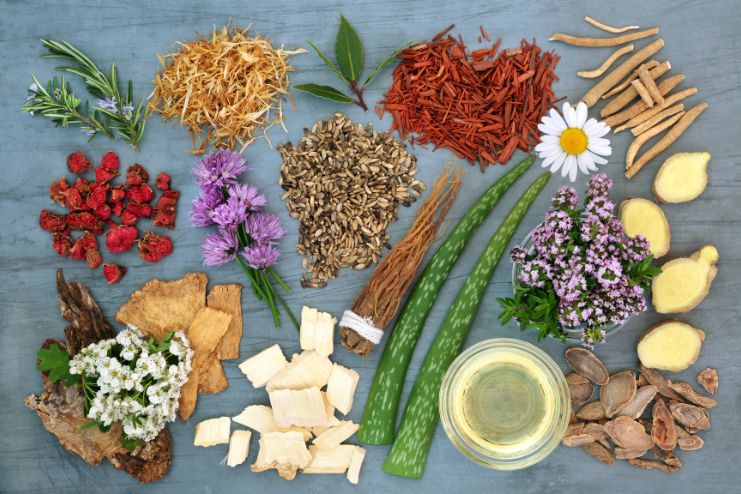
Here are proven home remedies that can provide effective relief from gas:
- Apple Cider Vinegar: Apple cider vinegar may help with gastric emptying and digestion, potentially providing relief from gas and bloating. Research suggests it can increase gastric acid production, which may aid in breaking down food more efficiently. Regular vinegar can be substituted if apple cider vinegar isn’t available.
How to use:
- Add two tablespoons of apple cider vinegar to a glass of warm water
- Allow the mixture to cool to room temperature
- Drink slowly for best results
- Buttermilk: This traditional Ayurvedic remedy combines buttermilk with black salt and carom seeds to provide excellent relief from gas and bloating.
How to use:
- Add carom seeds (or celery seeds as a substitute) and black salt to one cup of buttermilk
- Mix well and drink the solution
Read More: 5 Vegetables That May Worsen Bloating (And What to Eat Instead)
- Lemon and Baking Soda: This combination creates an effective natural antacid that quickly neutralizes stomach acid and reduces gas.
How to use:
- Squeeze fresh lemon juice into a glass
- Add a small amount of baking soda and wait for the fizzing to subside
- Add more baking soda and a cup of water until completely dissolved
- Drink slowly for maximum effectiveness
- Garlic: Garlic contains compounds that stimulate digestive enzymes and help relieve stomach gas effectively.
How to use:
- Prepare fresh garlic soup for optimal digestion benefits
- Alternatively, boil fresh garlic in water with cumin seeds and black pepper
- Strain the liquid and allow it to cool to room temperature
- Consume 2-3 times daily for quick relief
- Fennel: Fennel has been used for centuries as a digestive aid, and clinical studies show it can effectively reduce flatulence and digestive discomfort. The compounds in fennel seeds help relax the digestive tract muscles and promote gas elimination.
How to use:
- Simmer fennel seeds in hot water over low heat
- Strain and drink the liquid
- Chew fennel seeds directly after meals
- Create a digestive tea by boiling fennel with cardamom and mint leaves
Foods That Help Eliminate Gas

Incorporating these foods into your diet can help reduce gas formation:
- Dandelion Greens: This bitter herb contains nutrients that counter bloating and act as a natural diuretic, flushing excess water from the body. Dandelion greens help prevent gas by increasing stomach acid production and stimulating proper digestion.
Read More: Why Am I Always Bloated at Night but Fine in the Morning? Causes, Remedies, and When to Worry
- Papaya and Pineapple: Both fruits contain natural enzymes—papain in papaya and bromelain in pineapple—that break down proteins and promote proper digestion. Since protein breakdown difficulties often cause bloating and fullness, these fruits can significantly improve digestive efficiency.
- Kefir: This fermented milk product contains beneficial probiotics that help break down food and prevent gas buildup. Research shows kefir contains three times more beneficial bacteria than yogurt, making it particularly effective for digestive health.
- Digestive Spices: Adding the right spices to your meals can prevent gas formation and reduce bloating. Effective options include:
- Black pepper
- Rosemary
- Cardamom
- Basil
- Coriander
- Cloves
- Chamomile Tea: Studies indicate chamomile has anti-inflammatory and digestive properties that can help reduce gas formation and bloating. For best results, drink it 15-20 minutes before meals to prepare your digestive system.
Prevention Tips

Preventing gas formation is often easier than treating it. Consider these lifestyle changes:
- Eat slowly and sit down during meals
- Avoid swallowing excessive air while eating or talking
- Eliminate gum chewing
- Quit smoking
- Avoid carbonated beverages and soda
- Limit consumption of gas-producing foods
- Don’t drink through straws
- Take gentle walks after meals and maintain regular exercise
- Stay hydrated with plain water
- Consider keeping a food diary to identify personal trigger foods
By implementing these natural remedies and prevention strategies, you can significantly reduce gas-related discomfort and improve your overall digestive health. If symptoms persist or worsen, consult with a healthcare professional to rule out underlying digestive conditions.
Take Control of Your Digestive Health Today
Don’t let gas and bloating control your life any longer. Start with one or two of these proven remedies and prevention strategies today. Your digestive system—and your confidence—will thank you. Remember, while occasional gas is normal, persistent or severe symptoms warrant a conversation with your healthcare provider to ensure optimal digestive health.
Read More: How to Cure GERD With Natural Remedies
Frequently Asked Questions
Q: How much gas is normal to pass in a day? A: According to the National Institute of Diabetes and Digestive and Kidney Diseases, passing gas 13 to 21 times per day is completely normal for healthy adults.
Q: When should I see a doctor about gas? A: Consult a healthcare provider if you experience severe abdominal pain, persistent changes in bowel habits, unexplained weight loss, bloody stools, or if gas symptoms significantly impact your daily life.
Q: Can certain medications cause gas? A: Yes, some medications, including antibiotics, pain relievers, and fiber supplements, can increase gas production. Talk to your doctor if you notice increased gas after starting new medications.
Q: Are over-the-counter gas relief products safe? A: Most OTC gas relief products containing simethicone are generally safe for occasional use. However, it’s best to try dietary and lifestyle changes first and consult a healthcare provider for persistent symptoms.
Q: How quickly do home remedies work for gas relief? A: Some remedies like fennel tea or baking soda mixtures may provide relief within 15-30 minutes, while dietary changes and probiotics may take several days to weeks to show full effects.
Q: Can exercise help with gas? A: Yes, gentle movement like walking after meals can help trapped gas move through your digestive system more easily. Regular exercise also supports overall digestive health.
Q: Is it normal to have more gas as I age? A: Gas production can increase with age due to changes in digestion, slower gut motility, and changes in gut bacteria. However, sudden increases should be discussed with a healthcare provider.
References
- https://www.niddk.nih.gov/health-information/digestive-diseases/gas-digestive-tract/symptoms-causes
- https://www.mayoclinic.org/diseases-conditions/gas-and-gas-pains/symptoms-causes/syc-20372709
- https://www.niddk.nih.gov/health-information/digestive-diseases/gas-digestive-tract/treatment
- https://www.health.harvard.edu/topics/digestive-health
- https://pmc.ncbi.nlm.nih.gov/articles/PMC7938729/
- https://www.ncbi.nlm.nih.gov/pmc/articles/PMC2245945/
- https://www.ncbi.nlm.nih.gov/pmc/articles/PMC6469461/
- https://pmc.ncbi.nlm.nih.gov/articles/PMC9269469/
- https://pmc.ncbi.nlm.nih.gov/articles/PMC11414845/
- https://www.ncbi.nlm.nih.gov/pmc/articles/PMC4998156/
- https://www.ncbi.nlm.nih.gov/pmc/articles/PMC2995283/
- https://www.ncbi.nlm.nih.gov/pmc/articles/PMC3665023/
- https://www.ncbi.nlm.nih.gov/pmc/articles/PMC3770998/
- https://www.ncbi.nlm.nih.gov/pmc/articles/PMC4103721/
- https://www.ncbi.nlm.nih.gov/pmc/articles/PMC4630464/
- https://www.ncbi.nlm.nih.gov/pmc/articles/PMC4131791/
- https://medlineplus.gov/gas.html#:~:text=Children-,Summary,of%20gas%20you%20have%20by:
- https://my.clevelandclinic.org/health/diseases/aerophagia
- https://www.goodrx.com/conditions/gas/cause-of-gas-and-bloating
- https://www.everydayhealth.com/excessive-gas/home-remedies-for-gas/
- https://www.everydayhealth.com/authors/angela-lemond/
In this Article