











Understanding Metabolism and Weight Loss
Everyone desires a healthy, fit body. Unwanted fat accumulation isn’t something anyone takes pride in, yet many feel helpless watching time pass without achieving their goals. The question we must ask ourselves is whether these feelings of helplessness are legitimate when it comes to those unable to reach their weight loss objectives.
Are these feelings justified, or are they simply products of our mindset? Isn’t physical well-being our own responsibility and, therefore, best understood by ourselves? In this publication, we present evidence-based ways to boost your metabolism for effective weight loss.
Weight that has accumulated can only be reduced through burning excess calories. Metabolism can be defined as the process through which nutrients and calories consumed are converted into energy and utilized by the body. Metabolism is expressed as a rate—specifically, the rate at which certain quantities of calories are burned by the body.
“Metabolism can vary greatly from person to person,” Linsey High, PA-C, UnityPoint Health, says. “For example, two women who are the exact same height and weight can have completely different metabolisms, due to many different factors.”
A person with a faster metabolic rate burns more calories and typically carries less weight compared to someone with a slower metabolic rate. Research shows that metabolic rate alone doesn’t determine body size, and vice versa, but it plays a crucial role in weight management.
Read More: Yo-Yo Dieting: Why It’s Damaging Your Metabolism (And What to Do Instead)
Evidence-Based Strategies for a Healthier Metabolism
11. Progressive Exercise and Consistent Challenge

You must maintain a consistent workout routine to stay fit and healthy. However, it’s not just about exercising—it’s about continuously challenging yourself. The average person’s calorie intake tends to remain high with a persistent tendency to increase, leading to occasional bouts of overeating and even higher caloric consumption.
The amount of exercise you’re doing may not be sufficient to match your calorie intake rate. Moreover, the body adapts to exercise levels over time. When you maintain the same exercise intensity for extended periods, your cardiovascular system becomes more efficient, requiring less energy to perform the same activities, which can reduce the calorie-burning effect.
Continuously pushing yourself may be the only way to keep up with your calorie consumption levels. Progressive overload in exercise helps maintain an elevated metabolic rate and prevents adaptation.
22. Optimize Omega-3 Fatty Acid Intake
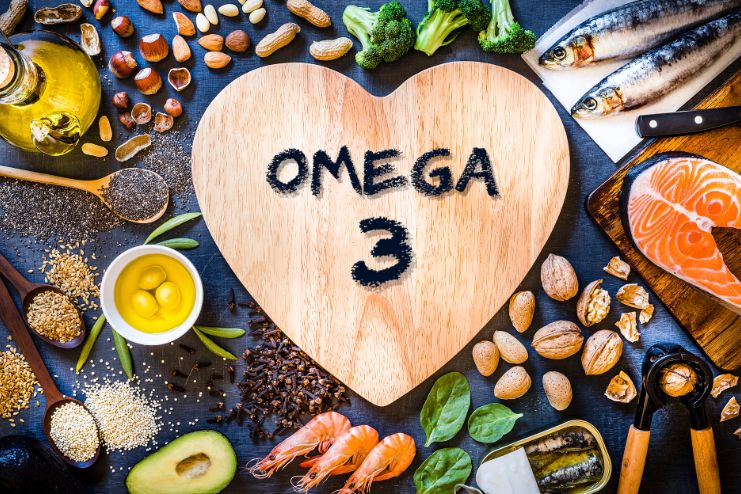
Fish, seeds, nuts, and various oils derived from them are excellent sources of omega-3 fatty acids. Recent research suggests that omega-3 fatty acids may help with weight management, particularly in reducing abdominal fat mass, though systematic reviews show mixed results for overall weight loss.
These essential fatty acids help balance blood sugar levels and reduce inflammatory responses in the body. Omega-3 fatty acids may increase protein synthesis and reduce protein breakdown, particularly in the context of exercise.
Leptin is a hormone that promotes fat burning. Some individuals, particularly those who are overweight, may develop leptin resistance. While omega-3 fatty acids show promise in metabolic health, their direct impact on leptin sensitivity requires further research. However, combining fish oil supplementation with dedicated exercise remains a scientifically supported approach to weight management.
Read More: 4 Ways Star Anise Supports Weight Loss and Boosts Metabolism Naturally
33. Build and Maintain Muscle Mass

Muscle tissue is more metabolically active than fat tissue. The muscle-building process itself burns significant calories. For individuals in their thirties and forties who engage in regular resistance training, resting metabolic rate can increase substantially.
Regular strength training elevates your body to a higher level of fitness, maintaining more stable metabolic function even on days when you’re unable to exercise. This is because muscle tissue requires more energy to maintain than fat tissue, contributing to higher daily caloric expenditure.
44. Harness the Benefits of Green Tea

Polyphenols, the antioxidants found in green tea, have long been recognized for their potential weight loss benefits. Green tea contains an active ingredient called catechin, which research shows can boost metabolic rate.
Multiple studies have examined green tea’s effects on weight loss, with generally positive results. The chemical catechin enhances fat oxidation and thermogenesis—the process through which our body generates energy.
Consuming 5-8 ounces of green tea daily may increase caloric burn by approximately 90 calories during rest periods, though individual results may vary.
Read More: Coffee vs. Green Tea – Which One Actually Boosts Metabolism More?
55. Maintain Adequate Caloric Intake
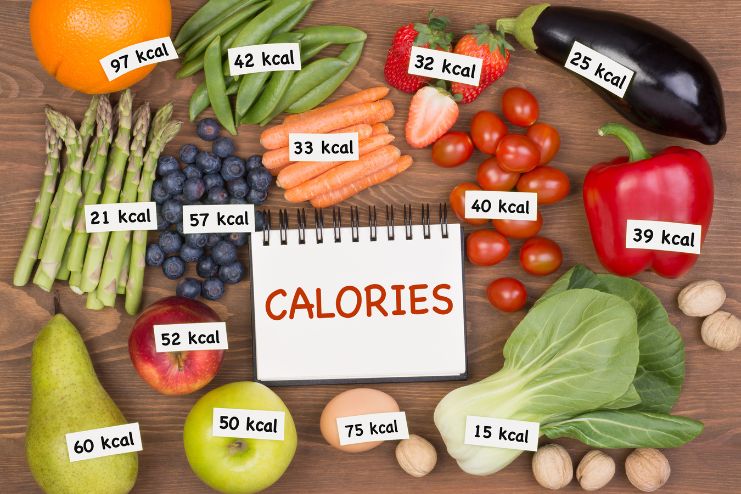
One of the most important aspects of sustainable weight loss is avoiding severe caloric restriction. When calorie intake drops too dramatically, metabolic rate decreases significantly—a phenomenon known as metabolic adaptation.
Extreme calorie cutting signals the body that nutrients are scarce, triggering conservation mechanisms that slow metabolism. Research from studies on significant weight loss shows that metabolism can remain suppressed even after weight regain.
Even while dieting, you must maintain sufficient caloric intake to keep your metabolic processes running efficiently. Your organs responsible for metabolism need adequate fuel to function optimally—that’s what keeps your metabolic “engine” running smoothly.
Current Research and Future Directions
Recent research has provided new insights into metabolic adaptation and weight loss. Studies show that metabolic adaptation can persist long-term after weight loss, but contrary to popular belief, this adaptation may not be the primary driver of weight regain.
The emergence of GLP-1 medications has revolutionized our understanding of metabolic health and weight management, offering new tools for individuals struggling with traditional weight loss approaches.
Read More: 15 Ways To Boost Metabolism – Science Backed Hacks
6Conclusion
Boosting metabolism for weight loss requires a multifaceted approach combining progressive exercise, proper nutrition, adequate protein intake, and sustainable eating habits. While individual results may vary, the strategies outlined here are supported by current scientific research and can contribute to long-term weight management success.
Remember that sustainable weight loss is a gradual process that requires patience, consistency, and often professional guidance. The goal should be developing healthy habits that support both weight loss and overall metabolic health.support both weight loss and overall metabolic health.
7References
- https://my.clevelandclinic.org/health/body/21893-metabolism
- https://www.health.harvard.edu/blog/exercise-metabolism-and-weight-new-research-from-the-biggest-loser-202201272676
- https://pubmed.ncbi.nlm.nih.gov/35815739
- https://pubmed.ncbi.nlm.nih.gov/34330455
- https://www.ocl-journal.org/articles/ocl/full_html/2024/01/ocl240011/ocl240011.html
- https://www.ncbi.nlm.nih.gov/pmc/articles/PMC7561009/
- https://pubmed.ncbi.nlm.nih.gov/33677461
- https://www.uab.edu/news/research-innovation-weight-loss-may-take-longer-than-expected-due-to-metabolic-adaptation
- https://www.uab.edu/reporter/research-innovation-does-your-body-really-fight-against-weight-loss-this-scientist-explains-why-the-research-says-no
- https://www.healthline.com/nutrition/10-ways-to-boost-metabolism
- https://www.mckinsey.com/mhi/our-insights/the-path-toward-a-metabolic-health-revolution
- https://www.ncbi.nlm.nih.gov/books/NBK572145
- https://www.mayoclinic.org/healthy-lifestyle/weight-loss/in-depth/metabolism/art-20046508
- https://ods.od.nih.gov/factsheets/Omega3FattyAcids-HealthProfessional
- https://ajcn.nutrition.org/article/S0002-9165(23)02059-2/fulltext
- https://www.mayoclinic.org/healthy-lifestyle/weight-loss/in-depth/metabolism/art-20046508
- https://sommedicalpractice.com/weight-loss/does-green-tea-help-with-weight-loss
- https://www.gettfit.com/metabolic-adaptation-what-is-it-why-it-happens-how-to-reduce-the-effects
- https://www.unitypoint.org/providers/Linsey-High-1165793
- https://www.unitypoint.org/news-and-articles/how-to-speed-up-your-metabolism-naturally
In this Article