













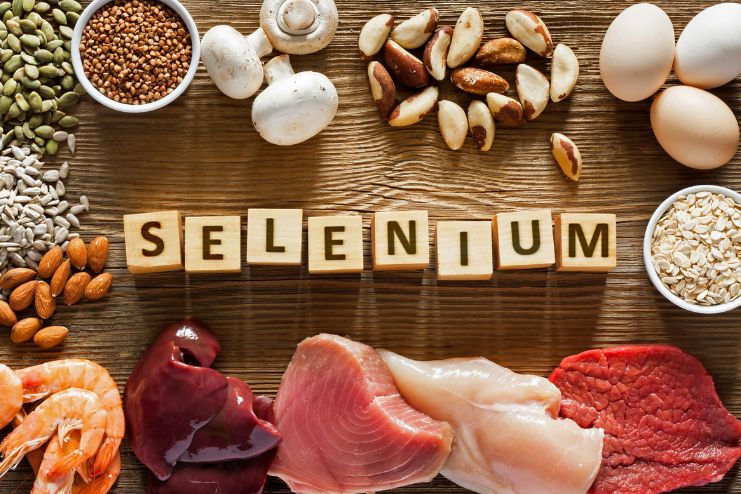
Essential minerals like iron, calcium, and magnesium are frequently discussed in health articles, but selenium—a vital trace mineral—often receives less attention. While your body requires only small amounts of selenium, its deficiency can have profound health consequences. Selenium acts as a powerful antioxidant and plays a crucial role in immune function, helping to prevent oxidative stress and support overall health.
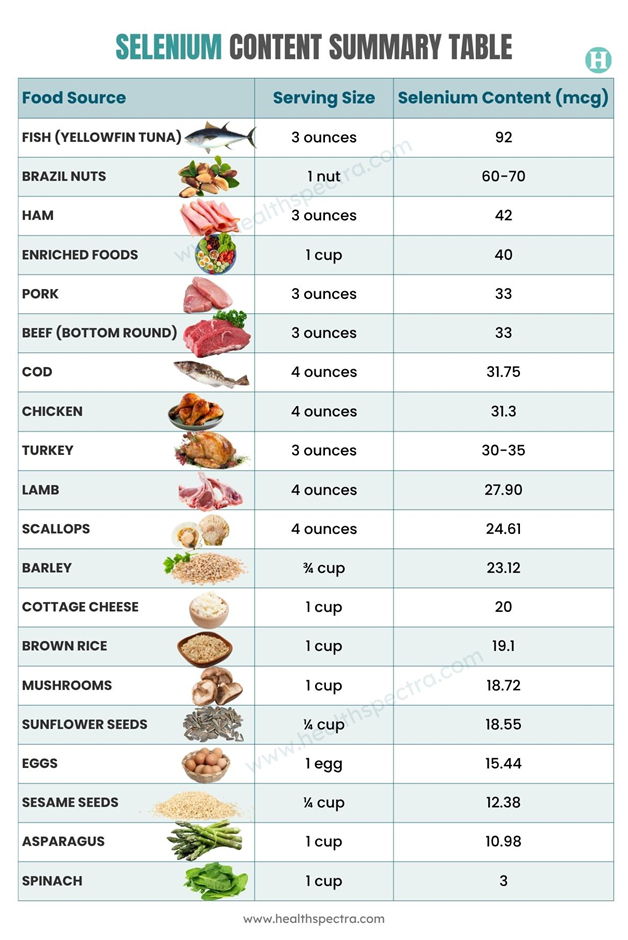
This comprehensive guide presents 20 selenium-rich foods that can help you meet your daily requirements. Many of these foods may already be part of your regular diet, though you might not realize their selenium content.
What is Selenium?
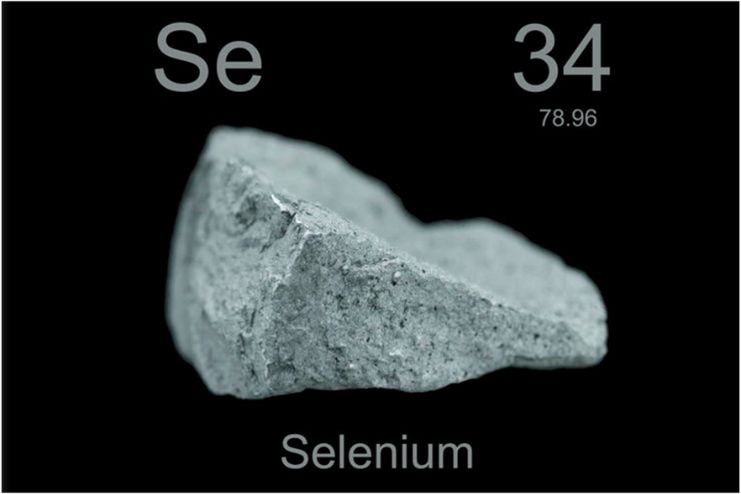 Selenium is an essential trace mineral naturally found in soil and certain foods. Unlike some nutrients, selenium is not produced by the human body and must be obtained through diet. The selenium content in foods varies significantly based on the soil conditions where they were grown.
To prevent selenium deficiency, it’s important to include selenium-rich foods in your regular diet. Fortunately, many common foods contain this essential mineral, making it relatively easy to meet your daily needs through a balanced diet.
Also, Read: Boost Your Health: The Top 7 Selenium Supplements for Optimal Well-Being
Top 20 Selenium-Rich Foods
1. Fish

Fish ranks among the best natural sources of selenium. Yellowfin tuna leads the pack with approximately 92 mcg of selenium per 3-ounce serving—well above the daily requirement. Other selenium-rich seafood options include sardines, halibut, and crab, providing 40-65 mcg per serving.
Including various types of fish in your diet not only helps maintain adequate selenium levels but also provides high-quality protein and omega-3 fatty acids for overall health benefits.
2. Brazil Nuts
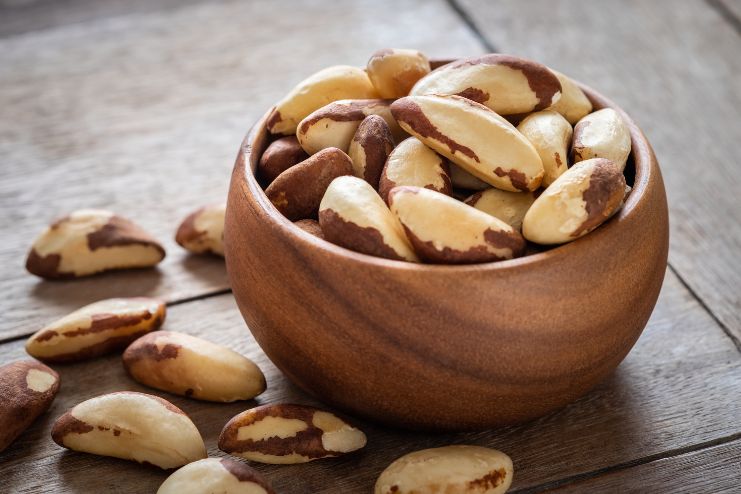
Brazil nuts are nature’s richest source of selenium. Just 4-6 nuts provide an impressive 544 mcg of selenium—far exceeding the recommended daily allowance. Due to their extremely high selenium content, consuming 1-2 Brazil nuts once or twice weekly provides approximately 60-70 mcg of selenium, sufficient to meet your needs.
While these nuts are flavorful and nutritious, moderation is key to avoid selenium toxicity. Limit consumption to 2-3 times per week to enjoy the benefits without exceeding safe levels.
Also, Read: Eating Walnuts Can Improve Heart And Gut Health, New Study Suggests
3. Pork
 Lean pork is an excellent selenium source often overlooked in dietary discussions. A 3-ounce serving provides approximately 33 mcg of selenium, making a significant contribution to your daily requirements. Since pork is typically consumed in larger portions, it becomes an even more substantial source of this essential mineral.
Choose lean cuts like tenderloin, loin, or trimmed chops to maximize selenium benefits while maintaining heart-healthy eating patterns.
4. Enriched Foods
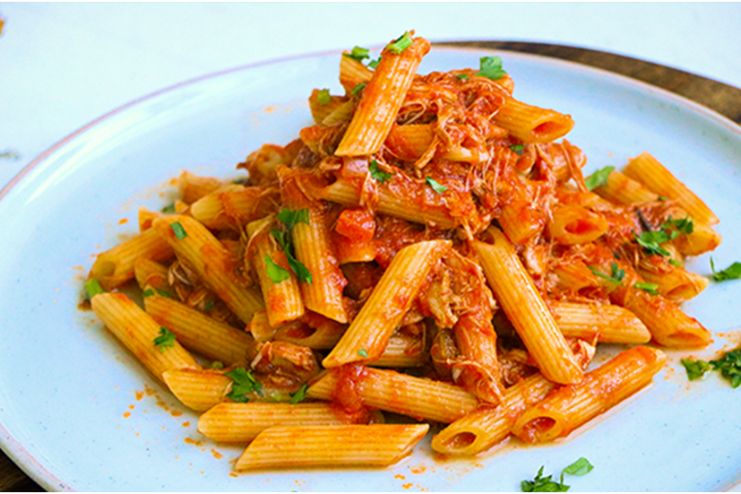 Many processed foods lose nutrients during manufacturing but are subsequently fortified with essential minerals, including selenium. Enriched pasta, cereals, and breads can provide around 40 mcg of selenium per cup serving.
While these fortified foods can contribute to your selenium intake, they should complement, not replace, whole food sources in a balanced diet.
5. Ham

Ham, though best consumed in moderation due to its high sodium content, provides substantial selenium. A 3-ounce serving delivers 42 mcg of selenium—approximately 60% of the daily requirement. Adding a few slices to sandwiches or meals can boost your selenium intake while keeping portions reasonable.
6. Chicken

Chicken is widely appreciated for its protein content, but it’s also a valuable selenium source. A 4-ounce serving provides 31.3 mcg of selenium, contributing significantly to your daily needs. Since most people consume more than one serving, chicken becomes an easy way to incorporate selenium into your diet.
7. Beef
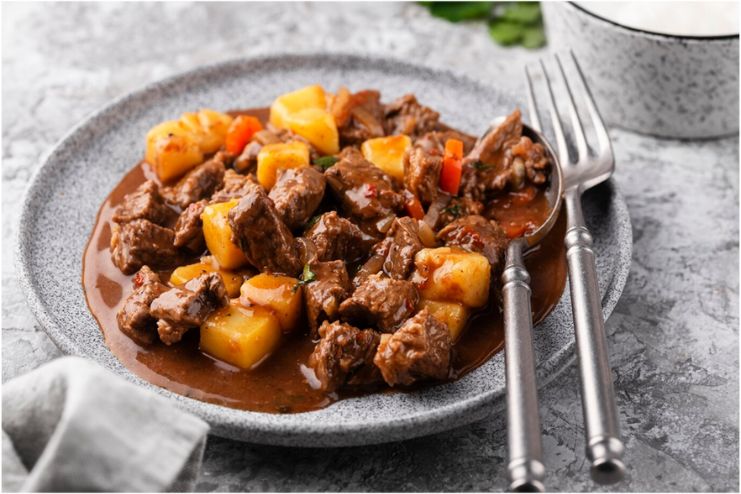 Selenium content in beef varies by cut. Bottom round provides the highest amount at 33 mcg per serving, while liver contains about 28 mcg. Even common ground beef contributes approximately 18 mcg per serving. Varying your beef cuts ensures consistent selenium intake while providing dietary diversity.
8. Cottage Cheese
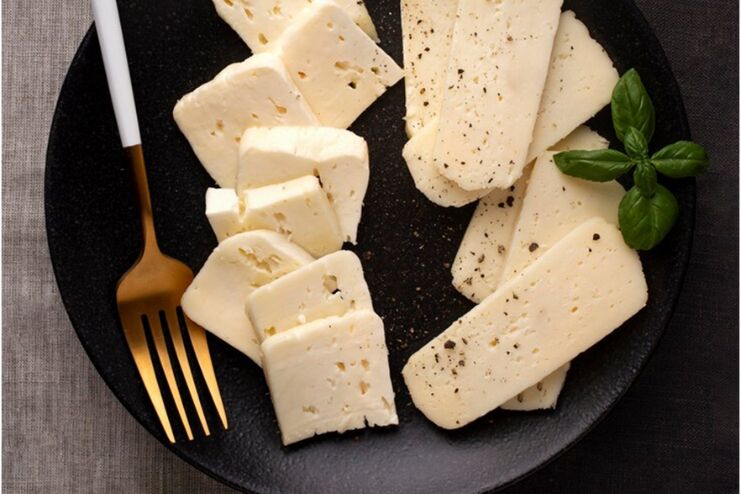 This versatile dairy product offers both protein and selenium benefits. One cup of cottage cheese provides roughly 20 mcg of selenium, covering about 30% of your daily requirement. Its mild flavor makes it easy to incorporate into various dishes, from salads to smoothies.
Also, Read: The Cottage Cheese Comeback: Why Fitness Experts Swear by This Protein-Packed Food
9. Brown Rice
 Brown rice serves as an excellent whole grain alternative to white rice, providing fiber, vitamins, and minerals including selenium. One cup of cooked brown rice yields approximately 19.1 mcg of selenium—about 25% of your daily requirement. Its nutty flavor complements various proteins and vegetables, making it a versatile addition to meals.
10. Eggs
 Eggs are incredibly versatile and provide consistent selenium content regardless of preparation method. One hard-boiled egg contains about 15.44 mcg of selenium, representing nearly 25% of your daily requirement. Whether scrambled, poached, or sunny-side-up, eggs remain an excellent selenium source for any meal.
11. Turkey

Turkey provides excellent selenium content along with lean protein. A 3-ounce serving contains 30-35 mcg of selenium, making it a substantial contributor to your daily intake. Turkey works well in sandwiches, especially when paired with whole-grain bread for additional nutrients.
12. Spinach
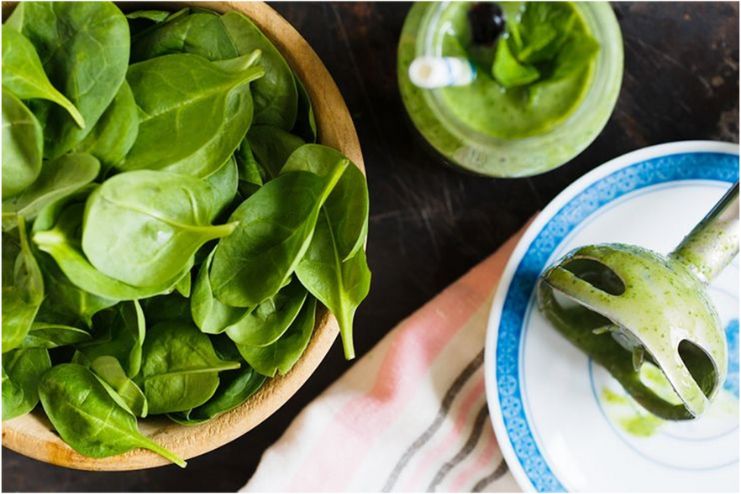 While spinach isn’t the highest selenium source, it still contributes to your daily intake. One cup provides about 3 mcg of selenium—approximately 5% of your daily requirement. Though this may seem modest, combining spinach with other selenium-rich foods creates a nutritionally complete meal.
13. Sunflower Seeds
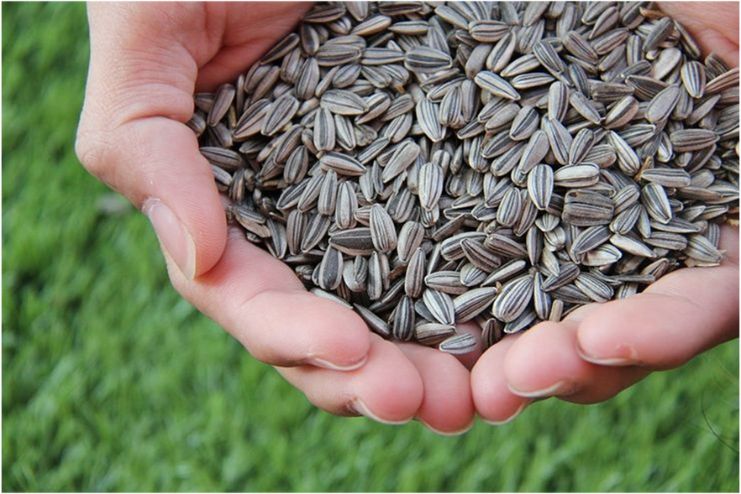 These crunchy seeds offer selenium along with vitamin E, magnesium, and folate. A quarter-cup serving provides 18.55 mcg of selenium. Sunflower seeds work well sprinkled over salads, blended into smoothies, or eaten as a healthy snack.
Also, Read: 19 Benefits of Sunflower Seeds for Better Health, Skin and Hair
14. Mushrooms
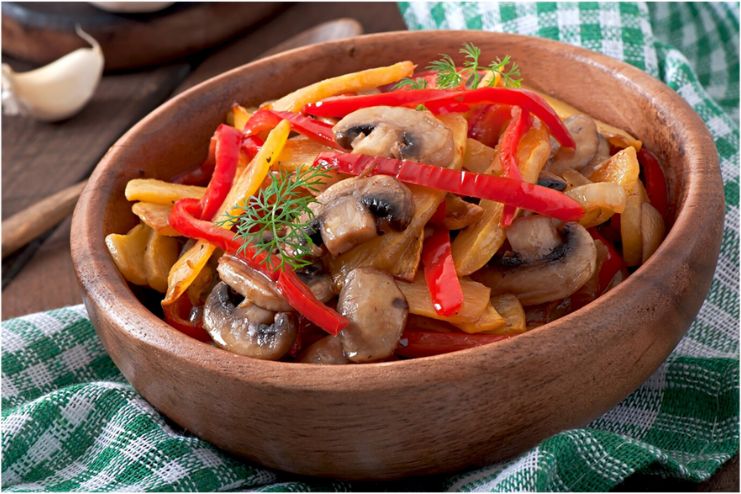 Mushrooms provide umami flavor and impressive nutritional benefits, including selenium. One cup contains 18.72 mcg of selenium, making them a significant contributor to your daily intake. Whether sautéed, grilled, or added to soups, mushrooms offer versatility and nutrition.
Also, Read: Why Mushroom Coffee Is Taking Over Wellness Trends
15. Scallops
 These delicate shellfish provide substantial selenium content along with vitamin B12 and phosphorus. A 4-ounce serving contains 24.61 mcg of selenium. While scallops are rich and should be consumed in moderation, they make an elegant addition to a selenium-conscious diet.
16. Lamb
 Lamb offers distinctive flavor and excellent nutritional value, including selenium. A 4-ounce serving provides approximately 27.90 mcg of selenium—about one-third of your daily requirement. Pairing lamb with selenium-rich sides like brown rice creates a nutritionally balanced meal.
17. Barley
 This hearty whole grain serves as an excellent rice alternative, providing B vitamins, fiber, and selenium. A ¾-cup serving of cooked barley contains about 23.12 mcg of selenium. Its substantial texture and nutritional profile make it a valuable addition to various dishes.
18. Asparagus
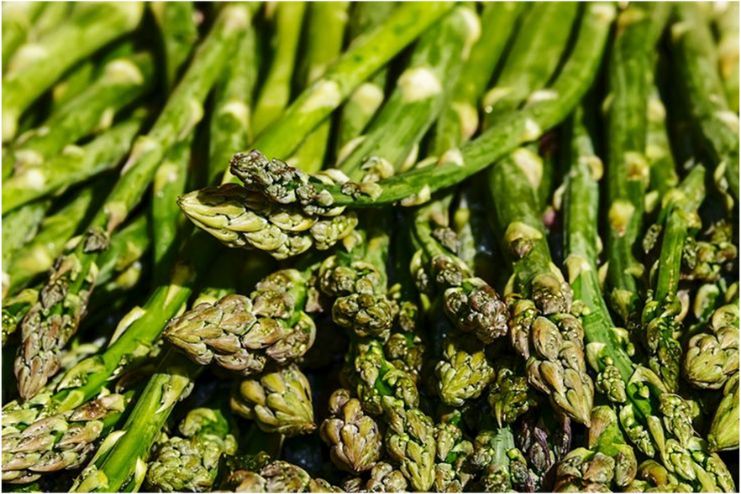 Available in green, white, and purple varieties, asparagus offers versatility and nutrition. One cup provides about 10.98 mcg of selenium along with folate, vitamin K, and fiber. While not the highest selenium source, asparagus complements other selenium-rich foods well.
19. Sesame Seeds
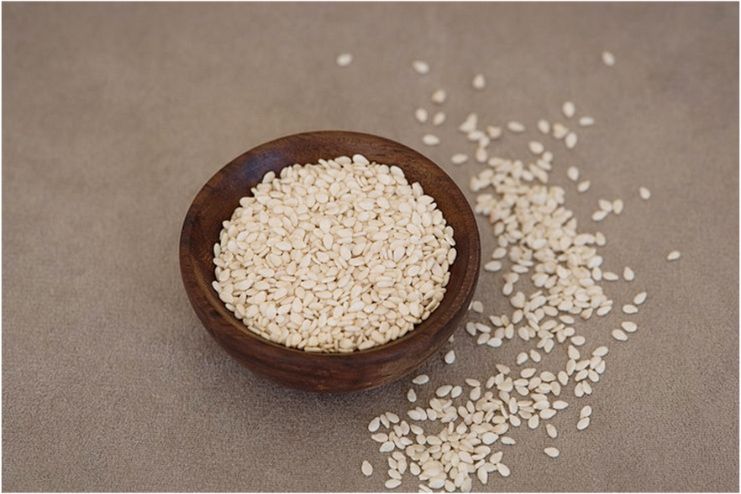 These tiny seeds pack impressive nutritional value, including selenium, calcium, and magnesium. A quarter-cup serving provides approximately 12.38 mcg of selenium. Their versatility allows easy incorporation into various dishes for both flavor and nutrition.
Also, Read: 20 Benefits of Sesame Seeds You Didn’t Know of
20. Cod
 This lean white fish provides excellent selenium content along with high-quality protein. A 4-ounce serving contains about 31.75 mcg of selenium—a significant portion of your daily requirement. Cod’s mild flavor pairs well with various seasonings and preparations.
 Why Selenium is Essential for Your Health
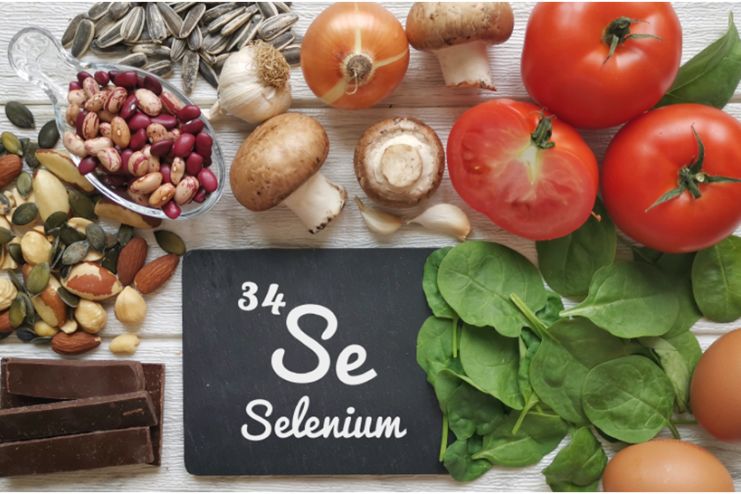
Selenium, though needed in minute amounts, plays critical roles in maintaining optimal health. This powerful antioxidant combats oxidative stress caused by free radicals, which can damage cells and contribute to various health problems. Understanding selenium’s benefits helps emphasize the importance of including selenium-rich foods in your diet.
1. Powerful Antioxidant Properties
Free radicals serve important functions in immune defense and cellular signaling, but excessive levels cause oxidative stress and cellular damage, increasing chronic disease risk. Environmental factors like smoking, alcohol consumption, and pollution exacerbate this condition.
Selenium acts as a crucial antioxidant, regulating free radical activity and preventing harmful oxidation. By neutralizing oxidative stress and reducing inflammation, selenium protects cells from premature aging and disease development.
2. Heart Health Benefits
Research indicates that adequate selenium levels may reduce heart disease risk, including coronary artery disease. Selenium supports heart health by combating inflammation and promoting glutathione peroxidase production, an important antioxidant enzyme that protects cells from oxidative damage.
By reducing oxidative stress and inflammation, selenium may help lower atherosclerosis risk—the plaque buildup in blood vessels that can lead to heart attacks or strokes.
Also, Read: Dietary Guidelines for a Healthy Heart: Foods That Support Cardiovascular Health
3. Potential Cancer Prevention
Selenium functions as a dietary antioxidant with potential protective effects against certain types of cancer. Large-scale studies suggest that individuals with optimal selenium levels may have reduced risk for colon, breast, and lung cancers.
Selenium’s antioxidant properties help reduce oxidative stress and DNA damage, key factors in cancer development. While not a cure, selenium may serve as a valuable component of cancer prevention strategies when consumed through a balanced diet.
4. Thyroid Function Support
Selenium is essential for reproduction and thyroid function. The thyroid gland contains the highest selenium concentration of any organ, making this mineral crucial for thyroid health and hormone production.
Selenium helps protect the thyroid from oxidative stress and supports essential hormone synthesis. Deficiency may contribute to thyroid dysfunction, including autoimmune conditions like Hashimoto’s thyroiditis and hypothyroidism, which can cause fatigue, weight gain, and metabolic complications.
Also, Read: Unexplained Fatigue? It Could Be a Thyroid Issue
5. Cognitive Health Protection
Oxidative stress contributes to brain cell damage over time, potentially leading to neurodegenerative diseases. Research suggests selenium may help protect against cognitive decline and support brain health.
Studies indicate that adequate selenium intake may be associated with better cognitive function, improved memory, and reduced age-related cognitive decline. By reducing brain inflammation and oxidative stress, selenium supports long-term neurological health.
6. Immune System Support
Selenium plays a vital role in immune function, helping your body defend against infections and diseases. This mineral supports immune cell production and activation while reducing oxidative damage that can weaken immune responses.
Adequate selenium levels enhance your body’s natural defense mechanisms, improve immune responses, and may support faster recovery from illness.
Recommended Selenium Intake
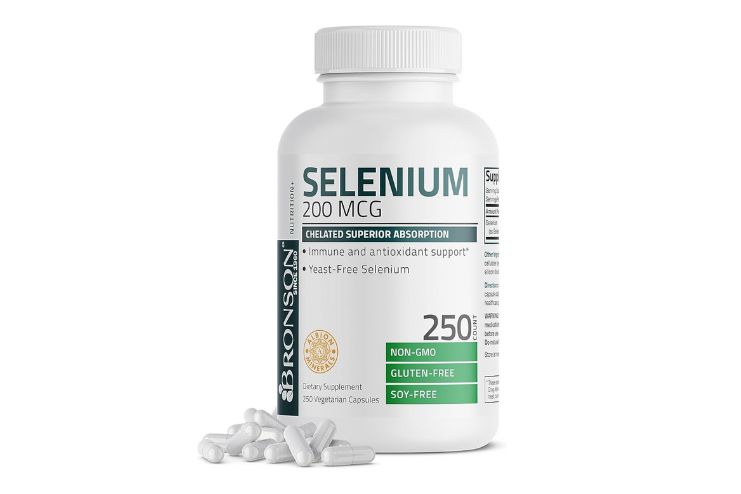 The Recommended Dietary Allowance (RDA) for selenium is 55 mcg daily for adults 19 years and older. During pregnancy, the RDA increases to 60 mcg daily, and while breastfeeding, it increases to 70 mcg daily.
Daily Selenium Requirements:
- Adults (19+ years): 55 mcg
- Pregnant women: 60 mcg
- Breastfeeding women: 70 mcg
- Children: 20-40 mcg (varies by age)
The safe upper limit for selenium is 400 mcg daily in adults. Anything above this amount is considered potentially toxic.
Selenium Safety and Toxicity
While selenium is essential for health, excessive intake can lead to toxicity. Selenium toxicity can cause breathing issues, kidney failure, and heart problems. At extremely high levels, selenium toxicity could be fatal.
Signs of selenium toxicity include:
- Garlic-like breath odor
- Nausea and vomiting
- Hair loss
- Brittle or discolored nails
- Fatigue
- Neurological symptoms
Safety Guidelines:
- Prioritize food sources over supplements
- Stay within the 400 mcg daily upper limit
- Consult healthcare providers before taking selenium supplements
- Be particularly cautious with Brazil nuts due to their extremely high selenium content
Conclusion
Selenium is a vital trace mineral that supports immune function, reduces oxidative damage, and promotes overall well-being. While only small amounts are needed, ensuring adequate intake through a varied diet is essential for optimal health.
The 20 selenium-rich foods presented in this article—from fish and nuts to meats, grains, and vegetables—offer diverse options for meeting your daily selenium needs. By incorporating these foods into your regular diet, you can support your immune system, protect against oxidative stress, and promote long-term health.
Remember that balance is key: aim for adequate selenium intake through whole foods while avoiding excessive amounts that could lead to toxicity. A varied diet rich in selenium-containing foods provides the best approach to meeting your nutritional needs safely and effectively.
References
- National Institutes of Health Office of Dietary Supplements. (2024). Selenium – Health Professional Fact Sheet
- National Institutes of Health Office of Dietary Supplements. (2024). Selenium – Consumer Fact Sheet
- WebMD. (2023). Selenium: Benefits, Uses, Side Effects, Dosage, and More
- Medical News Today. (2024). Selenium: Health benefits, sources, and potential risks
- Linus Pauling Institute, Oregon State University. (2025). Selenium
- National Center for Biotechnology Information. Selenium – Dietary Reference Intakes
- Frontiers in Nutrition. (2024). Associations of dietary selenium intake with the risk of chronic diseases and mortality in US adults
- Healthline. (2024). Selenium Foods: 20 Selenium-Rich Foods for Every Diet
- Centers for Disease Control and Prevention. Selenium Public Health Statement
- World’s Healthiest Foods. Selenium
In this Article