

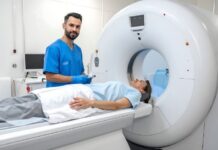












Sleep is fundamental to human health, serving as the body’s natural restoration process. During sleep, the brain consolidates memories, repairs tissues, and regulates essential hormones. However, sleep disorders affect millions of people worldwide, disrupting these vital processes and significantly impacting both mental and physical well-being.
Modern research shows that quality sleep is not a luxury—it’s a biological necessity. When sleep patterns are disrupted, the consequences extend far beyond feeling tired the next day.
Read More: The Connection Between Sleep Disorders and Diabetes
Understanding Sleep: The Science Behind Rest
Why Sleep Matters
Sleep serves multiple critical functions for optimal health. During rest, the brain’s glymphatic system actively clears metabolic waste, including proteins associated with neurodegenerative diseases. The body also releases growth hormone, repairs cellular damage, and strengthens immune function.
Adults typically need 7-9 hours of sleep per night, while children and teenagers require more, often 9-11 hours for optimal development and cognitive function.
The Sleep Cycle Explained
Sleep occurs in distinct stages that cycle throughout the night:
Non-REM (NREM) Sleep: Comprises three stages, from light sleep to deep, restorative sleep. Deep NREM sleep is crucial for physical recovery and memory consolidation.
REM Sleep: Characterized by rapid eye movements, vivid dreams, and intense brain activity. This stage is essential for emotional processing and cognitive development.
A complete sleep cycle lasts approximately 90-120 minutes, with healthy sleepers experiencing 4-6 cycles per night.
Common Causes of Sleep Disorders
Lifestyle and Environmental Factors
Modern life presents numerous challenges to healthy sleep patterns:
- Technology use: Blue light exposure from screens disrupts melatonin production
- Irregular schedules: Shift work and frequent time zone changes
- Stress and anxiety: Work pressures and life stressors activate the body’s stress response
- Poor sleep environment: Noise, light, and uncomfortable temperatures
Medical and Psychological Factors
Several health conditions can significantly impact sleep quality:
- Mental health disorders (depression, anxiety, PTSD)
- Chronic pain conditions
- Hormonal imbalances
- Respiratory issues
- Medication side effects
- Substance use disorders
Read More: Effect of Sleep Disorders on Mental and Physical Health
Types of Sleep Disorders
Insomnia
The most common sleep disorder, insomnia, involves difficulty falling asleep, staying asleep, or waking too early. Chronic insomnia affects approximately 10-15% of adults and can significantly impact daily functioning.
Sleep Apnea
Obstructive sleep apnea occurs when throat muscles relax during sleep, blocking the airway. This condition affects millions and increases risks for cardiovascular disease, diabetes, and cognitive impairment.
Parasomnias
These disorders involve abnormal behaviors during sleep, including:
- Sleepwalking (somnambulism)
- Sleep talking
- Night terrors
- REM sleep behavior disorder
Circadian Rhythm Disorders
These conditions occur when the body’s internal clock is misaligned with external cues, including:
- Shift work sleep disorder
- Delayed sleep phase syndrome
- Jet lag disorder
Narcolepsy and Hypersomnia
Narcolepsy involves sudden sleep attacks and cataplexy, while hypersomnia causes excessive daytime sleepiness despite adequate nighttime sleep.
Read More: This One Nighttime Habit Changed My Sleep and My Stress
Health Consequences of Sleep Disorders

Mental Health Impact
Sleep disorders significantly affect psychological well-being:
- Increased anxiety and depression risk: Poor sleep disrupts emotional regulation
- Cognitive impairment: Attention, memory, and decision-making suffer
- Mood instability: Irritability and mood swings become common
- Reduced stress resilience: The ability to cope with daily challenges diminishes
Physical Health Consequences
The physical toll of sleep disorders is extensive:
- Cardiovascular disease: Sleep deprivation increases heart attack and stroke risk
- Metabolic dysfunction: Higher rates of obesity, diabetes, and metabolic syndrome
- Immune system suppression: Increased susceptibility to infections
- Hormonal imbalances: Disrupted growth hormone, cortisol, and reproductive hormones
- Accelerated aging: Cellular damage and reduced longevity
Diagnosis and Assessment
Professional Evaluation
Healthcare providers use various tools to diagnose sleep disorders:
Sleep Studies (Polysomnography): Comprehensive overnight testing that monitors brain waves, breathing, heart rate, and movement patterns.
Home Sleep Tests: Simplified testing for suspected sleep apnea using portable monitoring devices.
Sleep Diaries: Patient-recorded sleep patterns over several weeks to identify trends and triggers.
Advanced Diagnostic Tools
Modern sleep medicine employs sophisticated assessment methods:
- Actigraphy (wearable sleep monitoring)
- Multiple Sleep Latency Tests (MSLT)
- Maintenance of Wakefulness Tests (MWT)
Read More: 7 Best Comforters for a Cozy Night’s Sleep
Evidence-Based Treatment Approaches
Cognitive Behavioral Therapy for Insomnia (CBT-I)
CBT-I is considered the gold standard for treating chronic insomnia. This structured program addresses thoughts and behaviors that interfere with sleep, showing long-term effectiveness superior to sleep medications.
Medical Interventions
When appropriate, healthcare providers may recommend:
- CPAP therapy for sleep apnea
- Melatonin supplements for circadian rhythm disorders
- Prescription medications for specific conditions
- Light therapy for seasonal and shift work disorders
Sleep Hygiene and Lifestyle Modifications
Fundamental sleep improvement strategies include:
- Maintaining consistent sleep-wake times
- Creating a comfortable, dark, quiet sleep environment
- Limiting caffeine and alcohol consumption
- Regular physical exercise (but not close to bedtime)
- Stress management techniques
- Avoiding large meals and electronic screens before bed
Complementary and Alternative Approaches
Research supports several non-pharmacological interventions:
- Meditation and mindfulness: Reduce stress and improve sleep quality
- Yoga and relaxation techniques: Promote physical and mental relaxation
- Acupuncture: May help with certain sleep disorders
- Herbal supplements: Valerian, chamomile, and passionflower show modest benefits
Read More: Why You Jerk Awake Right Before Falling Asleep
Sleep Disorders in Special Populations
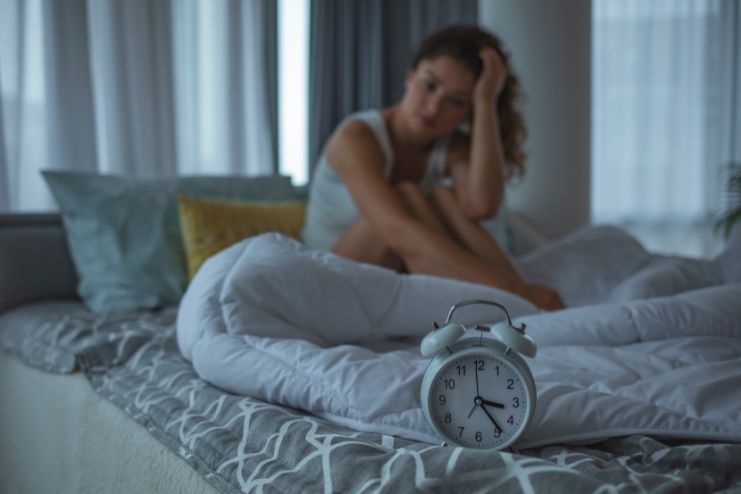
Children and Adolescents
Young people face unique sleep challenges:
- Biological shifts in circadian rhythms during puberty
- Academic and social pressures
- Technology overuse affecting sleep patterns
Older Adults
Aging brings natural changes to sleep architecture:
- Decreased deep sleep stages
- More frequent nighttime awakenings
- Earlier bedtimes and wake times
- Higher prevalence of sleep disorders
Shift Workers
Healthcare workers, emergency responders, and others working non-traditional hours face elevated risks for sleep disorders and associated health problems.
Prevention and Long-Term Management
Building Healthy Sleep Habits
Prevention remains the most effective approach to sleep health:
- Prioritize sleep: Treat sleep as essential to health, not optional
- Create routines: Establish consistent pre-sleep rituals
- Monitor sleep patterns: Use technology mindfully to track sleep quality
- Address problems early: Seek professional help for persistent sleep issues
- Maintain overall health: Regular exercise, a healthy diet, and stress management
When to Seek Professional Help
Consult a healthcare provider if you experience:
- Chronic difficulty falling or staying asleep
- Loud snoring with breathing pauses
- Excessive daytime sleepiness
- Unusual behaviors during sleep
- Sleep problems affecting daily life
According to Duke sleep specialist Marjorie Soltis, MD, you should see a sleep specialist when sleep problems persist for more than about three months and are affecting your daily life. Maybe you’re snoring a lot, waking up in the middle of the night, or struggling to stay awake when you’re at work or while driving. You may feel exhausted most days or have trouble falling asleep at night. These are signs of a potential sleep problem, says Soltis.
The Future of Sleep Medicine
Advances in sleep research continue to improve treatment options:
- Precision medicine approaches based on genetic factors
- Advanced wearable technology for continuous monitoring
- Telemedicine expanding access to sleep specialists
- Novel therapeutic targets and interventions
Read More: How to “Rewire” Your Sleep Schedule in Just One Weekend
Conclusion
Sleep disorders represent a significant public health challenge with far-reaching consequences for mental and physical well-being. Understanding the causes, recognizing symptoms, and seeking appropriate treatment are essential steps toward better sleep health.
Quality sleep is not a luxury—it’s a fundamental requirement for optimal health and quality of life. By prioritizing sleep hygiene, addressing underlying causes, and working with healthcare professionals when needed, individuals can overcome sleep disorders and experience the restorative benefits of healthy sleep.
Take Action Today: If you’re struggling with sleep issues, don’t wait. Speak with your healthcare provider about your sleep concerns and explore evidence-based treatment options. Better sleep leads to better health, improved mood, and enhanced quality of life.
Frequently Asked Questions (FAQs)
Q: How much sleep do adults really need?
A: Most adults need 7-9 hours of quality sleep per night, though individual needs may vary slightly.
Q: Can sleep disorders be cured?
A: Many sleep disorders can be effectively treated or managed with appropriate interventions, though some may require ongoing management.
Q: Are sleep medications safe for long-term use?
A: Sleep medications should generally be used short term under medical supervision. Cognitive behavioral therapy is preferred for long-term treatment of insomnia.
Q: How do I know if I have sleep apnea?
A: Common signs include loud snoring, witnessed breathing pauses, excessive daytime sleepiness, and morning headaches. A sleep study is needed for diagnosis.
Q: Can children have sleep disorders?
A: Yes, children can experience various sleep disorders. Persistent sleep problems in children should be evaluated by a pediatric sleep specialist.
References
- https://www.nih.gov/news-events/nih-research-matters/brain-waste-clearance-system-shown-people-first-time
- https://www.cdc.gov/sleep/about/
- https://www.health.harvard.edu/staying-healthy/blue-light-has-a-dark-side
- https://www.mayoclinic.org/diseases-conditions/insomnia/symptoms-causes/syc-20355167
- https://www.nhlbi.nih.gov/health/sleep-apnea
- https://www.ninds.nih.gov/health-information/disorders/narcolepsy
- https://www.cdc.gov/heart-disease/about/sleep-and-heart-health.html
- https://www.sleepfoundation.org/insomnia/treatment/cognitive-behavioral-therapy-insomnia
- https://www.nccih.nih.gov/health/meditation-and-mindfulness-what-you-need-to-know
- https://www.sleepfoundation.org/how-sleep-works/sleep-facts-statistics
- https://www.who.int/news-room/fact-sheets/detail/sleep-disorders
- https://www.aasm.org/clinical-resources/practice-standards/
- https://www.sleepfoundation.org/sleep-hygiene
- https://www.mayoclinic.org/healthy-lifestyle/adult-health/in-depth/sleep/art-20048379
- https://www.nih.gov/news-events/news-releases/nih-research-reveals-how-sleep-helps-immune-system
- https://www.dukehealth.org/find-doctors-physicians/marjorie-ellen-soltis-md
In this Article