















There’s something deeply nostalgic about warm milk before bed, at night. Some people swear it makes them sleep like a baby. Others think it’s just old-school advice and a placebo.
Yet, millions quietly rely on that one glass before bed, especially when nothing else works.
So what’s the truth? Is milk really nature’s mini sleeping pill, or just a harmless comfort habit? This article will explore: why a nighttime milk routine works for some, why it does nothing for others, and how to use it effectively without making common mistakes.
- Why milk might actually calm the nervous system.
- How body temperature, digestive activity, and comfort response influence sleep.
- Who benefits the most from nighttime milk (note: it’s not only children).
- When milk before bed can cause harm, especially for digestion or hormones.
- The best way to drink milk if you want real sleep benefits, not just tradition.
Why Milk Might Help You Sleep Better

People often assume milk works because of one chemical or one nutrient. But sleep is never that simple. Sleep is chemistry, physiology, and psychology, all working together.
When you consume milk before bed, three significant things may happen:
1. Tryptophan Promotes Better Sleep
Milk contains tryptophan, an amino acid that helps the body create serotonin and melatonin, hormones linked with relaxation and sleep. But here’s a point that’s rarely discussed about healthy bedtime drinks: Tryptophan in food does not act alone; it needs a transport advantage to cross into the brain.
Milk naturally contains carbohydrates (lactose) and protein, which may support this transport by influencing insulin release. This shifts the amino acid competition in the bloodstream, making more tryptophan available to reach the brain.
Not magic. Just biology functioning efficiently.
Even sleep specialists acknowledge this effect. Dr. Michael Breus, a clinical psychologist known as “The Sleep Doctor,” notes that “warm milk can help promote better sleep due to its tryptophan content.” His point aligns with what we see in research: it’s not just the nutrient itself, but the way your body processes it in a relaxed, pre-sleep state.
2. The Comfort Effect of Warm Milk for Insomnia
Warm milk brings an interesting physiological response: it signals safety. Not emotional safety only, but also physiological safety.
Warm beverages activate the parasympathetic nervous system (the “rest and digest mode”). Breathing slows. Heart rate reduces slightly. Muscles loosen. It’s like a subtle command to the brain: “Nothing dangerous is happening at the moment. You may relax.”
Cold milk doesn’t create the same response because cold beverages can slightly increase alertness and digestive effort. So yes, warmth matters, not only taste.
3. Protein and Overnight Muscle Recovery
Casein protein, found in milk, digests slowly. Instead of spiking metabolism or energy, it works in the background, releasing amino acids gradually throughout the night.
This slow release may:
- Support overnight muscle repair
- Prevent midnight hunger spikes
- Balance fasting discomfort
This steady digestion can keep blood sugar stable, which is important because fluctuations during sleep can cause restlessness, dreams, or sudden awakenings.
Read More: 11 Side Effects Of Almond Milk- That May Cause Serious Health Issues
What Science Says: Evidence on Milk and Sleep Quality
Research on milk and sleep isn’t overstated, but it’s consistent.
Studies have found:
- Milk-based drinks before bed may improve sleep time in older adults.
- Milk peptides may have mild sedative-like effects.
- Warm milk influences sleep mostly through relaxation pathways, not just hormones.
- A unique form of dairy known as night-collected milk (milk extracted from cows at night) shows higher melatonin levels and stronger effects in early trials.
One significant point: Psychology and physiology overlap. If someone expects milk to help them sleep, research suggests the body may amplify its calming effects. But this never makes the effect fake.
Thus, a placebo involves a real biological mechanism involving dopamine, neuropeptides, and brain learning. Interestingly, studies also show that placebo and conditioned responses may contribute up to 50% of the benefit, meaning expectation matters. In simple words: Belief and biology can work together.
Who Might Benefit the Most from Milk at Night

Some groups tend to benefit more from nighttime milk drinking, they are:
- Individuals with late-night hunger or an unstable eating schedule
- Older adults who struggle with sleep onset
- People with stress-related restlessness
- Athletes or gym-users needing muscle recovery
- Those who eat early dinners and feel empty by bedtime
However, milk shouldn’t be your only sleep strategy; it’s just one simple habit that supports your system if it aligns with your body’s needs.
Read More: How Golden Milk (Turmeric Latte) Can Help Regulate Your Period
When to Skip Milk Before Bed
Some bodies tolerate milk well, whereas others tolerate considerably less. Avoid or rethink nighttime milk if:
- You have lactose intolerance (even mild bloating affects sleep quality).
- You experience acid reflux, especially after heavy meals.
- You have late-night snacking habits, as milk can become a calorie concern.
- You are sensitive to insulin changes or have metabolic issues (speak with a doctor).
- You have weight-related concerns (flavored milk, sweetened milk, chocolate milk, health drinks, all add unnecessary calories)
- You consume caffeine late – milk won’t override caffeine stimulation.
- You have a milk allergy or confirmed dairy protein allergy.
Also, if sleep issues are driven by anxiety, screens, irregular meals, or inconsistent routine, milk alone won’t resolve them.
Read More: Does Milk Hydrate Better Than Water? What Science Actually Says
How to Drink Milk Before Bed for Maximum Benefit
This is where most misinformation exists. Timing, quantity, temperature, and milk type make a real difference.
1. Choose the Right Type of Milk
Different bodies respond differently. Options include:
- Warm cow’s milk (traditional, rich in casein and tryptophan)
- A2 milk (gentler for digestion in some people)
- Milk with turmeric, cinnamon, or nutmeg (optional calming spices, not mandatory)
- Lactose-free milk if digestive discomfort exists
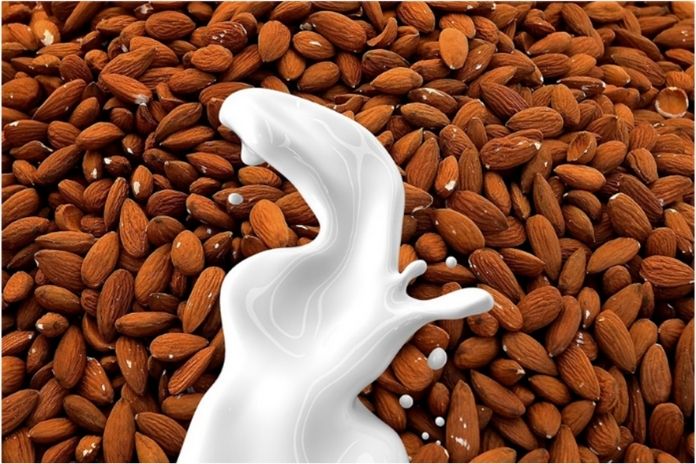
- Almond milk (very light and contains melatonin)
- Oat milk, which is naturally rich in melatonin and carbs (good for relaxation)
Avoid sugary-flavored milk, as it can cause energy spikes. Thus, there is no single, universal best milk for sleep. The goal is comfort and digestibility.
Dietitian Erin Palinski-Wade also points out that the fat percentage of milk does not change its calming potential. As she explains, the tryptophan and calcium content, the components linked with relaxation, remain the same, whether you choose skim or whole milk.
2. Ideal Timing and Serving Size
The optimal windows seem to be:
- 30–60 minutes before bed
- 150–200 ml (about one small glass)
More is not healthy. A heavy, full stomach can disrupt sleep rhythm, especially in people prone to reflux.
And if you’re worried about extra calories, Palinski-Wade explains it very simply: having a glass of milk at night by itself won’t really cause weight gain, as long as it’s fitting into what you’ve already eaten for the day. And if that still feels like an issue, she says you can just cut down your dinner portion a little so the nighttime milk routine adjusts in without adding extra load.
3. Pair With a Healthy Bedtime Routine
Just a nighttime milk routine alone won’t counteract a disturbed body clock. It works best when paired with:
- Dim lights (signal melatonin rhythm)
- Low phone or screen stimulation
- A calm environment
- Not eating large meals late at night
Milk becomes a cue, a signal to your nervous system that the day is ending.
Read More: Milk Thistle Tea: Benefits, Side Effects, and How to Brew It Safely
Final Thoughts
Drinking milk before bed is never an outdated tradition or mindless superstition. It’s a mix of biology, routine psychology, cultural behavior, and nutritional support. For some, it can genuinely improve sleep quality over time. For others, it may do nothing, and that’s normal. Sleep is multifactorial.
The simplest conclusion is: milk before bedtime is not a guarantee for better sleep, but to many, it gives gentle nourishment and supports relaxation when used correctly. So, if a nighttime milk routine helps you feel calmer, sleep earlier, or unwind, then it’s already doing something valuable.
- Milk may support sleep through its hormonal, temperature, and nervous system effects.
- The benefit is subtle, more supportive than sedative.
- Works best when combined with proper sleep habits.
- Nighttime milk routine is not suitable for everyone, especially those with reflux or intolerance.
- Milk type, timing, and even temperature of the milk matter.
FAQs
1. Is cold milk a bad idea before bed?
Cold milk isn’t harmful, but it usually doesn’t support sleep the same way. The cold temperature can feel refreshing or alerting, which is the opposite of what your brain needs at bedtime.
2. Will adding spices like turmeric or cinnamon to milk help with sleep?
They can. These spices don’t create sleepiness on their own, but they add warmth, comfort, and sometimes reduce digestive discomfort, all of which support better sleep.
3. Will milk cause weight gain if consumed at night?
Not if the portion is small and part of your daily calorie intake. Overconsumption is the issue, not timing.
4. What if milk causes bloating or discomfort at night?
Then it will disturb sleep instead of helping. People with lactose intolerance or heavy-meal reflux should choose lactose-free milk or avoid nighttime milk altogether.
5. How long before bed should I drink milk?
Ideally, 30–60 minutes before sleeping.
References
- Aung, T., Bo Ram Kim, Han Sub Kwak, & Mi Jeong Kim. (2023). Neuroimaging Approach: Effects of Hot and Cold Germinated Wheat Beverages on Electroencephalographic (EEG) Activity of the Human Brain. Foods, 12(18), 3493–3493.
- Fan, R., Jia, Y., Chen, Z., Li, S., Qi, B., & Ma, A. (2025). Foods for Sleep Improvement: A Review of the Potential and Mechanisms Involved. Foods, 14(7), 1080–1080.
- Kim, J. (2020). Pre-sleep casein protein ingestion: new paradigm in post-exercise recovery nutrition. Physical Activity and Nutrition, 24(2), 6–10.
- Komada, Y., Okajima, I., & Kuwata, T. (2020). The Effects of Milk and Dairy Products on Sleep: A Systematic Review. International Journal of Environmental Research and Public Health, 17(24), 9440.
- Romanini, E. B., Volpato, A. M., Santos, Helena, E., Hoch, C., & Ludovico, A. (2019). Melatonin concentration in cow’s milk and sources of its variation. Journal of Applied Animal Research, 47(1), 140–145.
- St-Onge, M.-P., Zuraikat, F. M., & Neilson, M. (2023). Exploring the Role of Dairy Products In Sleep Quality: From Population Studies to Mechanistic Evaluations. Advances in Nutrition, 14(2).
- Winkler, A., & Rief, W. (2015). Effect of Placebo Conditions on Polysomnographic Parameters in Primary Insomnia: A Meta-Analysis. SLEEP.
In this Article