













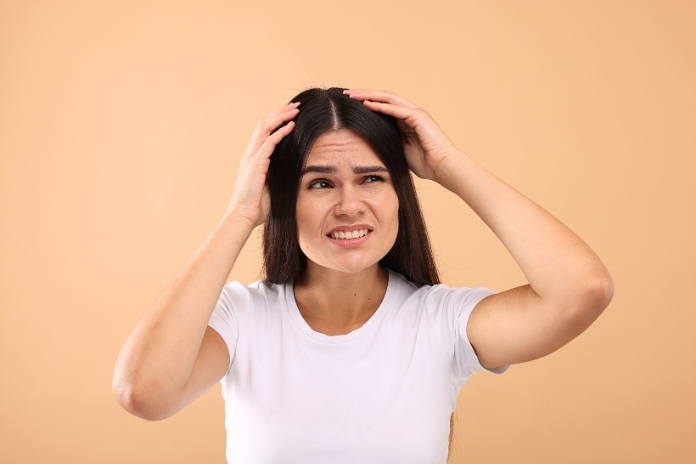
Did you know that nearly 50% of adults will experience some form of scalp irritation at least once in their lifetime? If you’re constantly reaching up to scratch your head or feeling self-conscious about visible flakes, you’re not alone.
An itchy scalp is one of the most irritating health problems that can make you extremely uncomfortable. It can also cause embarrassment due to symptoms like frequent scratching and visible discomfort.
While you may experience an itchy scalp without any visible skin changes, sometimes the itching is accompanied by noticeable symptoms such as flaked or scabbed skin.
According to experts, scalp itching is generally not considered a severe medical condition, and you can often resolve it with proper treatment. However, an itchy scalp may sometimes be a symptom of an underlying condition, making it important to address the problem as soon as possible.
Various chemical products are available on the market to treat scalp itching. However, these chemical products may cause side effects if their harsh ingredients react with flakes on your scalp, causing itching, potentially worsening the situation.
To avoid these complications, it’s recommended to use natural remedies that you can easily try at home. We’ve compiled a list of the most effective natural remedies to help you get rid of your itchy scalp problem.
Read More: Itchy Scalp But No Dandruff? Possible Causes and Fixes
What Causes an Itchy Scalp?
One of the primary causes of an itchy scalp is seborrheic dermatitis, commonly known as dandruff. In infants, this condition is called cradle cap. Experts explain that this type of dandruff forms in the sebaceous (oil-producing) glands on your face and scalp.
“Seborrheic dermatitis can be triggered by many factors, including cold or dry climates, stress, illness, or changes in skincare routine,” Banner Health dermatologist Dr. Trevor Thompson, MD, said. “While some individuals have more of the tendency for seborrheic dermatitis, treatments and addressing possible triggers often help to attain improved control of the symptoms.”
“Consider shampoos that contain one of the following ingredients: selenium sulfide, zinc pyrithione, salicylic acid, ketoconazole or coal tar,” Dr. Thompson said. “Selenium sulfide shampoos are often a good starting point.”
When these glands become inflamed, you may experience:
- Flaking
- Itching
- Red skin
- Itchy scalp bumps
- White or yellow scales on your skin
Potential causes of seborrheic dermatitis include:
- Overgrowth of yeast on the skin
- Hormonal changes
- Seasonal changes
- Stress
A sensitive scalp can cause both an itchy scalp and hair loss, and while this isn’t usually a serious concern, it can sometimes indicate underlying diseases that may be more serious, such as diabetes mellitus or herpes zoster (shingles).
Other causes of an itchy scalp include:
- Anxiety disorders
- Head lice
- Scalp psoriasis
- Migraine headaches
- Allergic reactions to medications
- Discoid lupus
- Infections from substances that have come into contact with your head, such as a new shampoo
Symptoms of Itchy Scalp
The main symptoms of seborrheic dermatitis or dandruff-related itchy scalp are pain and a tingling sensation in the head. Sometimes the discomfort feels better after scratching, though this may also cause pain. Additional symptoms that may accompany scalp itching include:
- Dry skin
- Irritated skin
- Bald patches
- Low-grade fever
- Redness
- Pus-filled sores
- Patches and scales on the scalp
- Scalp swelling
- Sore formation on the scalp
It’s important to consult with your doctor immediately if your scalp itching doesn’t improve on its own within a few days, or if it’s accompanied by hair loss, pain, sores, or intense itching. Medical treatment is essential for an itchy scalp caused by fungal infections or lice.
Your doctor will prescribe appropriate medication for your scalp itching after a careful examination and review of your medical history.
Read More: The Ultimate Guide to Scalp Detoxing: Why and How to Do It
6 Effective Home Remedies for Itchy Scalp
Various natural ingredients can help treat an itchy scalp condition. Here’s our list of products you can use to get rid of your itchy scalp problem.
1. Tea Tree Oil for Itchy Scalp
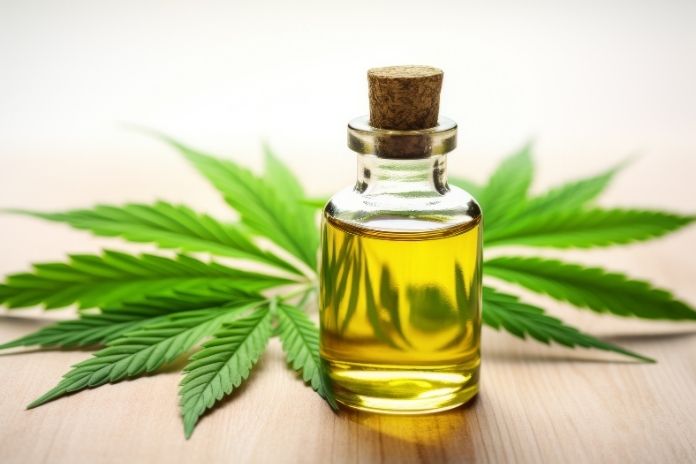
Tea tree oil contains terpinen-4-ol, a component with natural antifungal, antibacterial, and anti-inflammatory properties that help treat an itchy scalp. It also helps unclog hair follicles.
How to use:
- While you can use tea tree oil undiluted if you can tolerate its strong nature, you can add a few drops to vegetable oil to dilute it
- Massage this mixture into your scalp to unclog hair follicles
- This will also provide relief from itching
- Wash it out with water or mild shampoo after leaving it on for 2-3 hours
- Use this process regularly for 2-3 weeks
2. Aloe Vera for Itchy Scalp
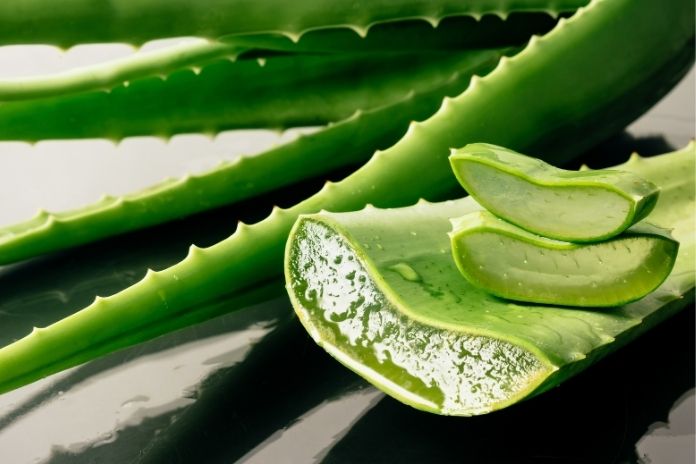
Along with anti-inflammatory and antibacterial properties, aloe vera provides moisturization that helps relieve itching and dryness. The enzymes in aloe vera eliminate dead skin cells that accumulate on the scalp, while the amino acids help stimulate healthy tissue growth.
How to use:
- Extract aloe vera gel by squeezing the leaf, or purchase fresh aloe vera gel from the market
- Apply this gel to your scalp
- After leaving it on for 20-30 minutes, wash it off with water or mild shampoo
- Try this procedure regularly to get rid of an itchy scalp
3. Coconut Oil for Itchy Scalp
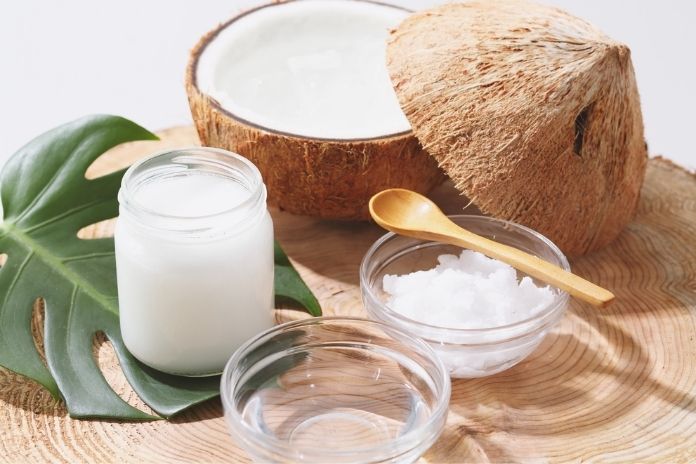
In addition to providing moisturization, coconut oil helps reduce dryness. The antibacterial properties of coconut oil help fight infections in hair follicles as well as other fungal infections, such as ringworm, on the scalp.
How to use:
- Massage your hair and scalp with slightly warm coconut oil
- Massage for at least 10 minutes
- Wrap your head in a towel or shower cap
- Leave it on overnight
- Wash it out with water and shampoo
- You can also add a few drops of coconut oil to your shampoo to help with an itchy scalp
- Repeat this process 3 times per week
Read More: 16 Natural Remedies To Say Goodbye To Scabs on Scalp (Without any Pain)
4. Baking Soda for Itchy Scalp
Baking soda helps prevent dandruff caused by fungi. Due to its alkaline nature, baking soda provides relief from itchiness by balancing the pH level.
How to use:
- Make a paste by mixing 1-2 tablespoons of baking soda with water
- First, apply some olive oil to your scalp and rub it in well
- Then apply the baking soda paste
- Leave it on for 10-15 minutes
- Wash it off with water and repeat the process regularly
5. Lemon Juice for Itchy Scalp
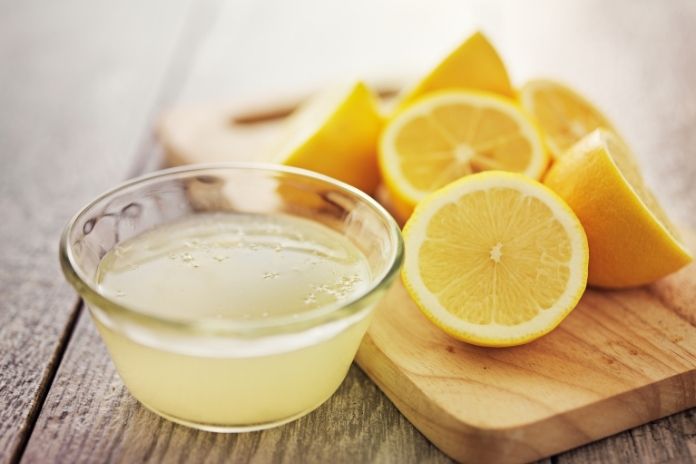
Lemon is a natural cleanser with antibacterial properties. It helps eliminate the buildup of harmful bacteria that causes an itchy scalp. The acidic nature of lemon juice also helps balance pH levels and provides relief from scalp dryness.
How to use:
- Massage lemon juice into your scalp (you can mix it with yogurt if you have sensitive skin)
- Leave it on for 5-10 minutes
- Rinse with a cup of water mixed with a teaspoon of lemon juice
- Repeat this process daily
6. Onion Juice for Itchy Scalp
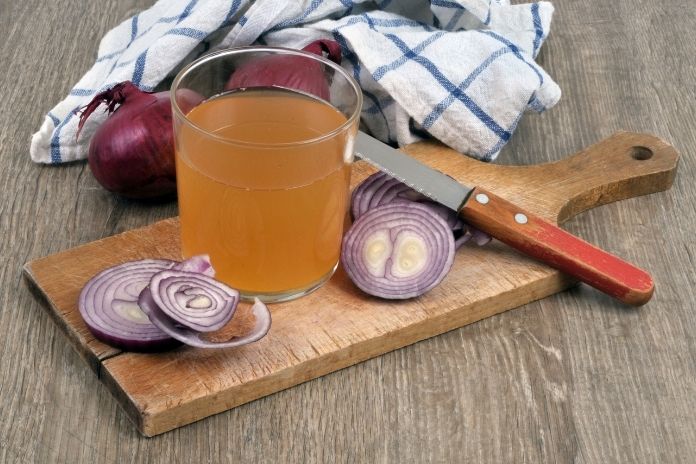
Onion juice contains important antibacterial and antifungal properties that provide relief from itchiness caused by ringworm or dandruff. Onion juice is also rich in vitamins B6 and C, along with potassium, magnesium, sulfur, and germanium, which provide proper nourishment to the scalp.
How to use:
- Extract juice from 1-2 onions by grating or blending them
- Apply this juice thoroughly to your scalp
- Leave it on for 20-30 minutes
- Wash it off with water or shampoo
Preventive Measures for Itchy Scalp and Hair Loss
Follow these preventive measures to prevent or reduce itchy scalp and hair loss:
- Switch your hair products every 3-4 months, as chemicals in hair products may accumulate on your hair or scalp with prolonged use
- Always choose organic, natural hair products that are free of chemicals and alcohol for better treatment and to avoid side effects
- Since infections often occur in moist environments, it’s essential to dry your hair properly after each wash to reduce the risk of fungal infections
- Brush your hair regularly to improve blood circulation, which can help maintain better scalp and hair health
- Drink plenty of water to keep your skin hydrated and prevent hair dryness
Read More: How To Treat A Dry Scalp: Home Remedies, Prevention Tips, and Treatments
Conclusion
Don’t let an itchy scalp control your life. With these natural remedies and preventive measures, you can take charge of your scalp health and find lasting relief. Remember, consistency is key – most natural treatments require regular use to see significant results.
Ready to start your journey to a healthier scalp? Begin with one of these gentle, natural remedies today and give your scalp the care it deserves. If symptoms persist or worsen, don’t hesitate to consult with a healthcare professional for personalized treatment options.
Frequently Asked Questions
Q: How long does it take for natural remedies to work on an itchy scalp?
A: Most natural remedies require 2-4 weeks of consistent use to show significant improvement. However, some people may notice relief within a few days of starting treatment.
Q: Can I use multiple natural remedies at the same time?
A: It’s generally safe to combine certain remedies, but it’s best to introduce one at a time to identify what works for you. Avoid using too many treatments simultaneously, as this could irritate sensitive skin.
Q: When should I see a doctor for my itchy scalp?
A: Consult a healthcare professional if your itchy scalp doesn’t improve within a few weeks, is accompanied by severe hair loss, causes intense pain, or if you develop pus-filled sores or signs of infection.
Q: Are there any side effects to using natural remedies?
A: While natural remedies are generally safe, some people may experience allergic reactions. Always do a patch test before applying any new remedy to your entire scalp, and dilute strong oils like tea tree oil before use.
Q: Can stress really cause an itchy scalp?
A: Yes, stress is a known trigger for seborrheic dermatitis and other scalp conditions. Managing stress through relaxation techniques, exercise, or counseling can help improve your scalp health.
Q: Is it okay to scratch my itchy scalp?
A: Scratching can worsen the condition by causing further irritation and potentially leading to secondary infections. Instead, try gently massaging your scalp or applying a cool compress for relief.
Q: Can diet affect scalp health?
A: Yes, a diet rich in omega-3 fatty acids, vitamins, and minerals can support overall scalp health. Stay hydrated and limit processed foods and excessive sugar, which may contribute to inflammation.
References
- https://www.mayoclinic.org/diseases-conditions/seborrheic-dermatitis/symptoms-causes/syc-20352710
- https://www.ncbi.nlm.nih.gov/books/NBK551707/
- https://www.ncbi.nlm.nih.gov/books/NBK532846/
- https://www.ncbi.nlm.nih.gov/pmc/articles/PMC1360273/
- https://pubmed.ncbi.nlm.nih.gov/9055360/
- https://www.mayoclinic.org/diseases-conditions/seborrheic-dermatitis/diagnosis-treatment/drc-20352714
- https://www.cdc.gov/parasites/lice/head/index.html
- https://www.mayoclinic.org/diseases-conditions/scalp-psoriasis/symptoms-causes/syc-20350957
- https://www.ncbi.nlm.nih.gov/pmc/articles/PMC2763764/
- https://pubmed.ncbi.nlm.nih.gov/18068865/
- https://www.ncbi.nlm.nih.gov/pmc/articles/PMC444260/
- https://pubmed.ncbi.nlm.nih.gov/15070175/
- https://pubmed.ncbi.nlm.nih.gov/18489300/
- https://www.ncbi.nlm.nih.gov/pmc/articles/PMC3875761/
- https://www.ncbi.nlm.nih.gov/pmc/articles/PMC4417560/
- https://www.ncbi.nlm.nih.gov/pmc/articles/PMC3892126/
- https://www.bannerhealth.com/healthcareblog/better-me/why-your-scalp-itches-and-how-to-stop-it
- https://doctors.bannerhealth.com/provider/trevor-thompson/452550
In this Article