











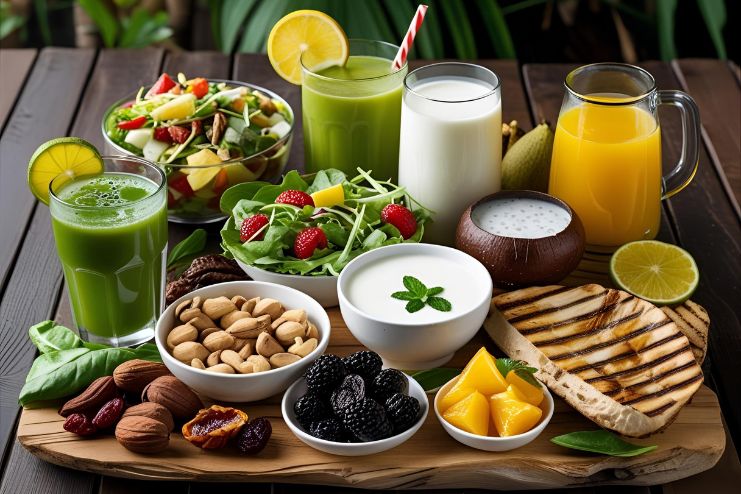
Did you know that even mild dehydration can impair your cognitive function by up to 12% and significantly drain your energy levels?
As summer temperatures soar, it becomes essential to protect yourself from heat-related hazards like overheating and dehydration. Studies have shown that even mild dehydration can impair cognitive function, leading to difficulties in concentration, memory, and mood, making proper nutrition crucial for maintaining peak performance during hot weather.
Maintaining your energy levels during this season is crucial for staying healthy and avoiding medical emergencies. Research shows that when the body becomes dehydrated and cannot cool itself effectively, internal temperature can rise to dangerously high levels. It’s also important to guard against sun damage and foodborne illnesses that are more common in warmer weather.
Experts and doctors recommend maintaining a balanced diet and staying hydrated to combat the summer heat. In conversation with Hindustan Times Lifestyle, Dr Pankaj Soni, Principal Director of Internal Medicine at Fortis Escorts Hospital, said, “Summer’s soaring temperatures can lead to rapid dehydration; water alone may not replenish lost electrolytes. Staying hydrated means balancing fluids and essential minerals.”
The key to thriving in summer lies in choosing the right foods to restore lost energy and provide essential nutrition. While many foods are available during summer months, selecting nutrient-dense options that work with your body’s needs will give you the best results. Here are 10 powerful foods that can help you maintain energy and stay healthy throughout the summer season.
1. Fresh Juices
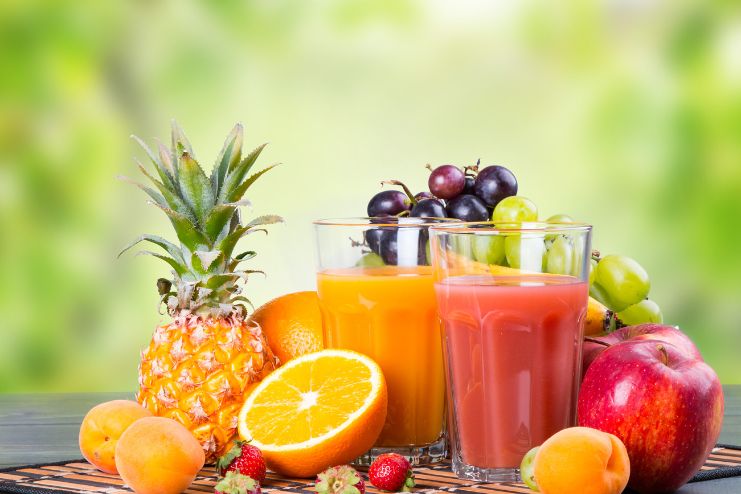
Fresh fruit juices have long been considered one of the best summer beverages. They not only prevent dehydration but also deliver concentrated nutrition directly to your system. Juices made from grapes, pomegranate, lemon, and watermelon help keep your body cool while strengthening your digestive system.
Carrot juice deserves special mention for its eye health benefits, as it helps keep your eyes cool and may prevent certain eye conditions. Additionally, fresh juices can protect your skin from sun damage and help maintain a healthy, radiant complexion. For best results, use honey instead of sugar as a natural sweetener.
2. Fresh Salads
Salads are incredibly convenient since they require no cooking and are packed with nutrition that your body especially craves during summer. Vegetable salads featuring cucumber, carrots, tomatoes, and onions are naturally low in fat while being high in antioxidants and water content. Research shows that consuming adequate amounts of antioxidant-rich vegetables helps improve immune system function and may help prevent diseases such as diabetes, obesity, and heart disease.
Eating a salad after lunch can be particularly beneficial because of its high fiber content, which aids digestion. The fiber also creates a feeling of fullness, leading to lower calorie consumption and reduced cholesterol levels throughout the day.
Read More: 8 Foods To Consume To Maintain Electrolyte Balance For A Healthier Lifestyle
3. Light Soups
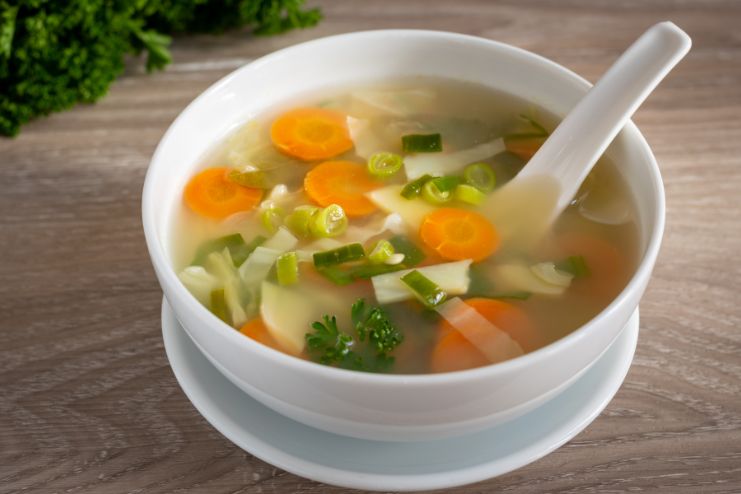
According to nutrition experts, soups are among the best low-calorie foods for summer. Interestingly, hot soups can actually help cool your body down by promoting sweating, while ingredients like mint and cilantro provide additional cooling effects.
A refreshing bowl of soup made with carrots, beans, onions, and various herbs can keep you energized and satisfied. Beyond their cooling properties, soups are extremely easy to digest, making them perfect for hot weather when your appetite might be lighter.
4. Buttermilk
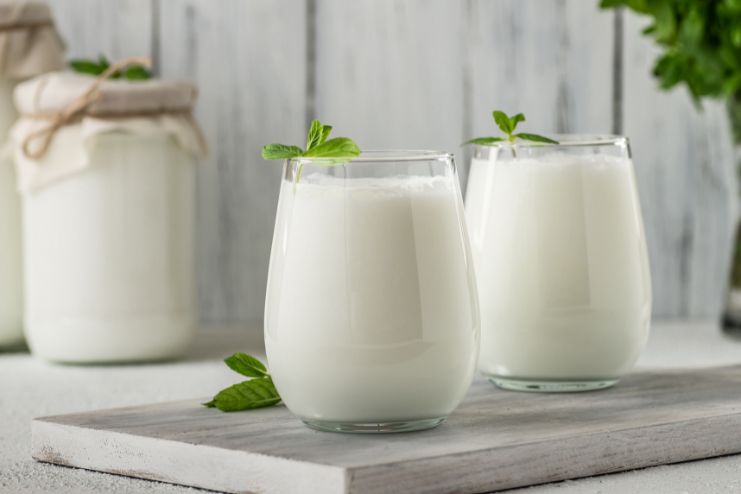
Choosing buttermilk over coffee or tea during summer can provide significant health benefits. This easily digestible beverage helps maintain your body’s cool temperature while delivering essential nutrients. Buttermilk is rich in vitamin C and has proven effective for addressing stomach issues like ulcers and indigestion.
Additionally, buttermilk can help protect your skin from summer heat damage, making it both an internal and external health supporter during the warmer months.
5. Coconut Water
Coconut water stands out as one of the purest natural beverages available and is particularly beneficial when consumed on an empty stomach. Drinking coconut water first thing in the morning helps protect vital organs like your lungs, kidneys, and eyes from excessive heat while supporting healthy blood circulation.
Research published in PMC demonstrates that coconut water contains significantly more potassium than most sports drinks. The natural sodium chloride content in coconut water aids in blood purification.
Studies show that the high potassium content helps keep fluid and electrolyte levels balanced, especially during exercise, and may even help lower blood pressure by balancing out sodium’s effects.
Read More: Refresh and Replenish: Foods That Help You Stay Hydrated All Day
6. Fresh Fruits
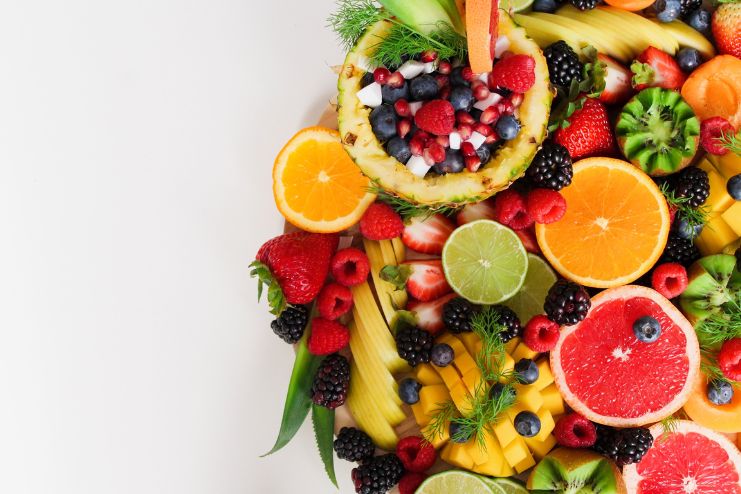
For instant summer energy, nothing beats fresh fruit. High in natural water content, fruits help balance your body’s hydration levels while providing superior nutrition through vitamins, carbohydrates, minerals, and healthy fatty acids. Fruits also help protect your body from excessive heat.
Another advantage of fruits is that they require minimal energy for digestion, leaving you with more energy for daily activities. Nutritionists often recommend eating fruits for dinner as they support overall body development and recovery.
7. Dried Fruits
Frozen grapes and dates are excellent dried fruit options that help restore lost nutrition while preventing various health issues. Dates are particularly beneficial, offering high levels of protein, fiber, calcium, iron, and vitamins that protect your skin and eyes from sun damage while supporting overall body development.
Frozen grapes are especially valuable for athletes, as they help combat fatigue caused by nutritional deficiencies. Both options are easy to digest and provide sustained energy.
8. Nuts
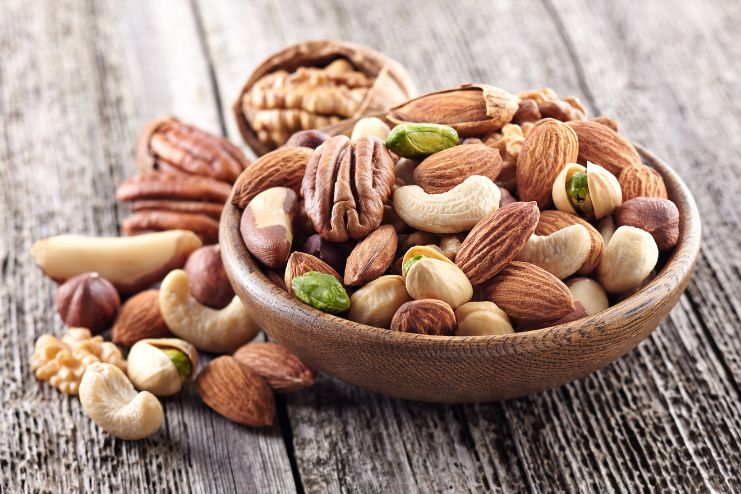
Nutritionists recommend nuts like cashews, pistachios, almonds, and walnuts for their ability to protect against various health conditions. While nuts are beneficial year-round, they’re particularly valuable during summer for preventing issues like nervous system disorders, skin dryness, and eye problems.
Beyond strengthening your nervous system and vision, nuts support heart health and maintain healthy skin during the challenging summer months.
9. Grilled Foods
Grilling is considered one of the healthiest cooking methods and provides nutritious lunch and dinner options for the whole family. Grilled vegetables, fish, and chicken are ideal summer foods that are easy to digest while helping you burn calories, potentially leading to weight loss.
When grilling, remember to use sauces and rubs that are less spicy and oily to help keep your body cool and comfortable during hot weather.
10. Water

Most importantly, water remains the single most crucial “food” for summer and year-round health. During summer, you lose significant amounts of water through sweating, making it essential to drink plenty of water to replace what’s lost and prevent dehydration.
Adequate water intake keeps you energized and healthy. Experts recommend choosing water and natural energy drinks over sodas, especially during summer workouts, to effectively replenish lost fluids and maintain optimal hydration.
Read More: 7 Effective Ways to Flush Excess Salt from Your Body for Better Health
These food options can significantly boost your summer energy levels while protecting your body from various heat-related health problems. By incorporating these nutritious choices into your daily routine, you’ll be better equipped to enjoy a healthy, energetic summer season.
Ready to transform your summer energy levels? Start by adding just one of these foods to your daily routine this week. Whether it’s starting your morning with fresh coconut water or enjoying a colorful, antioxidant-rich salad for lunch, small changes can lead to significant improvements in how you feel during the hot summer months. Your body will thank you for making these smart nutritional choices!
1References
- https://my.clevelandclinic.org/health/diseases/9013-dehydration
- https://www.hopkinsmedicine.org/health/conditions-and-diseases/dehydration-and-heat-stroke
- https://www.sciencedirect.com/science/article/pii/S1466856422000595
- https://pmc.ncbi.nlm.nih.gov/articles/PMC10534364/
- https://www.medicalnewstoday.com/articles/318394
In this Article