













Imagine finding relief from chronic pain, anxiety, or sleepless nights without relying solely on medications—millions of Americans are turning to an ancient practice that’s now backed by modern science. Acupuncture is a traditional Chinese medicine practice that has gained widespread acceptance in the United States and around the world.
According to the National Center for Complementary and Integrative Health (NCCIH), as one of the oldest forms of medical practice in human history, acupuncture has evolved from its conventional role of mediating stalled bodily functions and activating proper organ function to become a recognized complementary therapy for numerous health conditions.
Today, acupuncture offers significant health benefits for a wide range of conditions, including chronic pain, arthritis, anxiety, insomnia, asthma, epilepsy, tennis elbow, depression, migraines, nausea, obesity, and post-surgical pain.
Research published in NCBI studies shows this ancient practice has become an integral part of wellness and lifestyle improvement methods, particularly effective for chronic disorders that interfere with daily activities and may not respond well to conventional treatments.
Methods and Beliefs of Acupuncturists

Energy Flow and Meridians: Acupuncturists believe that energy called “Chi” (or “Qi”) flows within and around the body through pathways called meridians. When something blocks or unbalances this Chi, illness occurs. Acupuncture aims to unblock and influence the Chi, helping it return to its proper flow through the meridians.
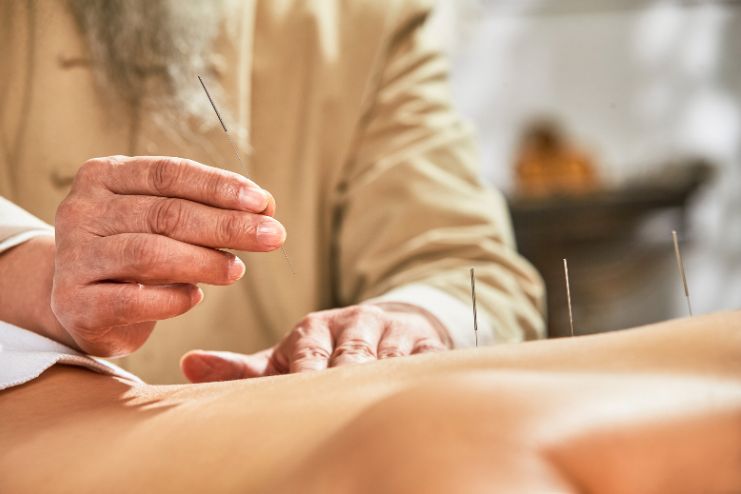
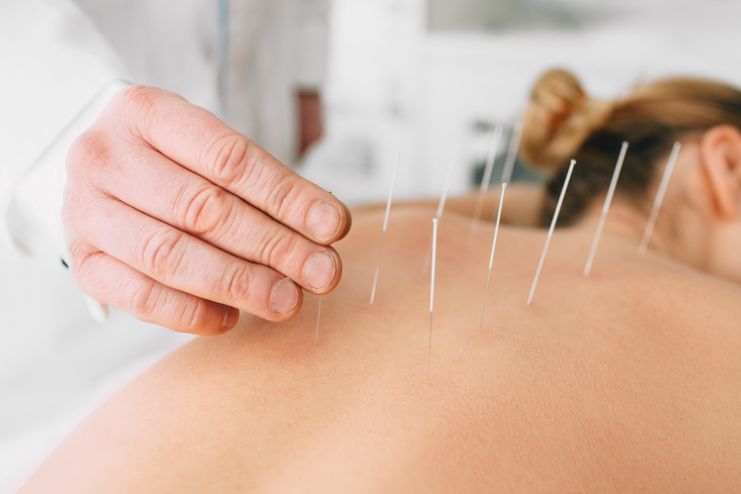
The Treatment Process: Acupuncture involves penetrating the skin with thin needles at specific points on the body. This stimulates certain nerve endings and provides relief from various ailments. Practitioners believe that inserting needles influences the energy flow at points where Chi may be blocked. Sometimes heat, pressure, or mild electrical currents are also applied to enhance the treatment.
Treatment Sessions: During a typical session, several needles are inserted at the same time based on the acupuncturist’s diagnosis. Some needles may be inserted deeper than others to restore Chi flow. The needles remain in place for 10-15 minutes, and the entire treatment usually lasts 45-60 minutes.
What to Expect: Patients typically feel slight pressure or itching during treatment, and the procedure is generally painless. The acupuncturist may gently manipulate the needles to reach precise points. If there’s slight soreness or numbness, practitioners believe this indicates that Chi has been accessed.
Integration with Conventional Medicine: While acupuncture provides considerable relief on its own, it may be used alongside other forms of treatment. The American Society of Anesthesiologists recognizes that acupuncture may be considered for treating nonspecific, noninflammatory low back pain in addition to conventional therapy.
In an interview with TeenVogue, Dr. Daniel N. Hsu, a renowned doctor of acupuncture and herbal medicine, explains the benefits of acupuncture. “Acupuncture helps the body produce its own naturally occurring painkillers and feel-good chemicals.” Dr. Hsu explains.
“Acupuncture also helps to calm down the nervous system. If you’re stressed, it helps to balance that stress without the use of pills, because pills don’t change your stress level; they change the chemical levels in your brain. Your body has the ability to do that naturally; it doesn’t need added chemicals — with acupuncture, your body can do that all on its own.”
Acupuncture Benefits for Health and Wellness
1. Reduces Headaches and Migraines

For patients with frequent chronic tension-type headaches, acupuncture serves as a valuable non-pharmacological treatment option. Research from PMC shows it has been proven to decrease both the frequency of headache episodes and reduce the pain intensity of each occurrence.
Read More: How to Get Rid of Headaches Behind Eyes
2. Neck Pain Relief
Neck pain represents one of the most well-documented conditions for which acupuncture proves effective. According to Mayo Clinic research, this reliable, painless treatment is free from side effects and helps relieve chronic neck pain that, if left untreated, can lead to muscle tension, soreness, and headaches.
3. Stress and Depression Management
Research suggests that acupuncture can effectively treat depression and stress within three months. Weekly acupuncture sessions for ongoing stress and depression, when continued consistently, help refresh neurotransmitters in the brain and relax both body and mind. The treatment calms the nervous system, making individuals better equipped to handle stress. Acupuncture has also shown promise in easing postpartum depression.
Read More: Top 10 Bach Flower Remedies for Stress and Anxiety Relief
4. Anxiety Treatment
Numerous studies demonstrate acupuncture’s effects on anxiety disorders, anxiety neurosis, and preoperative anxiety. Clinical trials have found a direct correlation between acupuncture and anxiety reduction. Continued treatments have also reduced the need for anxiety medications, making acupuncture far more beneficial than pharmaceutical options, which can cause side effects such as nausea, mood swings, and depression.
5. Insomnia and Sleep Improvement
Studies show that acupuncture increases the secretion of nocturnal melatonin, a hormone that aids in sleep induction. Within a few months, acupuncture has been shown to cure insomnia for many patients.
6. Fibromyalgia Treatment
Research has proven that fibromyalgia, a widespread condition affecting muscles and tissues, can be treated effectively with acupuncture, resulting in less soreness and tenderness. Since acupuncture alters brain chemistry, it helps reduce pain associated with fibromyalgia.
7. Menstrual Cramp Relief

Dysmenorrhea, the medical term for menstrual cramps, causes spasms in the lower abdomen and back that affect many women. Acupuncture has been shown to reduce both the frequency and intensity of monthly cramping episodes.
8. Arthritis Pain Management
While modern medicine often falls short in providing long-term relief for arthritis, studies demonstrate that acupuncture effectively helps relieve such pain. A specialized technique called Bee Venom Acupuncture (BVA), where bee venom is applied in addition to needles, has shown particular promise in reducing arthritis pain.
Read More: 18 Natural Muscle Relaxers – Bid Adieu to Muscle Pain and Cramps
9. Enhanced Chemotherapy Recovery

Acupuncture helps boost immunity and speeds recovery following chemotherapy treatments. Studies show that acupuncture enhances platelet counts and prevents the decrease of healthy cells after radiation therapy. Research also indicates that patients receiving acupuncture experience less pain from radiation treatments, improved quality of life, and decreased chemotherapy side effects.
10. Cognitive Decline Prevention
Studies suggest new insights into acupuncture’s effectiveness for Parkinson’s disease. Acupuncture generates neural responses in brain areas like the putamen and thalamus, which are affected by Parkinson’s disease.
11. Asthma Treatment

Asthma involves inflammation of the airways carrying air to the lungs, resulting in episodes of wheezing, coughing, and difficulty breathing. Acupuncture is believed to provide relief for severe asthma-related problems by unblocking Chi flow.
12. Nausea and Vomiting Relief
Acupuncture can effectively treat nausea and vomiting regardless of the underlying cause, whether from pregnancy, arthritis medications, migraines, or other conditions.
13. Support During Delivery and Menopause
Delivery and menopause represent critical times for hormonal imbalance in women’s biological systems. Acupuncture helps balance hormones and reduce muscular tension while alleviating mental stress. These benefits help ease pain and body imbalance during delivery and menopause, and reduce the frequency and severity of hot flashes during hormonal fluctuations.
14. Weight Management
Acupuncture unblocks energy flow in the body, facilitating smooth metabolic activity. It also improves system functions, which can help address obesity.
15. Additional Benefits
Studies have shown that acupuncture helps relieve acute and chronic pain and prevents nervous system issues. It has also proven beneficial for drug rehabilitation, dental pain, and myofascial pain conditions.
Lifestyle and Wellness Benefits

Acupuncture offers numerous lifestyle and wellness advantages:
- Enhanced Happiness: By reducing stress and depression, acupuncture helps improve overall well-being and happiness levels.
- Better Sleep Quality: Treatment for insomnia leads to proper sleep patterns, keeping the mind refreshed and revitalized.
- Mood Stabilization: By keeping chronic pain from migraines and headaches at bay, acupuncture prevents mood swings and temperament issues.
- System Rejuvenation: By clearing energy blocks in the body, acupuncture helps rejuvenate the entire system and promotes mental peace and wellness.
- Psychological Health: Many female hormonal imbalance problems are more psychologically aggravating than physiologically harmful. Acupuncture helps contain these issues, maintaining psychological health.
Safety Guidelines and Considerations
Acupuncture is a relatively safe treatment when performed correctly:
- Minimal Side Effects: There are very few side effects associated with acupuncture when performed properly.
- Certified Practitioners: Acupuncture must be performed by a certified acupuncturist with a valid license to practice.
- Sterile Equipment: Needles must be sterile and used only once to prevent infection.
- Safety Standards: While severe adverse effects from acupuncture are extremely rare, practitioners must maintain proper safety and training standards to avoid complications.
Conclusion
This comprehensive overview of acupuncture benefits for health and wellness highlights the diverse advantages this traditional Chinese medicine practice offers. While chronic pain and inflammation often prove difficult to cure through conventional medical approaches, multiple studies published in PMC demonstrate that acupuncture helps ease and reduce the impact of these ailments.
Additionally, acupuncture works well in conjunction with other forms of medicine, serving as an aid to improve the effects of prescription drugs and surgical treatments. As a safe and stress-free treatment option, it helps reduce trauma that might otherwise cause more severe complications.
Ready to explore acupuncture for your health concerns? Take the first step toward natural healing by consulting with a licensed acupuncturist in your area. Many insurance plans now cover acupuncture treatments, and the growing body of scientific evidence continues to support its effectiveness for numerous conditions.
Important Note: Always consult with your healthcare provider before beginning acupuncture treatment. Do not proceed without proper medical supervision, and discuss specific details with qualified healthcare professionals.
Frequently Asked Questions (FAQ)
Q: How many acupuncture sessions will I need to see results? A: The number of sessions varies depending on your condition and individual response. According to research data, most chronic pain studies show sessions lasting 20-30 minutes, with patients typically beginning treatment courses of 8-12 sessions. Some people notice improvements after just a few sessions, while others may need ongoing treatment for optimal results.
Q: Does acupuncture hurt? A: Most patients experience minimal discomfort during acupuncture. The needles used are extremely thin—much thinner than medical injection needles. You may feel a slight pinch when the needle is inserted, followed by a dull ache, tingling, or warmth, which practitioners call “de qi” and consider a positive sign that the treatment is working.
Q: Is acupuncture safe? A: When performed by a licensed, trained acupuncturist using sterile, single-use needles, acupuncture is very safe. NCCIH research confirms that serious adverse events are extremely rare. The most common side effects are minor and may include slight bleeding, bruising, or soreness at needle sites.
Q: What conditions does acupuncture treat most effectively? A: According to systematic reviews, acupuncture has the strongest evidence for treating chronic pain conditions, including back pain, neck pain, osteoarthritis, and headaches. It’s also effective for anxiety, depression, insomnia, nausea, and certain aspects of chemotherapy recovery.
Q: Will my insurance cover acupuncture? A: Many insurance plans now cover acupuncture, especially when used to treat chronic pain conditions. Coverage varies by provider and plan, so check with your insurance company about your specific benefits. Medicare covers acupuncture for chronic low back pain under certain conditions.
Q: How should I prepare for my first acupuncture session? A: Wear loose, comfortable clothing that allows easy access to acupuncture points. Eat a light meal beforehand (don’t come on an empty stomach), avoid alcohol and caffeine before treatment, and arrive a few minutes early to complete paperwork and discuss your health history with the practitioner.
Q: Can acupuncture be combined with other treatments? A: Yes, acupuncture is often used as a complementary therapy alongside conventional medical treatments. Mayo Clinic specialists frequently integrate acupuncture into comprehensive treatment plans. Always inform both your acupuncturist and physician about all treatments you’re receiving.
Q: How do I find a qualified acupuncturist? A: Look for practitioners who are licensed in your state and certified by the National Certification Commission for Acupuncture and Oriental Medicine (NCCAOM). Many hospitals and medical centers, including Mayo Clinic, now offer acupuncture services with qualified practitioners.
References
- https://www.nccih.nih.gov/health/acupuncture-in-depth
- https://www.ncbi.nlm.nih.gov/books/NBK532287/
- https://pmc.ncbi.nlm.nih.gov/articles/PMC5927830/
- https://www.mayoclinic.org/tests-procedures/acupuncture/about/pac-20392763
- https://pmc.ncbi.nlm.nih.gov/articles/PMC9434305/
- https://pmc.ncbi.nlm.nih.gov/articles/PMC7023333/
- https://www.mayoclinic.org/tests-procedures/acupuncture/care-at-mayo-clinic/pcc-20392770
In this Article