

















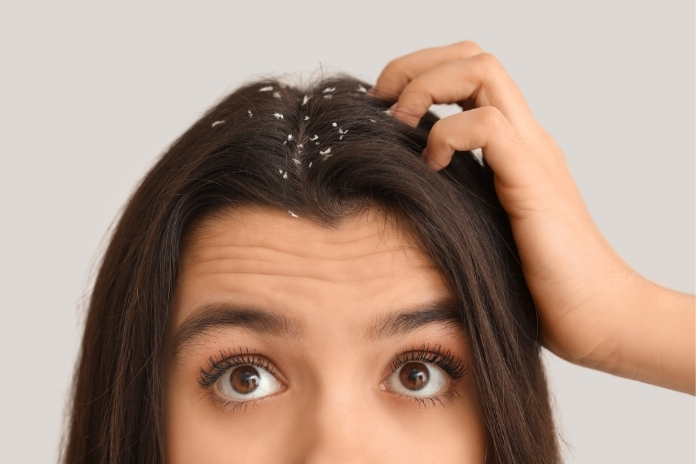
Dandruff is one of the most common scalp conditions worldwide, and it can often feel like a constant struggle. The white flakes, itching, and redness can embarrass and make you feel self-conscious.
While over-the-counter shampoos can offer short-term relief, many individuals prefer to turn to tried-and-true natural remedies that treat the underlying causes of dandruff. These can include fungal overgrowth, dryness, or excessive oil production, all without the use of chemicals.
The silver lining: Your kitchen and garden are already stocked with a few magical ingredients that can restore scalp balance and fight dandruff naturally. From antifungal herbs to calming plant gels, these eight home remedies are the best of modern and traditional worlds.
According to Caroline Robinson, MD, FAAD, a board-certified medical and cosmetic dermatologist, there are several causes for dandruff. “While we do not completely understand all of the causes of dandruff, we do know that the oils on our skin [sebum], a friendly yeast that lives there [Malassezia], and our sensitivity to the interaction between the two can all play a role in how likely we are to get dandruff,” she explains. “Areas of high sebum production, such as the scalp, parts of the face, and the center of the chest, are the most common areas where we see dandruff,” she says.
8 Best Home Remedies For Dandruff And Flaking
Here are a few remedies you can try to fight or prevent dandruff from coming back:
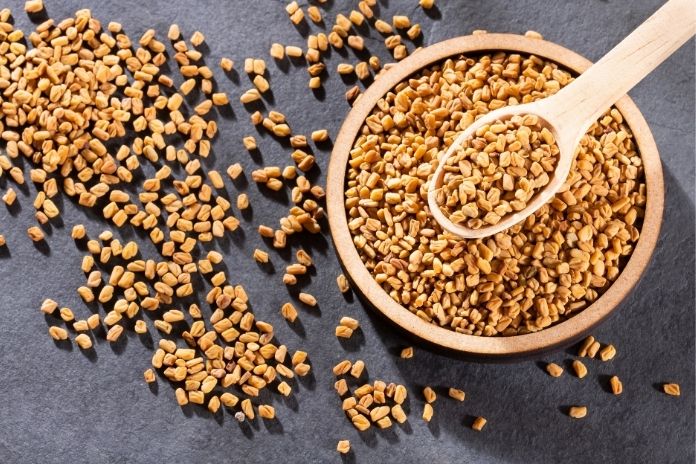
11. Fenugreek Seeds for Dandruff
Why it Works:
Fenugreek seeds are loaded with protein and nicotinic acid, which fortify hair roots and inhibit scalp irritation. They also have natural antifungal agents that suppress the growth of Malassezia, the yeast-like fungus most commonly associated with dandruff. Their cooling action soothes itch and inflammation.
How to Use:
- Soak 2–3 tablespoons of fenugreek seeds in water overnight.
- Grind into a smooth paste the following morning.
- Use evenly over the scalp, concentrating on itchy or flaky spots.
- Leave on for 30–40 minutes and then wash out with a gentle shampoo.
- Use twice a week for maximum benefits.
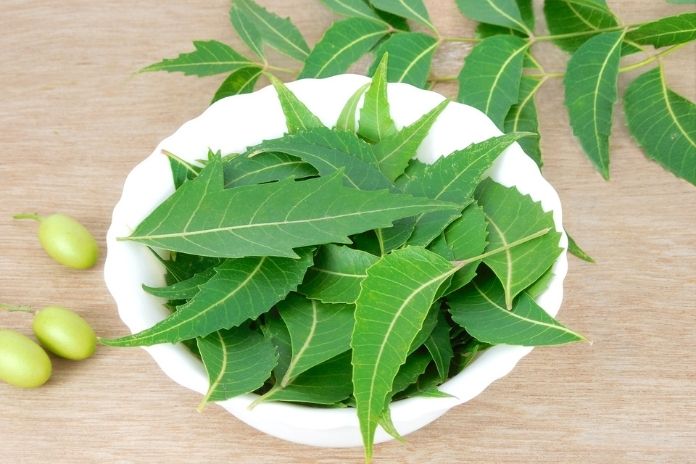
22. Neem Leaves for Dandruff
Why it Works:
Neem is an age-old Ayurvedic remedy for scalp infections. It contains powerful antifungal, antibacterial, and anti-inflammatory properties that fight dandruff-causing microbes. It also helps calm redness and inflammation. It also regulates excess scalp oil, a primary cause of flakes.
How to Use:
- Boil a few neem leaves in 2 cups of water until the water is green in color.
- Cool and use this decoction as a final rinse after shampooing.
- Or grind fresh neem leaves into a paste and use as a scalp mask.
- Use 2–3 times a week.
Read More: How to Make Your Own Ayurvedic Hair Mask for Dry Scalp and Split Ends
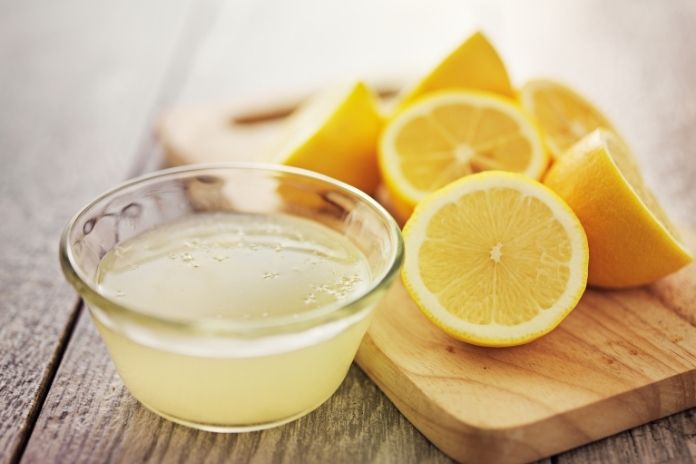
33. Lemon Juice for Dandruff
How it Works:
Lemon juice balances the natural pH of the scalp, which makes it less prone to fungal growth. Its citric acid properties act as a natural astringent, regulating excess oil and breaking down the buildup that causes flakes. Vitamin C also feeds the scalp and helps give healthier hair.
How to Use:
- Squeeze fresh lemon juice and apply it directly to the scalp using cotton.
- Leave on for 10–15 minutes and then rinse with lukewarm water.
- Mix with coconut oil if you have a sensitive or dry scalp to avoid irritation.
- Use once or twice a week, not more, to avoid dryness.
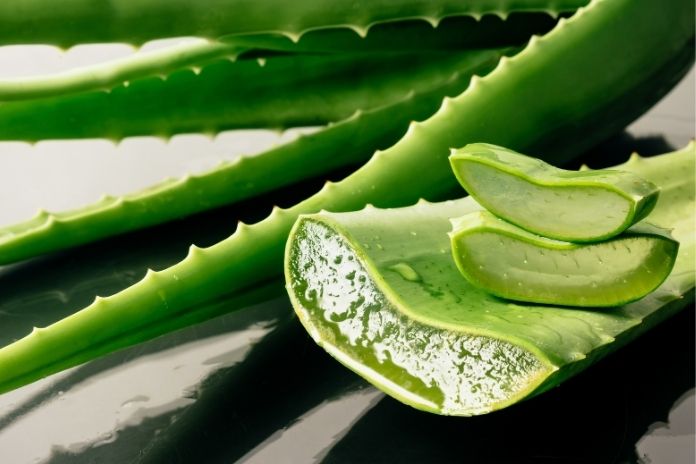
44. Aloe Vera for Dandruff
Why it Works:
Aloe vera gel is full of enzymes that gently remove dead skin without irritating the scalp while hydrating the scalp. Aloe vera has anti-inflammatory properties that calm itching and redness, and antimicrobial ingredients that battle fungal and bacterial growth. It’s suitable for all scalp types, even sensitive skin.
How to Use:
- Scoop out fresh aloe vera gel from a leaf.
- Massage onto scalp in circular motions.
- Leave it on for 30 minutes to 1 hour.
- Rinse off with mild shampoo.
- Repeat 2–3 times weekly for long-term results.
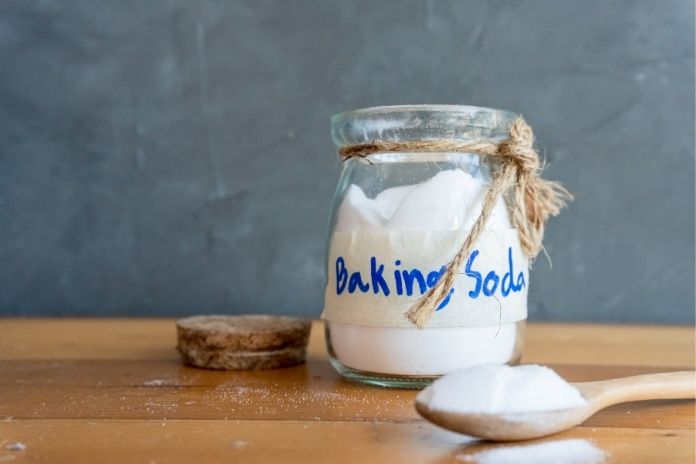
55. Baking Soda for Dandruff
How it Works:
Baking soda is a gentle exfoliant that removes dead skin cells and fights flakiness. It possesses antifungal properties that inhibit yeast growth, which can lead to dandruff. Its alkaline quality temporarily balances the scalp’s pH, reducing irritation.
How to Use:
- Combine 2 tablespoons of baking soda with enough water to create a paste.
- Massage gently into the scalp and massage for 1–2 minutes.
- Leave on for 5–10 minutes and wash out with water.
- Do it once a week to avoid drying out the scalp.
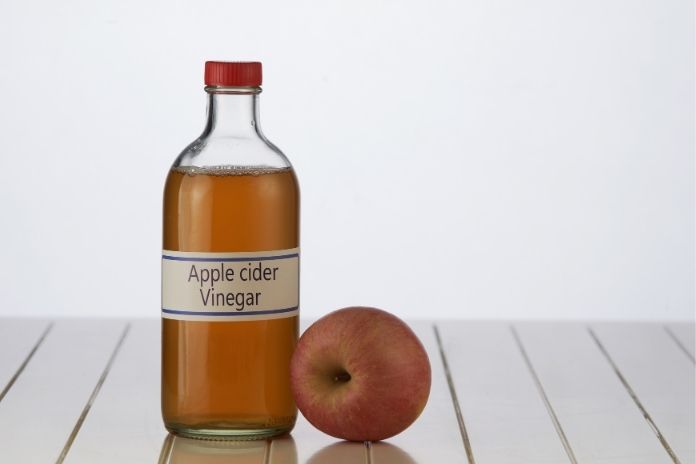
66. Apple Cider Vinegar (ACV) for Dandruff
Why it Works:
Apple Cider Vinegar (ACV) restores the scalp’s natural pH balance and is an effective antimicrobial treatment. It strips product buildup, lessens excess oil, and prevents fungal growth. Natural acids present in ACV also unclog hair follicles, promoting better scalp health.
How to Use:
- Combine equal parts raw apple cider vinegar and water.
- Pour over the scalp after shampooing, rubbing gently.
- Leave on for 10–15 minutes and then rinse.
- Apply 1–2 times a week.
Read More: Flaxseed Gel for Hair: Benefits, How to Make It, and How to Use It
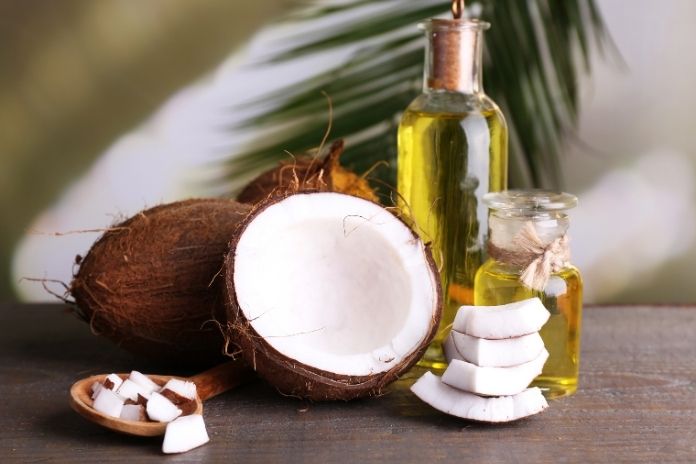
77. Coconut Oil for Dandruff
Why it Works:
Coconut oil is richly moisturizing, so it’s perfect for dry scalp dandruff. It’s rich in lauric acid, with antifungal and antibacterial properties. Regular use of coconut oil hydrates the scalp, soothes itch, and fortifies the skin barrier against irritation.
How to Use:
- Heat 2–3 tablespoons of virgin coconut oil.
- Massage into scalp using your fingertips.
- Leave for at least 1 hour, or overnight for longer conditioning.
- Rinse out with a gentle shampoo.
- Do twice weekly.
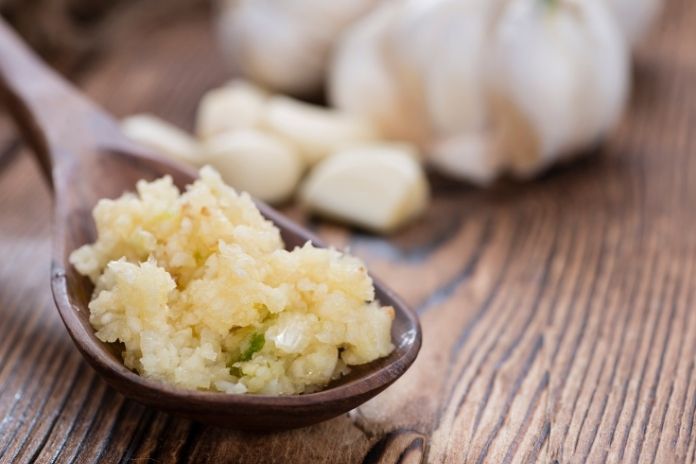
88. Garlic for Dandruff
How it Works:
Garlic is rich in allicin, a strong antifungal and antibacterial agent. It destroys scalp microorganisms responsible for dandruff and stimulates blood flow to the scalp. Daily use minimizes itching, scaling, and flakiness.
How to Use:
- Mash 3–4 cloves of garlic and blend with 2 tbsp warm coconut or olive oil.
- Massage onto the scalp and leave for 20–30 minutes.
- Shampoo off thoroughly to eliminate the odor.
- Use once a week.
General Tips to Avoid and Treat Dandruff Naturally
Although home remedies may treat dandruff, changing hair care and lifestyle is also crucial. These general tips not only help maintain a healthier scalp but also lower the chances of flare-ups.
- Have a Regular Hair-Shampooing Schedule:
Washing your hair regularly, perhaps 2–3 times a week, removes excess oil, dirt, and dead skin cells that settle on the scalp. Over-washing removes natural oils from the scalp, leading to dryness, while under-washing allows buildup that feeds the dandruff-causing fungus. Finding the right balance for your scalp is crucial.
- Select a Mild, Sulfate-Free Shampoo:
Harsh sulfated or strongly fragranced shampoos can irritate the scalp and worsen flaking. Instead, choose a gentle, sulfate-free cleanser that won’t over-dry. If sensitive skin is a concern, opt for products containing soothing agents like aloe vera, tea tree oil, or oatmeal.
- Don’t Overuse Styling Products:
Hair sprays, waxes, and gels can deposit residues that accumulate on the scalp and provide a place where dandruff can develop. Occasional use is okay, but try not to make them a daily thing. When you do have to use styling products, make sure you shampoo thoroughly.
- Control Stress Levels:
Stress itself does not create dandruff, but it can impair your immune system and render your scalp more susceptible to Malassezia yeast. Opting for simple stress-reduction methods such as yoga, meditation, deep breathing, or even a daily walk can benefit your scalp’s health over time.
- Follow a Balanced, Nutrient-Dense Diet:
Your diet directly affects your skin and scalp health. Incorporate foods that are high in:
- Zinc and selenium (pumpkin seeds, nuts, whole grains) to control oil production and fungal balance.
- Omega-3 fatty acids (flaxseeds, chia seeds, fatty fish) to decrease inflammation and dryness.
- B vitamins (eggs, leafy greens, legumes) help with healthy skin cell turnover.
- Probiotic foods (yogurt, kefir, sauerkraut) to maintain gut health, which indirectly aids skin balance.
- Keep the Scalp Moisturized:
Dry scalp may be a mimic or an aggravation of dandruff. Gently rubbing natural oils, such as coconut oil or olive oil, into your scalp weekly will help keep it moisturized and flake-free. Don’t leave heavy oils on for extended periods of time because they will pick up dirt.
- Reduce Heat Styling:
Regularly blow-drying, straightening, or curling hair can dry out the scalp, leading to flakes and irritation. If heat tools are a necessity, use them at a lower intensity and always apply a heat protectant spray.
- Wash Hair After Sweating:
Sweat may combine with sebum (natural hair oil) and promote the growth of fungi that initiate dandruff. If you exercise or are located in a hot environment, wash or rinse your hair after excessive sweating to ensure scalp cleanliness.
- Ensure Proper Sunlight Exposure:
Moderate sun exposure (10–15 minutes a day) keeps the scalp’s oil production in check and can even reduce fungal growth naturally. Just ensure not to over-expose yourself, as UV light causes damage to the scalp as well as hair.
- Do Not Share Hair Brushes and Towels:
Dandruff is not contagious per se, yet fungal infections and scalp irritations can spread via shared brushes, combs, or towels. Always use your own hair accessories and clean them on a regular basis.
Read More: The Ultimate Guide to Scalp Detoxing: Why and How to Do It
9Final Thoughts
Dandruff doesn’t have to be a constant aggravation despite its prevalence. Natural remedies such as fenugreek, neem, aloe vera, and coconut oil treat the underlying cause. This might include fungal growth, dryness, or excess oil, without the adverse effects of harsh treatments.
Consistency is everything: most treatments need to be applied regularly for a few weeks before the effects become apparent. If dandruff lingers despite home treatment, or if you have extreme itching, redness, or hair loss, then it is best to seek advice from a dermatologist.
With the proper natural methodology, you can rebalance your scalp, minimize flakes, and once again feel confident about your hair health.
-
Mar 2017Written by Pradeepa Polineni
-
Sep 2025Updated by Vaishnavi
In this Article