














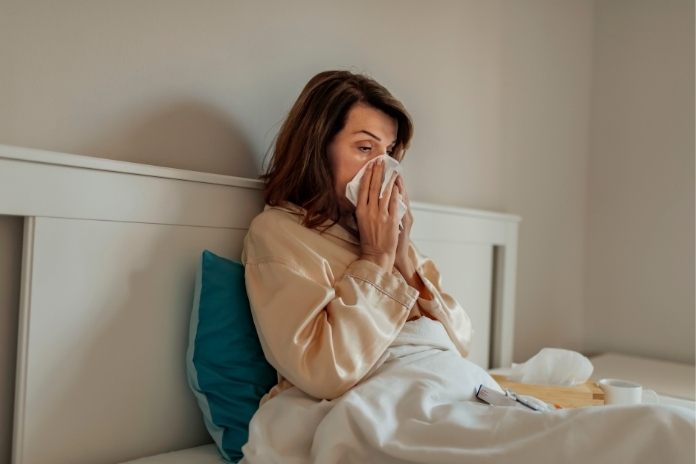
Recurrent infections can leave anyone feeling exhausted and frustrated, especially when they disrupt work, sleep, and daily routines despite best efforts to stay healthy.
While they don’t always indicate a true immune deficiency, they frequently point to lifestyle factors like poor sleep, chronic stress, gut imbalances, nutrient gaps, overtraining, weak barriers, rhythm disruptions, and environmental triggers straining natural defenses.
This article outlines eight evidence-based strategies to rebuild resilience through consistent habits in these areas, always alongside professional medical guidance.
1. Fix The Sleep-Immunity Disconnect

Poor sleep impairs immune cell function by reducing cytokine production needed to fight invaders, leaving the body more vulnerable to pathogens. Studies show short-term sleep debt of under six hours raises infection risk by 25%, while over nine hours correlates with a 44% higher risk compared to seven to eight hours of consistent rest.
Sleep regulates T-cell activity and antibody responses, which falter without steady recovery periods.
During deep sleep stages, the body ramps up production of protective proteins and replenishes energy stores in immune cells. Chronic disruption compounds this by elevating inflammatory markers that weaken overall defenses over time. Without addressing sleep first, other immune efforts fall short.
Practical steps include the following:
- Set consistent bedtimes and wake times, even on weekends, aiming for 7-9 hours nightly.
- Create a wind-down routine free of screens one hour before bed to boost melatonin.
- Keep bedrooms cool at 60 to 67 degrees Fahrenheit to align natural rhythms.
These habits restore the repair cycles that keep infections at bay long-term.
Read More: 7 Ways You Could Be Weakening Your Immune System
2. Reduce Chronic Stress Suppression

Chronic stress elevates cortisol, which suppresses T-cells and B-cells essential for pathogen detection, mimicking immune weakness even in healthy individuals. Prolonged exposure shifts the body into a state that favors widespread inflammation over targeted immune defense, increasing the risk of recurring infections.
Emotional pressures like work demands compound this by disrupting the HPA axis, the body’s central stress-immune regulator. Over weeks, this creates a feedback loop where stress delays healing and invites more infections.
Cortisol peaks blunt the vigilance of natural killer cells, patrolling for threats. Breaking this cycle requires daily practices that signal safety to the nervous system.
Build Resilience With These Habits:
- Practice four-seven-eight breathing daily: inhale for four counts, hold seven, exhale eight.
- Engage in 10-15 minute nature walks to reduce inflammatory markers.
- Journal three gratitudes nightly to rewire stress responses.
Consistency turns these into automatic buffers against immune drain.
3. Address Gut Health Defense

The gut houses 70 percent of immune cells, where microbiota train defenses against invaders and produce short-chain fatty acids that strengthen intestinal barriers. Imbalances from antibiotics disrupt this balance, allowing pathogens to thrive unchecked.
Repeated courses wipe out diverse strains, leading to leaky gut that spills toxins into the bloodstream and sparks systemic inflammation tied to frequent infections. A healthy microbiome educates immune cells to distinguish friend from enemy, thereby preventing overreactions.
Poor diversity also hampers antibody production in the gut-associated lymphoid tissue. Rebuilding starts with feeding the right bacteria through everyday foods.
Support Balance Through Food:
- Eat fiber-rich options like oats, berries, and garlic to feed good bacteria.
- Add fermented foods such as plain yogurt or sauerkraut daily.
- Cut processed sugars that harm helpful microbes.
These choices foster a thriving ecosystem that bolsters whole-body immunity within months.
Read More: Belly Fat Affects Your Immune System, New Study Suggests
4. Correct Nutrient Gaps Resistance

Deficiencies in zinc, vitamin D, vitamin C, and iron weaken white blood cell function and antibody production, common in recurrent cases beyond just diet alone. These gaps often arise from absorption issues or hidden inflammation rather than low intake, amplifying infection cycles.
Zinc supports over 300 enzymes crucial for immune signaling, while vitamin D activates antimicrobial peptides in skin and lungs. Vitamin C enhances neutrophil mobility to infection sites, and iron fuels pathogen-killing enzymes.
Immune Support
Key Nutrients for Immune Resistance
| Nutrient | Role in Immunity | Food Sources |
|---|---|---|
| Zinc | Supports T-cell growth | Meats, seeds, nuts |
| Vitamin D | Enhances antimicrobial peptides | Fatty fish, fortified milk |
| Vitamin C | Boosts neutrophil mobility | Citrus, bell peppers |
| Iron | Aids enzyme function | Beans, red meat |
Subtle shortfalls accumulate, especially in busy lifestyles, reducing resilience. Whole foods deliver these in bioavailable forms alongside cofactors that aid uptake. Prioritize whole foods and track intake via simple meal logs for steady gains.
5. Stop Immune Burnout Overtraining

Moderate exercise bolsters immunity through better circulation and lymph flow, but overtraining triggers cytokine storms and oxidative stress that suppress defenses, similar to overtraining syndrome. Signs include persistent fatigue, elevated resting heart rate, or stalled performance, signaling recovery deficits that mimic chronic infection patterns.
Intense sessions without rest deplete glutamine, a fuel for immune cells, while spiking cortisol mimics stress effects. Athletes and fitness enthusiasts often overlook this threshold, leading to prolonged vulnerability. Balancing load with recovery rebuilds stockpiles and prevents breakdown.
Protect Function With Balance
- Schedule two full rest days weekly, using yoga or walks for active recovery.
- Watch for mood dips or sleep issues as early warnings.
- Refuel post-exercise with carbs and protein.
This approach sustains gains without immune cost.
Read More: Here’s How Gliotoxin Can Cripple the Immune System, New Study Suggests
6. Improve Barrier Line Defense

Nasal, oral, and skin barriers form the first line against pathogens by trapping invaders in mucus and shedding them via ciliary action. Dryness or irritation compromises this layer, allowing easy entry. Low humidity below 40 percent impairs mucociliary clearance, while mouth-breathing or harsh soaps erode protective oils.
Indoor environments often exacerbate this, drying mucosa and cracking skin entry points. Healthy barriers reduce viral load reaching deeper tissues, cutting infection frequency. Gentle maintenance enhances their natural antimicrobial properties.
Maintain Them Simply
- Use daily saline nasal rinses to hydrate passages.
- Target 40 to 60 percent indoor humidity with humidifiers.
- Stay hydrated and apply fragrance-free moisturizers.
These routines fortify frontline protection effortlessly.
7. Support Immune Timing Rhythm

Circadian rhythms orchestrate immune signaling, with leukocytes peaking nocturnally and cytokines following rhythmic patterns to optimize defense timing. Disruptions like shift work or late nights inflate inflammation and infection odds by misaligning cell trafficking.
The suprachiasmatic nucleus in the brain syncs these waves to light and meals, influencing gene expression in immune tissues. Irregularity dulls nocturnal repair and daytime vigilance. Aligning habits amplifies peak performance without added effort.
Align Daily Patterns
- Finish meals by 7 PM and dim lights post-sunset.
- Get morning sunlight walks to sync internal clocks.
- Maintain consistent routines for T-cell support.
Rhythm harmony elevates baseline immunity.
Read More: Autoimmune-Friendly Supplements to Support Immune Regulation (Without Overstimulating It)
8. Limit Environmental Susceptibility
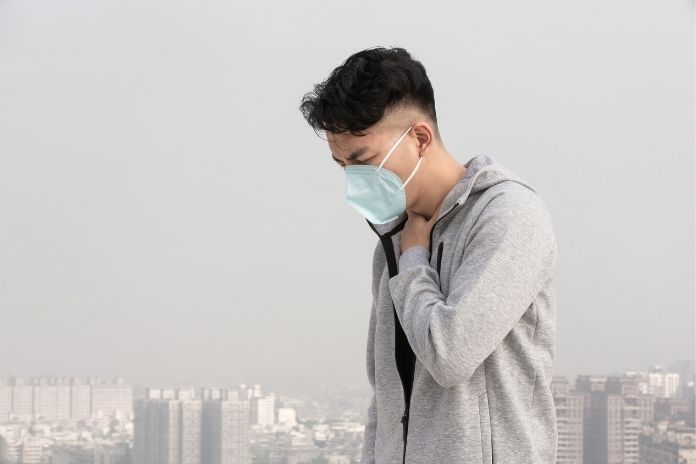
Poor air quality irritates airways with particulates that inflame mucosa, while indoor dryness under 40 percent relative humidity prolongs virus survival on surfaces and dries protective linings, spiking flu risks. Common household pollutants and low moisture compound recurrent patterns by weakening first-line defenses.
Viruses thrive in such conditions, lingering longer and infecting more easily. Simple tweaks cut exposure and support mucosal integrity.
Reduce Exposure
- Use HEPA filters and ventilate regularly.
- Add houseplants like snake plants for natural purification.
- Avoid chemical cleaners during high-risk seasons.
These changes create a less hostile immune environment.
Know When Natural Isn’t Enough
Natural strategies shine brightest when paired with timely medical evaluation for red flags signaling deeper issues. Seek specialist input for infections needing repeated antibiotics, poor wound healing, severe fatigue persisting beyond rest, or frequent sinus, lung, or ear episodes.
Recurrent UTIs, defined as two in six months or three times yearly, may stem from persistent bacterial sources like stones or prostatitis. Sepsis episodes or immune-compromised states such as diabetes or chemotherapy demand urgent cultures, imaging, or bloodwork to rule out abscesses or deficiencies.
The more recurrent infections occur, the higher the risk for serious chronic diseases. You should not delay evaluation and complement lifestyle habits with professional care.
“If the gut is not optimized, those nutrients aren’t going to get absorbed and assimilated, and they’re not going to get to the brain and the immune system and all the other parts of the body,” says Dr. Robynne Chutkan, a gastroenterologist.
Key Takeaways Summary
Immune strength develops through consistent lifestyle changes over weeks and months, not quick fixes. Prioritize sustainable habits like regular sleep cycles and balanced nutrition for enduring protection.
Combine nutrition for recovery, stress reduction for balance, and rhythm alignment for optimal timing. Holistic approaches outperform isolated efforts by creating synergy across body systems.
Natural methods enhance professional evaluation rather than replace it. Consult doctors promptly for red flags such as repeated antibiotics or unexplained fatigue to address root causes.
Read More: Immune-Boosting Citrus Salad: Spinach, Berries, and Almonds Galore
References
- Davison, G., Kehaya, C., & Jones, A. W. (2016). Nutritional and physical activity interventions to improve immunity. American Journal of Lifestyle Medicine, 10(3), 152–169.
- Monye, I. (2020). Strengthening immunity through healthy lifestyle practices: Recommendations for lifestyle interventions in the management of COVID-19. Immunology Research Journal, 3(1), 1–10.
- Munteanu, C., & Munteanu, A. (2022). The relationship between nutrition and the immune system. Frontiers in Nutrition, 9, Article 1082500.
- Besedovsky, L., Lange, T., & Haack, M. (2024). The relationship between sleep and innate immunity. Frontiers in Neuroscience, 18, Article 1357640.
- Alotiby, A. S., Alharbi, A. A., Alghamdi, A. A., Alharbi, A. A., & Alghamdi, A. A. (2024). Immunology of stress: A review article. Cureus, 16(10), e72234.
- King, D. E., Ellis, T. J., Everett, C. J., & Mainous, A. G., III. (2008). Sleep and immune function. Progress in Cardiovascular Nursing, 23(4), 171–175.
- Hao, Q., Dong, B. R., & Wu, T. (2015). Probiotics for preventing acute upper respiratory tract infections. Cochrane Database of Systematic Reviews, 2, CD006895.
- Martineau, A. R., Jolliffe, D. A., Hooper, R. L., Greenberg, L., Aloia, J. F., Bergman, P., Dubnov-Raz, G., Gill, D., Ginde, A. A., Goodall, E. C., Grant, C. C., Griffiths, C. J., Janssens, W., Jolliffe, T. D., Joyce, I., Lewy, H., MacLaughlin, J., Muscogiuri, G., Nimitphong, H., … Bhattacharya, S. (2017). Vitamin D supplementation to prevent acute respiratory tract infections: Systematic review and meta-analysis of individual participant data. BMJ, 356, i6583.
- Liu, P. T., Stenger, S., Li, H., Wenzel, L., Tan, B. H., Krutzik, S. R., Ochoa, M. T., Schauber, J., Wu, K., Meinken, C., Kamen, D. L., Wagner, M., Bals, R., Steinmeyer, A., Zugel, U., & Gallo, R. L. (2007). Toll-like receptor triggering of a vitamin D-mediated human antimicrobial response. Science, 311(5768), 1770–1773.
- Zhang, R., & Zhu, W. (2022). Review on the effect of exercise training on immune function. Frontiers in Immunology, 13, Article 936963.
- Notani, A., & Notani, A. (2025). Investigating the relationship between cortisol, a stress hormone, and immune function. Frontiers in Endocrinology, 16, Article 12205267.
- National Institutes of Health. (2025, April 8). NIH-funded study shows sound sleep supports immune function.
- Campbell, J. P., & Turner, J. E. (2018). Debunking the myth of exercise-induced immune suppression: Redefining the impact of exercise on immunological health across the lifespan. Frontiers in Immunology, 9, Article 648.
- Recurrent infections review: Notani, A., et al. (2025).
- Probiotics meta-analysis: King, S., et al. (2019). Pediatric Pulmonology.
In this Article