











- Eat calcium, protein, and fiber-rich foods to support bones and metabolism.
- Reduce alcohol, sugar, and spicy foods to minimize hot flashes and weight gain.
- Follow a Mediterranean-style diet for heart health, mood balance, and long-term wellness.
Your entire body changes as you enter menopause; it’s not just a hormonal shift. Women are simultaneously at risk for heart disease, weight gain, bone loss, and disruptive symptoms like hot flashes as their estrogen levels decline. Because of this, selecting the best diet for menopause becomes crucial rather than optional.
Nearly 29% of women actively alter their menopause diet to manage symptoms, according to an AARP 2024 survey. The correct diet can reduce hot flashes, strengthen bone density, enhance heart health, and even stabilize mood.
We’ll go over everything you need to know in this article, including foods to eat during menopause and what to avoid, as well as a menopause diet plan that is supported by science and customized to your symptoms. You will also discover how your diet impacts your long-term health, hormones, and digestive system.
Read More: When Menopause Palpitations Signal a Heart Risk (and What to Monitor Next)
How Menopause Changes Your Nutritional Needs
During menopause, estrogen levels go down. This hormonal change affects how the body uses, stores, and breaks down fat, often slowing metabolism. A lot of women need to eat a little less than they did before menopause because of this.
Muscle loss due to aging also happens more often, especially if you don’t exercise as much. Losing muscle may make it more likely that you will gain weight, as it is important for maintaining a healthy metabolism. Your diet and exercise habits can make a big difference.
Nutrition is important for overall health, and it may also help with menopausal symptoms. The first step is to eat a healthy, balanced diet. Here are some important tips for eating well:
Eat a Balanced Diet: The best diet for women going through menopause is one that includes a variety of nutrient-dense food from all food groups. It’s important to eat foods high in vitamins and minerals, lean protein, complex carbs, and healthy fats, because certain nutrients become more important as we get older.
Protein: This is an important nutrient for women who are going through menopause. It’s very important to maintain your muscle mass, which tends to decline during this time of life. Protein can also help you feel full for longer, which makes it easier to keep your weight stable.
Whole Grains: Whole grains are good for you because they have magnesium, different B vitamins, and dietary fiber. B vitamins help control metabolism, and magnesium is good for bones. Foods high in dietary fiber offer benefits that can be helpful during menopause. These benefits include improving gut health, helping to control blood sugar, and also lowering the risk of heart disease.
Fruits and Vegetables: These contain a variety of important vitamins, minerals, dietary fiber, and antioxidants. They may help with some of the symptoms of menopause. They also have potassium, which is important for keeping blood pressure in check, and they are often lower in calories.
Dairy and Dairy Substitutes: Fortified soy products, low-fat or fat-free milk, yogurt, and cheese provide calcium and often vitamin D. These nutrients are very important because after menopause, there is a higher risk of losing bone, which can lead to osteoporosis.
Foods That Help During Menopause
Calcium and Vitamin D-Rich Foods
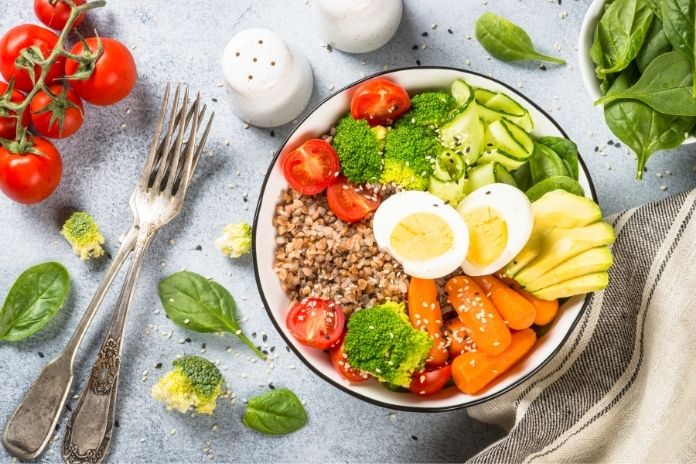
Bone health must be the top priority in a robust menopause diet. Experts advise taking 800–2,000 IU of vitamin D and 1,200 mg of calcium per day. Dairy products, plant-based beverages with added calcium, canned fish (with bones), spinach, fortified bread, baked beans, tofu, and dried figs are all excellent sources of calcium.
Your doctor may prescribe a supplement if your diet is insufficient. These foods are the foundation of a calcium-vitamin-D menopause approach, which helps maintain bone density and lower the risk of fracture.
Phytoestrogen-Rich Foods
Phytoestrogens are substances obtained from plants that resemble human estrogen in structure and function, although at a lower level. Including phytoestrogen-rich foods in your diet during menopause may help ease symptoms. These compounds are found in certain foods and are also available in more concentrated supplement forms
Supplements containing phytoestrogens are often promoted and used to treat hot flashes. Compared to supplements, the naturally occurring phytoestrogens in some foods are less concentrated.
Certain plant-based foods naturally contain phytoestrogens, including:
- Soybeans and items made from them
- Peanuts
- Sesame seeds
- Flaxseeds
- Chickpeas
- Berries
- Barley
- Apricots
- Tea (black and green)
Protein-Rich Foods
Protein is often overlooked, but it plays a key role in maintaining muscle mass and supporting weight loss during menopause. It also helps preserve bone strength and muscle, both of which tend to decline after menopause.
Recent research suggests that older adults may need more protein than the standard recommendations for those over 18. Adequate intake may help reduce the risk of sarcopenia, a condition characterized by the loss of muscle mass, strength, and function.
You may get protein from both plant and animal sources, so feel free to fill your cart with as much chicken, beef, fish, shrimp, lentils, chickpeas, nuts, seeds, and tofu as you can.
These protein sources are also rich in iron, zinc, and B vitamins, among other nutrients. Protein helps you feel satisfied and full. Additionally, protein helps your bloodstream carry oxygen and supports the production of antibodies that fight infections. It can also boost your energy and is crucial for managing diabetes and high blood pressure, as it helps balance blood sugar levels.
Read More: 8 Perimenopause Health Mistakes Many Women Don’t Realize They’re Making
Foods and Drinks to Limit During Menopause
Understanding foods to avoid during menopause is just as important as knowing what to eat.
Spicy Meals: It’s no surprise that spicy foods can trigger or worsen hot flashes. If you have high blood pressure or tend to feel too hot, it may help to limit foods like chili peppers, jalapeños, and cayenne.
Alcohol: It’s unlikely that a couple of glasses of wine per week will alleviate your symptoms. However, your health and well-being may suffer if you consume more than one drink every day (12 ounces of beer, 5 ounces of wine, or 1.5 ounces of spirits all count as one drink).
Alcohol can worsen anxiety, depression, and hot flashes, and it may also disrupt sleep. Lowered inhibitions can lead to overeating, which may contribute to weight gain.
Foods High in Fat: Try to limit your intake of foods high in fat, except for nuts and fatty seafood. Avoid fried foods, quick food, and processed cakes, cookies, and snacks.
Added Sugars: Although foods and drinks with a lot of added sugar often contain very few nutrients, they can easily lead to excessive calorie intake and weight gain. Table sugar, syrups, honey, and other sweeteners added to food or drink are examples of added sugars.
Sodium: Many Americans consume more than the recommended amount. Overconsumption of sodium raises blood pressure and increases the chance of stroke, all of which are detrimental to your health. Many packaged and highly processed meals contain higher levels of salt.
What to Eat Based on Your Symptoms
A truly effective menopause diet plan connects specific foods to individual symptoms.
- For hot flashes, focus on a menopause diet rich in soy, flaxseeds, and fresh fruits while limiting alcohol and spicy foods.
- For weight gain and belly fat, prioritize protein (25–30 g per meal) and fiber, while reducing refined carbohydrates.
- For bone health, follow a calcium- and vitamin D–focused approach that includes dairy, fortified foods, and adequate sun exposure.
- For heart health, adopt a Mediterranean-style diet rich in fish, vegetables, nuts, and olive oil.
- For mood swings and sleep issues, include omega-3 fatty acids and magnesium-rich foods, while limiting caffeine.
- For brain fog, emphasize hydration, whole grains, and omega-3 fatty acids.
The Best Overall Diet Pattern for Menopause
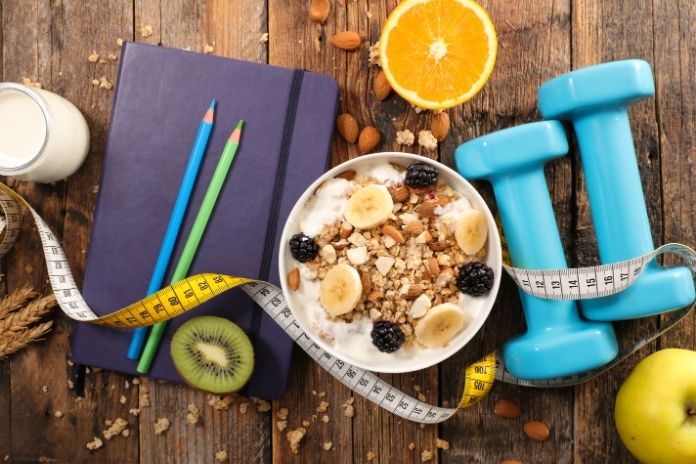
Improved heart health, reduced cancer and diabetes risk, and weight loss have all been linked to a Mediterranean diet. Menopausal women can also benefit from a Mediterranean diet.
What is a Mediterranean diet?
Good Fats: The Mediterranean diet promotes the consumption of nuts and olive oil, which are good sources of unsaturated fats.
Lean Proteins: Eggs, lentils, salmon, tofu, and chicken are examples of lean protein sources.
Dairy Items: Try to consume low-fat dairy products like yogurt, cheese, and milk.
Fruits and Veggies: The most nutrient-dense fruits and vegetables are those with vibrant colors.
The DASH diet may be a useful lifestyle modification to help you better control your blood pressure if you were diagnosed with hypertension during menopause. However, merely adopting the DASH diet does not imply that you should stop taking your blood pressure medication.
To better lower your hypertension and/or related medical issues, speak with your healthcare practitioner about how to incorporate medication and lifestyle modifications into your everyday routine.
The DASH diet emphasizes including foods rich in potassium, calcium, and magnesium, which have antioxidant and anti-inflammatory properties.
According to the DASH diet, you should consume 2,000 calories a day by following specific serving amounts for each food group.
These foods may consist of:
6–8 servings of grains: One serving of grains could be an ounce of dry cereal, a half cup of rice or pasta, or a piece of bread.
Four to five servings of fruit: One medium fruit, half a cup of fresh or frozen fruit, or half a cup of juice counts as a full portion.
Four to five servings of vegetables: One cup of leafy greens, half a cup of raw or cooked vegetables, or half a cup of vegetable juice counts as a serving.
Two to three servings of low-fat or fat-free dairy: One cup of yogurt or milk each day.
Read More: Why Belly Fat Keeps Coming Back During Menopause (And How to Stop It)
Key Nutrients Every Menopausal Woman Needs
Any menopause diet plan must ensure you meet your nutrient requirements.
Vitamin D: For women going through menopause, vitamin D is essential. It helps keep your bones strong and lowers your risk of osteoporosis by promoting calcium absorption.
Calcium: Your bones lose density more quickly when there is less estrogen present. To keep bones strong and prevent fractures, calcium is essential. Experts generally advise women over 50 to take approximately 1,200 mg.
Vitamin B6: This underappreciated B vitamin supports brain function and mood regulation. It can help reduce mood fluctuations, anxiety, and even sleep problems that are more prevalent throughout menopause.
Vitamin B12: Two of the most prevalent menopausal complaints are fatigue and mental confusion. By promoting healthy red blood cell synthesis and neurological function, vitamin B12 helps prevent both.
Vitamin E: According to some research, vitamin E may help lessen night sweats and hot flashes.
Magnesium: Sleep, healthy bones, and the regulation of stress reactions all depend on it. It can alleviate restlessness, anxiety, and even muscle cramping during the night.
Omega-3 Fatty Acids: Although they are not considered vitamins, omega-3 fatty acids are essential. They promote heart health, lower inflammation, and may even lessen menopausal mood swings or depressive symptoms.
Practical Tips for Eating Well During Menopause

Consistency is more important than perfection when creating a menopausal diet that lasts.
- To keep blood sugar stable, eat regular meals.
- Steer clear of eating after 8 PM.
- Drink plenty of water to prevent night sweats and brain fog.
- Keep track of your own eating triggers.
- Take iron and calcium supplements at least two hours apart.
These simple strategy enhances the effectiveness of the best diet for menopause.
Read More: Thyroid Problems vs. Menopause Belly Fat: What’s Really Causing Your Weight Gain?
Conclusion
Menopause is an opportunity to take responsibility for your health rather than a sign that you are losing control. The best diet for menopause emphasizes providing your body with the nutrients it needs while avoiding foods that aggravate symptoms.
Make consistent, evidence-based decisions that support your bones, heart, metabolism, and hormones rather than striving for perfection. A well-thought-out menopause diet can greatly enhance quality of life, but keep in mind that it enhances rather than substitutes medical care.
References
- Waverley Oaks Athletic Club. (March 19, 2026). Menopause nutrition: What changes & why it matters
- Academy of Nutrition and Dietetics. (2025, May 12). Nutrition and menopause.
- Dr. Harriet Holme. Healthy Eating During Menopause.
- Mick Garry. (2023, July 17). Preventing osteoporosis after menopause.
- Johns Hopkins Medicine. Staying healthy after menopause.
- Heather Logue. (March 10, 2025). Here’s How to Grocery Shop If You’re in Menopause.
- Jessica Migala. (December 6, 2024). Menopause Diet Plan: What To Eat During Menopause
- Kaiser Permanente. Menopause diet: How to eat right to avoid weight gain.
In this Article