













-
- Crush or chop garlic and let it rest 10 minutes to maximize allicin formation.
- Raw garlic provides the highest health benefits; lightly cooked garlic retains some nutrients.
- Proper preparation matters more than quantity for heart, immune, and gut health.
Although garlic has a reputation as a potent superfood, its preparation significantly affects its health effects. Crushing garlic and waiting before cooking is a popular suggestion, but does research support it, or is it simply another culinary myth?
This article will explain how to optimize allicin levels in garlic, how to maximize allicin in garlic, and reveal the truth about the ‘wait 10 minutes’ garlic science guideline. Additionally, you will discover how garlic bioavailability functions, whether boiling eliminates valuable elements, and how to incorporate garlic into your diet for optimal health benefits.
Read More: Can Garlic and Honey Help a Cold? What the Evidence Says
What Is Allicin and Why It Matters
How Allicin Forms from Allin
Garlic contains an organosulfur chemical called allicin. When the plant is attacked or damaged, garlic cloves (Allium sativum), a species in the Alliaceae family, produce more allicin through enzymatic processes.
The enzyme alliinase converts alliin into allicin. Since allicin supplements contain several active chemicals, it would be more accurate to refer to them as “garlic pills.” Garlic’s distinctive flavor and aroma are caused by allicin.
Role of the Enzyme Alliinase
The garlic enzyme alliinase plays a crucial role in this process. Intact garlic cells keep this enzyme separate from alliin. Alliinase interacts with alliin and quickly produces allicin when cells are damaged (by chopping or crushing).
This enzyme is heat-sensitive, nevertheless. Garlic may lose its ability to create enough allicin if you cook it right away after cutting it. It is why understanding how to maximize allicin in garlic is so important.
Potential Health Effects
Allicin, a physiologically active substance with several potential health benefits, is a physiologically active substance.
- Cardiovascular support through blood pressure regulation
- Antimicrobial action against fungi and bacteria
- Anti-inflammatory and antioxidant properties
- Enhanced immunological and metabolic responses
What Is Supported By Research vs. Still Being Studied
Garlic’s role in heart health and its antibacterial activity are supported by scientific research, though many claims, including those about cancer prevention, remain under investigation.
Garlic consumption, for instance, may modestly improve cardiovascular markers, according to studies published by the National Institutes of Health, though outcomes vary depending on preparation methods and amount.
Why Garlic Needs to Be Crushed or Chopped First
Garlic is a tasty and versatile ingredient that adds flavor and depth to food. But not all garlic is the same. Before you cook with garlic, crush or chop the cloves and let them sit for 10 minutes. It will help you get the most out of them.
When you cut into a garlic clove, the enzymes inside it come into contact with each other, triggering an enzyme reaction called lysis. During this process, the garlic releases sulfur molecules that give it its unique smell and taste.
The finer you chop or crush garlic, the stronger this response will be and the stronger the flavor of your dish will be. Garlic also releases allicin when you cut or crush it. Allicin is an organic molecule that can lower cholesterol and boost your immune system.
To get the benefits from your garlic-based foods, make sure you chop or crush the garlic properly. First, take off the skin and clean the clove of any dirt. Cut each clove in half lengthwise before chopping it with a knife for a milder flavor.
For a stronger flavor, chop the cloves first and then mash them with the side of the knife until they look like paste. You can also use a food processor to quickly chop each clove if you don’t want to spend time doing it by hand.
Read More: Can Garlic Really Boost Your Immunity or Is It Just Hype?
The 10-Minute Wait: What Happens During This Time

Time Needed for Allicin Formation
Allicin begins to form almost instantly after you crush garlic, but the reaction takes a few minutes to reach its peak.
The garlic enzyme alliinase can completely convert alliin into allicin within 10 minutes or so. It is the basis for the scientific advice to wait 10 minutes for garlic.
Evidence Behind the “Wait Before Cooking” Recommendation
According to a published study, crushed garlic left to stand before cooking preserved more bioactive compounds than garlic cooked right away. It supports the idea that maximizing allicin in garlic includes giving the enzymatic process enough time to complete before applying heat.
How Timing Affects Final Allicin Levels
The amount of allicin available after cooking depends on timing. If garlic is overheated:
- The process eliminates the enzyme.
- The reaction ends too soon.
- The final levels of allicin drastically decrease.
Forming allicin before heat exposure increases garlic bioavailability and maintains its antioxidant properties.
Does Cooking Destroy Allicin?
Heat Sensitivity of Alliinase
Whether boiling destroys allicin is one of the main questions. The response is complex. Heat mostly kills alliinase, the enzyme required to generate allicin, rather than merely allicin itself. No new allicin can develop once the enzyme is disabled.
Differences Between Raw, Lightly Cooked, and Heavily Cooked Garlic
- Raw garlic has the highest allicin content but also has the strongest flavor and may irritate the digestive tract.
- Lightly cooking garlic retains some of its benefits, especially if you crush it and let it rest beforehand.
- Heavily cooked garlic still contains healthy phytochemicals, but it has less allicin.
How Cooking Methods Influence Bioactive Compounds
Garlic is affected differently by various cooking techniques:
- Sautéing at low heat preserves more chemicals
- Boiling reduces sulfur compounds
- Roasting reduces allicin but modifies flavor
Read More: Benefits And Limitations of Chinese Garlic
How to Maximize Allicin Bioavailability
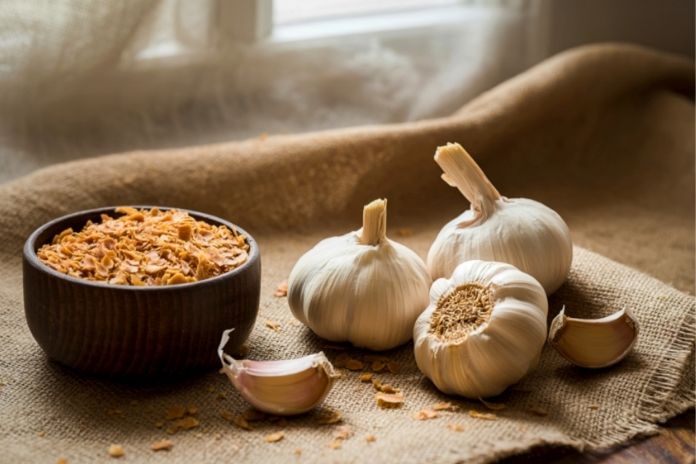
More than 200 potentially bioactive compounds can be found in garlic. Still, one ingredient in particular, allicin, has been the subject of greater research and is primarily responsible for the herb’s remarkable medical properties and delicious flavor.
Surprisingly, what matters most is not how much garlic you add to your cuisine, but how you use it. Since allicin is only produced when cells are damaged, you must cause the greatest amount of damage to get the most allicin. Zesting or grating would be the least time-consuming approach, though coarsely chopping, crushing with the back of your knife, or pulverizing with a mortar and pestle are all efficient methods.
Then, many of us mistakenly add the herb directly to our food. However, research shows that you can maximize allicin’s benefits by letting the prepared garlic rest for 10 minutes. As you would with a good wine, let your garlic rest before adding it to the pan.
Combining the two kinds is a sensible strategy:
- Add raw garlic to dips or condiments
- For taste, add sautéed garlic
It balances the benefits of raw vs. cooked garlic while enhancing overall garlic bioavailability.
Raw vs. Cooked Garlic: Which Is Better?
Raw Garlic
Raw garlic contains all its nutritional and physiological benefits. Fresh garlic provides heart-healthy allicin, an oily substance unique to garlic, which strengthens the immune system and effectively eradicates bacteria and germs.
In addition to being a fantastic source of antioxidants like vitamins C and K, raw garlic is also excellent for blood coagulation and even more advantageous for your immune system when left uncooked. Manganese, copper, zinc, phosphorus, potassium, and iron are also present.
Cooked Garlic
Heat tends to reduce an ingredient’s nutritional value, just as it does everything else. When garlic is crushed, chopped, diced, sliced, or chewed, the compound allicin discussed in the previous section becomes active. However, cooked garlic still retains its anti-inflammatory properties, even after heating.
“The Linus Pauling Institute reports that heating garlic cloves whole or right after crushing can destroy the sensitive enzyme (alliinase) in garlic that is responsible for producing allicin,” states Livestrong.
However, crushing garlic and letting it rest for 10 minutes before cooking preserves some of its health benefits. This process releases the enzyme, allowing allicin to form, which remains relatively heat-stable once produced. In the end, raw garlic is where all the nutritional content is found, even though cooked garlic still maintains numerous nutritional and health benefits.
Read More: Amazing Health Benefits of Garlic
Common Myths About Garlic and Health
“Garlic Breath Equals More Benefits”: Strong garlic breath is not always a sign of better health. It doesn’t reflect overall efficacy; it only measures volatile sulfur compounds.
“More Garlic Means Better Results”: Overuse of garlic might irritate the skin and does not ensure better results. When it comes to maximizing allicin content in garlic, preparation is more crucial than quantity.
Misinterpretation of Lab-Based Findings: Garlic bioavailability, dosage, and preparation all significantly impact real-world outcomes.
Who May Benefit Most From Optimizing Garlic Intake
Many studies have looked at garlic, and the results show that it is good for your health in many ways. Here are some ways that garlic is good for your health:
Promotes Heart Health: Garlic is good for your heart because it lowers blood pressure, raises HDL (good cholesterol), and lowers LDL (bad cholesterol). It also helps keep blood flowing and relaxes blood vessels, which lowers the risk of heart disease and stroke. Research shows that garlic may make insulin work better and lower blood sugar levels when you haven’t eaten for a while.
Boosts Your Immune System: Garlic has natural antimicrobial and antiviral properties that help your body fight off colds, the flu, and other illnesses. Studies have shown that eating garlic regularly can lower the number of times you get sick and make your symptoms less severe.
Protects Your Cells: Garlic’s antioxidants help protect your cells from free-radical damage. It could lower the risk of getting diseases like Alzheimer’s. Antioxidants also help the body reduce inflammation.
Helps with Digestion and Gut Health: Garlic is a prebiotic, which means it supports the growth of good bacteria in your digestive system. A healthy gut is very important for your digestion, immune function, and even mental health. Adding garlic to your diet can support your overall gut health.
When Garlic Should Not Replace Medical Treatment
Use garlic in addition to, not instead of, medical care. Although it promotes health, it cannot replace recommended medical treatment.
Safety Considerations and When to Be Careful
Adults can safely consume one to two cloves of raw garlic per day. Breath and body odor are the most common adverse effects of garlic consumption. Overindulgence in raw garlic, particularly on an empty stomach, can alter intestinal flora, cause flatulence, and lead to gastrointestinal distress.
Applying raw garlic topically has been linked to blisters, burns, and allergic dermatitis. Despite inconsistent findings regarding garlic’s impact on protease inhibitor pharmacokinetics, new research in healthy volunteers suggests that garlic does not affect protease inhibitor metabolism.
Garlic’s antithrombotic qualities have led to recommendations that individuals on anticoagulants exercise caution when consuming it. Garlic can prolong bleeding and has caused spontaneous spinal epidural hematoma in one reported case. It appears wise to stop ingesting large doses of garlic 7 to 10 days before surgery.
Read More: How To Use Garlic Oil To Treat An Ear Infection
Conclusion
Understanding how garlic allicin is activated shows that how you prepare it is just as important as the ingredient itself. When you crush garlic and let it sit for a while before cooking, it can make a big difference in how well it makes healthy chemicals. This small thing helps garlic keep allicin better, which is important for its health benefits.
Cooking can make some active ingredients less effective, but you can keep them useful by using the right cooking and preparation methods. In the end, knowing how to extract the most allicin from garlic lets you get more from each clove without changing your diet too much.
In this Article