











- A 10-minute intense workout can trigger anti-cancer biological changes. It alters blood chemistry and improves DNA repair in colon cancer cells in lab studies.
- Exercise releases protective molecules. Muscles release myokines that reduce inflammation and help suppress tumor growth signals.
- Short workouts still matter. Even brief, regular exercise may help lower long-term cancer risk.
The majority of people believe that cancer risk reduction needs significant lifestyle changes. Such changes include a strict diet, long hours in the gym, or years of disciplined lifestyle changes. However, while all these factors contribute to cancer prevention, new emerging evidence indicates that something as simple as a brief period of intense exercise could also contribute to cancer prevention.
Newcastle University researchers conducted a study in January 2026 along with the International Journal of Cancer. Their findings indicated that merely 10 minutes of exercise for cancer prevention can initiate biological changes that can contribute to cancer prevention.
According to their findings, a brief period of exercise can trigger the release of molecules in the bloodstream that can initiate changes in how colon cancer cells behave. The researchers used actual human blood samples and cancer cells to examine how exercise impacts cancer cells.
In essence, even a single period of exercise can trigger molecular processes that contribute to exercise and cancer risk reduction. But here’s the good news. You do not have to spend hours in the gym for exercise to help prevent cancer.
All you need to spend is a few minutes to trigger anti-cancer effects in your body. In this article, let’s learn more about how a short session of 10 minutes of hard exercise can help prevent cancer. Read on!
Read More: Do Food Preservatives Increase Cancer Risk? What Research Really Shows
What the Study Actually Found
The Newcastle University Experiment, Explained
The study on exercise and cancer conducted by Newcastle University examined whether moving around could tweak cancer biology at a molecular level. The researchers wondered if a high-intensity burst of exercise could change blood chemistry so that cancer cell behavior is altered.
To investigate this, they took blood before and after exercise and used it to study how it affected cancer cells. The serum is the part of blood that contains hormones and proteins and carries chemical signals.
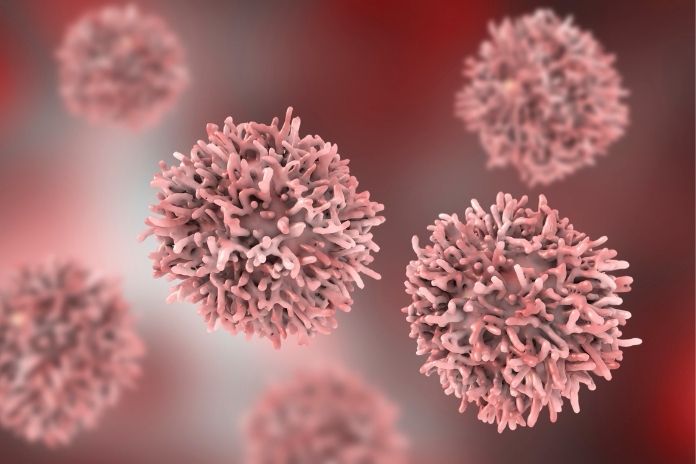
The researchers took serum and added it to colon cancer cells that were growing in a dish. By observing how these cancer cells behave when they are in serum before and after exercise, they tried to determine if exercise altered their living environment.
Who Were the Participants?
In this study, 30 adults were overweight or obese, ranging in age from 50 to 78 years old. This particular age range and condition of the subjects were chosen on purpose, as this particular segment of the population has a higher risk of developing colorectal cancer.
Subjects began with a brief warm-up, after which they hopped on a stationary bike for a challenging 10-minute cycling workout. The workout was designed to significantly increase the heart rate, similar to high-intensity interval training (HIIT).
What Happened in the Lab After Just One Workout
The results were quite interesting. The blood test after exercising showed that it did have an impact on the colon cancer cells in the laboratory. The scientists found that the DNA repair exercise response was accelerated, and the indicator of rapid growth of the tumors was reduced in the cells.
The scientists specifically monitor the levels of γ-H2AX foci, which show the damage to the DNA in the cells. The levels of those foci were reduced in the cells after the serum from the blood test after exercising was applied to the cancer cells, showing that the DNA repair mechanisms were accelerated in the cells.
The scientists also found that the levels of the DNA repair gene PNKP were higher in the cells, which helped to slow the rapid growth of the tumors in the cells. The bottom line is that short-term exercise can change the molecular composition of the blood, which can slow down the activity of the cancer cells in the laboratory.
The Biology Behind the Effect — What’s Happening in Your Blood
Exercise as a “Molecular Pharmacy”
Physically active behavior has been termed a “molecular pharmacy” by some in the scientific community. During muscle contractions in physical activities, various signaling molecules are released into the bloodstream.
This affects metabolism, inflammation, immune response, and cell growth and repair. This is one of the reasons why the study of exercise and its relation to the reduction of cancer risk has been emphasized in the field of exercise oncology.
Meet the Myokines: Your Muscles’ Anti-Cancer Messengers
Many of the molecules released during exercise are known as exercise-induced myokines. These are proteins secreted by muscle tissue that act as messengers throughout the body.
Scientists estimate that the human body may produce hundreds of different myokines, each with specific roles in regulating metabolism, immune activity, and tissue repair. Some of these molecules appear to influence pathways involved in exercise and tumor suppression.
IL-6, SPARC, Irisin, and Oncostatin M—What They Do
One of the most researched myokines is IL-6, which is known to rise dramatically in response to strenuous exercise. Though IL-6 has been associated with cancer in some contexts, in the case of exercise, it is thought to induce positive metabolic and immunologic responses.
Another myokine that has been researched is SPARC myokine cancer, which has been associated with research into SPARC myokines in cancer, where it is thought to induce apoptosis, or self-destruction, in abnormal cells before the onset of cancer.
Other myokines that are released in response to exercise are irisin and oncostatin M, both of which are thought to induce cell signaling that is related to growth and metabolic factors. These anti-cancer molecules are thought to contribute to the body’s internal environment, or the body’s “microenvironment,” that delays cancer.
How Exercise Shuts Down Cancer Growth Signals
Exercise has been shown to impact several biological pathways that are related to cancer risk and progression. For example, vigorous exercise has been shown to limit the IGF-1 signaling pathway, a key mechanism in cell growth and cancer formation. Exercise has also been shown to decrease levels of COX-2, a key enzyme in inflammation and cancer progression.
At the same time, vigorous exercise has been shown to activate the body’s immune cells, such as natural killer cells and CD8+ cells, that detect and destroy abnormal cells. The above changes are responsible for the ability of a short period of vigorous exercise to provide a protective effect against cancer formation through a number of related biological mechanisms.
Read More: Lung Cancer with COPD: Breathing Strategies That Help
Why Colon Cancer Specifically and Who Is Most at Risk
Why Researchers Focus on Colorectal Cancer
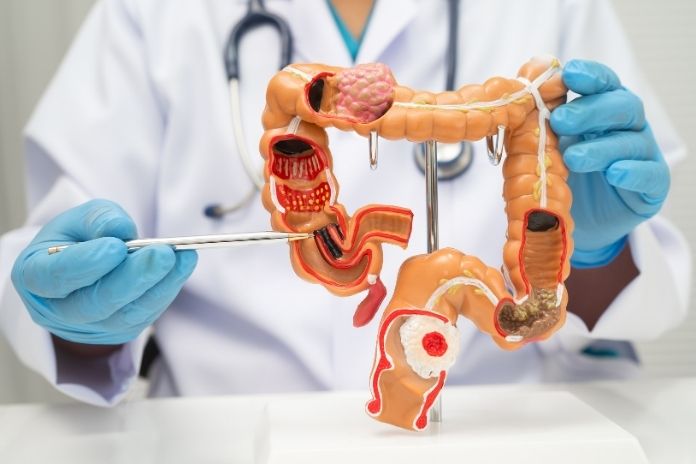
The Newcastle study specifically examined high-intensity exercise and colon cancer interactions because colorectal cancer is strongly influenced by lifestyle factors such as diet, body weight, and physical activity. This makes it an ideal model for studying how behavioral changes might influence cancer risk.
The Obesity-Cancer Connection That Shaped the Study
Obesity is a major risk factor for colorectal cancer. Excess body fat can promote chronic inflammation, insulin resistance, and hormonal imbalances that create a favorable environment for tumor development.
Because the participants in the study were overweight or obese, the results suggest that even people at elevated risk may benefit from brief exercise sessions.
What the Numbers Say: Colorectal Cancer Burden in the U.S.
Colorectal cancer remains one of the leading cancers in North America. In the United States alone, there are over 150,000 new cases that present every year, causing over 50,000 deaths annually.
Health experts in the field of public health estimate that nearly 15 percent of cases of colorectal cancer can be prevented through physical activity, thus emphasizing the importance of colorectal cancer prevention exercise strategies for the prevention of this type of cancer.
This Isn’t the First Time—What Prior Research Has Established
Exercise and Cancer: A Decade of Evidence
Over the past decade, scientists have accumulated growing evidence linking physical activity and cancer risk reduction. Laboratory studies have shown that blood serum collected after exercise can limit the growth of several types of cancer cells.
Both short-term exercise sessions and long-term training programs appear to produce measurable anti-cancer effects in laboratory models.
What Happens When Cancer Survivors Exercise
Research involving cancer survivors has also produced encouraging findings. Studies examining breast cancer survivors found that both resistance training and high-intensity interval training (HIIT) can increase circulating myokines associated with anti-cancer activity.
In laboratory tests, blood taken after exercise sessions was shown to suppress cancer cell growth.
HIIT vs. Moderate Exercise: Does Intensity Matter?
Scientists are still investigating whether intensity plays a major role in these biological effects. Some studies suggest that HIIT cancer prevention benefits may occur because high-intensity exercise produces larger spikes in circulating myokines.
However, moderate exercise also appears to provide benefits when performed regularly.
Read More: Small Cell vs Non-Small Cell Lung Cancer: Key Differences
What Type of Exercise Counts — And How Much Do You Need?

High-Intensity vs. Moderate: What the Research Supports
The Newcastle study specifically used high-intensity cycling, but other forms of vigorous activity may produce similar effects. Sprint intervals, fast stair climbing, or intense resistance training may all stimulate the release of anti-cancer molecules through exercise.
The 10-Minute Threshold
The study’s 10-minute workout should be viewed as a starting point rather than an ideal target. Longer or more frequent exercise sessions are likely to produce additional health benefits.
Exercise and Cancer: What Guidelines Currently Say
Major health organizations recommend at least 150 minutes of moderate activity or 75 minutes of vigorous exercise per week to reduce the risk of chronic diseases, including cancer.
The Newcastle findings suggest that even smaller amounts of exercise may still trigger beneficial biological responses.
Practical Workout Formats That Match Study Conditions
A simple routine similar to the study protocol could look like this:
- 2 minutes warm-up
- 8-10 minutes of intense cycling, sprint intervals, or stair climbing
This type of short routine may stimulate the release of short-workout cancer-fighting benefits associated with exercise.
Important Caveats — What This Study Can’t Tell Us Yet
Lab Findings vs. Real-World Cancer Outcomes
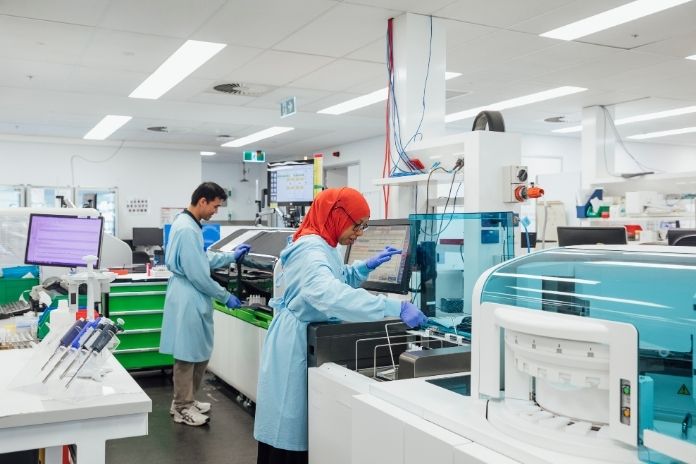
Although the findings are exciting, it is important to interpret them carefully. The experiment examined how exercise and serum cancer cells interacted in a laboratory, not whether exercise directly prevents cancer in humans.
Small Sample Size and What It Means
The study included only 30 participants, which means the results need to be confirmed in larger trials.
Exercise Is Not a Cancer Treatment
Exercise should not be viewed as a cure or replacement for medical cancer treatments. Instead, it is best understood as one part of a broader strategy for improving health and reducing risk.
Who Should Talk to Their Doctor Before Changing Exercise Habits
Individuals with chronic illnesses, heart conditions, or those undergoing cancer treatment should consult a healthcare professional before beginning a new exercise program.
Practical Takeaways — What You Can Do Starting Today
You don’t need a full gym session to see biological benefits. One of the most encouraging findings from the research is that short workouts can still trigger measurable biological responses.
Building a Cancer-Protective Lifestyle:
- Exercise works best when combined with other healthy habits, including a balanced diet, maintaining a healthy weight, and avoiding smoking.
- Combine exercise with diet, sleep, and stress reduction.
- Good sleep, stress management, and a diet rich in fiber, fruits, and vegetables can complement the benefits of exercise.
Some simple ways to incorporate short workouts include morning stair sprints, quick cycling sessions, or resistance band workouts at home. Even brief daily activity can help lower physical activity-related cancer risk factors over time.
Conclusion
The Newcastle University exercise cancer study offers compelling evidence that even short bursts of intense activity can produce meaningful biological changes. Just 10 minutes of exercise triggered the release of molecules linked to DNA repair, inflammation reduction, and tumor suppression.
While the findings do not prove that exercise alone can prevent cancer, they add to a growing body of research showing that exercise’s anti-cancer effects operate at the cellular level. A short workout is achievable for most people, making exercise one of the simplest tools available for improving long-term health.
Researchers are now exploring whether these discoveries could eventually lead to exercise-based treatment strategies or targeted exercise prescriptions for cancer prevention and survivorship.
References
- ScienceDaily. (2026, January 7). Short bursts of intense exercise may reduce colon cancer risk.
- Medical Xpress. (2026, January). Short intensive workouts may help reduce bowel cancer risk.
- Exercise-induced mechanisms and cancer prevention. International Journal of Cancer.
- Exercise and cancer prevention: Molecular mechanisms and pathways. ScienceDirect.
- Exercise-related molecular pathways in cancer prevention. PubMed Central (PMC).
- Exercise-induced biological mechanisms related to cancer risk reduction. PubMed Central (PMC).
- Labroots. (2026). Ten minutes of exercise a day may reduce colorectal cancer risk.
- ScienceDaily. (2026, January 7). Short bursts of intense exercise may reduce colon cancer risk.
- Medical Xpress. (2026). Short intensive workouts may help reduce bowel cancer risk.
- Wiley Online Library. (2024). Exercise-induced molecular changes and colorectal cancer prevention.
In this Article