










- Fermented drinks temporarily trigger mild redness or small pimples as your microbiome adjusts.
- A true breakout is very painful, cystic, spreads, or lasts for more than 2–3 weeks.
- Start slow, limit sugar, and also monitor the skin’s response very carefully.
When you start including fermented drinks in your everyday regimen, such as kombucha or kefir in the morning, you’re typically thinking about enhanced immunity, better digestion, and better general health.
Visible probiotic skin changes, which can occur in a matter of days, are something many individuals don’t expect. Mild redness, temporary dullness, tiny pimples, or changes in skin texture are a few examples of these changes.
It is where misunderstanding arises. Is your body going through a fermented-drink skin purge, or are you suffering a real reaction like probiotic-drink acne brought on by inflammation, sugar, or an imbalance in your microbiota?
The gut-skin axis, which describes the relationship between your gut and skin, helps explain why internal dietary changes can manifest externally. This article will explain the difference between a purge and a breakout, discuss the science underlying the gut-skin connection, and provide a practical 7-day skin roadmap following the initiation of fermented drinks.
Read More: Adapalene vs. Tretinoin for Acne: Which Retinoid Works Better for Your Skin?
How Gut Changes Can Show Up on Your Skin
People often say skin shows how healthy you are on the inside, and honestly, it is right. Creams and serums help, but what about a real and lasting glow? That starts in your gut. More and more research links gut health to clearer skin and decreased inflammation. Hence, what you eat really does show up on your face.
Scientists usually call this gut-skin axis. Your gut and skin talk to each other all the time. When your digestive system’s in good shape and your microbiome is balanced, your skin looks better, too.
Your body’s natural inflammatory response is supported, and the integrity of your intestinal lining and skin barrier recovery is preserved when your gut microbiota is healthy and balanced. However, a damaged gut can lead to systemic inflammation, which often manifests as skin problems.
Research shows that the gut microbiota composition of people with specific skin disorders often differs from that of people with clear skin. A crucial element of any natural skincare regimen may be promoting gut health via diet and lifestyle decisions.
You can introduce new microbial species into your digestive environment when you consume probiotic-rich beverages such as kombucha, kefir, amazake, or water kefir. It promotes a more diverse microbiota in many people, which may eventually reduce systemic inflammation and improve skin clarity.
Skin Purge vs. Breakout — How to Tell the Difference
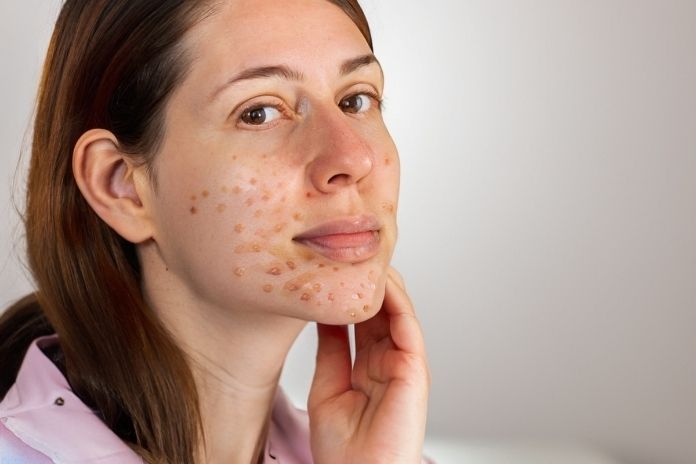
Knowing if you’re having a breakout or a skin purging after taking probiotics is important for both peace of mind and for determining how to continue your regimen.
What Is a “Skin Purge”?
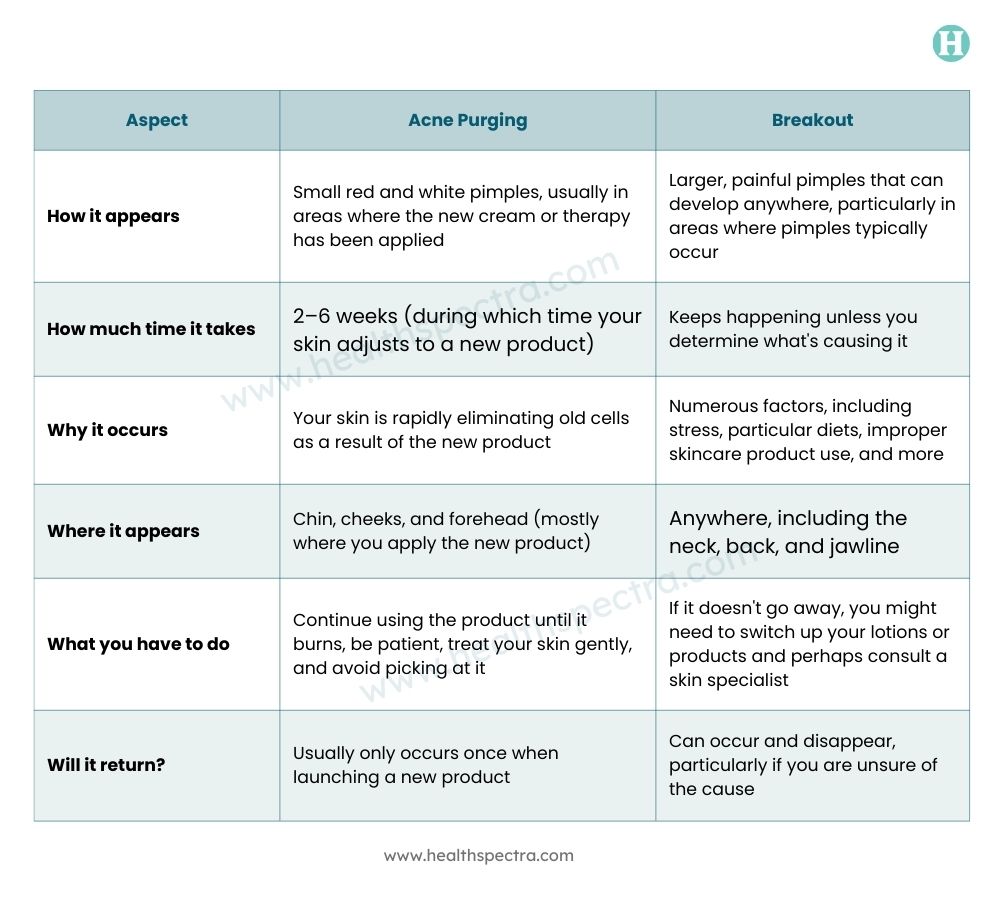
Skin purging happens when certain types of active ingredients kick your skin’s natural shedding into high gear and boost cell turnover. Why bother? This faster exfoliation clears out dead skin cells, which clog pores and make your skin look dull or uneven. The real goal is smoother, brighter, and healthier-looking skin.
It is a desirable outcome for most people, but there are challenges along the way to smoother, younger-looking skin. Pore blockages can be cleared up sooner thanks to faster skin regeneration and cell turnover.
Sadly, this accelerated unclogging procedure can occasionally result in a brief rise in pimples, blackheads, whiteheads, or microscopic pre-acne pimples called microcomedones. While dryness, redness, and irritation are often prevalent during a skin purging, breakouts can appear overnight.
What Is a Breakout?
Frustration might increase when skin doesn’t clear up for weeks or months, especially as an adult, after most people believe acne should go away on its own. Up to 88% of people with acne experience self-consciousness. Low self-esteem, anxiety, and sadness are also common.
“People wonder, ‘What’s wrong with me?’” said Narat Eungdamrong, MD, a Cedars-Sinai dermatologist. “But it’s actually not uncommon in your 30s, 40s, or even 50s,” he added.
Acne starts in the skin’s pores, which are pockets that contain hair follicles and allow sebum, an oily substance, to flow from the sebaceous glands beneath the skin to moisturize the skin. The “T-zone” is where pores are most dense, which includes the forehead, nose, chin, and cheeks.
Breakouts frequently occur in new places, last longer than a week, or are accompanied by more painful or cystic lesions.
Read More: 6 Skincare and Hormone Mistakes We Make Trying to Fix Acne
A Quick Comparison of Skin Purge and Breakout
 The 7-Day Skin Roadmap When Starting Fermented Drinks

This timeline, supported by research, illustrates what may occur as your body adapts to fermented beverages like kombucha and kefir, as well as to additional probiotics.
Days 1–2: Gut Microbes Begin to Shift
Your gut bacteria start responding to the probiotic adjustment within the first two days after you drink a fermented beverage. When these new bacteria move in, they sometimes shake things up a bit, which means you’ll feel a little discomfort or notice some mild bloating at first. It’s just your gut adjusting to its new neighbors.
At this point, your skin looks a little red or dull. It is normal, and you shouldn’t mistake it for toxins “emerging” from your skin. Rather, your immune system is reacting to changes in microbes.
Days 3–4: Temporary Flare or “Adjustment Phase”
Your immune system and intestines are interacting more actively by the middle of the week. Some patients experience minor breakouts, particularly little pimples or whiteheads. It could be related to changes in immunological signaling and the balance of your microbiome, particularly if you have sensitive skin or an acne-prone stomach.
However, a breakout is more likely than a temporary adjustment or a purge if the pimples are big, painful, or cystic. Remember that some store-bought kombuchas contain sugar, which can temporarily increase inflammation and exacerbate acne.
Days 5–7: Rebalancing and Skin Settling
Most of the temporary gastrointestinal reactions should subside by the end of your first week using fermented drinks for clear skin. Systemic inflammation often subsides as the immune system begins to tolerate the probiotic strains more consistently. Many people notice that their skin looks more moisturized, calmer, or less irritated than it did at baseline.
When It’s Not a Purge — Signs to Pause or Seek Help
Although the majority of adjustment reactions are moderate and transient, some symptoms point to a real fermented drink breakout or an unrelated skin condition:
- Problems continue after two to three weeks
- Breakouts can become painful, extensive, or cystic
- You have new stomach symptoms, such as diarrhea or severe cramps
- Hives or rashes show up
To rule out other explanations like hormonal imbalance, food triggers, or sensitivities, if any of these happen, you should discontinue the probiotic drink and see a dermatologist or qualified nutritionist.
Read More: Mandelic Acid vs. Glycolic Acid: Which AHA Is Right for Your Skin?
How to Support Your Skin During the Adjustment Period
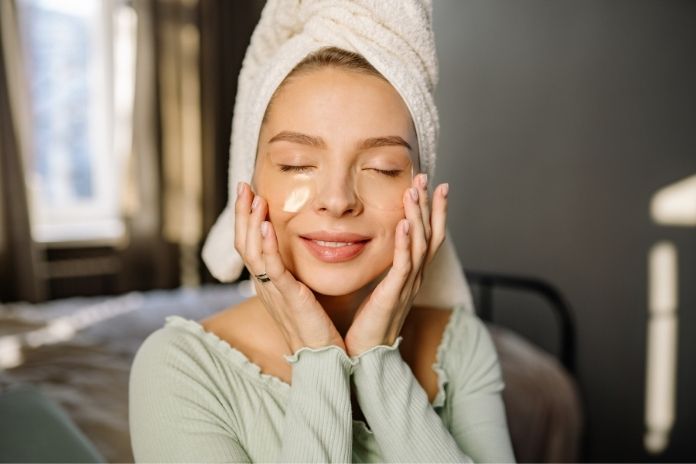
Here’s how you keep your skin and gut working together:
Start Slow: If you usually drink a whole bottle of kombucha, consider limiting it to just a few ounces a day. Give your body time to adjust.
Skip Drinking on an Empty Stomach: Enjoy fermented foods or drinks with your meals. It helps your gut and your skin feel a whole lot better.
Go Easy on Your Skin: Pick a gentle cleanser and a simple moisturizer, and focus on hydration, especially as seasons change.
Don’t Skimp on Sleep or Water: Getting enough rest and staying hydrated does more for your skin’s ability to heal and stay strong than any fancy product.
Science Spotlight — What Research Says About Probiotics and Skin Health
It’s not only about what you put on your skin to keep it healthy. Internal bodily processes also influence it. The impact of probiotics, the good bacteria best recognized for promoting digestive health, in maintaining skin homeostasis is currently being investigated.
Probiotics aren’t just for your gut; they help your skin as well. You’ll find them in creams and supplements, helping calm the inflammation and also reduce breakouts.
Think of your skin as more than just a shield. It’s buzzing with bacteria, fungi, and all sorts of tiny life, just like your gut. These microscopic helpers keep inflammation in check, balance your skin, and block out harmful germs. When your skin’s microbiome is healthy, you’re less likely to experience dryness, irritation, or annoying breakouts.
Studies show that when the balance of these microbes shifts, it can lead to a few problems.
Acne shows up when the mix of bacteria changes. Furthermore, pores can get clogged and irritated, leading to breakouts.
As part of comprehensive care for these prevalent disorders like rosacea and eczema, dermatologists are increasingly focusing on oral and topical probiotics.
There are plenty of stories out there from people using probiotics, but scientists keep uncovering new layers about how these tiny microbes actually affect our skin. Reviews note that probiotics play a significant role in regulating the immune system and calming skin inflammation via the gut-brain-skin axis.
Drinking kefir regularly can boost skin hydration and strengthen its barrier, at least in some cases. Still, researchers need to run more studies to really nail down the details.
Read More: How to Avoid Fungal Infections: 7 Daily Habits That Protect Your Skin
Conclusion
Starting fermented drinks can mess with your skin at first, but not every fermented drink breakout means there’s a real problem. Sometimes your body needs a little time to get used to all the new bacteria. It is part of the usual probiotic adjustment.
Most of the time, these changes are short-lived and clear up once your gut settles down. But if you notice your acne is severe, persistent, or getting worse, do not just dismiss it. The key is to go easy on the sugar, pay attention to how much you’re drinking, and keep an eye on how your skin reacts.
References
- Manon Oliero. (December 18th, 2024). The gut-skin axis: feel it in your gut, wear it on your skin.
- Doug Cook, RD. (November 19th, 2022). How Does Your Gut Health Affect Your Skin?
- Clear Sky Dermatology. How skin relates to gut health.
- Victoria Pelham. (July 24, 2024). Why Am I Breaking Out?
- The Independent Pharmacy. (4 June 2024). Acne purging vs breakout: Know the difference.
- Clarus Dermatology. (September 23, 2025). The Role of Probiotics in Skin Health: Topical vs. Oral Supplements.
In this Article