













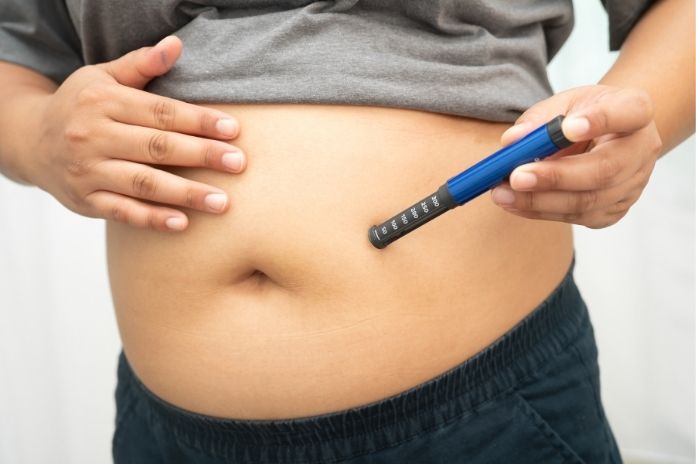
One common concern with GLP-1 medications is muscle loss, especially as drugs like Ozempic, Wegovy, and Mounjaro become more popular for weight loss. These medications are effective, often producing rapid and sustained reductions in body weight. However, the speed at which that weight is lost begs an important question: how much is fat, and how much is muscle?
Some research suggests that with rapid weight loss, 25–40% of total weight lost comes from lean mass, which includes skeletal muscle. That’s where the concern for Ozempic muscle loss and semaglutide muscle loss originates. Muscle is not just for appearance or strength; it’s central to metabolic health, glucose control, physical independence, and long-term weight maintenance.
The good news is that muscle loss on GLP-1 medications is not inevitable. With the proper nutritional, training, and lifestyle strategies, it’s entirely possible to shed fat while preserving, or even enhancing, overall body composition.
This article walks through the science behind GLP-1 and muscle mass, providing practical, evidence-based steps to preserve muscle on GLP-1 medications without undermining weight-loss results.
Understanding Muscle Loss on GLP-1s
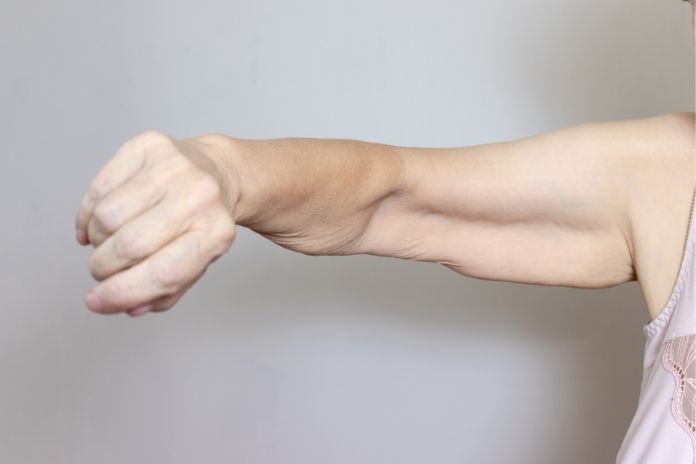
The loss of muscle mass is not exclusive to GLP-1 medications and weight loss. A calorie deficit will inevitably lead to generating muscle mass loss along with fat loss. The increased risk of muscle loss with GLP-1 medications used for weight loss is driven primarily by rapid weight reduction combined with significant appetite suppression.
When appetite is reduced significantly, people consume a lot less protein than they assume. The first component to decrease is protein consumption, followed by total caloric intake.
Without sufficient protein in the diet and mechanical input from resistance training, there is no reason for the body to maintain muscle mass. Over time, this results in losing muscle mass while on Wegovy or Ozempic, especially in a sedentary individual.
Muscle is a metabolically active tissue, which is significantly responsible for resting energy expenditure. The rapid loss of muscle may lead to a slowed metabolism and reduced strength and endurance, making it easy to gain weight once medications are tapered or discontinued.
It is important to be realistic: some muscle loss can occur during any weight-loss phase.
However, research consistently indicates that most muscle loss associated with GLP-1 therapy can be prevented when adequate nutrition and resistance training are implemented early in treatment.
Prioritize Protein Intake
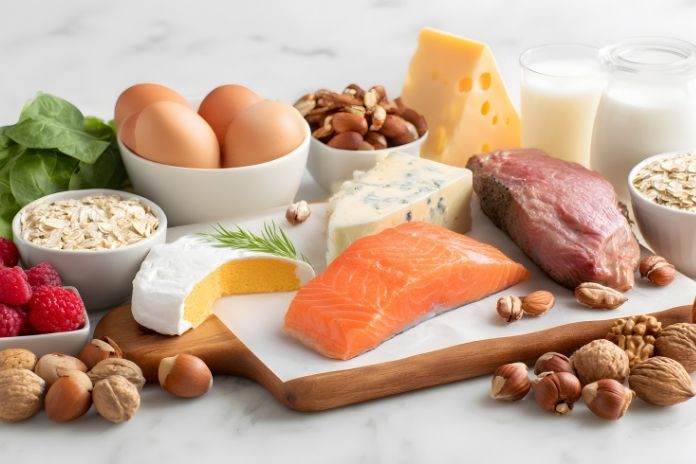
If there is one nutritional factor that matters most for preventing muscle loss while taking Ozempic, it is adequate protein intake.
This means that protein needs increase when the body is breaking down and building tissue simultaneously during weight loss. GLP-1 medications suppress appetite, which can make it easy to eat too little protein without even realizing it. Therefore, protein becomes even more important during treatment.
Generally, an evidence-based target could be 0.7-1.0 grams of protein per pound of ideal body weight per day (a result from a study conducted on women’s nutrition). This range supports muscle protein synthesis while considering reduced calorie intake.
The above mentioned numbers might seem high, but spreading protein intake throughout the day makes it manageable and helps absorption.
It is better to distribute protein throughout the day rather than consuming it at one go. When on a weight loss diet, particularly with GLP-1 drugs such as Mounjaro or Wegovy, we need sufficient protein intake.
With moderate energy-deficit (typical weight loss), consuming higher amounts of protein has been shown to help preserve muscle mass. When on a GLP-1 diet, aim for 1.0 to 1.5 g of protein per kg of body weight daily.
Consider having 150g of chicken or fish, 200g of tofu, or a cup of Greek yogurt or skyr. Soft, easy-to-consume foods such as scrambled eggs, flaked or canned fish, and protein shakes can be useful when appetite is poor. Starting meals with protein is useful, as fullness can set in quickly on GLP-1s.
Implement Resistance Training

Nutrition alone is not sufficient in preserving muscle. To maintain muscle mass while on GLP-1 medications, weight training is crucial.
One such organ that responds to a stimulus is the muscle. Weight training provides a good signal to the body that muscle is important, despite the reduction in calories. Without this, the body would lose muscle mass to conserve calories.
This is the reason why resistance training with semaglutide has consistently shown better results for body composition issues than methods involving only dietary change. In fact, strength training can be done without any gym equipment at all.
Bodyweight exercise, resistance bands, or light dumbbells can all provide a sufficient stimulus. The purpose is not a maximal intensity workout but a regular activation of the major muscle groups.
An effective program aims to target frequency rather than intensity for sustainability. One to two to three training sessions per week are adequate for reducing GLP-1-induced muscle wasting.
An example of the basic structure for the beginner level may include
- Lower body exercises such as squats and lunges.
- Upper-body pressing and pulling exercises.
- Core stabilization exercises.
Progressive overload is important, even if it is only slightly increased. Doing more reps, moving more slowly, or gradually increasing weight, signals your body to hold on to muscle, even while you’re losing weight.
Low-energy days are also very common when using GLP-1 drugs. On such days, it’s even more important to do less. A single session will maintain the habit while also keeping the muscle retention signal.
Many people need professional help during the early stages of this journey, particularly if it involves weight training.
Don’t Skimp on Calories Too Much

One of the most overlooked contributors to semaglutide muscle loss is excessively low calorie intake.
Because the hunger signals are muted, it’s easy to eat far below energy needs and not even realize it. When calorie intake drops too low, the body taps into muscle tissue for fuel, even if protein intake is reasonable.
A moderate calorie deficit of about 500 calories below maintenance promotes fat loss while minimizing muscle breakdown More aggressive deficits often tend to backfire, which leads to symptoms like fatigue and weakness and usually much more lean mass loss than is preferable or necessary.
Tracking intake periodically may bring to light unintentional under-eating. Set a regular time for eating so that nutrients are delivered consistently, even if a person does not feel like it. It is also important to choose foods high in nutrients and calories to help meet nutritional needs when portions may be small.
Stay Active With Daily Movement

Although exercise with a focused structure is vital to muscle development, general movement is not entirely irrelevant in GLP-1-induced muscle loss prevention.
However, prolonged periods of high-volume cardio activity without strength training can, paradoxically, exacerbate muscle loss. The key is striking a balance between enough activity to promote good health and strength training to preserve muscle mass.
Support Recovery and Sleep

Muscle can’t be saved during exercise. Muscle is saved during recovery.
A good night’s sleep, or 7 to 9 hours, is essential to maintain muscle protein synthesis and hormone regulation. When stressed, cortisol levels are increased, leading to the breaking down of muscles over time.
Rest, hydration, and stress-reduction techniques are crucial in maintaining body composition while taking GLP-1 medications. Rest recovery is often overlooked in plans that incorporate excellent nutrition and training.
Monitor Your Progress Beyond the Scale
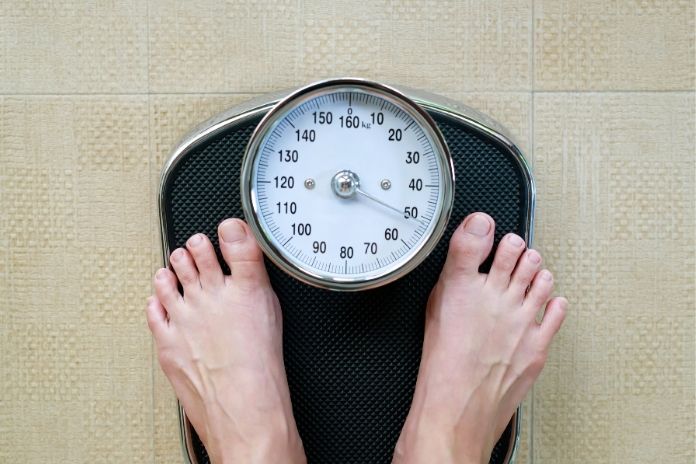
By itself, weight is not an indicator of whether you are burning fat or muscle mass.
A better approach is to track body composition using tools like DEXA scans, InBody assessments, or reliable home smart scales.
Progress photos, body measurements, and how your clothes fit often reveal changes the scale misses. If there are changes in strength or fatigue, it could indicate an alteration in protein and calorie needs or training volumes.
Conclusion
Muscle loss associated with GLP-1 medications isn’t an inevitable result. While medications such as Ozempic, Wegovy, and Mounjaro provide a potent stimulus for weight reduction, they don’t give patients much control over how fast it takes place.
Enough protein, resistance training, and reasonable calorie goals are underlying principles in muscle conservation. Small steps lead to significant results in this aspect.
To achieve fat loss instead of simply relying on scale weight, you can preserve strength and metabolism by focusing on body composition. This is done under the supervision of your physician.
References
- Mozaffarian, D., Agarwal, M., Aggarwal, M., Alexander, L., Apovian, C. M., Bindlish, S., … & Saluja, J. (2025). Nutritional priorities to support GLP-1 therapy for obesity: A joint advisory from the American College of Lifestyle Medicine, the American Society for Nutrition, the Obesity Medicine Association, and the Obesity Society. American Journal of Lifestyle Medicine. Advance online publication.
- Morrison, M., & Halson, S. L. (2022). Sleep, circadian biology and skeletal muscle interactions: Implications for metabolic health. Clinical Nutrition.
- Reiss, A. B., et al. (2025). Weight reduction with GLP-1 agonists and paths for discontinuation while maintaining weight loss. Journal of Obesity & Weight Management.
- Capodici, A., Mocciaro, G., & De Amicis, R. (2025). GLP-1 receptor agonists induce loss of lean mass: So does caloric restriction (e001206). BMJ Nutrition, Prevention & Health.
- GLP-1 receptor agonists and co-agonists on body composition (2025). European Journal of Nutrition & Metabolic Health.
- WebMD. (n.d.). Calorie deficit: What it is, how it works, and how to calculate it.
- Sleep, circadian biology and skeletal muscle interactions (n.d.). ScienceDirect.
- ScienceDaily. (2025, July 15). Semaglutide melts fat—but may quietly strip away your strength. Retrieved January 15, 2026.
In this Article