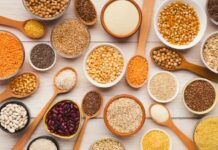















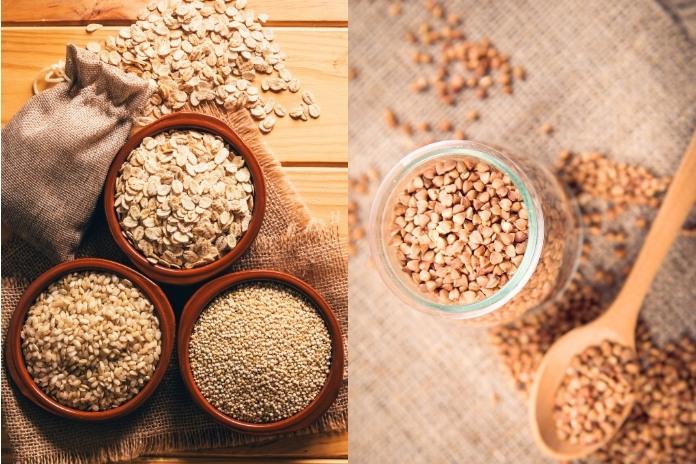
You’re standing in the grocery aisle, flipping over labels. White rice is off your list. Regular wheat feels like a gamble. You want something gluten-free that won’t turn your mid-afternoon energy into a rollercoaster of sugar spikes and crashes. Two names keep catching your eye: quinoa and buckwheat.
On the surface, they seem similar. Both are gluten-free. Both get the “ancient grain” or “super-seed” label slapped on them. Both are often recommended for people with blood sugar. But if you dig deeper, you’ll find they’re not interchangeable. How they interact with your body, your digestion, and your glucose response is surprisingly different.
Here’s the thing: blood sugar isn’t just about carbs. It’s about how quickly those carbs enter your bloodstream, how fiber and protein slow their absorption, and how efficiently your cells use that glucose once it arrives. One grain might release energy steadily over hours. Another might give a brief spike, followed by a crash that leaves you hungry, tired, and craving sweets.
So let’s break it down, physiology, glycemic indices, and human studies, so you can see how quinoa and buckwheat actually behave in the real world, not just what the packaging or marketing tells you. By the end, you’ll know which one earns a place in your meal plan and why.
Understanding How Whole Grains Affect Blood Sugar

When it comes to blood sugar, not all grains are created equal. The way your body responds to a carbohydrate-rich food depends on more than just the carb count; it’s about digestion, absorption, and the hormonal response that follows.
Quinoa and buckwheat are often recommended for people aiming to manage glucose levels, but to understand why, we need to look under the hood at how whole grains influence blood sugar.
The Role of Glycemic Index (GI) and Fiber
The glycemic index (GI) is a tool used to measure how quickly a carbohydrate-containing food raises blood glucose compared to pure glucose. Foods with a high GI digest rapidly and trigger sharp spikes in blood sugar, while low-GI foods release glucose more slowly, producing a steadier energy curve.
But GI alone only tells part of the story. Other factors, fiber, protein, fat, and resistant starch, modulate digestion and slow the release of glucose into the bloodstream. They flatten post-meal spikes, reduce insulin demand, and improve metabolic efficiency.
For example, two foods with nearly identical carbohydrate counts can behave very differently. One might spike blood sugar sharply, while the other delivers a gradual, sustained energy release. That’s why studies consistently show that diets higher in fiber and lower in refined carbohydrates improve insulin sensitivity and blunt post-meal glucose excursions.
This is the metabolic lens through which we need to view quinoa and buckwheat: not just as “grains” or carbohydrate sources, but as complex nutrient packages that influence glucose response at multiple levels.
Why Gluten-Free Doesn’t Automatically Mean Blood Sugar-Friendly
There’s a widespread misconception that gluten-free foods are inherently better for blood sugar. In reality, gluten-free doesn’t guarantee a low glycemic impact. Many gluten-free staples, such as white rice, rice flour, tapioca starch, and corn-based products, digest quickly, spike blood sugar, and provide little fiber or protein.
Dr. Julinda Lee, MD, a physician and functional medicine expert, explains: “A gluten-free label doesn’t guarantee a healthy effect on your metabolism. Many gluten-free baked goods and processed products are still high in refined starches and sugars, which can raise blood sugar just like their gluten-containing counterparts.”
Quinoa and buckwheat stand apart because they are intact, whole pseudo-grains. Unlike processed gluten-free flours, they retain fiber, protein, and bioactive compounds that actively modulate digestion, glucose absorption, and insulin response. Fiber slows gastric emptying, protein improves satiety, and polyphenols can enhance metabolic signaling.
This is why quinoa and buckwheat often emerge as top choices for blood sugar management, despite neither being technically grains. Their effects go beyond gluten content; they offer a real metabolic advantage, combining steady energy release with nutrient density and bioactive benefits.
Read More: 10 Science-Backed Ways to Keep Your Blood Sugar Stable All Day
Quinoa: The Balanced “Complete Protein” Grain
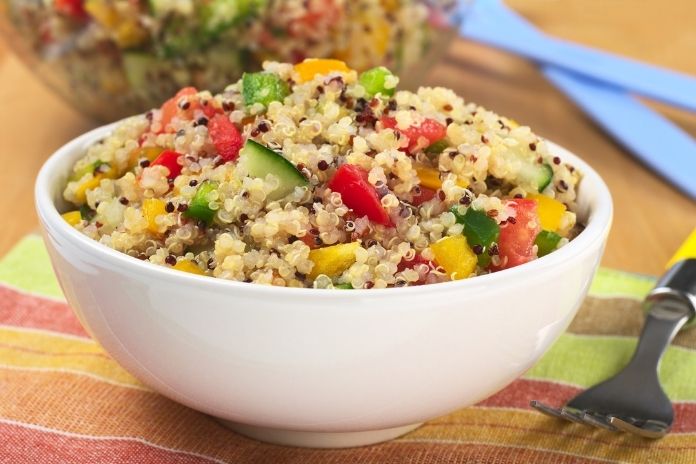
When you think of plant-based nutrition, quinoa often comes to mind, and for good reason. Beyond being gluten-free, it’s a unique pseudo-grain that combines moderate carbohydrates, substantial protein, fiber, and micronutrients. This makes it a strong contender for anyone looking to stabilize blood sugar, improve satiety, and support long-term metabolic health.
Glycemic Profile and Nutrient Breakdown
Quinoa has a moderate glycemic index, typically around 50 to 53 when cooked plain, which positions it lower than white rice but higher than most legumes. One cooked cup provides approximately:
- 39 grams of carbohydrates
- 8 grams of protein
- 5 grams of fiber
Its standout feature is protein quality. Unlike most plant foods, quinoa contains all nine essential amino acids, earning it the label of a complete protein.
From a blood sugar perspective, this matters. Protein slows the digestion of carbohydrates and moderates glucose absorption into the bloodstream. That’s one reason quinoa performs better than refined grains, even though it’s still carb-dense.
Research indexed in PubMed consistently shows that combining moderate-GI carbohydrates with protein results in lower postprandial glucose spikes compared to carbohydrates eaten alone.
Health Benefits Beyond Glucose Control
Quinoa isn’t just about blood sugar. It’s a nutritional powerhouse with multiple metabolic benefits:
- Magnesium-rich: Magnesium plays a critical role in insulin signaling and glucose transport. Adequate magnesium intake is associated with improved insulin sensitivity, while deficiencies are common in individuals with insulin resistance or type 2 diabetes.
- Polyphenols and antioxidants: Quinoa contains flavonoids and other polyphenolic compounds that combat oxidative stress, which is linked to the progression of insulin resistance and vascular complications.
- Micronutrient support: Beyond magnesium, quinoa delivers iron, phosphorus, and B-vitamins, supporting energy metabolism, nerve health, and red blood cell function.
Nutrition experts cited by Harvard Health Publishing emphasize that diets high in magnesium and antioxidants correlate with better metabolic outcomes and reduced diabetes risk, making quinoa more than just a carbohydrate source; it’s a functional food with protective benefits.
Best Ways to Eat Quinoa for Stable Energy
Quinoa’s impact on blood sugar is highly context-dependent. Even a moderate-GI food can spike glucose if consumed in large portions or with little fiber or fat.
To optimize its benefits:
- Combine with protein or healthy fats: Pair quinoa with non-starchy vegetables, legumes, nuts, seeds, or lean proteins. This combination slows digestion, flattens glucose curves, and prolongs satiety.
- Watch portion size: Half a cup to one cup cooked is usually sufficient for blood sugar management, depending on your overall meal plan and activity level.
- Rinse before cooking: This removes saponins, natural compounds that can affect taste, digestion, and satiety in some individuals.
As Dr. Frank B. Hu from Harvard School of Public Health points out, low-glycemic foods and meals that include protein and fiber slow carbohydrate digestion and absorption, helping reduce the rapid blood sugar rises that happen when carbs are eaten alone.
By focusing on pairing, portion, and preparation, quinoa can serve as a steady, nutrient-dense foundation for meals that support energy, metabolic health, and balanced glucose levels.
Read More: Diabetes-Friendly Quinoa and Vegetable Stir-Fry: A Low-GI Delight
Buckwheat: The Underrated Blood Sugar Stabilizer
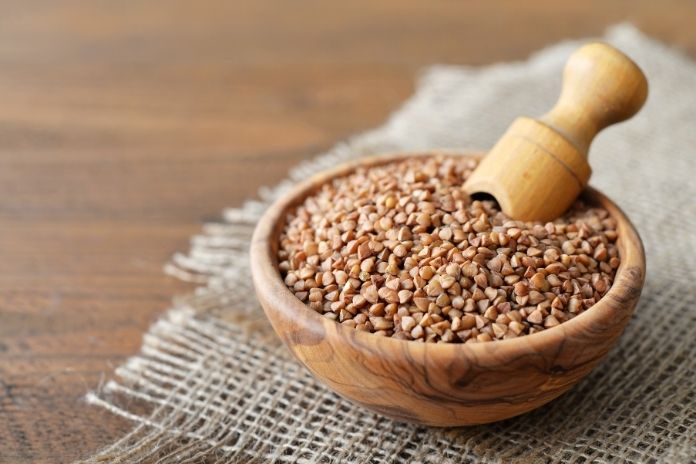
When it comes to stable energy and glucose management, buckwheat is often overlooked. Unlike quinoa, which is celebrated for its protein content, buckwheat shines for its exceptionally low glycemic response and bioactive compounds that actively support insulin function.
This makes it a smart choice for anyone looking to minimize post-meal blood sugar spikes, sustain energy, and support long-term metabolic and cardiovascular health.
Naturally Low Glycemic Index
Buckwheat has a glycemic index typically around 25 to 30, significantly lower than quinoa. This slow-digesting carbohydrate produces a gentle, gradual rise in blood glucose rather than a rapid spike.
In practical terms, substituting buckwheat for higher-GI starches can reduce energy crashes and curb mid-afternoon hunger. Clinical research consistently shows that low-GI foods reduce post-meal insulin demand, improve glycemic variability, and are especially beneficial for people with impaired glucose tolerance or insulin resistance.
This is where the buckwheat vs quinoa comparison becomes particularly relevant: quinoa moderates glucose with protein content, whereas buckwheat directly slows glucose absorption and enhances insulin signaling.
Unique Compounds That Set Buckwheat Apart
Buckwheat contains several bioactive compounds that amplify its blood sugar benefits:
- D-chiro-inositol: Enhances insulin sensitivity by improving glucose uptake into cells. It has been studied extensively in metabolic disorders, including insulin resistance and polycystic ovary syndrome (PCOS).
- Fagopyritols: Slow-release carbohydrate compounds that dampen postprandial glucose spikes.
- Resistant starch: Resists digestion in the small intestine and ferments in the colon, producing short-chain fatty acids that improve insulin sensitivity and gut health.
This combination allows buckwheat to support blood sugar control beyond its carbohydrate content alone, making it a functional food for metabolic health.
Added Metabolic and Cardiovascular Benefits
Buckwheat isn’t just about glucose. Its consumption has been associated with:
- Improved lipid profiles: Lower LDL cholesterol and triglycerides.
- Vascular support: High rutin content strengthens capillaries, reduces inflammation, and supports overall cardiovascular health.
These benefits are particularly relevant for people managing diabetes or prediabetes, as blood sugar regulation and cardiovascular health are closely interconnected.
Best Ways to Eat Buckwheat for Steady Glucose
Buckwheat is versatile and easy to incorporate:
- Whole groats or kasha: Cook and combine with vegetables and lean protein for a balanced meal.
- Buckwheat flour: Use in pancakes, muffins, or noodles, but prioritize recipes that include fiber and protein to avoid rapid glucose absorption.
- Portion control: Half a cup cooked is a solid starting point for blood sugar management, with room to adjust depending on activity level and meal composition.
By combining its low glycemic index with unique bioactive compounds and fiber, buckwheat serves as a robust, blood sugar-friendly alternative to other grains or pseudo-grains.
Quinoa vs. Buckwheat: Nutrient Comparison at a Glance
When it comes to blood sugar-friendly, gluten-free staples, quinoa and buckwheat often appear side by side. Both offer fiber, protein, and bioactive compounds that support metabolism, but they work in slightly different ways.
Quinoa provides a moderate glycemic response and complete plant protein, while buckwheat excels at slowing glucose absorption and improving insulin sensitivity thanks to unique compounds like D-chiro-inositol and resistant starch. Understanding their differences helps you choose the right option, or combine them, for steady energy and balanced nutrition.
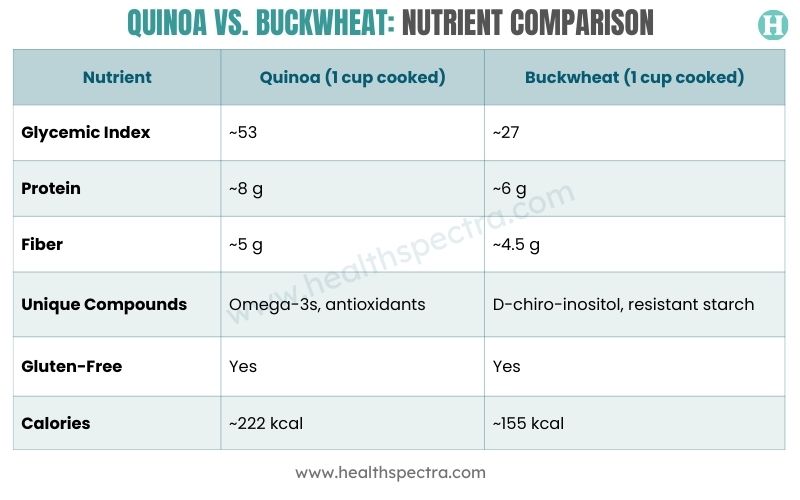 Both foods are excellent choices for supporting blood sugar, gut health, and overall nutrient intake. Quinoa shines for its complete protein and antioxidant content, making it ideal for meals where protein balance matters.
Buckwheat’s low glycemic index and insulin-supporting compounds make it a powerhouse for glucose control and sustained energy. Choosing either or rotating both lets you enjoy diverse nutrients while keeping post-meal spikes in check.
Which One Should You Choose?
The choice between quinoa and buckwheat ultimately depends on your goals, lifestyle, and meal context.
- For tight blood sugar control: Buckwheat takes the lead. Its low glycemic index, resistant starch, and insulin-sensitizing compounds help blunt post-meal glucose spikes, making it a dependable option for anyone managing prediabetes, diabetes, or energy crashes.
- For balanced nutrition and versatility: Quinoa shines. With its complete protein, moderate glycemic impact, and rich array of vitamins and antioxidants, it supports muscle health, satiety, and micronutrient intake. Quinoa blends seamlessly into salads, stir-fries, bowls, and breakfast porridges, making it an easy way to boost protein without animal sources.
- Culinary adaptability: Both grains are remarkably versatile. Buckwheat can be used in pancakes, noodles, and savory porridge, while quinoa excels in pilafs, grain bowls, and even baking. Combining the two across meals can give you the best of both worlds: steady glucose, protein balance, and nutrient diversity.
The takeaway: There’s no single “winner.” Your choice should consider portion sizes, meal composition, and overall dietary patterns. Rotate or pair them strategically, and you can enjoy stable energy, improved blood sugar control, and a nutrient-packed plate every day.
Tips for Including Quinoa and Buckwheat in a Low-GI Diet

Including quinoa and buckwheat in your diet isn’t just about picking the “right” grain. How you prepare them, what you eat them with, and how often you rotate them all influence blood sugar control. With a few practical strategies, you can maximize their benefits, keep glucose levels steady, and enjoy satisfying, nutrient-rich meals without overthinking every choice.
- Mind your cooking method: How you prepare these grains can significantly influence their blood sugar impact. Cooking and then cooling quinoa or buckwheat increases resistant starch, a type of carbohydrate that resists digestion in the small intestine. This slows glucose absorption, producing a gentler rise in blood sugar when reheated for later meals.
- Pair with protein or healthy fats: Adding protein or fat to meals containing quinoa or buckwheat further slows digestion and enhances satiety. Think grilled chicken with a quinoa salad, or roasted vegetables tossed with buckwheat and olive oil. This simple combination helps blunt post-meal glucose spikes and keeps you fuller for longer.
- Choose whole forms over processed: Whole buckwheat groats (or kasha) and whole quinoa are superior to flours, flakes, or pre-packaged processed versions. Whole grains retain fiber, micronutrients, and bioactive compounds that improve digestion and metabolic responses.
- Rotate your staples: Don’t rely on one grain exclusively. Alternating between quinoa, buckwheat, legumes, and other low-GI whole foods diversifies nutrients and supports overall metabolic health. Variety ensures you benefit from different fibers, antioxidants, and unique compounds that each food offers.
- Focus on patterns, not perfection: Small, consistent strategies, like pairing grains with protein, eating whole foods, and moderating portions, matter more than hunting for a single “perfect” food. Over time, these habits add up, supporting stable blood sugar, sustained energy, and improved metabolic resilience.
Key Takeaway
When it comes to quinoa vs. buckwheat, both deserve their reputation as gluten-free super-seeds, but they shine in different ways.
Quinoa provides a balanced nutrient profile, complete plant-based protein, and steady energy, making it an excellent choice for meals where overall nutrition and satiety matter. Buckwheat, on the other hand, excels at blood sugar stability, thanks to its low glycemic index, resistant starch, and insulin-supporting compounds.
Your choice doesn’t need to be exclusive. For most people, a combination of both, used thoughtfully within balanced meals, offers the best of both worlds: sustained energy, nutrient diversity, and improved glycemic control. Portion size, meal composition, and pairing with protein, fiber, or healthy fats will ultimately determine the impact on your blood sugar.
At the end of the day, the “better” option depends on your goals and context. If tight blood sugar management is your priority, buckwheat may take the lead. If overall nutrition, protein quality, and culinary versatility matter more, quinoa earns its spot. Either way, the real win comes from thoughtful inclusion, variety, and paying attention to how your body responds meal by meal.
References
- Allied Academies. (n.d.). Beyond meat: The comprehensive guide to different protein sources.
- Asian Online Journals. (n.d.). Quinoa and its nutritional and functional properties.
- Baker’s Plus. (n.d.). Complete vs. incomplete proteins.
- Bioscience Journal. (2025). Nutritional evaluation and functional properties of quinoa. Bioscience Journal, 7(2), 267–274.
- Data Insights Market. (n.d.). Vegetarian high-protein foods for energy and vitality.
- Harvard Health Publishing. (2012, August 13). Use the glycemic index to help control blood sugar.
- Harvard Health Publishing. (2015). Whole grains associated with lower death rates.
- MDPI. (2024). Processing and functional characteristics of quinoa proteins. Processes, 12(12), 2822.
- National Center for Biotechnology Information. (2024). Quinoa: Nutritional composition, health benefits, and metabolic effects. Nutrients.
- PubMed. (2012). Low–glycemic index diets and postprandial glucose and insulin responses (PMID: 22688548).
- ResearchGate. (n.d.). Quinoa.
- ResearchGate. (n.d.). Quinoa (Chenopodium quinoa Willd.): Nutritional profile, health benefits, and sustainability considerations.
- ResearchGate. (n.d.). Quinoa as a sustainable protein source: Production, nutrition, and processing.
- ScienceDirect. (2021). Dietary fiber and glycemic control: A systematic review and meta-analysis.
- ScienceDirect. (2025). Quinoa protein functionality and metabolic implications.
- ScienceDirect. (2021). Plant-based proteins and metabolic health.
- Springer. (2025). Quinoa and metabolic health: Nutritional and functional perspectives.
- The Women’s Health Line. (n.d.). Going gluten-free: What it really means for health.
- Unifect. (n.d.). Hydrolysed quinoa protein.
- Vite Ramen. (n.d.). Why complete proteins matter.
In this Article