













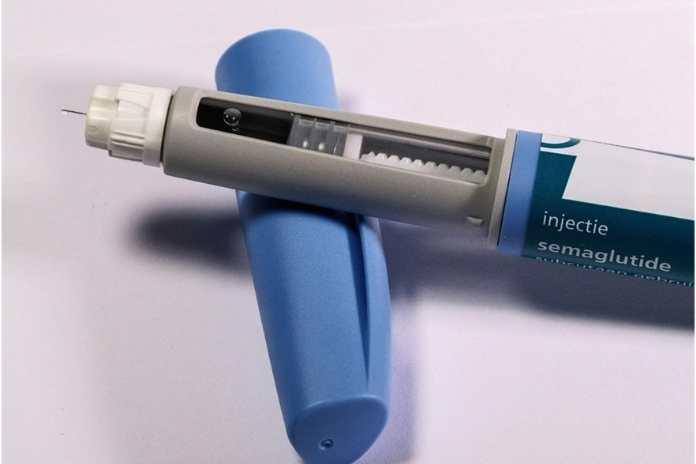
Ozempic does not create new dietary problems. It reveals the impact of existing food choices on digestion and tolerance.
Many people assume Ozempic side effects are fixed or unavoidable. But, they’re not. In most cases, they’re food-triggered and dose-amplified.
What sets Ozempic apart isn’t just appetite suppression. It slows how the stomach empties, keeps food there longer, and changes how fullness is felt. As a result, foods that never caused problems before can suddenly feel hard to tolerate.
This article is not another list of “eat clean, avoid junk.” No recycled diet advice. No trendy gut talk. Just practical, physiology-based guidance. It explains why specific foods respond poorly to Ozempic, what actually worsens side effects, what to eat instead, and what not to eat on Ozempic, without turning meals into fear or restriction.
Why Ozempic Side Effects Are So Sensitive to Food Choices

Ozempic (a GLP-1 receptor agonist) delays gastric emptying. Food stays longer in the stomach before moving into the intestine. This is the intended effect; it helps control blood sugar and appetite.
But slower emptying creates a new rule set:
- Heavy foods stay longer → more nausea on Ozempic
- Large meals stretch the stomach → early fullness, discomfort
- Fat delays digestion even further → reflux, bloating
- Sugar spikes insulin → reactive nausea and fatigue
So side effects aren’t just “medicine reactions.” They are food–drug interactions happening inside the gut.
This is why two people on the same dose can have completely different experiences; one user may feel normal, another may be miserable, depending on what and how they eat. Dr. Samina Afreen, an endocrinologist, says some patients feel disappointed when a medication that worked for friends or family doesn’t work the same way for them. There’s no reliable way to predict who will tolerate it.
There is also a time component to these symptoms.
Dr. Michael Snyder, a general surgeon, says most Ozempic side effects show up early, usually within the first two to four weeks after a dose increase. As the body adjusts, nausea and early fullness often settle. Some people still notice brief flare-ups, often just after they get an injection or even after eating heavier meals.
Foods That Commonly Worsen Ozempic Side Effects
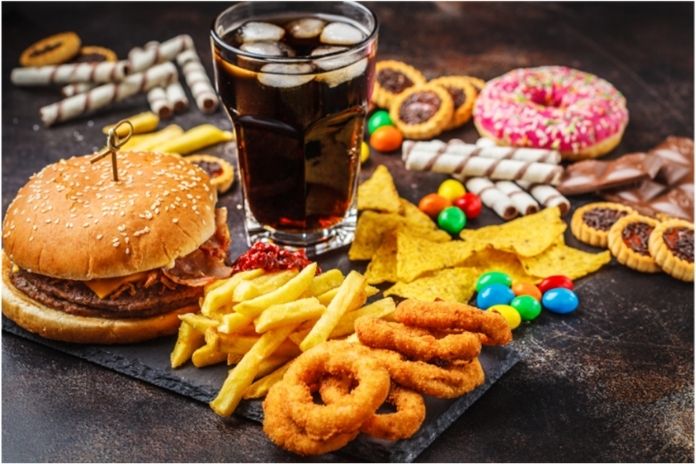
This is where most people struggle, not because they eat “wrong,” but because they eat normally, and Ozempic changes what “normal” digestion looks like.
1. Fried and High-Fat Foods
Fried food is the most predictable trigger for Ozempic. Fat already slows digestion. Ozempic slows it further. Together, they overload the stomach.
Common reactions include persistent nausea, greasy burps, chest heaviness, and acid reflux hours after eating. This is not about calories. Even a small portion of deep-fried food can feel unbearable. Instead, try:
- Dry-roasted, grilled, steamed, or sautéed (minimal oil) foods
- Soft fats in small amounts: Yogurt, nuts (chewed well)
- One fat source per meal, not multiple
2. Large Portions or Heavy Meals
Ozempic changes your satiety timing, not just appetite. You feel full faster, but many people keep eating out of habit.
Symptoms include sudden fullness, pressure under the ribs, and nausea 30–60 minutes later.
This is not a weakness or lack of control. The stomach simply cannot handle large portion sizes anymore. Instead, try:
- Half portions, then pause
- Eat slowly, stop at a comfortable proportion, not full
- Think “two light meals” instead of one heavy one
3. Sugary Foods and Refined Carbohydrates
Sugar does not digest passively while on Ozempic. It enters fast, spikes insulin, then drops blood sugar quickly, especially in people using Ozempic for diabetes or insulin resistance.
Common reactions include:
- Nausea without vomiting
- Sudden fatigue
- Dizziness or shakiness
- Cravings followed by aversion
This is why sweets feel “wrong” even in small amounts.
Eat Low-GI carbohydrates instead, such as oats, lentils, millets, and vegetables. Try small fruit portions with protein. Avoid sugar on an empty stomach.
4. Greasy Meats and Processed Proteins
Not all proteins react the same to Ozempic. Processed meats, sausages, fatty cuts, or oily gravies stay too long and are digested poorly. Symptoms include:
- Meat aversion
- Sulphur burps
- Nausea lasting several hours
This often leads people to avoid protein entirely, which worsens weakness and muscle loss.
Eat lean proteins instead, including eggs, yogurt, fish, and tofu. Slow chewing is critical. Consider protein spread across meals, not overloaded at once
5. Carbonated Beverages
Gas, along with delayed emptying, may result in pressure. Carbonated drinks expand inside the stomach. On Ozempic, the gas stays longer. It can result in bloating on Ozempic, chest discomfort, and burping that doesn’t relieve pressure.
Even sugar-free versions cause issues, not because of calories, but because of gas retention. Instead, try drinking:
- Plain water, warm water
- Light buttermilk
- Non-carbonated electrolyte drinks, if needed
6. Alcohol
Alcohol is absorbed faster when stomach emptying is delayed, counterintuitive but true. Its effects may include stronger intoxication with less quantity, nausea the next day, acid reflux on Ozempic, or poor appetite control. Alcohol also worsens dehydration, which intensifies constipation and fatigue.
Why drinking with food is still recommended:
Having alcohol alongside food can reduce direct gastric irritation and blunt rapid blood alcohol spikes, even though overall sensitivity remains higher on Ozempic due to delayed digestion.
Instead:
- Limit alcohol quantity and drink with food
- Hydrate aggressively
- Avoid alcohol on injection day
7. Spicy and Acidic Foods
Chilli-heavy, tangy, or acidic foods stimulate gastric acid. With delayed emptying, it causes:
- Burning sensation
- Acid reflux
- Nausea without vomiting
This is not about “weak digestion.” It’s heightened gastric sensitivity.
Eat mild spices, or add herbs for flavor instead. Use cooked vegetables rather than raw, and avoid acidic foods early in the day.
Foods That Can Make Constipation Worse on Ozempic
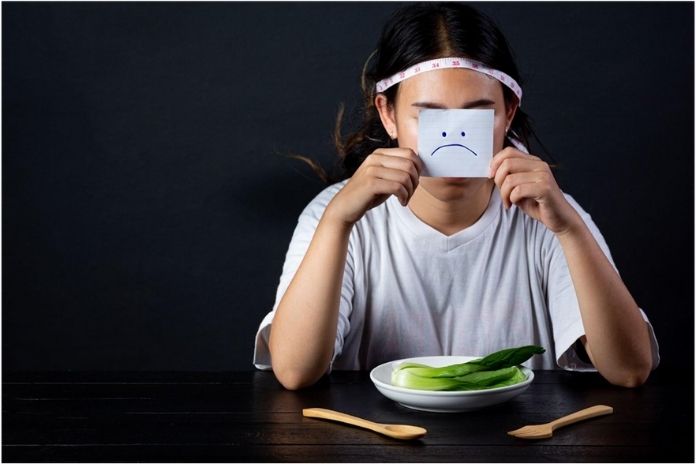
Constipation is one of the most under-discussed Ozempic effects, and it is often worsened by food choices. What makes it worse:
- Low fluid intake
- High protein with no fiber
- Excess cheese or refined foods
- Skipping meals
People often reduce food volume but forget bulk and hydration.
Foods that improve constipation include cooked vegetables (not raw salads initially), soaked seeds in a small quantity, fruits like papaya, pear, and even warm fluids.
Constipation on Ozempic is usually mechanical, not disease-related, and responds to food structure more than laxatives.
Why Protein Choices Matter on Ozempic
Protein is essential, but wrong protein timing can cause nausea. Problems occur when:
- Protein portions are too large
- Protein is dry or tough
- Protein is eaten without hydration
This leads to early aversion, weakness, and muscle loss.
Soft proteins with moisture are a better approach. Eat smaller amounts per sitting. Combine with vegetables or lentils. Protein tolerance improves when digestion is respected, not forced.
Better Food Choices That Help Reduce Ozempic Side Effects
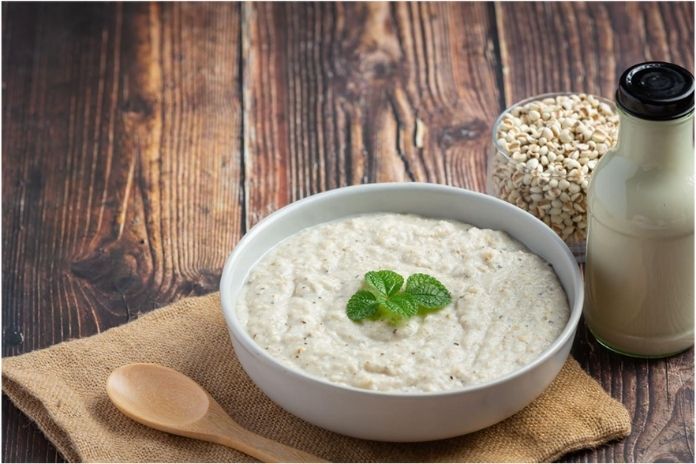
Instead of “good” or “bad” foods, think easy vs difficult to digest. Foods that generally feel better:
- Warm, cooked meals
- Rice or porridge-style meals
- Simple seasoning
- Moderate fiber
- Moist textures
Meals should feel light but complete, not restrictive.
Read More: Mounjaro vs. Ozempic: Which Weight Loss Shot Works Better?
How to Eat on Ozempic Without Triggering Side Effects
Practical rules that actually work:
- Eat slowly, chew fully
- Stop at the first sign of comfort
- Avoid lying down after meals
- Space meals evenly
- Hydrate between meals, not during
Ozempic requires behaviour adjustment, not willpower. For some people, the change isn’t limited to physical symptoms. The way food feels can also shift emotionally.
Dr. Andre F. Teixeira, MD, a bariatric surgeon, explains that some people on GLP-1 medications find they no longer enjoy food the way they used to, and may even feel anxious about meals. He recommends having support in place, including a nutritionist and, when needed, a therapist.
Read More: 10 Foods That Boost GLP-1: The Hormone Ozempic Mimics to Curb Hunger
When Food Changes Aren’t Enough
Diet helps, but it’s not meant to override warning signs. Consider:
- Dose escalation speed
- Injection timing
- Underlying reflux or gastroparesis-like symptoms
- Dehydration or electrolyte imbalance
These aren’t “normal adjustment symptoms.” Medical review matters. Dr. Hector Perez, a bariatric surgeon, says the dose can sometimes be split. Doctors may also use ondansetron or promethazine when nausea is moderate. If that doesn’t help, patients are often switched to another GLP-1.
Read More: Does ‘Nature’s Ozempic’ Really Exist? What Science Says About Natural Alternatives for Weight Loss
Final Thoughts
Ozempic doesn’t demand perfection. It demands awareness. Most side effects are not failures of the drug or the person, but mismatches between old eating habits and a new digestive pace. They follow clear digestive patterns.
When food choices align with how Ozempic actually works, the medication becomes quieter, smoother, and more sustainable.
- Ozempic side effects are largely food-mediated, not random.
- Fat, volume, and speed of eating matter more than calories.
- Protein intolerance is often texture- and timing-related.
- Constipation is usually due to reduced bulk and fluids, not fiber deficiency alone.
- Research still lacks clear dietary protocols tailored specifically for GLP-1 users.
In this Article