














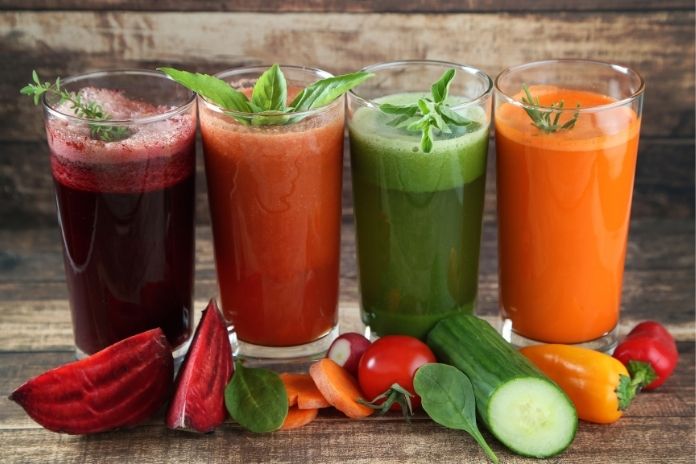
When you wake up, your body is in a delicate state. After hours of fasting, your stomach is empty, your metabolism is just starting to rev up, and your hydration levels are slightly lower than they should be. This morning window is one of the most sensitive periods of the day for your digestive system, blood sugar, and overall energy balance.
What you put into your body now sets the tone for the hours ahead. Many people reach for coffee out of habit, eager for a jolt of energy, while others grab fruit juice, assuming it’s a healthy choice. Both approaches can backfire if your stomach and digestive system aren’t ready.
The right drink can support immunity, boost energy, and prepare your metabolism for the day.
This guide will break down the best juices for drinking on an empty stomach, highlighting which ones promote digestion, immunity, and sustained energy. It also covers juices to approach with caution, depending on your health goals and digestive tolerance.
Everything here is grounded in nutrition science rather than folklore, so you can make informed choices that genuinely support your body in the most vulnerable part of your day.
Why Morning Is a Sensitive Window for Digestion
After 6 to 8 hours without food or water, your body enters a mild fasting state. Your stomach contains acid, insulin sensitivity is naturally higher, and hydration levels are slightly depleted. This combination makes your gastrointestinal tract more reactive than at other times of the day.
According to the Cleveland Clinic, acidic foods and drinks, including citrus, coffee, and other acid-leaning beverages, can irritate the esophagus and trigger or worsen symptoms like acid reflux and heartburn.
These kinds of drinks can be harsh on the digestive tract, especially when consumed on an empty stomach, because they increase stomach acid and put stress on the lower esophageal sphincter. That’s part of why acidic, sugary, or highly concentrated drinks can lead to bloating, acid reflux, or blood sugar spikes first thing in the morning.
Choosing the right juice in the morning can make a meaningful difference. A well-selected drink can:
- Rehydrate your tissues efficiently, restoring fluid balance after overnight fasting.
- Support bile flow and digestion, easing the stomach and intestines into action.
- Deliver antioxidants and nutrients without overloading your system or spiking blood sugar.
- Gently activate metabolism, giving your body energy and focus for the day ahead.
Conversely, a poorly chosen morning drink, too acidic, sugary, or concentrated, can have the opposite effect, causing discomfort, energy crashes, or digestive strain. Understanding how your body reacts and selecting juices thoughtfully ensures that your first sip works with your metabolism rather than against it.
Read More: Healthy Low-Calorie Breakfast Juices
What Makes a Juice “Good” on an Empty Stomach?

When nutritionists evaluate morning juices, taste, color, or trendiness isn’t the focus. Instead, they consider how a juice affects the body physiologically, especially when consumed on an empty stomach. A good morning juice gently supports hydration, digestion, and energy without causing spikes, irritation, or discomfort.
- Low to Moderate Natural Sugar: Fruit juice without fiber delivers sugar rapidly, which can cause a glucose spike followed by fatigue. Lower-sugar options are easier on insulin response, making them particularly suitable for people with prediabetes, PCOS, or blood sugar sensitivity.
- Digestive-Friendly Composition: Ingredients like ginger, aloe, cucumber, and celery are known to soothe the gut lining rather than irritate it. Lisa Young, PhD, RD, is a nutritionist and portion-control expert whose work focuses on sensible eating, digestion, and healthy habits rather than extreme or overwhelming choices.
Her book Finally Full, Finally Slim promotes practical strategies for nutrition that support digestion and well-being rather than stressing the system with harsh foods or drinks.
- Anti-Inflammatory Properties: Chronic low-grade inflammation can impact digestion, immunity, and energy. Juices that include ginger, beetroot, leafy greens, and citrus flavonoids can help modulate inflammation, supporting gut health and overall metabolic function.
- Hydration First, Nutrition Second: High water content is critical. Juices with a high water density help rehydrate tissues after overnight fasting and prepare the digestive system for nutrient absorption, giving the body a smooth start to the day.
- Gentle Acidity (or None at All): Highly acidic juices can aggravate GERD, gastritis, or general stomach sensitivity. Low-acid options are easier on the digestive tract and reduce the risk of morning discomfort.
- Nutrient Density Without Overload: The goal isn’t to pack maximum vitamins in one drink. Instead, a balanced delivery of nutrients prevents gut stress, supports energy, and allows the body to absorb vitamins and minerals efficiently.
By combining these criteria, nutritionists identify juices that hydrate, nourish, and energize without overloading the digestive system, making your first drink of the day a true support for overall health.
The Best Juices to Drink on an Empty Stomach
Below are some of the top options recommended by nutritionists, along with their benefits, cautions, and best practices.
1. Warm Lemon Water (Technically a Juice): Gentle Detox Support
Lemon water may seem basic, but dietitians still recommend it for a reason. It provides hydration, small amounts of vitamin C, and mild stimulation of digestive secretions.
Mayo Clinic highlights that citrus fruits like lemons are rich in vitamin C, and vitamin C helps your body absorb iron more effectively when eaten with plant-based iron sources. It also notes that the fiber and nutrients in citrus can support digestion and overall gastrointestinal function when included as part of a balanced diet.
Benefits:
- Supports morning hydration.
- Gently activates digestion.
- Provides mild immune support.
What it doesn’t do:
- Melt fat.
- “Flush toxins” on its own.
For most people, lemon water is one of the safest healthy morning drinks, especially if acidity doesn’t bother the stomach.
Read More: Apple Cider Vinegar vs. Lemon Water: Which Burns More Fat?
2. Aloe Vera Juice: Soothes Digestion and Supports Gut Health
Aloe vera juice is known for its gut-soothing properties.
Research shows that Aloe barbadensis (a species of aloe) exhibits anti-inflammatory properties and may help ease symptoms of gastrointestinal disorders such as irritable bowel syndrome (IBS) by improving bowel movements and reducing inflammation.
In clinical studies, aloe extract was found to be safe and associated with reduced severity of IBS symptoms and improved bowel regularity compared with placebo.
Benefits:
- Reduces bloating.
- Supports acid balance.
- Gently stimulates bowel movements.
Dr. Michael Ruscio, DC, emphasizes using soothing, gentle strategies for gut issues like IBS and reflux.
In his clinical guidance on natural IBS support, he notes that aloe vera has been shown in research to be effective and safe for treating IBS symptoms compared with a placebo, suggesting it may be useful for people with IBS-related digestive discomfort when used appropriately.
Read More: 16 Ways Aloe Vera Benefits Your Health
3. Fresh Green Juice (Spinach, Cucumber, Celery, Ginger)
A green juice blend provides minerals, antioxidants, and hydration without heaviness.
Why it works:
- Low in sugar.
- High in potassium and magnesium.
- Contains anti-inflammatory compounds.
Research published in the journal Food Science & Nutrition shows that ginger (Zingiber officinale) has been studied for its effects on gastrointestinal health, including its ability to help reduce nausea and support digestive function.
In clinical trials summarized in that review, lower daily doses of ginger were associated with benefits for nausea relief and other GI symptoms, and ginger’s traditional use as a digestive aid aligns with these findings.
Caution: Green juice is not a replacement for whole vegetables, as fiber is largely removed during juicing.
Read More: Green Juice vs. Smoothies: Which Is Better for Detoxing?
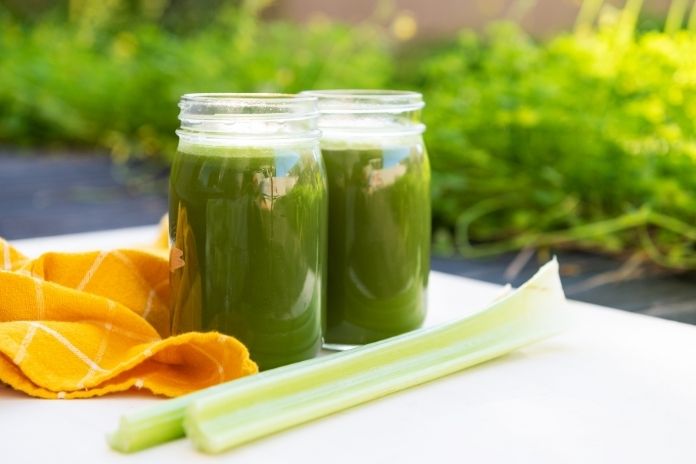
4. Celery Juice: Hydration and Electrolyte Support
Celery juice is low in sugar, high in water, and provides sodium and potassium, which support hydration. According to Harvard Health Publishing, celery juice can contribute to hydration but does not detox the liver or cure chronic disease.
Best for:
- Sensitive stomachs.
- Morning hydration.
- People are avoiding sugar.
5. Pomegranate Juice: Antioxidant Powerhouse (Use Strategically)
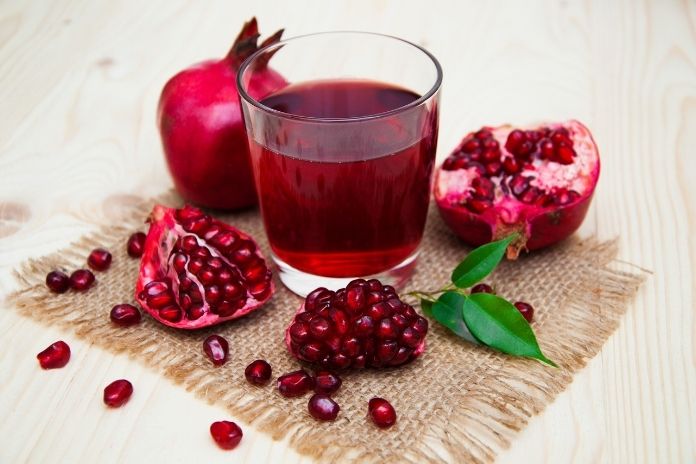
Pomegranate juice is rich in polyphenols like punicalagins, powerful antioxidants that help protect blood vessels and reduce oxidative stress.
A meta-analysis of randomized controlled trials published in Pharmacological Research found that regular pomegranate juice intake was associated with significant reductions in both systolic and diastolic blood pressure, supporting its potential role in blood pressure control and cardiovascular health when included as part of a heart-healthy diet.
Best practices:
- Consume small servings.
- Dilute with water if desired.
- Avoid daily consumption if blood sugar is a concern.
This juice is ideal as a targeted boost for immunity rather than a daily hydration drink.
Read More: Is Pomegranate Juice Good for Your Heart? Evidence-Backed Benefits Explained
6. Fresh Orange Juice: Vitamin C Boost (If Your Stomach Tolerates It)
Orange juice supports immune health and improves iron absorption.
According to the NIH Office of Dietary Supplements, vitamin C is a water-soluble nutrient that acts as an antioxidant and is important for healthy immune function. The body also needs vitamin C to make collagen, a protein that helps with tissue repair and wound healing.
Adequate vitamin C intake supports the immune system and contributes to the formation of collagen in connective tissues.
Avoid if:
- You have acid reflux.
- You experience morning stomach burning.
Whole oranges are often a better option for stable blood sugar.
7. Watermelon Juice: Hydration and Electrolytes for Hot Mornings
Watermelon juice is over 90 percent water, making it ideal for rehydration. It also contains L-citrulline, which supports blood flow and nitric oxide production.
Research suggests watermelon’s components, especially L-citrulline, which helps increase nitric oxide and blood flow, may support circulation and aspects of exercise performance.
A meta-analysis of randomized trials found that longer-term consumption of watermelon can improve vascular function, a mechanism tied to better blood flow and potentially more effective oxygen delivery during activity.
Best for:
- Gentle morning digestion.
- Hot climates or dehydration.
8. Carrot and Ginger Juice: Anti-Inflammatory and Vitamin A–Rich
Carrot juice delivers beta-carotene, which the body converts to vitamin A. Combined with ginger, it supports digestion and immune health without extreme acidity. Compared to many fruit juices, carrot juice has a moderate sugar profile.
Benefits:
- Supports eye and skin health.
- Reduces inflammation.
- Promotes gentle digestion.
9. Beetroot Juice: Energy and Blood Flow Support
Beetroot juice is a powerful morning drink, especially for those seeking an energy boost or improved circulation. It is naturally high in dietary nitrates, which the body converts into nitric oxide. Nitric oxide helps relax blood vessels, improve blood flow, and enhance oxygen delivery to muscles and organs.
Studies in the Journal of Applied Physiology and related exercise physiology research show that dietary nitrate from beetroot juice, the same nitrates that give this juice its deep color, can improve exercise performance, endurance, and aspects of cardiovascular health.
Benefits:
- Supports energy and endurance by enhancing blood flow.
- Promotes cardiovascular health and stable blood pressure.
- Provides antioxidants that help combat oxidative stress.
- Supports gentle liver detoxification and metabolic function.
Beetroot juice is particularly useful for active individuals or anyone looking to support cardiovascular and metabolic health in the morning. Consuming it consistently in moderation ensures benefits without overwhelming the digestive system.
Juices Based on Your Morning Health Goal

Different morning juices serve different purposes. Choosing the right one depends on what you want to achieve, whether it’s supporting digestion, boosting immunity, hydrating, or energizing your body. There is no single “best” juice for everyone; the key is matching your choice to your health goals.
For Digestion and Bloating
Juices that soothe the gut and reduce bloating help activate digestion gently without irritating the stomach.
- Aloe vera juice: Supports gut lining health, reduces inflammation, and promotes smooth bowel movements.
- Ginger water: Stimulates digestion, reduces nausea, and helps relieve bloating.
- Celery juice: Hydrates and provides electrolytes while gently supporting bowel regularity.
- Cucumber and mint juice:Refreshing, hydrating, and calming for an irritated digestive system.
For Immunity
Morning juices rich in vitamins, antioxidants, and anti-inflammatory compounds can strengthen immune defenses.
- Pomegranate juice: Packed with polyphenols and antioxidants that support cardiovascular and immune health.
- Orange juice: Provides vitamin C for immune function and improves iron absorption.
- Carrot-ginger juice: Delivers beta-carotene, antioxidants, and gentle anti-inflammatory support.
For Hydration and Electrolytes
These juices focus on replenishing fluids and electrolytes, especially after overnight fasting.
- Watermelon juice: Over 90% water, rich in electrolytes, and gentle on the stomach.
- Coconut water: High in potassium and natural electrolytes, ideal for rehydration.
- Cucumber-based green juice: Hydrating, low in sugar, and nutrient-rich without being heavy.
For Energy and Detox Support
Juices in this category gently boost metabolism, circulation, and overall morning vitality.
- Beetroot juice: Improves blood flow, energy, and exercise performance.
- Warm lemon water: Mildly stimulates digestion and supports hydration, setting the body up for energy use.
- Green juice: Provides minerals, antioxidants, and gentle anti-inflammatory support for a nutrient-dense start.
The right juice depends on your individual needs and tolerance. By aligning your juice with your health goal, you maximize benefits while keeping your stomach and metabolism comfortable.
What to Avoid Drinking on an Empty Stomach
While certain juices can support digestion, immunity, and hydration, some beverages can do more harm than good if consumed first thing in the morning. The combination of an empty stomach, digestive sensitivity, and overnight fasting makes it important to choose wisely.
Juices and drinks to avoid:
- Highly acidic juices like pineapple or grapefruit can worsen acid reflux, gastritis, or morning stomach burning.
- High-sugar juices such as mango, apple, or grape juice can cause a rapid spike in blood sugar, followed by a crash in energy.
- Packaged or processed juices often contain added sugars, preservatives, and artificial flavors, which reduce nutrient quality and stress the pancreas.
- Extreme “detox” blends that make unrealistic claims about fat burning or toxin flushing are not backed by scientific evidence and can irritate the stomach.
According to the Centers for Disease Control and Prevention, Americans consume far more added sugars than recommended, and high intakes of added sugars, especially from sugary drinks, are associated with health problems such as weight gain, type 2 diabetes, and heart disease.
Dietary patterns high in added sugar contribute to insulin resistance and related metabolic stress over time, increasing long-term health risks. Limiting added sugar to less than 10 % of total daily calories is advised to help reduce these risks.
Juice vs Whole Fruit in the Morning: Which Is Better?

Juicing removes the fiber from fruit, which plays a crucial role in slowing sugar absorption and supporting gut bacteria. Without fiber, fruit sugars are absorbed rapidly, which can lead to spikes in blood glucose and insulin.
Whole fruit benefits:
- Improves satiety and helps you feel fuller for longer.
- Stabilizes blood sugar by slowing glucose absorption.
- Supports gut microbiome health, feeding beneficial bacteria with fiber.
If you prefer liquids in the morning, smoothies are often a better choice than juices. They retain the fruit’s fiber, providing more balanced blood sugar control, digestive support, and satiety, while still delivering vitamins and antioxidants.
How Much Juice Is Healthy in the Morning
Even healthy juices should be consumed in moderation to avoid overstressing digestion and blood sugar. Nutritionists generally recommend:
- Drinking 120 to 180 ml per serving, which provides hydration and nutrients without excessive sugar.
- Having water first, then juice, to rehydrate tissues after overnight fasting.
- Pairing juice with protein or fiber later, such as eggs, yogurt, or whole-grain toast, to stabilize energy and prevent sugar spikes.
It’s important to remember that drinking more juice does not equate to more benefits. Excessive juice can overwhelm your stomach, spike blood sugar, and reduce nutrient absorption.
Who Should Be Careful With Morning Juice
Certain individuals need extra caution when consuming juice on an empty stomach. Juice can be problematic for people with:
- Diabetes or insulin resistance, as rapid sugar absorption can destabilize blood glucose.
- GERD or chronic acid reflux, since acidic juices may worsen symptoms.
- Kidney disease, because some juices are high in potassium or oxalates.
- Medication interactions, as certain fruit juices can affect drug absorption or metabolism.
- High sensitivity to fructose can cause digestive discomfort.
When in doubt, consult a registered dietitian or physician before making juice a regular morning habit. Personalized advice ensures that your routine supports your health safely.
A Sample Nutritionist-Approved Morning Juice Routine
A structured routine helps maximize benefits while minimizing digestive stress.
- Wake up and drink a full glass of water to rehydrate after overnight fasting.
- Choose one low-sugar juice, such as cucumber-celery, aloe vera, or a diluted green juice.
- Wait 15 to 20 minutes before eating, allowing your digestive system to gently start processing fluids.
- Eat a protein- and fiber-rich breakfast to stabilize blood sugar and provide sustained energy.
This routine balances hydration, nutrient intake, and digestion, supporting energy, gut health, and morning metabolism without overwhelming the body.
Read More: Fruit Juice Or Whole Fruits? Difference and Advantages!
Conclusion
When it comes to morning juices, there is no single “best” option that works for everyone. Each body reacts differently depending on digestion, metabolism, blood sugar sensitivity, and personal health goals. The key is to make choices that support your unique needs rather than following popular trends or extreme health claims.
The smartest approach is simple: choose low-sugar, high-hydration juices that are gentle on your stomach. Drinks that meet these criteria help you start the day with steady energy, proper hydration, and minimal digestive stress. Juices that are too acidic, high in sugar, or overly concentrated can do the opposite, causing bloating, reflux, or rapid blood sugar spikes.
Consistency matters far more than perfection. Paying attention to how your body responds, whether a juice leaves you feeling energized, hydrated, or uncomfortable, provides feedback that no detox promise or wellness trend can replace.
Over time, tuning into these cues allows you to build a morning routine that genuinely supports digestion, immunity, hydration, and overall well-being. In short, the best morning juice is the one that works for your body and fits smoothly into a balanced, mindful morning routine.
References
- Centers for Disease Control and Prevention. (n.d.). Be sugar smart.
- Health.com. (2024). Is it bad to drink orange juice on an empty stomach?
- Journal of Applied Physiology. (2013). Dietary nitrate supplementation improves exercise performance and cardiovascular efficiency.
- Mayo Clinic Health System. (n.d.). Boost your senses with citrus fruits.
- National Institute of Nutrition. (2024). Dietary guidelines for Indians.
- National Institutes of Health, Office of Dietary Supplements. (n.d.). Vitamin C: Fact sheet for health professionals.
- NutraIngredients. (2017). Meta-analysis supports pomegranate juice’s blood pressure benefits.
- PubMed Central. (2022). Effects of watermelon supplementation on vascular function: A systematic review and meta-analysis.
- Everyday Health. (n.d.). 10 reasons juicing can be bad for your health.
- Northwestern Health Sciences University. (n.d.). 11 top watermelon health benefits.
- ToneOp Care. (n.d.). Which juice is good for digestion?
- Practo. (n.d.). Which is the best time to drink juice?
- Quora. (n.d.). Is it better to juice on an empty stomach?
- The Economic Times. (n.d.). Celebrity nutritionist warns your morning juice may be hurting you.
In this Article