














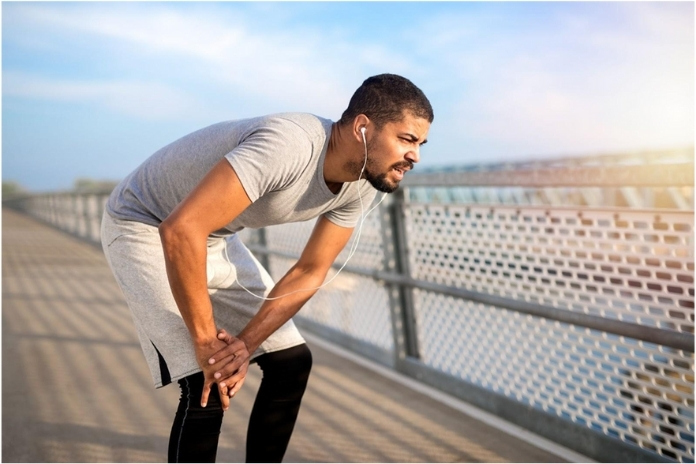
You work out regularly. You stretch sometimes. You still wake up stiff, slow, and slightly rusted. Bending feels restricted. Squatting feels awkward. Turning your neck takes effort. And you keep wondering: why does my body feel stiff even if I exercise? Or why am I always stiff?
This confuses many people because stiffness is often blamed on not exercising. But the reality is uncomfortable: you can exercise consistently and still move poorly the rest of the day.
Stiffness is not just a muscle issue. It’s a system issue. It builds quietly from how you sit, how you recover, how your nervous system stays working, and how little variety your body actually gets.
This article is not about quick stretches, foam rolling hacks, or “just do yoga” advice. It explains why stiffness after exercise persists even in active people and what actually changes it, without exaggerated claims.
Stiffness vs Tightness: What’s the Difference?
People use both words: muscle tightness vs. stiffness, interchangeably, but they are not the same.
Tightness is usually local. One muscle or area feels shortened or resistant. Commonly affected areas are hamstrings, calves, and the neck.
Muscle tightness itself is not unusual. “Muscle tightness is a normal part of everyday life,” says Dr. Julianne Payton, PT, DPT, a physical therapist at Hinge Health. “Muscle tightness can pop up in a lot of different spots and can come and go.” The problem begins when this normal, temporary tightness is mistaken for stiffness, something deeper and more widespread.
Stiffness is generalised. It feels like your whole body resists movement. You can move, but everything feels heavy, restricted, slightly painful. It can involve:
- Muscles
- Joints
- Fascia
- Nervous system tone
Important point: Tightness is often mechanical. Stiffness is often neurological and systemic. That’s why stretching tight muscles does not always fix stiffness.
You Sit More Than You Think
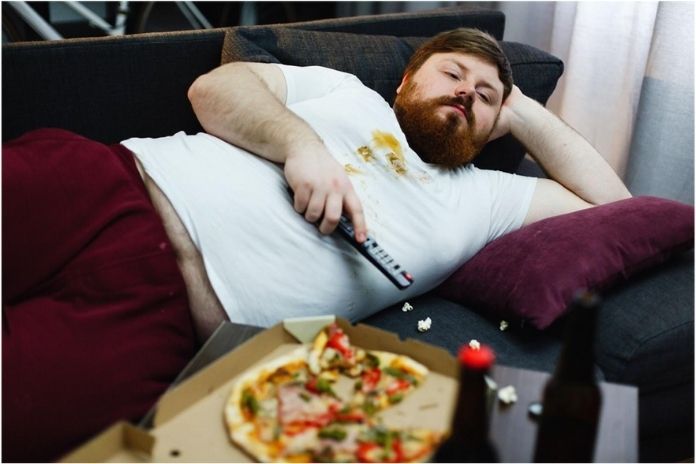
You may train for one hour a day. You may still sit for ten. Sitting itself is not harmful. But long, uninterrupted sitting and a sedentary lifestyle are.
When you sit:
- Hip flexors stay shortened and dominant
- Glutes stay inactive
- Spine barely moves
- Upper back becomes rigid
- Neck muscles stay mildly contracted all day
- Ankles lose range due to a lack of movement
- Fascia loses hydration
- Blood flow reduces
Your body adapts not to exercise, but to what you do most often. One workout cannot undo ten hours of stillness. So even if you lift weights or run:
- The other 23 hours matter more than that one workout
- Your body learns stiffness as a default state
This is not a lack of motivation. This is exposure time.
Poor Movement Variety
Many people exercise, but they repeat the same patterns daily.
Examples:
- Gym workouts, but no rotation
- Running, but no lateral movement
- Strength training, but no floor-based movement
- Stretching, but always the same stretches
Your joints and tissues are designed for:
- Bending
- Rotating
- Twisting
- Reaching
- Squatting
- Crawling
- Lateral movement
- Different speeds
- Different load directions
When movement variety is reduced, tissues lose adaptability. The body adapts by becoming efficient in only those ranges. The result is not weakness; it’s protective stiffness after exercise. The body limits the range of motion when it does not trust unfamiliar ranges of motion.
Fascia Dehydration and Adhesions
Fascia is the connective tissue network that surrounds muscles, joints, and organs. It needs:
- Movement
- Load variation
- Hydration
Without this, fascia becomes:
- Sticky
- Dense
- Less elastic
This creates a sensation of stiffness that stretching alone cannot fix. This is why you feel stiff without injury.
Important detail: Fascia responds better to gentle, repeated movement than aggressive stretching. That is why short movement breaks often help more than long stretching sessions.
Chronic Low-Grade Inflammation

Not all inflammation feels painful. Low-grade inflammation shows up as:
- Morning stiffness
- Heavy joints
- Reduced movement quality
- Slower recovery
Common contributors:
- Poor sleep
- Stress
- Ultra-processed food
- Inadequate recovery
- Overtraining
You may be “fit” but still inflamed. Exercise is anti-inflammatory only if recovery is adequate.
Nervous System Tension
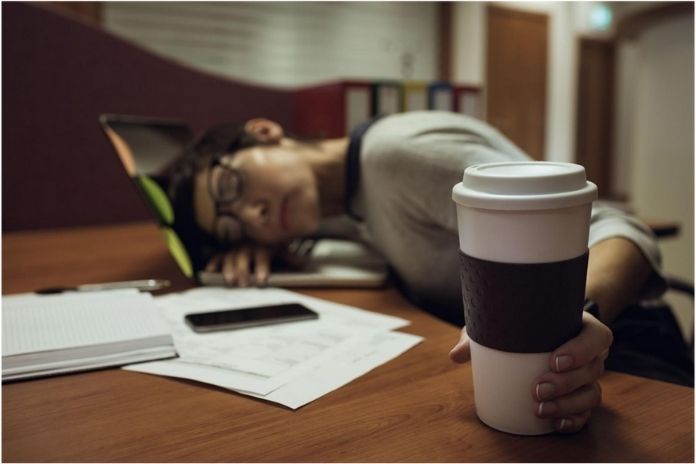
This is one of the most commonly ignored reasons for post-exercise stiffness. Stress even activates the fight-or-flight response. Muscles subtly increase tone to “prepare” for threat, even if the threat is just work pressure, deadlines, or mental overload. If your nervous system stays in a constant “on” state, and becomes chronic:
- Muscles remain partially contracted
- Movement feels guarded
- Flexibility decreases without a structural cause
- Relaxation between movements reduces
- Stiffness increases without injury
Triggers include:
- Mental stress
- Poor sleep
- Excess caffeine
- High training intensity without balance
Stiffness here is not about muscle length. It’s about muscle tone regulation. Calming the system often improves mobility faster than stretching.
Read More: How to Prevent Achilles Tendonitis: Footwear, Workout Tips, and Daily Habits
Under-Recovery Between Workouts
Many people think soreness equals progress. But repeated training without proper recovery leads to:
- Persistent stiffness
- Joint discomfort
- Loss of movement fluidity
Signs of under-recovery:
- You feel stiff before warming up every day
- Warm-up takes longer than usual
- Mobility improves only temporarily
- Rest days still feel heavy
- Sleep that does not feel restorative
Muscles grow during rest. Fascia remodels during rest. The nervous system resets during rest. More training is not the solution here, but better recovery is.
Read More: Natural Muscle Relaxers: Effective Options, How They Work and What to.
Hydration and Electrolyte Imbalance
Stiff tissues are often dehydrated tissues. Even mild dehydration affects:
- Fascia glide
- Joint lubrication
- Muscle contraction-relaxation cycles
Electrolytes matter too:
- Sodium
- Potassium
- Magnesium
Low intake can cause:
- Muscle stiffness
- Cramping tendency
- Recovery time
Drinking water alone is not always enough, especially for active people.
Read More: Why Do My Joints Ache After Sitting All Day – Causes and Prevention Tips
Joint-Related Causes of Stiffness
Sometimes stiffness comes from the joint itself, not the muscle imbalance. Joint stiffness causes are:
- Early cartilage wear
- Reduced synovial fluid movement
- Previous injury
- Poor joint positioning under load
Joint stiffness often feels:
- Deeper
- Worse after inactivity
- Better with gentle movement
- Morning stiffness that eases with movement
- Reduced range without sharp pain
- Clicking or grinding sensations
- Feeling “locked” rather than tight
This type of stiffness responds poorly to aggressive stretching but improves with controlled joint motion.
Read More: Natural Muscle Relaxers: Effective Options, How They Work and What to Know
What Actually Helps Reduce Stiffness
The factors that consistently reduce stiffness over time are: not tricks, not hacks. Stiff bodies respond best to frequency, not intensity. Here is just what works consistently:
Daily Movement Strategies
Short, frequent movement beats long sessions. Helpful habits:
- 2–3 minutes of movement every 30–60 minutes
- Gentle spinal rotations
- Hip circles
- Shoulder rolls
- Walking after meals
- Short mobility breaks
- Slow transitions between positions
Think of frequent, small bouts of movement, not whole workout sessions.
Read More: What I Learned About My Body After Turning 40
Training Adjustments
If you exercise but feel stiff, review:
- Training intensity vs frequency
- Repeating the same exercises daily
- Lack of mobility under load
Better approach:
- Include mobility work within warm-ups
- Mix strength with mobility-based strength
- Train full ranges, not just end ranges
- Include rotational and unilateral movements
- Reduce volume if stiffness keeps increasing
Training should leave you feeling capable, not compressed.
Read More: What a Relapse in MS Really Feels Like (And How to Spot One Early)
Recovery Support

Recovery is not passive or optional; it is where stiffness improves. What helps:
- Adequate sleep timing (not just duration)
- Light activity on rest days
- Stress regulation techniques
- Adequate hydration with minerals
- Enough calories to support training
- Breathing-focused cooldowns
- Heat for stiffness, cold therapy for inflammation (when needed)
Many people stretch more when they actually need better sleep quality and less stress.
Read More: My Head Feels Heavy and Pressured but No Pain: Causes and What to Do
When Stiffness Is a Red Flag
Do not ignore stiffness if:
- It worsens over the weeks despite rest
- It is associated with joint swelling
- It limits daily movement, not just exercise
- It comes with fatigue or unexplained pain
- It lasts longer than 30–45 minutes after waking
Rheumatologists pay close attention to how long stiffness lasts. “When joint stiffness lasts for an hour or more, we often suspect an autoimmune disorder,” says Dr. Ahmed Elghawy, rheumatologist. “When we’re talking about a younger person with long-lasting stiffness, that’s another signal that it’s potentially an autoimmune disorder that needs attention.”
In other cases, stiffness may indicate:
- Inflammatory conditions
- Hormonal issues
- Nutrient deficiencies
- Underlying joint pathology
Exercise should improve stiffness over time, not worsen it.
Read More: What Is “Body on Fire” Syndrome? When Everything Hurts Without a Cause
Final Thoughts
Stiffness is not a failure of discipline. It is feedback. Your body is responding to:
- How you move
- How long do you stay still
- How well you recover
- How safe does your nervous system feel
- How stressed your nervous system is
- How varied your movement is
- How well you sleep and hydrate
The solution is rarely more stretching or harder workouts. It is a smarter movement, better recovery, and less constant tension.
- You can exercise daily and still be stiff.
- Stiffness is often neurological and systemic.
- Sitting time matters more than workout time.
- Recovery quality determines movement quality.
- Frequent gentle movement works better than extreme fixes.
References
- Amstel, van, Weide, G., Wesselink, E. O., Noten, K., Jacobs, K., Pool-Goudzwaard, A. L., & Jaspers, R. T. (2025). A review and empirical findings of fasciae and muscle interactions in low back pain. Frontiers in Physiology, 16.
- CDC. (2021, November 18). Pain During or After Exercise | CDC. Cdc.gov.
- Cleveland Clinic. (n.d.). Muscle Stiffness: Causes & Treatment. Cleveland Clinic.
- Kurosawa, Y., Nirengi, S., Tabata, I., Isaka, T., Clark, J. F., & Hamaoka, T. (2021). Effects of Prolonged Sitting with or without Elastic Garments on Limb Volume, Arterial Blood Flow, and Muscle Oxygenation. Medicine & Science in Sports & Exercise, Publish Ahead of Print.
- Mengi, G., Aydoğmuş, H., Taşkıran, Ö. Ö., Göğüş, F., & Beyazova, M. (2024). Is it possible to objectively determine morning stiffness in rheumatoid arthritis?
In this Article